

Hummingbirds do sleep by entering a state called torpor to conserve energy and survive harsh conditions effectively. During torpor, they lower their metabolic rate significantly, helping them endure cold nights and food scarcity. Seeking sheltered branches is a common practice before entering torpor, where they reduce body temperature and metabolic rate for around 5 to 10 hours each night. This unique survival mechanism allows them to save energy for active feeding and flying. Understanding torpor sheds light on the intricate strategies hummingbirds employ for survival.
Hummingbirds’ Sleeping Patterns
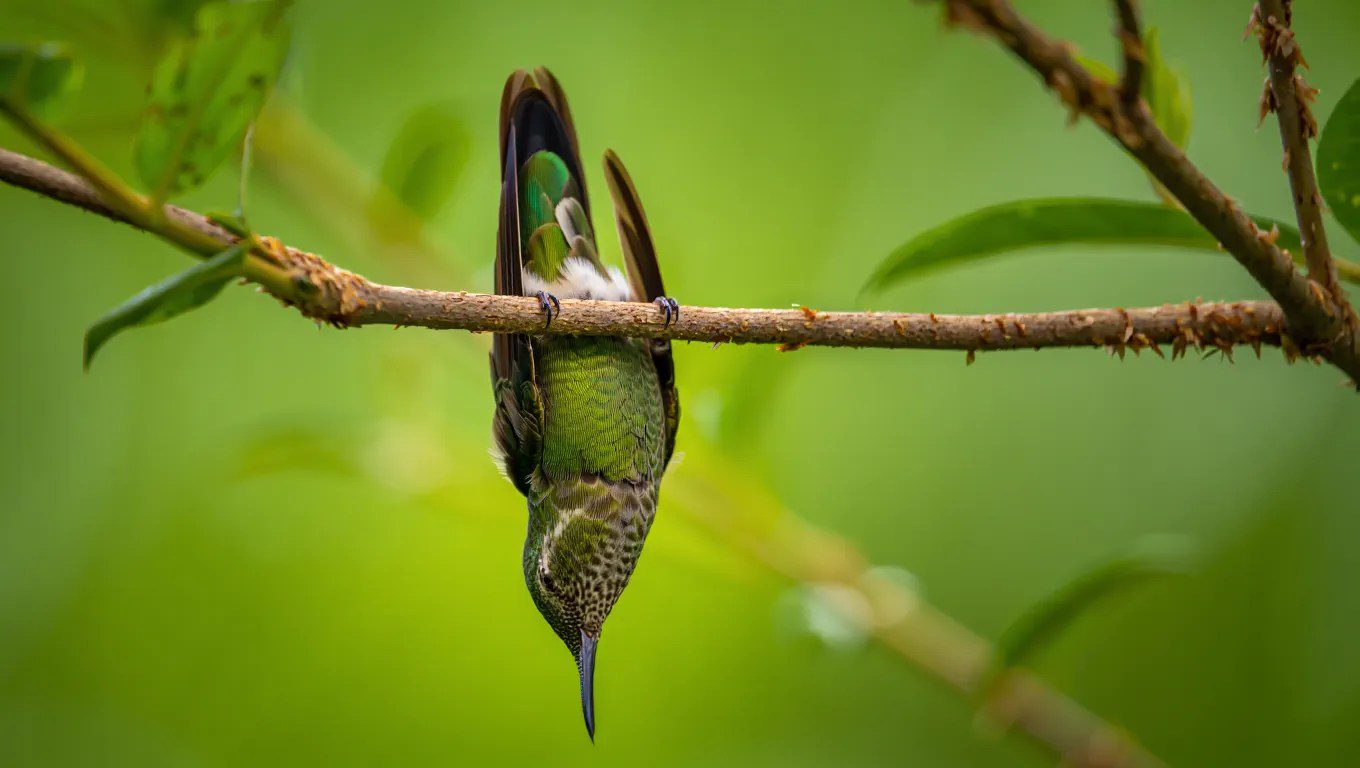
Hummingbirds exhibit fascinating sleeping patterns that are essential for their survival and energy conservation. These tiny birds are known to sleep upside down, clinging to branches using their feet. This unique sleeping position allows them to conserve energy by lowering their metabolic rate during rest. Hummingbirds typically sleep from dusk until dawn, ensuring they have enough energy for their high metabolic demands during the day.
During sleep, hummingbirds may enter a state called torpor, where their metabolic rate drops significantly to conserve energy. In this state, their sleeping positions can resemble that of a bat, with their bodies tucked in to reduce heat loss. Interestingly, hummingbirds do not usually sleep during the day unless something is wrong, as their diurnal nature keeps them active when the sun is up. When choosing a branch to sleep on, hummingbirds prefer those shielded by leaves for protection from predators and the elements.
Torpor: Hummingbirds’ Nightly State
During their nightly rest, hummingbirds enter a state known as torpor to efficiently conserve energy. Torpor is a deep sleep-like state where hummingbirds lower their metabolic functions to survive through the night. Here’s how torpor aids hummingbirds in their nightly routine:
- Energy Conservation: By reducing their metabolic rate significantly, hummingbirds conserve energy during torpor, allowing them to survive long periods without food.
- Temperature Regulation: Torpor helps hummingbirds cope with low nighttime temperatures when their normal high metabolic rate would lead to excessive energy loss.
- Survival Strategy: This nightly state is crucial for hummingbirds to endure harsh conditions and periods of food scarcity, making it a key survival strategy for these tiny birds.
In essence, torpor is a remarkable adaptation that enables hummingbirds to thrive in challenging environments by efficiently managing their metabolic functions during rest.
Metabolic Changes During Sleep
As hummingbirds enter a state of torpor during sleep, their metabolism undergoes significant changes to conserve energy efficiently. Torpor is a vital physiological adaptation that allows hummingbirds to survive the night when food sources are scarce. This deep sleep-like state is characterized by a drastic decrease in heart rate, metabolism, and body temperature. By entering torpor, hummingbirds can reduce their metabolic rate by up to 95%, suspending activities that are not essential for immediate survival. During torpor, these tiny birds can even stop breathing for up to five minutes, a remarkable feat that further conserves energy. This metabolic slowdown enables hummingbirds to maintain their high metabolic rate during the day without risking starvation during the night. Essentially, torpor serves as a crucial strategy for these energetic birds to balance their high energy demands with the limited resources available in their environment.
Duration of Hummingbirds’ Torpor
Throughout a typical night, the duration of torpor in hummingbirds ranges from 5 to 10 hours to effectively conserve energy. This deep state of unconsciousness serves a crucial purpose for these tiny birds with high metabolisms. Here’s how torpor benefits hummingbirds:
- Energy Conservation: Torpor allows hummingbirds to drastically reduce their metabolic rate, conserving energy by as much as 95% compared to when they are awake and active.
- Surviving Cold Nights: By lowering their body temperature and heart rate during torpor, hummingbirds can endure cold nights when food sources are limited. This adaptation helps them maintain their energy reserves until they can feed again.
- Adaptation for High Metabolism: Hummingbirds have one of the highest metabolic rates among birds, and torpor is a vital strategy that enables them to balance their energy needs efficiently despite their intense activity levels.
Energy Conservation Through Torpor
In their nightly routine, hummingbirds engage in a deep state of torpor to effectively conserve energy. Torpor is a physiological state where hummingbirds drastically reduce their metabolic rate, heart rate, and breathing. By entering torpor, these tiny birds are able to lower their body temperature significantly, conserving vital energy reserves. This energy-saving mechanism is crucial for hummingbirds, especially during cold nights when food sources are scarce. Through torpor, hummingbirds can maintain their high metabolic demands without risking starvation.
During torpor, hummingbirds exhibit a remarkable adaptation to survive harsh conditions. By slowing down their physiological processes, they can endure long periods of fasting without compromising their health. This energy conservation strategy allows hummingbirds to thrive in diverse environments and climates, where resources may be unpredictable or limited. Overall, torpor plays a vital role in the survival and ecological success of hummingbirds, showcasing their remarkable ability to adapt to challenging circumstances while maintaining their energetic needs.
Physiological Changes in Torpid State
Hummingbirds undergo significant physiological changes when entering a torpid state, including decreased heart rate and metabolism to conserve energy. This state allows them to survive harsh environmental conditions by reducing their metabolic needs. Here are some key physiological changes that occur in hummingbirds during torpor:
- Decreased Heart Rate: In torpor, a hummingbird’s heart rate can drop significantly, sometimes to as low as 50 beats per minute. This reduction helps minimize energy expenditure, allowing the bird to conserve vital resources.
- Drop in Body Temperature: During torpor, hummingbirds experience a decrease in core body temperature. This drop helps slow down metabolic processes, further aiding in energy conservation.
- Slowed Breathing: Hummingbirds can suspend breathing for short periods, up to five minutes, while in torpor. This respiratory suppression contributes to the overall reduction in metabolic rate, enabling the bird to endure prolonged periods of rest without expending excessive energy.
Benefits of Torpor for Hummingbirds
How do the benefits of entering torpor help hummingbirds conserve energy efficiently? Torpor, a state of decreased physiological activity, plays a crucial role in helping hummingbirds conserve energy. By entering torpor every night for 5 to 10 hours, hummingbirds lower their metabolic functions, which results in decreased heart rate, body temperature, and overall energy expenditure. During torpor, hummingbirds significantly slow down their breathing and heart rate, allowing them to conserve energy while maintaining their high metabolic rate without risking starvation.
This energy-saving mechanism is essential for hummingbirds, as it enables them to survive the night when food sources are scarce and when their metabolic demands are at their lowest. By utilizing torpor, hummingbirds can efficiently manage their energy reserves, ensuring that they have enough resources to sustain their hyperactive lifestyle during the day. Overall, torpor is a vital adaptation that helps hummingbirds thrive in their environment by balancing their high energy requirements with periods of energy conservation.
Factors Influencing Torpor Initiation
Factors influencing the initiation of torpor in hummingbirds include responses to decreasing ambient temperatures and reduced food availability, as well as cues such as changes in daylight duration and individual characteristics like age, sex, and reproductive status. When considering why hummingbirds enter torpor, the following factors are crucial:
- Temperature Response: Hummingbirds are sensitive to drops in temperature, prompting them to conserve energy through torpor initiation.
- Food Availability: A scarcity of food resources can push hummingbirds into torpor as a strategy to survive when energy intake is limited.
- Daylight Changes: Variations in daylight duration act as signals for hummingbirds to adjust their metabolic rate by entering torpor, aligning their activity with environmental conditions.
In understanding torpor initiation in hummingbirds, it becomes evident that these tiny creatures have evolved remarkable mechanisms to adapt to environmental challenges and optimize their energy usage. The interplay of various factors like temperature, food availability, and daylight duration influences when hummingbirds choose to enter torpor, highlighting the complexity of their survival strategies.
How Hummingbirds Prepare for Torpor
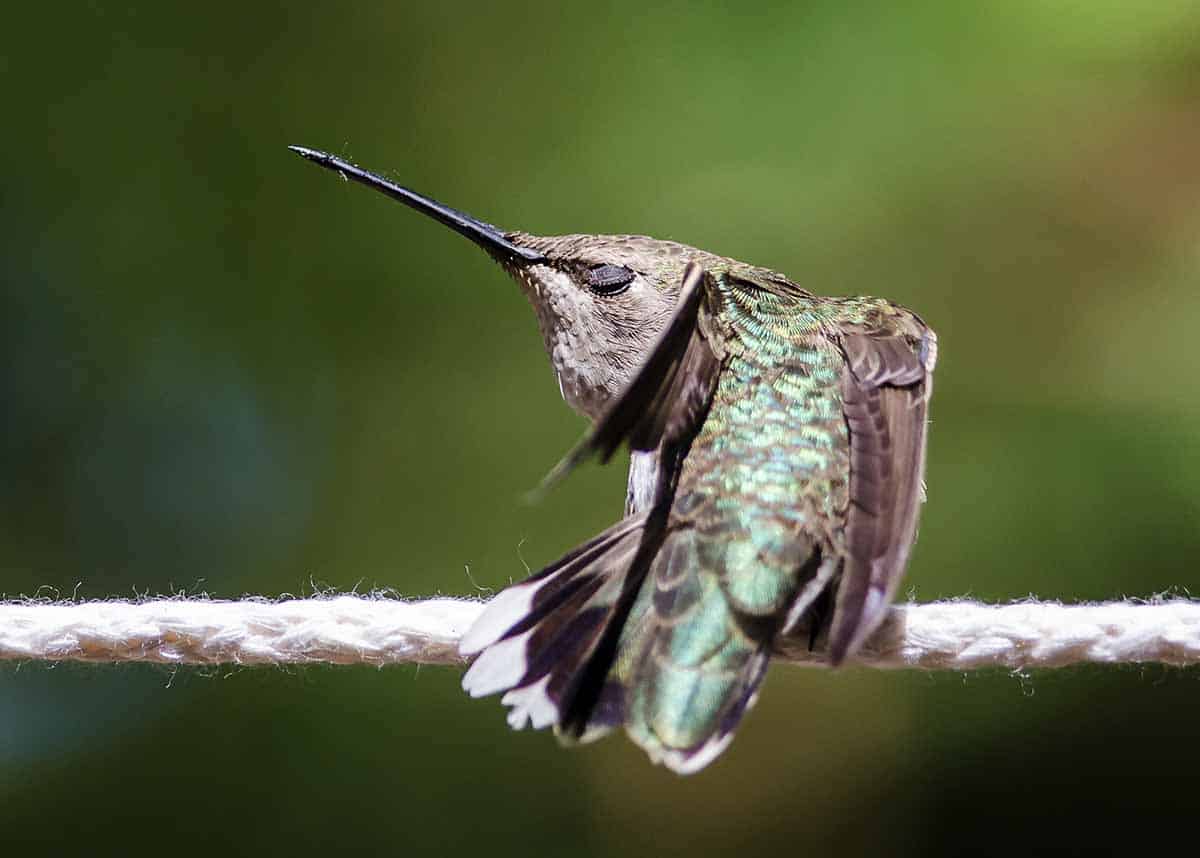
In preparation for entering torpor, hummingbirds typically seek out a sheltered location on a tree branch. This behavior is crucial for their survival during the night when temperatures drop and food sources become scarce. Once settled in their chosen spot, hummingbirds initiate torpor, a deep state of rest that is different from traditional sleep. During torpor, these tiny birds reduce their body temperature and metabolic rate significantly, allowing them to conserve energy. This state of lowered metabolic activity enables hummingbirds to endure cold nights without expending excessive energy. Remarkably, hummingbirds may enter torpor every night for a duration ranging from 5 to 10 hours. By adopting torpor as a nightly routine, hummingbirds can successfully navigate challenges posed by limited food availability and harsh environmental conditions. This unique energy-saving adaptation plays a crucial role in enabling hummingbirds to maintain their exceptionally high metabolism levels throughout their lives.
Sleep Vs. Torpor in Hummingbirds
Hummingbirds differentiate their rest from traditional sleep by entering a state of torpor to conserve energy and survive harsh environmental conditions. During torpor, these tiny birds exhibit a fascinating survival strategy that sets them apart from other animals:
- Metabolic Rate Reduction: In torpor, hummingbirds significantly lower their metabolic rate, sometimes by up to 95%. This drastic reduction allows them to conserve energy during periods of low food availability or cold temperatures.
- Inactive Appearance: While in torpor, hummingbirds appear inactive and unresponsive, resembling a deep sleep. This state helps them minimize energy expenditure and cope with environmental challenges.
- Survival Mechanism: Torpor can last for several hours each night, enabling hummingbirds to endure adverse conditions. By entering torpor, these birds can save vital energy reserves, ensuring they have enough stamina for their active feeding and flying activities during the day.
Understanding the unique physiological adaptations of hummingbirds, such as torpor, sheds light on how these remarkable creatures thrive in diverse ecosystems.
Hummingbird Sleep Research Insights
Exploring the realm of hummingbird sleep research unveils intriguing insights into the unique physiological mechanisms these tiny birds employ for survival. Research has shown that hummingbirds do sleep, entering a special state known as torpor. During torpor, these birds lower their metabolic rate significantly, conserving energy to endure harsh conditions. Typically, hummingbirds seek sheltered branches to rest on at night, where they enter torpor to survive cold temperatures and periods of food scarcity. This adaptation allows hummingbirds to appear almost motionless and unresponsive, resembling a deep sleep but with a crucial difference in metabolic activity. By strategically reducing their metabolic rate during torpor, hummingbirds can conserve energy and increase their chances of survival in challenging environments. Understanding the intricacies of hummingbird sleep, particularly the role of torpor and metabolic rate regulation, sheds light on the remarkable strategies these birds have evolved to thrive in diverse ecosystems.