

If your apple tree leaves are turning yellow, it could be due to nutrient deficiencies like nitrogen, iron, or magnesium. These deficiencies affect photosynthesis and overall tree health. Pest infestations from aphids and mites can also cause yellowing. Implementing integrated pest management with soaps and neem oil is vital. Additionally, diseases like apple scab and fungal infections can lead to yellow leaves. Pruning and applying fungicides help manage these diseases. Consider the treatment and prevention actions mentioned for immediate help. Remember, proper care and maintenance are crucial for the health of your apple tree.
Nutrient Deficiencies
If your apple tree leaves are turning yellow, it may be due to deficiencies in essential nutrients such as nitrogen, iron, and magnesium. Nitrogen shortage typically results in uniformly pale leaves, while iron and magnesium deficiencies manifest as yellowing between veins with the veins themselves remaining green. These nutrient deficiencies impact the tree’s ability to photosynthesize effectively, leading to the yellowing of the leaves. Soil testing is a crucial step in identifying which nutrients are lacking and guiding efforts to rebalance the soil’s composition. By addressing these specific deficiencies through targeted fertilization or soil amendments, you can help restore the health of your apple tree and prevent further yellowing of the leaves. Remember, a well-balanced nutrient profile is vital for the overall health and productivity of your apple trees.
Pest Infestations
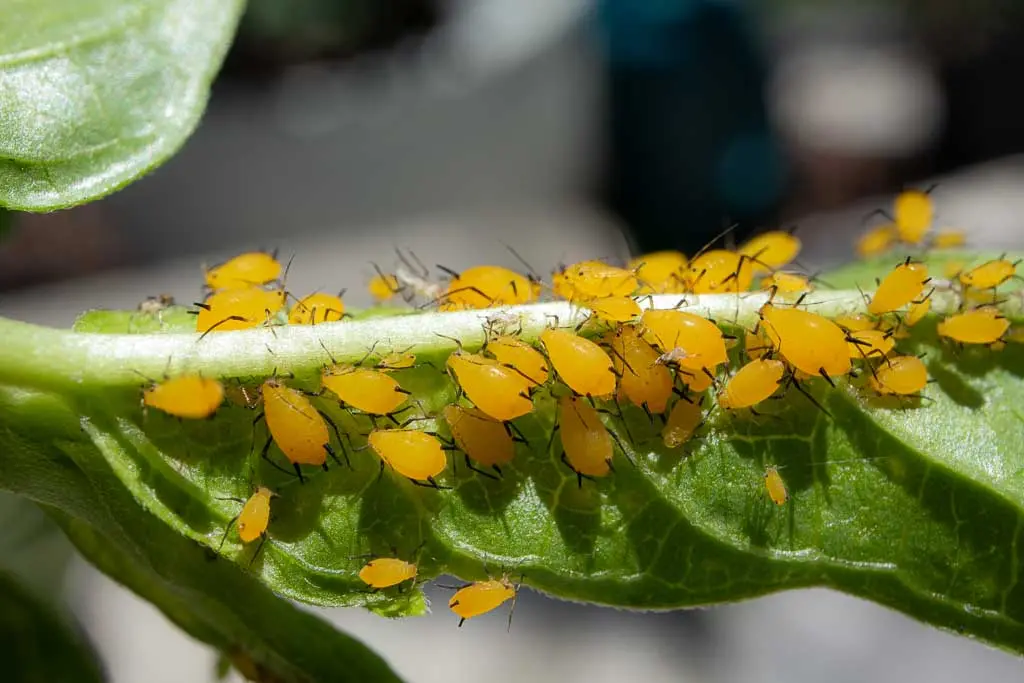
Pest infestations, such as aphids and mites, can lead to yellowing and distortion of apple tree leaves. Aphids are tiny insects that often cluster on the undersides of leaves, sucking out vital nutrients and affecting the overall health of the tree. On the other hand, spider mites are known to leave behind fine webbing and cause a speckled appearance on the affected leaves. These pests weaken the tree and hinder its ability to photosynthesize effectively, resulting in the yellowing of leaves.
To combat these pest infestations, integrated pest management strategies are crucial. Utilizing insecticidal soaps and neem oil can help control aphids and mites effectively. Neem oil, derived from the neem tree, acts as a natural pesticide and disrupts the pests’ growth and reproduction cycles. Timely application of these control measures is essential to safeguard apple trees from the damage caused by these infestations. Remember that addressing pest issues promptly is key to maintaining the health and vigor of your apple trees.
Disease Development

Disease development in apple trees, such as apple scab, can manifest as yellowing leaves with velvety spots on the surface. Fungal diseases thrive in wet and cool conditions, making apple trees vulnerable to infections like apple scab. Factors like reduced airflow around the tree, possibly due to its proximity to a fence, can further promote disease development. To combat this, consider pruning the tree’s interior to improve air circulation, reducing the risk of fungal infections. Additionally, fungicides are available as a preventive measure to control and manage diseases like apple scab effectively.
| Strategies to Combat Disease Development |
|---|
| – Prune tree to enhance airflow |
| – Apply fungicides preventively |
| – Monitor weather conditions |
| – Ensure proper tree spacing |
| – Remove infected leaves promptly |
Immediate Treatment Actions
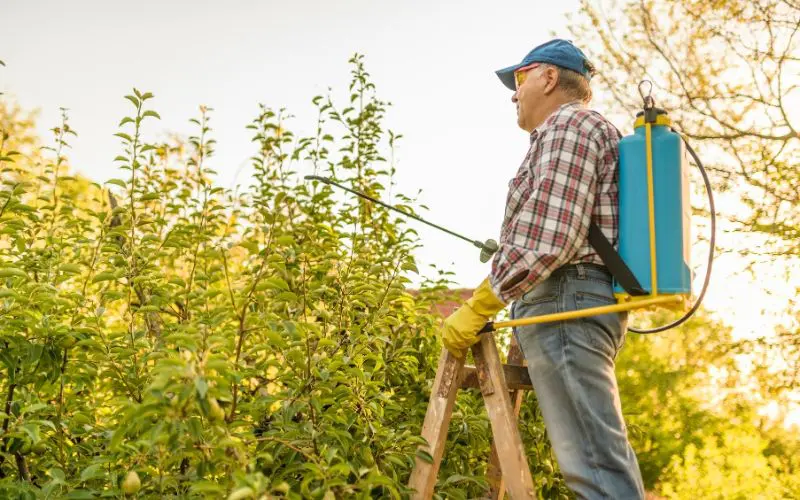
To address yellowing leaves in apple trees promptly, consider providing emergency feeding with balanced, water-soluble fertilizers as an immediate treatment action. When yellow leaves indicate a nutrient deficiency, quick action is crucial to restore the tree’s health. However, it is important to avoid over-fertilization, as this can lead to nutrient burn and further damage the tree. Moderation is key when applying quick fixes to prevent harm to the apple tree while addressing the issue efficiently. Balanced fertilization is essential for maintaining healthy apple trees and promptly addressing nutrient deficiencies. By providing the tree with the necessary nutrients through water-soluble fertilizers, you can help it recover and regain its vibrant green color. Remember, acting swiftly and appropriately can make a significant difference in the tree’s overall health and productivity.
Quick Nutrient Fixes
Addressing nutrient deficiencies in apple trees promptly through targeted interventions can effectively restore leaf color and overall tree health. When dealing with yellowing leaves, quick fixes are crucial to prevent further damage. Here are some expert tips for quick nutrient fixes:
- Emergency Feeding: Use water-soluble fertilizers to provide a rapid nutrient boost to the tree. This can help alleviate yellowing leaves caused by deficiencies efficiently.
- Moderation is Key: Avoid over-fertilizing, as this can lead to nutrient burn and exacerbate the issue. Applying the right amount of fertilizer is essential for a balanced approach.
- Act Swiftly: Quick action is necessary when yellowing leaves are noticed, as delaying treatment can worsen the tree’s condition. Timely interventions can help in restoring the tree’s health.
- Soil Testing: Conduct soil tests to identify specific nutrient deficiencies accurately. This will guide you in applying the appropriate fertilization to rebalance the soil and address the yellowing leaves effectively.
Pest Control Measures
Implementing integrated pest management strategies is crucial for effectively controlling common pests such as aphids, spider mites, and borers on apple trees. Aphids, known for clustering on the undersides of apple tree leaves, cause leaf curling and distortion. Spider mites, on the other hand, leave behind fine webbing and create a speckled appearance on apple tree leaves. To combat these pests, utilizing insecticidal soaps and neem oil with precision application is recommended. These methods can help manage aphid and spider mite populations without harming beneficial insects.
Integrated Pest Management (IPM) focuses on sustainable pest control by combining biological, cultural, physical, and chemical tools. When dealing with borers that can damage apple tree branches and trunks, it is essential to employ targeted treatments to minimize impacts on the surrounding ecosystem. By following IPM practices and addressing specific pest issues like aphids and spider mites promptly and accurately, you can effectively protect your apple trees from damage while preserving the overall health of the tree.
Long-Term Preventive Strategies
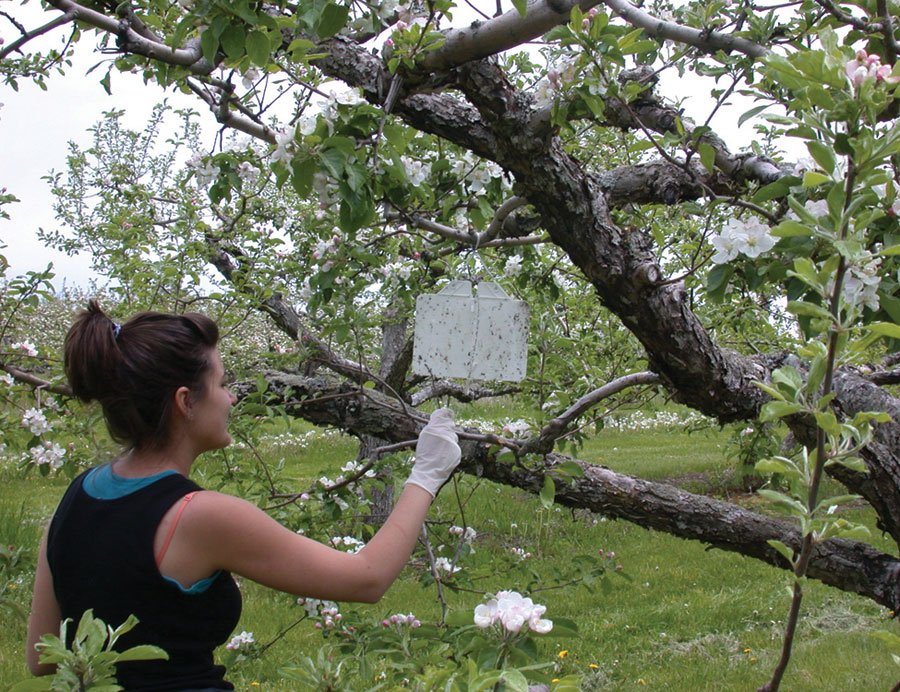
Maintaining optimal soil moisture levels is essential for the long-term health of apple trees and their ability to resist pests and diseases. Proper irrigation practices play a crucial role in ensuring consistent soil moisture for apple trees, preventing issues like yellowing leaves. To enhance the health and longevity of your apple trees, consider the following strategies:
- Implement a Regular Irrigation Schedule: Water your apple trees consistently, especially during dry periods, to prevent stress and leaf discoloration.
- Conduct Soil Testing: Regularly analyze the soil to monitor nutrient levels. Address any deficiencies promptly to maintain tree health and prevent yellowing leaves.
- Choose Disease-Resistant Varieties: Opt for apple tree varieties that are known to be resistant to common diseases like scab. This can help prevent issues that lead to yellow leaves.
- Prioritize Tree Maintenance: Regular pruning to improve airflow and reduce the risk of fungal diseases can contribute to the long-term health of your apple trees.
Soil Health and Fertilization
To ensure the optimal health and growth of apple trees, understanding soil health and implementing appropriate fertilization practices is key in addressing specific nutrient deficiencies that may lead to yellowing leaves. Soil testing plays a crucial role in identifying deficiencies such as nitrogen, iron, and magnesium, which can impact the color of apple tree leaves. Correcting soil pH levels using lime or sulfur is essential as it helps make vital minerals more accessible for absorption by apple tree roots. Supplemental feedings of iron, magnesium, or nitrogen compounds can effectively target and rectify these specific nutrient deficiencies. Balancing soil nutrition is fundamental for maintaining healthy apple trees and preventing the occurrence of yellowing leaves. It is important to ensure proper drainage in the soil and avoid over-fertilization, as these factors can significantly impact soil health and, subsequently, the growth and well-being of apple trees.
Pest Repellent Techniques
Effective pest management for apple trees involves utilizing integrated techniques to repel harmful pests while preserving the ecosystem’s beneficial insects. When dealing with pest repellents to address yellowing leaves on your apple trees, consider the following expert tips:
- Use insecticidal soaps and neem oil: These substances are effective in repelling common pests like aphids and spider mites without causing harm to beneficial insects.
- Apply pest repellents with precision: Ensure that you target the affected areas specifically to avoid unintended consequences on beneficial insects in the ecosystem.
- Monitor regularly and apply timely treatments: Keeping a close eye on your apple trees allows you to detect pest infestations early and apply repellents promptly to prevent significant damage.
- Protect against aphids: These pests are known to cause leaf curling and distortion, impacting the overall health of apple trees. Implementing proper pest control measures is crucial to safeguard your trees from damage and maintain a thriving orchard.
Disease Prevention Methods
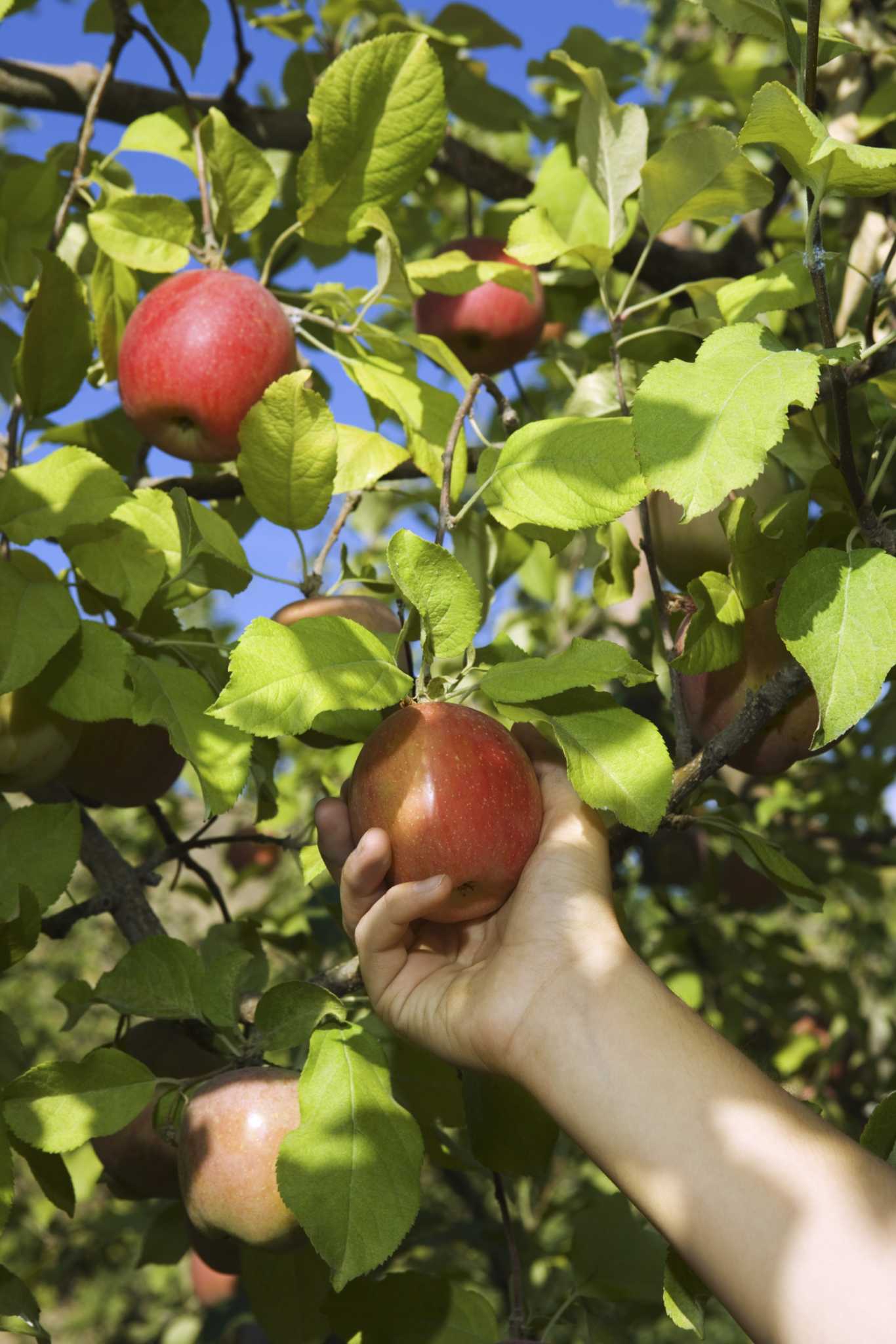
Implementing proper disease prevention methods for apple trees is essential to safeguard against common diseases and ensure the overall health and productivity of the orchard. To prevent yellowing and premature leaf drop, it is crucial to regularly spray apple trees with fungicides such as Immunox. These fungicides act as a protective barrier against fungal diseases that commonly affect apple trees, such as apple scab. Additionally, maintaining adequate airflow around the tree through proper pruning practices can further help in preventing fungal infections.
Early detection of diseases like Septoria and pests like aphids and mites is vital for effective treatment and prevention. Cedar Rust, a prevalent disease in many apple-growing regions, should be specifically considered in disease prevention strategies. When grafting different apple varieties onto one tree, it is important to tailor disease prevention measures according to the susceptibility of each variety. By incorporating these disease prevention methods, you can promote the long-term health and fruitfulness of your apple orchard.