

In Mississippi, you’ll discover a variety of hummingbird species – Ruby-throated, Rufous, Annas, Allens, Black-chinned, Broad-tailed, Calliope, White-eared, and occasionally Unidentified Hummingbirds. Each species showcases unique characteristics that enrich the local biodiversity. Their vibrant plumage colors, nesting habits, migration patterns, courtship displays, and vital role in pollination highlight their significance. Efforts by conservation groups involve preserving habitats, using sugar water feeders, and engaging the community for support. Identifying these tiny wonders involves observing size, color patterns, behavior, and consulting field guides for accurate recognition. Explore the fascinating world of hummingbirds in Mississippi.
1. Ruby-throated Hummingbird

The Ruby-throated Hummingbird, the sole hummingbird species that breeds east of the Mississippi River, is a well-known sight in Mississippi from mid-April to late summer. These tiny birds, with their iridescent green plumage and striking red throats on males, grace the state with their presence during the warmer months. In June, they engage in mating rituals and build their nests in the trees of Mississippi.
As late summer approaches, around late July, the Ruby-throated Hummingbirds bid farewell to Mississippi as they begin their journey back to their wintering grounds in Mexico and Central America. Their departure marks the end of their breeding season in the region for the year. During their time in Mississippi, these hummingbirds play a crucial role in pollination and add a touch of beauty with their swift movements and vibrant colors.
2. Rufous Hummingbird

In Mississippi, another notable hummingbird species that captures attention is the Rufous Hummingbird, recognized for its vibrant orange-red throat and green back. These seasonal visitors are known for their aggressive behavior, with male Rufous Hummingbirds fiercely defending their territories against other hummingbirds and even larger birds. Females, on the other hand, can be easily distinguished by their whitish, speckled throats and green backs. Rufous Hummingbirds are commonly spotted in gardens and near feeders, especially during their migration periods. These migratory birds travel long distances from their breeding grounds in the Pacific Northwest to wintering grounds in Mexico and Central America.
| Characteristic | Description |
|---|---|
| Throat Color | Vibrant orange-red for males, whitish and speckled for females |
| Back Color | Green |
| Behavior | Aggressive and territorial, known to chase away other hummingbirds and larger birds |
| Habitat | Gardens and areas near feeders during migration periods |
| Migration | Travel long distances from Pacific Northwest breeding grounds to Mexico and Central America |
3. Annas Hummingbird

Among the hummingbird species found in Mississippi, the Annas Hummingbird stands out for its distinctive characteristics and behaviors. When it comes to nesting habits, Annas Hummingbirds typically build their nests in trees or shrubs using plant fibers, down, and spider silk, camouflaging them with bits of lichen or moss. These nests are often positioned at heights ranging from 6 to 60 feet above the ground, providing safety from predators.
In terms of vocalizations, Annas Hummingbirds are known for their unique scratchy noises produced by males. These vocalizations are used not only for communication but also play a role in territorial defense. When it comes to feeding behavior, these hummingbirds primarily feed on nectar from flowers and sugar water from feeders. They are often seen visiting gardens and open woodlands where they can find ample food sources. Annas Hummingbirds’ feeding habits play a crucial role in pollination and maintaining the ecosystem’s biodiversity.
4. Allens Hummingbird
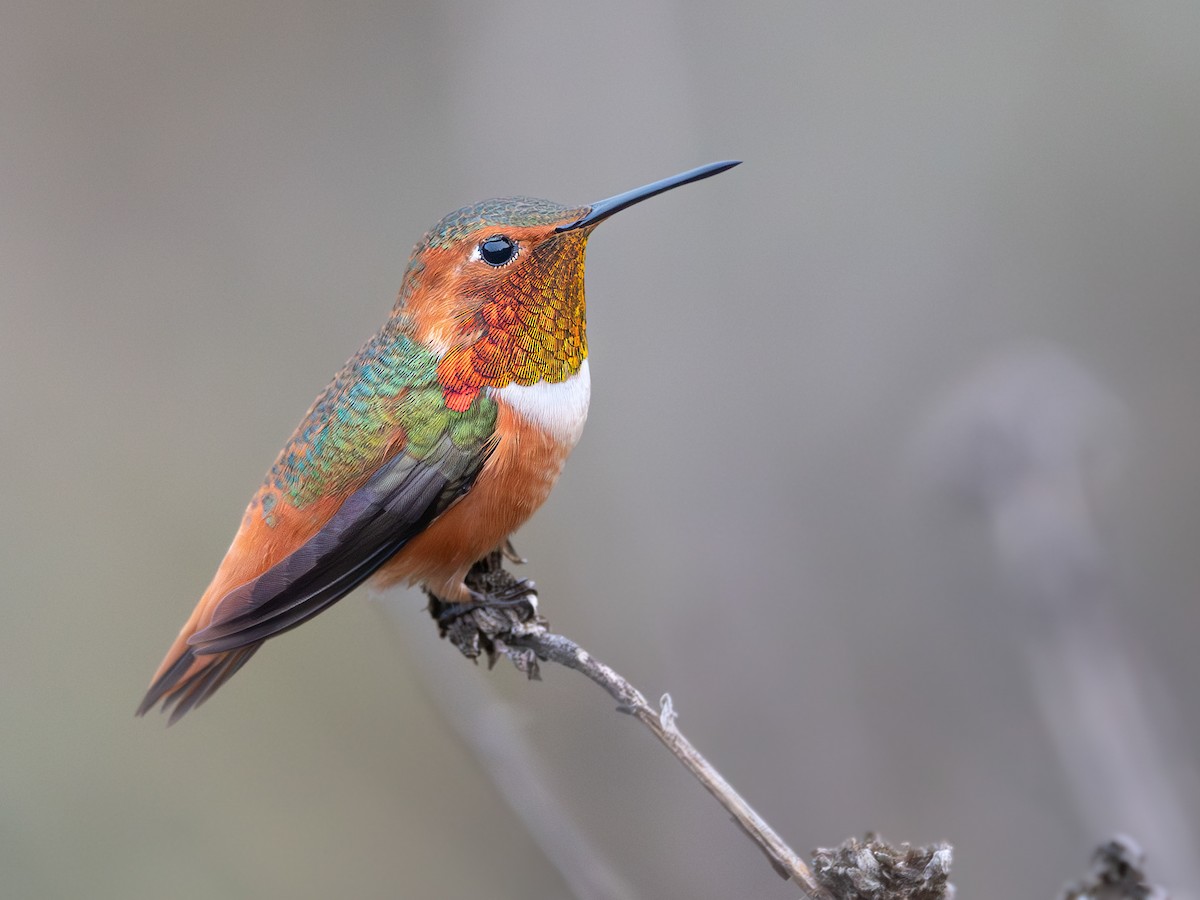
Rarely sighted in Mississippi, Allens Hummingbirds are known for their distinctive green backs and vibrant throat colors. Male Allens Hummingbirds display a range of orange-red to yellow-orange coloring on their throats, while females feature dark upper bills. The metallic olive color of the male’s back and head further distinguishes this species. When it comes to nesting habits, Allens Hummingbirds typically build their nests in trees using plant fibers and downy materials, placing them at varying heights off the ground. Their migration patterns involve moving along the Pacific Coast during breeding and then heading south to Mexico for the winter.
To give you a better understanding, here is a table detailing more about Allens Hummingbirds:
| Aspect | Details |
|---|---|
| Feeding preferences | Allens Hummingbirds prefer nectar from tubular flowers and feeders with sugar water. They also catch insects in mid-air. |
| Territorial behavior | These hummingbirds can be aggressive in defending their feeding territories, often chasing away intruders. |
| Habitat requirements | Allens Hummingbirds thrive in wooded areas, gardens, and coastal scrublands with ample nectar sources. |
5. Black-chinned Hummingbird

The Black-chinned Hummingbird, a rare visitor to Mississippi, is distinguished by the black, shimmering throat of the males with a purple edge. These tiny birds exhibit interesting migration patterns, typically being spotted in the state during their seasonal movements. During breeding season, they can be found from the western United States down to Mexico, where they prefer open woodlands, brushy areas, and desert habitats.
In terms of breeding habits, Black-chinned Hummingbirds are known for their elaborate courtship displays, with males performing aerial shows to attract females. The females, on the other hand, build their cup-shaped nests using plant fibers and downy materials, placing them in sheltered locations for protection.
Plumage variations between males and females are striking. While the males showcase the dark, iridescent throat that gives them their name, females exhibit a more subtle appearance with a white throat adorned with green speckles and a pale buffy belly. Keep an eye out for these remarkable birds during migration in Mississippi’s diverse habitats.
6. Broad-tailed Hummingbird
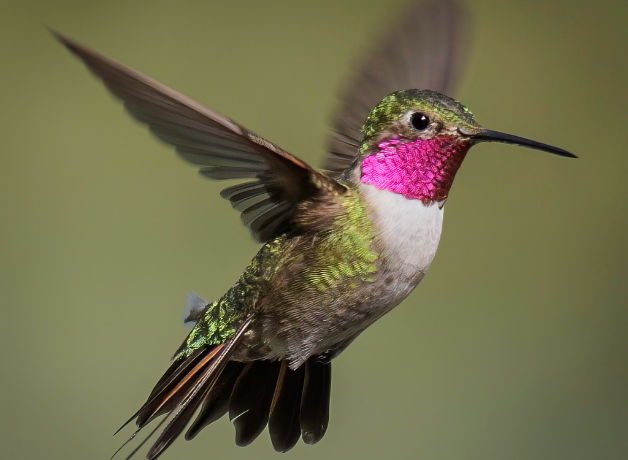
Broad-tailed Hummingbirds, like the Black-chinned Hummingbirds previously discussed, are also seldom seen in Mississippi but are recognizable by their bright rose-red throats and iridescent green plumage. These hummingbirds have intriguing migration patterns, often breeding in the western U.S. and Mexico, with occasional sightings in the Southeast during migration. They prefer montane meadows and open woodlands for habitat, where they can find ample nectar sources for feeding.
During courtship, male Broad-tailed Hummingbirds perform elaborate dive displays to attract females. They build their nests in coniferous trees, carefully weaving plant fibers and spider silk together. These tiny birds fiercely defend their territory, engaging in aerial chases and vocalizations to deter intruders.
Broad-tailed Hummingbirds primarily feed on flower nectar but also consume small insects for protein. Their territoriality is evident at nectar-rich feeding sites, where they fiercely guard against other hummingbirds encroaching on their food sources.
7. Calliope Hummingbird
![Calliope hummingbirds are the smallest birds in the US, weighting only 2-3 grams! They feed on nectar and help pollinate many species of flowering plants [OC] : r/Awwducational](https://i.redd.it/jb2035u2mt991.jpg)
In Mississippi, sightings of Calliope Hummingbirds are sporadic due to their rarity as accidental visitors to the state. These tiny hummingbirds, with males boasting a vibrant magenta throat, are the smallest breeding birds in North America. Females exhibit green backs and white underparts with dusky streaking on the throat. Calliope Hummingbirds primarily breed in mountainous regions of the western United States and Canada. Their habitat consists of coniferous forests, meadows, and shrubby areas at higher elevations.
During migration, Calliope Hummingbirds typically travel along the Pacific coast and through the Rocky Mountains. Their population trends are not well-documented, but they face threats from habitat loss and climate change impacting their breeding grounds. Calliope Hummingbirds are known for their distinctive high-pitched, insect-like buzzing vocalizations. Keep an eye out for these rare visitors in Mississippi, as their unique features and behaviors make them a fascinating sight for birdwatchers lucky enough to spot them.
8. White-eared Hummingbird
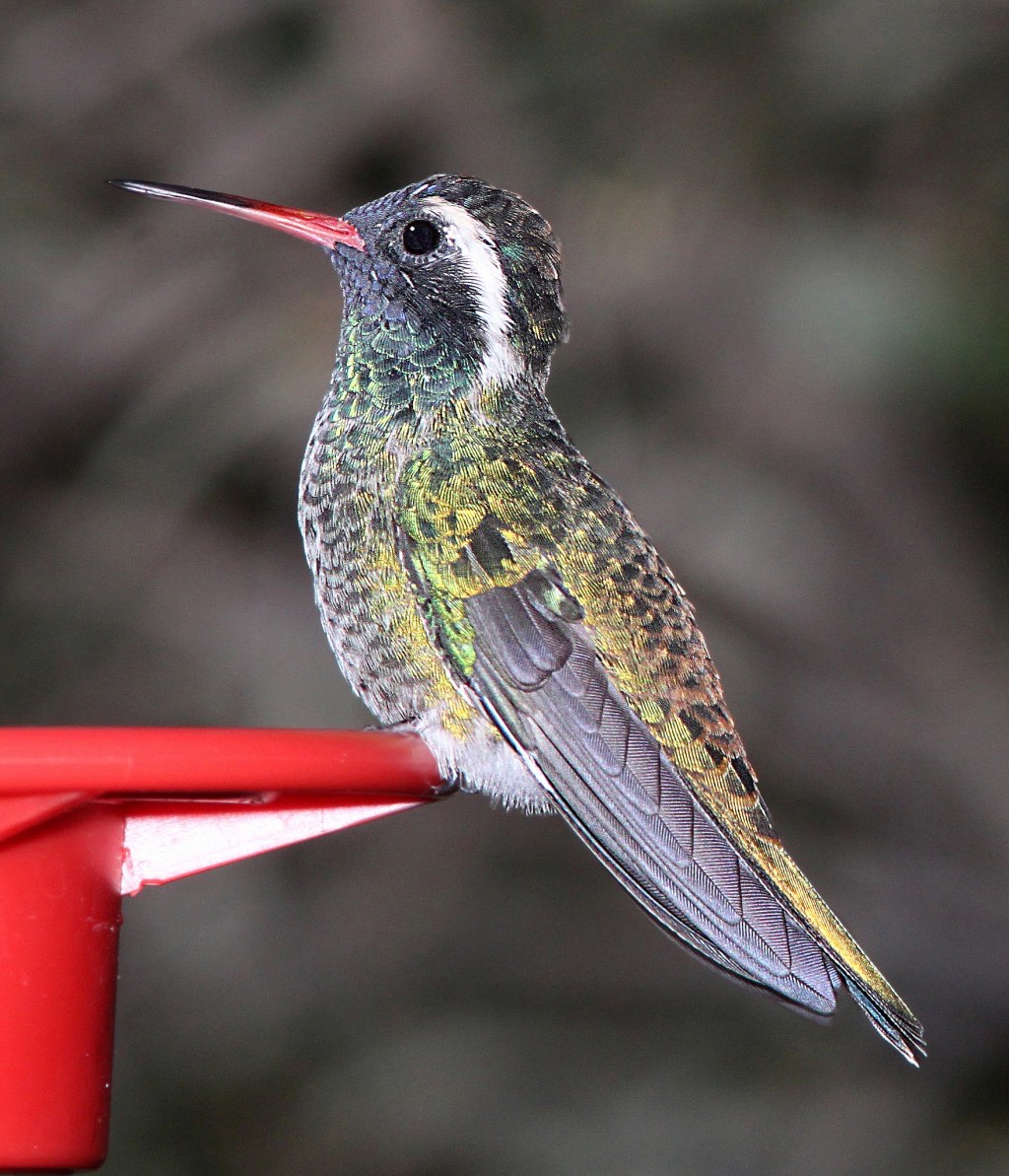
Occasionally reported as a rare vagrant in Mississippi, the White-eared Hummingbird is recognized for its striking white patch behind the eye contrasting with its green and white plumage. These small birds, with their black bills and dark wings, are further distinguished by the vibrant red throat displayed by males. Typically found breeding in Mexico and Central America, the appearance of White-eared Hummingbirds in Mississippi is uncommon. Given their rarity in the region, sightings of these hummingbirds are crucial for research and conservation efforts. Birdwatchers play a vital role in monitoring and reporting White-eared Hummingbird sightings to contribute valuable data that can aid in understanding their behaviors and habitat needs. Protecting these delicate creatures is essential to ensuring their continued presence in the wild, highlighting the importance of conservation initiatives to safeguard their populations and preserve their unique beauty for future generations.
9. Unidentified Hummingbirds

When encountering an unidentified hummingbird in Mississippi, observe key characteristics such as size, color patterns, and behavior to aid in accurate identification. To differentiate between hummingbird species, consider the following:
- Behavior Observation: Pay attention to how the bird feeds, hovers, or interacts with other hummingbirds. Behavior can provide valuable clues for species identification.
- Species Differentiation: Look for specific traits like throat color, tail shape, and wing patterns that are unique to certain hummingbird species. These features can help narrow down the possibilities.
- Field Guide Consultation: Consult field guides specific to Mississippi birds or hummingbirds to compare visual cues and descriptions. Field guides can be valuable resources for identifying unknown species.
- Reporting Sightings, Citizen Science Contributions: If you encounter an unfamiliar hummingbird, report your sighting to local birding groups or online platforms dedicated to birdwatching. Contributing your observation can aid in citizen science efforts and help track rare or unusual hummingbird species in Mississippi.
10. Conservation Efforts

Conservation efforts for hummingbirds in Mississippi predominantly revolve around safeguarding their habitats through strategic planting of native flora and the provision of sugar water feeders. Habitat restoration plays a crucial role in creating suitable environments for these tiny birds to thrive. Community engagement is also key, with organizations such as the Mississippi Audubon Society and events like the Hummingbird Migration Celebration working to educate the public on the significance of protecting hummingbirds. Pollinator-friendly gardening practices, along with environmental education initiatives, further support the conservation of these delicate creatures. Establishing wildlife corridors and promoting sustainable landscaping practices aid in preserving essential foraging and nesting spaces for hummingbirds. By encouraging backyard birdwatching and participation in citizen science projects like eBird, individuals can actively contribute to monitoring hummingbird populations and migration patterns. Additionally, supporting legislation that safeguards natural areas and regulates pesticide usage is vital in ensuring the long-term survival of hummingbirds and other wildlife. Collaborating with researchers and conservationists to study and track hummingbird populations helps inform effective conservation strategies and management plans.