

If your hydrangea leaves are turning yellow, it could be from too much sunlight, dry soil causing dehydration, or nutrient deficiencies. Ensure your plant gets the right amount of light and consider adjusting its placement. Check soil moisture and water deeply to prevent dryness. Address any nutrient deficiencies promptly to keep your leaves vibrant. Manage heat stress by providing partial shade. Monitor soil moisture levels consistently to maintain hydration. Inspect for diseases and remove infected leaves promptly. Take steps to prevent further leaf yellowing and keep your hydrangea healthy.
Excessive Sunlight Exposure
Excessive exposure to sunlight can lead to yellowing of hydrangea leaves, a condition known as leaf scorch. When hydrangeas are subjected to too much direct sunlight, it can cause stress on the plant, resulting in the yellowing of leaves. This yellowing typically affects leaves that are exposed to intense light for extended periods. To prevent this, it is advisable to provide partial sun or filtered light to your hydrangeas. By monitoring sunlight exposure and adjusting the placement of your plants accordingly, you can help maintain the health of their leaves. This proactive approach can ensure that your hydrangeas do not suffer from the effects of excessive sunlight exposure, ultimately preserving the beauty and vibrancy of their foliage. Remember, proper care and attention to sunlight exposure are crucial in preventing your hydrangea leaves from turning yellow due to excessive sun exposure.
Dehydration From Dry Soil

Dehydration from dry soil is a common cause of yellowing hydrangea leaves. When the soil lacks moisture, the hydrangea plant struggles to absorb water and essential nutrients, leading to stress and yellow foliage. To address this issue effectively, follow these expert tips:
- Check Soil Moisture Regularly: Use a moisture meter or simply stick your finger into the soil to gauge its dryness. Ensure the soil is consistently moist but not waterlogged to keep hydrangeas hydrated.
- Water Hydrangeas Properly: Provide adequate water to your hydrangeas, especially during hot and dry periods. Deep watering less frequently is preferable to shallow watering daily, as it encourages the plant’s roots to grow deeper into the soil.
- Mulch Around Plants: Apply a layer of organic mulch around the base of hydrangea plants to help retain soil moisture and regulate temperature, reducing the risk of dehydration and yellowing leaves.
Iron Deficiency Symptoms
To distinguish between dehydration symptoms caused by dry soil and those resulting from iron deficiency in hydrangeas, observe the yellowing leaves closely, noting if the young leaves show yellowing while the veins remain green. Iron deficiency in hydrangeas can manifest as yellowing leaves due to its impact on chlorophyll production. Chlorophyll is essential for the plant’s ability to photosynthesize and maintain its green color. When hydrangeas lack sufficient iron, chlorophyll production is hindered, leading to yellow leaves. This deficiency typically starts in the newer leaves of the plant, affecting their vibrancy. Ensuring healthy iron levels in hydrangeas is crucial to prevent yellowing and maintain lush, green foliage. Addressing iron deficiency through proper fertilization can help hydrangeas regain their vibrant color and overall health. By recognizing these symptoms and understanding the importance of iron for chlorophyll production, you can effectively address and prevent yellow leaves in your hydrangea plants.
Addressing Nutrient Deficiencies
Address nutrient deficiencies in hydrangeas promptly to prevent yellowing leaves and maintain plant health. Nutrient deficiencies like iron, nitrogen, and magnesium can lead to yellow leaves in hydrangea flowers. Here are some expert tips to address these deficiencies effectively:
- Soil Testing: Conduct a soil test to identify specific nutrient deficiencies present in the soil. This will help determine the exact fertilizers needed for your hydrangeas.
- Adjusting pH: Use sulfur or aluminum sulfate to lower the pH of the soil if iron deficiency is detected. This adjustment can enhance iron availability to the plants and alleviate yellowing of leaves.
- Feeding Schedule: Follow recommended feeding schedules and monitor the plant’s response closely. Regularly supplying potassium and phosphorus can help prevent nutrient deficiencies that contribute to yellow leaves in hydrangeas.
Impact of Heat Stress
:max_bytes(150000):strip_icc()/SPR-why-your-hydrangea-has-brown-spots-and-how-to-fix-it-8685562-4043b40dc654457ebc84e937fd0aaf99.jpg)
Excessive sunlight exposure can result in hydrangea leaves turning yellow due to heat stress. When hydrangeas endure high temperatures, they may exhibit leaf scorch and yellowing, signaling their struggle to cope with intense sunlight. Plants situated in full sun are particularly susceptible to heat stress and the subsequent yellowing of leaves. The yellow leaves are a visible indicator of the plant’s distress under such conditions. To mitigate heat stress and prevent yellowing leaves, consider providing hydrangeas with partial shade or filtered light. These simple adjustments can help safeguard your plants against the detrimental effects of excessive heat and sunlight. By being mindful of the impact of heat stress on hydrangeas and taking proactive measures to shield them from intense sunlight, you can promote healthier foliage and vibrant blooms. Remember, a little shade can go a long way in preserving the beauty of your hydrangea plants.
Common Fungal Infections
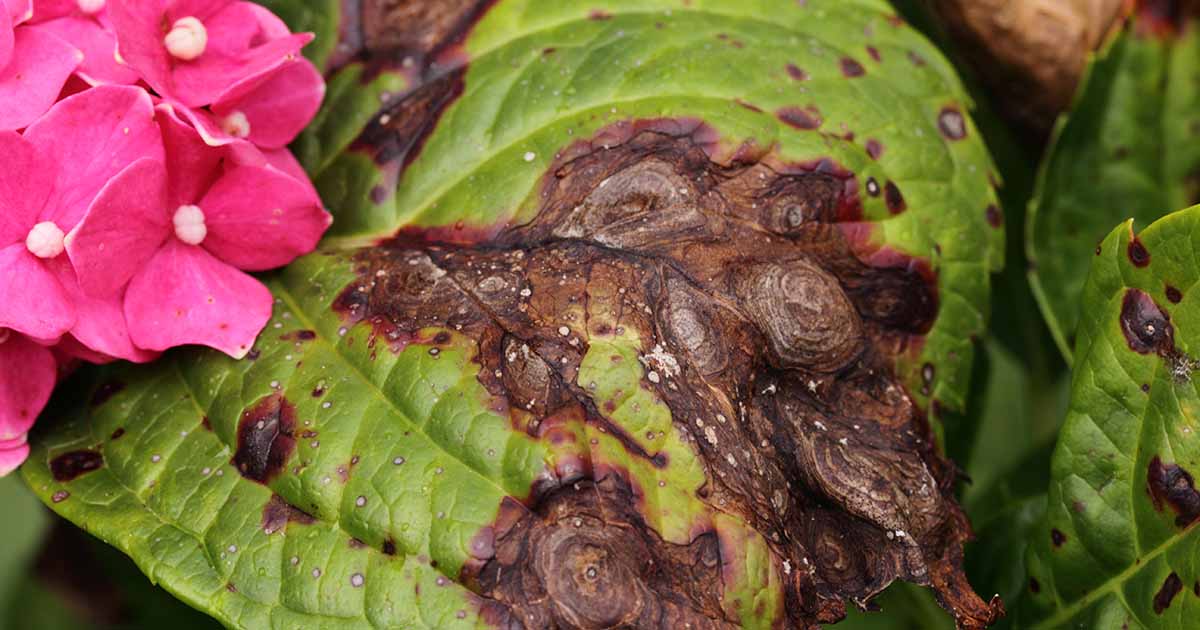
Hydrangea leaves turning yellow can often be attributed to common fungal infections such as powdery mildew and botrytis. These fungal diseases can impact the health and aesthetics of your hydrangea plants. Here’s what you need to know:
- Identification: Powdery mildew manifests as a white, powdery coating on leaves, while botrytis causes brown spots and yellowing, often leading to wilting.
- Environmental Factors: Fungal infections thrive in humid environments, making hydrangeas susceptible during periods of high moisture.
- Management: To combat fungal infections, focus on improving air circulation around the plant, prune affected areas promptly, and consider fungicidal treatments as recommended. Regularly inspecting your hydrangea leaves for early signs of fungal infections is crucial to maintain plant health.
Inadequate Watering Practices
How can inadequate watering practices contribute to the yellowing of hydrangea leaves? Yellow leaves on hydrangea plants are often a sign of stress, and one of the primary culprits behind this stress is inadequate watering practices. Hydrangeas require consistent moisture levels, especially during hot weather, to thrive. When they don’t receive enough water, the plants become stressed, leading to the yellowing of leaves. Proper watering techniques involve deep soaking to ensure that the roots receive adequate hydration. Monitoring soil moisture levels is crucial in preventing yellow leaves on hydrangeas. By maintaining the right balance of moisture in the soil, you can help your hydrangeas stay healthy and vibrant. Remember, prevention is key when it comes to yellowing leaves caused by inadequate watering practices. So, make sure to water your hydrangeas properly and regularly to keep them looking their best.

Assessing Environmental Factors
To identify the factors contributing to the yellowing of hydrangea leaves, it is important to assess environmental conditions such as sunlight exposure and soil moisture levels. When evaluating environmental factors that may be causing yellow leaves on hydrangeas, consider the following:
- Sunlight Exposure: Hydrangeas need the right balance of sunlight. Excessive sunlight exposure can lead to yellowing of leaves. Ensure your hydrangeas are placed in areas with partial sun or filtered light to prevent leaf discoloration.
- Soil Moisture Levels: Proper soil moisture is crucial for hydrangeas. Dry soil can result in yellow leaves. Monitor soil moisture regularly and provide adequate water to keep the soil consistently moist but not waterlogged.
- Environmental Stress: Heat stress and lack of water can also contribute to yellowing. Address any environmental stress factors promptly to prevent further yellowing of hydrangea leaves.
Sunlight Requirements for Hydrangeas
Partial shade or filtered sunlight is ideal for maintaining the health and vibrancy of hydrangea foliage. Hydrangeas are sensitive to direct sunlight, which can lead to yellowing leaves. Too much exposure to sunlight can cause leaf scorch and discoloration in hydrangeas, ultimately affecting the overall appearance of the plant. By providing optimal sunlight conditions, you can ensure that your hydrangeas display healthy, green leaves.
Hydrangeas thrive in locations that offer protection from intense sunlight, especially during the hottest parts of the day. When planting hydrangeas, consider areas that receive morning sun and afternoon shade or dappled sunlight through trees. This balance of light exposure helps prevent yellow leaves and encourages lush growth. If your hydrangea leaves are turning yellow, assess the amount of sunlight they are receiving and consider adjusting their placement to a more suitable location with partial shade. Remember, maintaining the right balance of sunlight is key to promoting the beauty of your hydrangea plants.
Importance of Soil Moisture Levels

Maintaining proper soil moisture levels is fundamental for ensuring the health and vibrancy of hydrangea foliage. Here are three essential points to consider regarding soil moisture levels and hydrangea leaves:
- Consistent Moisture: Hydrangeas thrive in soil that is consistently moist but not waterlogged. Overwatering can lead to root rot and yellowing leaves, while underwatering can stress the plant, causing discoloration.
- Monitoring and Adjusting: Regularly check the soil moisture around your hydrangea plants. Adjust your watering routine based on the plant’s needs. This proactive approach can help prevent yellowing of the leaves due to improper moisture levels.
- Mulching Benefits: Applying mulch around the base of hydrangea plants can help retain soil moisture. Mulch acts as a protective barrier, preventing rapid evaporation and keeping the roots adequately hydrated. This practice can reduce the risk of yellow leaves caused by dry soil conditions.
Treating Nutrient Deficiencies
For effectively addressing nutrient deficiencies in hydrangeas, conduct a soil test to identify specific imbalances requiring targeted treatment. Testing the soil will reveal which nutrients are lacking, allowing you to choose the most appropriate course of action. Once the nutrient deficiencies are identified, use targeted fertilizers rich in the lacking nutrients to correct the imbalance. Additionally, ensure the soil pH levels are suitable for optimal nutrient uptake by the hydrangea plant. Adjusting the pH as needed will enhance the plant’s ability to absorb nutrients effectively. Follow recommended feeding schedules to provide a consistent supply of nutrients for the plant’s growth and development. Monitor the hydrangea’s response to the treatment to assess the effectiveness of correcting the nutrient deficiencies. By addressing nutrient deficiencies promptly and accurately with targeted fertilizers and proper soil pH management, you can help your hydrangeas thrive and maintain their health and vibrancy.
Prompt Disease Management
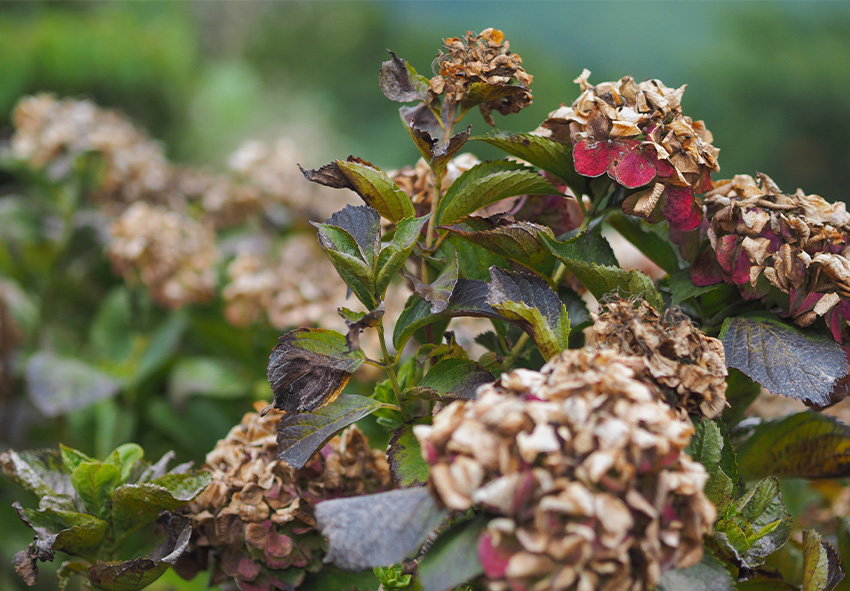
Effective disease management in hydrangeas necessitates timely intervention to prevent the escalation of infections and preserve plant health. When dealing with diseased leaves on your hydrangea plant, follow these steps for good disease management:
- Early Detection: Regularly inspect your plant’s leaves for any signs of disease, such as yellowing, spots, or wilting. Early detection allows for prompt treatment before the disease spreads further.
- Sanitation Practices: Maintain good sanitation practices by removing any infected leaves immediately. This helps prevent the spread of disease to other parts of the plant and neighboring plants.
- Consultation: If you’re unsure about the disease affecting your hydrangea or the appropriate treatment, seek advice from a gardening expert or your local extension office. They can provide specific guidance on disease management strategies tailored to hydrangeas.
Preventing Further Leaf Yellowing
Regularly adjusting the soil pH, monitoring moisture levels, and providing appropriate light conditions are key steps in preventing further yellowing of hydrangea leaves. When addressing older leaves showing signs of yellowing due to nitrogen deficiency, it is crucial to adjust the soil pH to ensure proper nutrient uptake and overall plant health. Alongside this, maintaining adequate moisture levels through regular monitoring and watering practices is essential in preventing further leaf discoloration. Additionally, offering hydrangeas partial sun or filtered light will help avoid excessive sunlight exposure, which can contribute to leaf yellowing issues. For a quick overview of preventative measures, refer to the table below:
| Preventative Measure | Description | Importance |
|---|---|---|
| Adjust soil pH | Counteracts nitrogen deficiency and prevents iron deficiency in hydrangea plants. | Essential for nutrient absorption. |
| Monitor moisture levels | Ensures proper hydration and prevents stress-induced yellowing of the leaves. | Vital for overall plant health. |
| Provide appropriate light conditions | Prevents excessive sunlight exposure, which can lead to leaf yellowing. | Crucial for maintaining leaf color. |
Ensuring Hydrangea Health
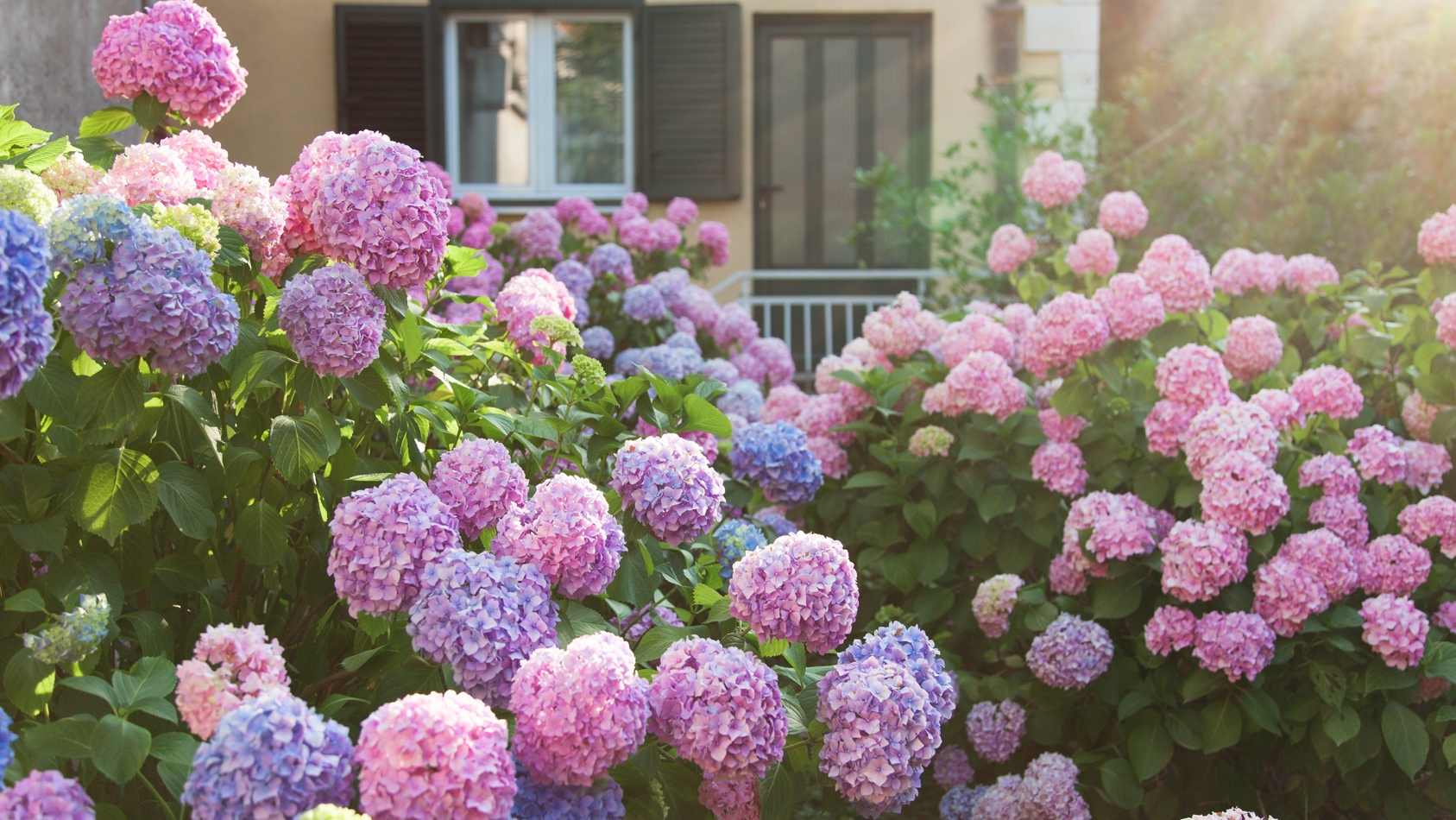
Maintaining optimal nutrient levels, proper watering practices, and adequate sunlight exposure are essential factors in ensuring the health of your hydrangea plants. To keep your hydrangeas healthy and vibrant, follow these expert tips:
- Monitor Nutrients in the Soil: Yellowing leaves may signal deficiencies in essential nutrients like iron, nitrogen, or magnesium. Regularly check the soil to ensure your hydrangeas are receiving the necessary nutrients for optimal growth.
- Adjust Soil pH Levels: Soil pH plays a critical role in nutrient availability. Monitor and adjust the pH levels to address specific nutrient deficiencies causing yellow leaves and promote overall plant health.
- Implement Proper Watering Practices: Overwatering or underwatering can stress hydrangeas, leading to yellow leaves. Ensure consistent moisture levels by watering deeply but infrequently, allowing the soil to dry slightly between waterings.