

I’ve uncovered that early flowering in bell peppers is often caused by high temperatures, insufficient light, and nutrient imbalances, particularly excess nitrogen. To address this, you’ll want to maintain optimal daytime temperatures around 75-80°F and ensure the plants get 6-8 hours of direct sunlight. Keep the soil’s nitrogen levels in check, shifting towards a fertilizer higher in phosphorus and potassium as the season progresses. Pruning early buds can also redirect energy to strengthen plant growth. I’ll show you how tailored adjustments in these areas can significantly enhance your bell pepper plants’ health and productivity.
Understanding Early Flowering
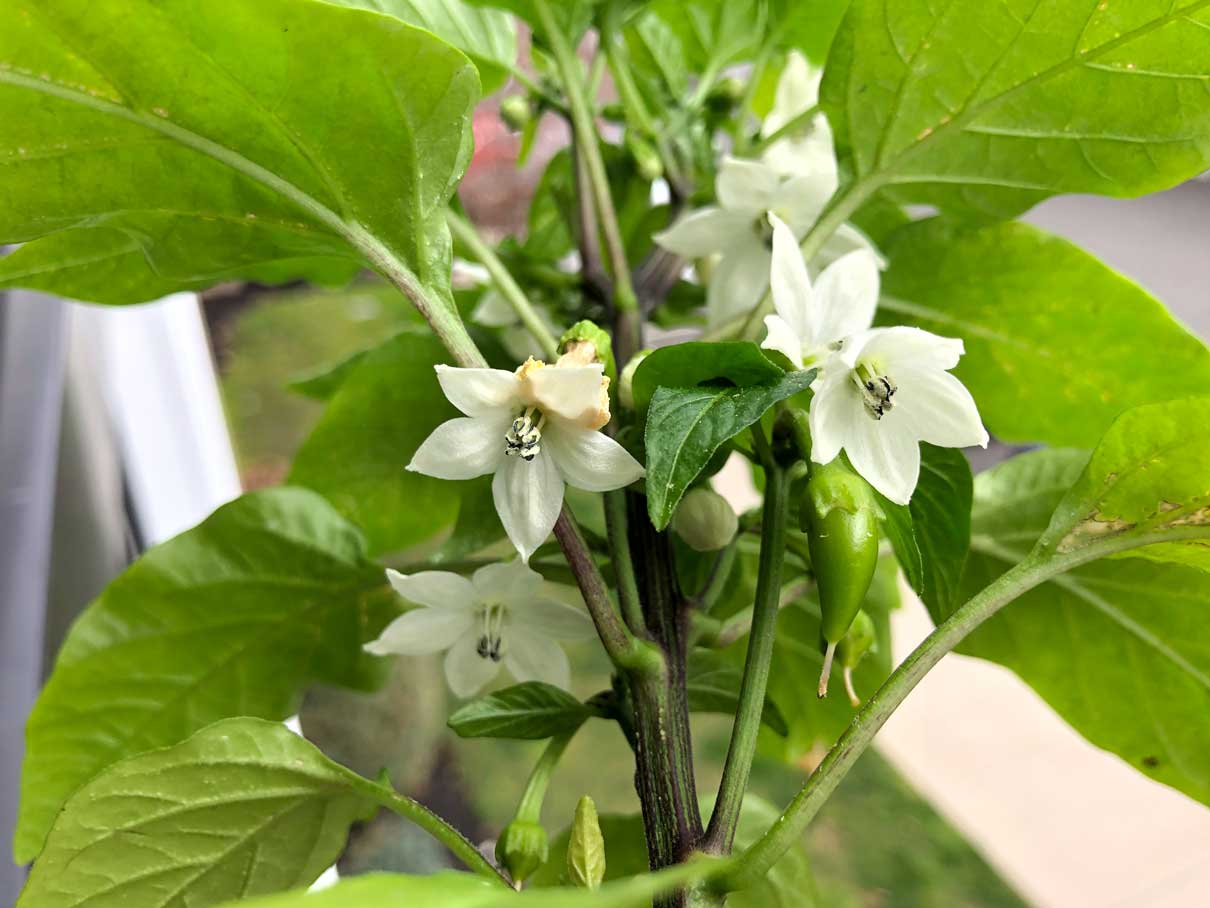
While high temperatures often trigger early flowering in bell peppers, it’s crucial to understand the interplay of various stress factors that can prompt these plants to bloom prematurely.
Insufficient light exposure, for example, can stress bell peppers significantly. When they receive less than 12 hours of light daily, the plants might compensate by producing early flowers, a clear sign of attempting to accelerate their reproductive phase.
Similarly, nutrient imbalances, particularly an excess of nitrogen, can disrupt normal growth patterns, leading to premature flowering. Adjusting the greens to browns ratio in the soil can help manage nitrogen levels, promoting healthier growth and delaying early flowering.
Furthermore, genetic predisposition plays a role; certain varieties inherently reach flowering age sooner due to their genetic makeup, irrespective of environmental stress.
Recognizing these factors is essential for managing and potentially mitigating early flowering in bell peppers.
Temperature and Flower Development
Temperature plays a pivotal role in the development of bell pepper flowers. High temperatures above 100°F can cause flower buds to drop, severely impacting bell peppers. Conversely, when temperatures dip below 55°F, you’ll need protective measures to shield your plants from stress.
Optimal growth occurs with daytime temperatures between 75-80°F and night temperatures above 60°F. Maintaining these soil temperatures is crucial as it fosters healthy flower development and prevents premature blooming. Moreover, consistent exposure to these ideal conditions promotes plant health and ensures a robust fruit set.
However, remember that fluctuations in temperature, especially during blooming, can significantly alter the health of your plants and their subsequent fruit production.
Additionally, healthy pollinator populations are vital for the effective pollination of bell peppers, enhancing fruit quality and yield.

Nutrient Impact on Flowering
Building on the understanding of temperature’s role in flower development, it’s important to recognize how nutrients also influence the flowering of bell peppers. Excess nitrogen can lead to lush foliage at the expense of fruit as the plant shifts focus to vegetative growth, often triggering premature flowering.
Similarly, a nutrient imbalance, especially insufficient potassium and phosphorus, can stress peppers into early blooming as a survival response. It’s crucial to ensure balanced nutrition to support not just growth but also reproductive processes, as the right levels of phosphorus strengthen root systems and potassium enhances resilience, which are vital for the overall health and flowering of bell peppers.
Regular soil testing is crucial to detect these imbalances and adjust fertilization practices accordingly. By maintaining soil temperature above 70°F and ensuring balanced nutrition, particularly during early stages, we can prevent stress-induced early flowering and instead promote healthy fruit production, aligning with optimal growth conditions for bell peppers.
Watering Practices for Peppers
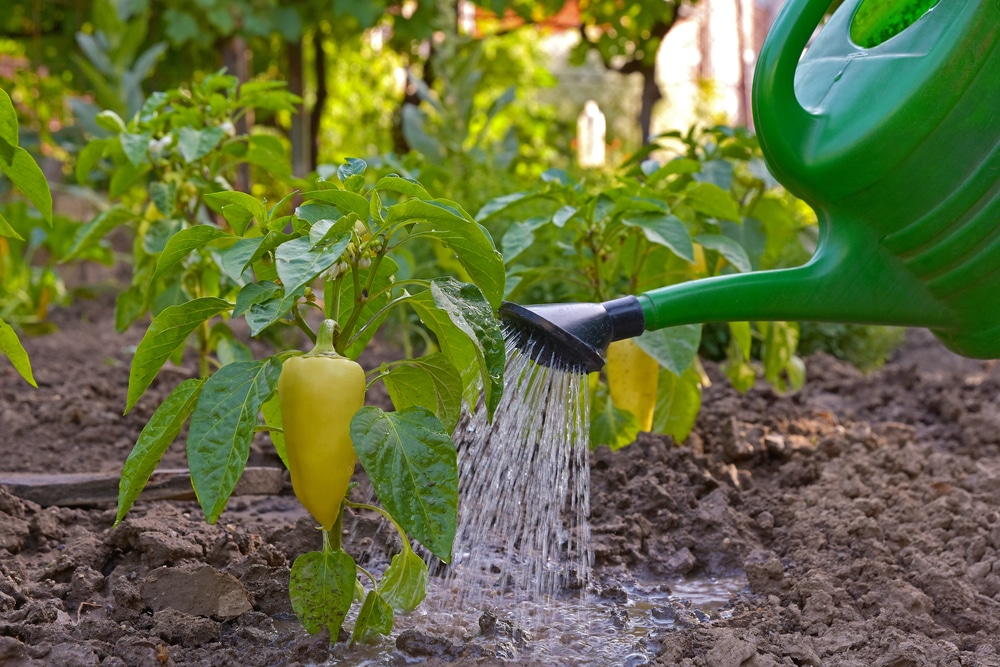
Often, gardeners unintentionally over-water their pepper plants, not realizing that these crops actually flourish when the soil nearly dries out between watering sessions.
To support healthy growth and prevent issues like flower drop, it’s crucial to implement effective watering practices. Ensuring good soil moisture without over-watering involves checking the soil’s dryness before each watering.
During hot weather, adjust your watering frequency to maintain consistent moisture but avoid waterlogged conditions, which can harm root health.
Furthermore, integrating excellent drainage practices is essential. Using well-draining soil and pots with adequate drainage holes helps prevent excess water retention.
Pruning Early Pepper Flowers
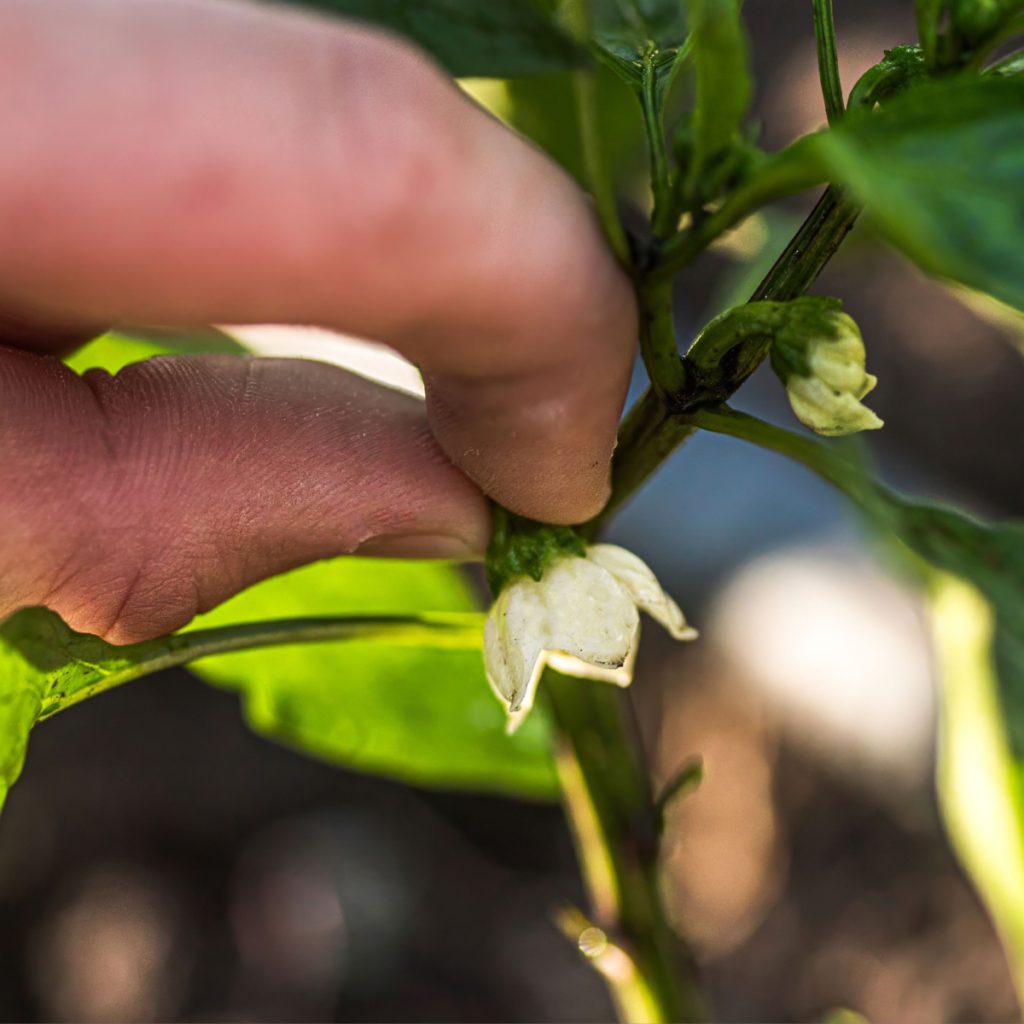
Pruning early pepper flowers can significantly enhance the vigor of your plant by redirecting energy towards strengthening the root system and foliage.
If you’re nurturing a fast-growing pepper variety like jalapeños, it’s wise to remove these early flowers within the first 3-4 weeks after transplanting. This promotes healthier growth by focusing the plant’s resources on developing robust leaves and roots.
Conversely, for slower-growing types such as ghost peppers, consider leaving early buds intact to support eventual fruit production.
Always prune before mid-June to ensure your peppers have established themselves well. Use tweezers or pruning shears for this task to prevent damage to the surrounding foliage, and wait till buds are large enough for easier handling.
Selecting the Right Soil
Selecting the right soil is essential for cultivating healthy bell peppers, as the balance of drainage and nutrient content significantly influences plant growth and fruit quality. Here are key considerations:
- Well-Draining Capacity: Choose soil that supports adequate moisture retention yet allows excess water to escape. This prevents root suffocation and stress, which can lead to early flowering.
- Soil pH: Aim for a pH between 6.0 and 6.8. This range helps in maintaining optimal nutrient availability, crucial for preventing nutrient deficiencies that can affect plant health and development.
- Organic Potting Mixes: Utilize mixes enriched with compost. These enhance soil structure, promote healthy root development, and offer a balanced nutrient supply, reducing the risk of early flowering.
Regular soil testing can further refine these conditions, ensuring your bell peppers thrive.
Fertilization Techniques

In transitioning from soil selection to fertilization strategies, it’s crucial to understand the nutritional demands of bell peppers throughout their growth stages.
Early growth calls for higher nitrogen fertilizers like Fox Farm Grow Big to boost foliage. Yet, as the peppers mature, it’s vital to switch to lower nitrogen fertilizers by mid-July. This shift prevents excessive leaf development, which can sacrifice flower and fruit production.
Regular soil tests are key to identifying nutrient deficiencies and ensuring a balanced approach, essential to avoid flower drop and encourage a healthy fruit set.
During the bloom stage, utilizing fertilizers with higher phosphorus and potassium, and lower nitrogen, can significantly enhance fruit yield.
Sunlight Exposure Considerations
Understanding the crucial role of sunlight in bell pepper cultivation helps us optimize growth and prevent stress-induced issues such as early flowering. Bell pepper plants thrive with 6-8 hours of direct sunlight daily. This specific range is vital not only for optimal growth but also to sidestep the complications that arise from insufficient light, such as stress-induced early flowering.
Key considerations include:
- Monitoring Light Exposure: Regularly assess how much sunlight your bell peppers receive. Adjust planting locations to ensure they meet the daily sunlight requirements.
- Soil Temperature: Keep soil temperature above 70°F in check, especially in shaded areas, to prevent accelerated flowering.
- Seasonal Adjustments: Be mindful of longer day lengths in growing seasons, which might necessitate changes in sunlight exposure strategies to avoid early flowering.
Managing Environmental Stress
While managing environmental stress is crucial for the health of bell pepper plants, it’s essential to understand the impacts of various stress factors. High temperatures exceeding 100°F can severely stress your bell peppers, often causing premature flowering or even flower drop. Implementing shade cloths can significantly mitigate this issue.
Also, insufficient light exposure, with less than 6-8 hours of direct sunlight daily, can trigger early blooming, so positioning your plants correctly is crucial. Maintaining consistent humidity levels between 40-70% helps prevent stress that could lead to stunted growth and early flowering.
It’s vital to monitor watering schedules to avoid over or under-watering, which causes root stress. Furthermore, regular inspections for pests and diseases are essential, as these stressors can also encourage early blooming.
Community Tips and Tricks
After addressing how environmental stress impacts bell pepper plants, let’s explore practical advice and shared experiences from fellow gardeners that can assist in managing early flowering.
Here are three key strategies:
- Balanced Fertilization: Avoid excessive nitrogen which triggers early flowering. Instead, opt for a balanced fertilizer to promote healthy plant growth without accelerating the bloom cycle.
- Consistent Soil Moisture: Adjust watering schedules to maintain even soil moisture. This practice helps mitigate stress and prevent early blooming.
- Shade Cloths: Utilize shade cloths during hot spells. They reduce temperature stress on your bell peppers, decreasing the chances of early flowering.
Engaging with local gardening communities can also offer additional insights into effectively managing these factors.
Monitoring and Adjusting Care
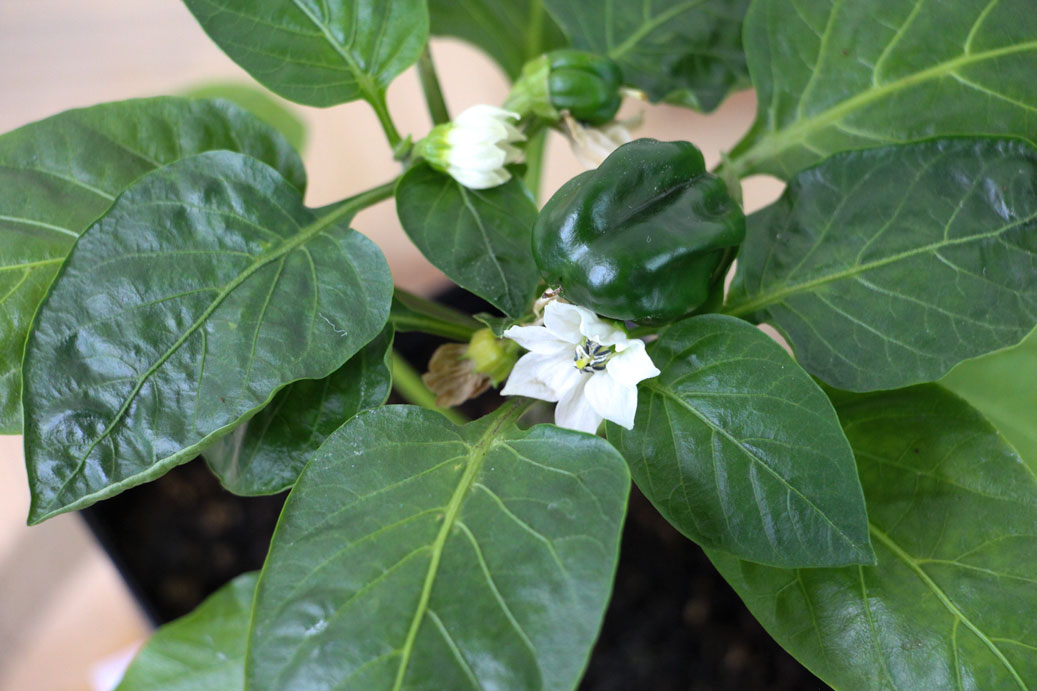
Monitoring the environmental conditions closely, I ensure the soil temperature remains below 70°F to prevent premature flowering of bell peppers. By maintaining this range, I can manage the growth pace effectively.
I’m also vigilant about watering, letting the soil dry slightly between sessions. This strategy reduces stress that might otherwise lead to early flowering.
Regular checks for nutrient imbalances are crucial; an excess of nitrogen, in particular, can accelerate flowering. I adjust my fertilization plan accordingly to maintain balance.
Additionally, monitoring light exposure is essential; my bell peppers get the recommended 6-8 hours of direct sunlight daily. During extreme heat, I deploy shade cloths to protect them from temperature spikes and minimize stress-induced flowering.