
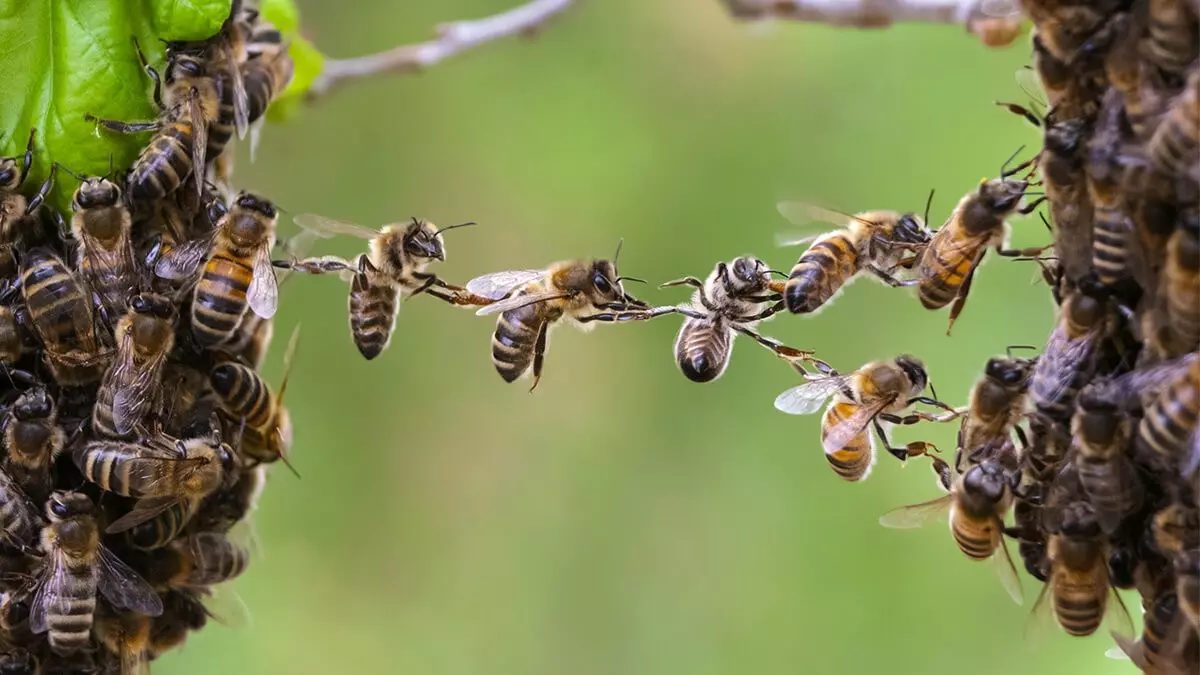
Certain scents like citronella oil, lavender, and peppermint are detested by bees. These strong aromas disrupt bees’ olfactory receptors, making them stay away. Cloves and cinnamon also fall in this category of bee-repelling scents due to their potent nature. Additionally, refreshing cucumber peels and citrus fruits act as natural deterrents for bees. If you’re looking to keep bees at bay, utilizing these scents strategically can be highly effective in creating a bee-free environment.
Bee-Avoiding Scents
When considering bee-avoiding scents, it is crucial to understand which specific odors can repel bees and potentially trigger aggressive behavior. Among effective bee repellents are citronella, essential oils, and even cucumber peels. Citronella, derived from various Cymbopogon grasses, is well-known for its insect-repelling properties. Its strong scent can mask floral odors that attract bees, making it an effective deterrent. Essential oils like lavender, eucalyptus, and tea tree oil also possess bee-repelling qualities due to their potent fragrances that bees find unpleasant.
Cucumber peels, often discarded as kitchen waste, can serve as a natural bee repellent. The compounds within cucumber peels emit a scent that bees find repulsive, steering them away from the area. Incorporating these scents strategically can help create a barrier that deters bees and reduces the risk of provoking them into aggressive behavior. Understanding the science behind these scents can aid in safely navigating bee-rich environments.
Peppermint Repels Bees

Peppermint’s potent scent acts as a natural repellent against bees, effectively deterring them from specific areas. Bees, known for their acute sense of smell, find the strong aroma of peppermint overwhelming and unpleasant. This reaction can be attributed to the presence of menthol in peppermint, which bees tend to avoid. Utilizing peppermint essential oil, diluted and sprayed in bee-prone areas, can serve as an eco-friendly method to keep these buzzing insects at bay. Additionally, planting peppermint in your garden can act as a natural barrier, discouraging bees from venturing too close.
Peppermint-scented products or sprays can also be used to effectively repel bees without causing harm to them or the environment. This natural repellent not only deters bees but also adds a refreshing fragrance to the surroundings. By harnessing the power of peppermint, you can create a bee-free zone while enjoying the benefits of this versatile essential oil.
Citronella for Bee Deterrence
:max_bytes(150000):strip_icc()/SPR-citronella-plant-growing-guide-7499526-01-6dd855ca87824dbabe010c2fe7356faa.jpg)
To deter bees effectively, consider utilizing citronella, a natural scent that bees find repulsive and can serve as an eco-friendly repellent. Citronella’s strong aroma acts as a mask, overpowering the attractive scents that typically draw bees in, thereby deterring them from nesting or foraging in specific areas. This natural repellent is commonly available in various forms such as candles and essential oils, making it a practical option for bee deterrence. Planting citronella plants strategically in your garden can also help create a barrier against bees due to their potent fragrance.
| Citronella Benefits | Description |
|---|---|
| Natural Repellent | Acts as a barrier against bees due to its repulsive scent |
| Eco-friendly | Safe for the environment and bees without causing harm |
| Convenience | Available in candles and essential oils for easy use |
| Potent Fragrance | Masks attractive scents that bees are drawn to |
| Versatile | Can be used both indoors and outdoors for bee deterrence |
Fresh Cucumbers as Bee Repellent
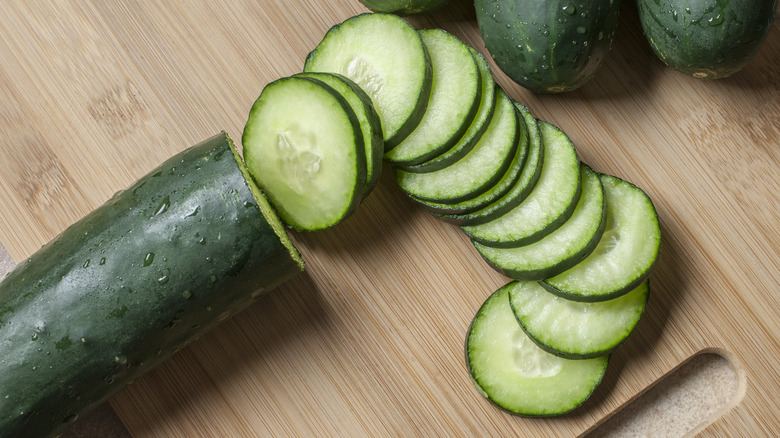
Fresh cucumbers serve as an effective natural repellent against bees due to their unappealing scent that keeps the insects at bay. Bees have a strong aversion to the distinct odor released by cucumber peels or slices, creating a barrier that deters them from approaching specific areas. The scent of fresh cucumbers is repulsive to bees, making it an environmentally friendly and safe method for bee repellent. Placing slices of fresh cucumbers strategically in outdoor spaces can help in keeping bees away and reducing the likelihood of bee-related incidents. The chemical composition of cucumbers contributes to their potent smell that bees hate, making them an ideal option for those looking to deter bees without using harmful chemicals. By harnessing the natural repellent properties of cucumbers, individuals can enjoy outdoor activities without the nuisance of bees disrupting their time. This simple yet effective method showcases how natural scents can be used strategically to manage bee interactions.
Cloves: A Bee-Repelling Scent
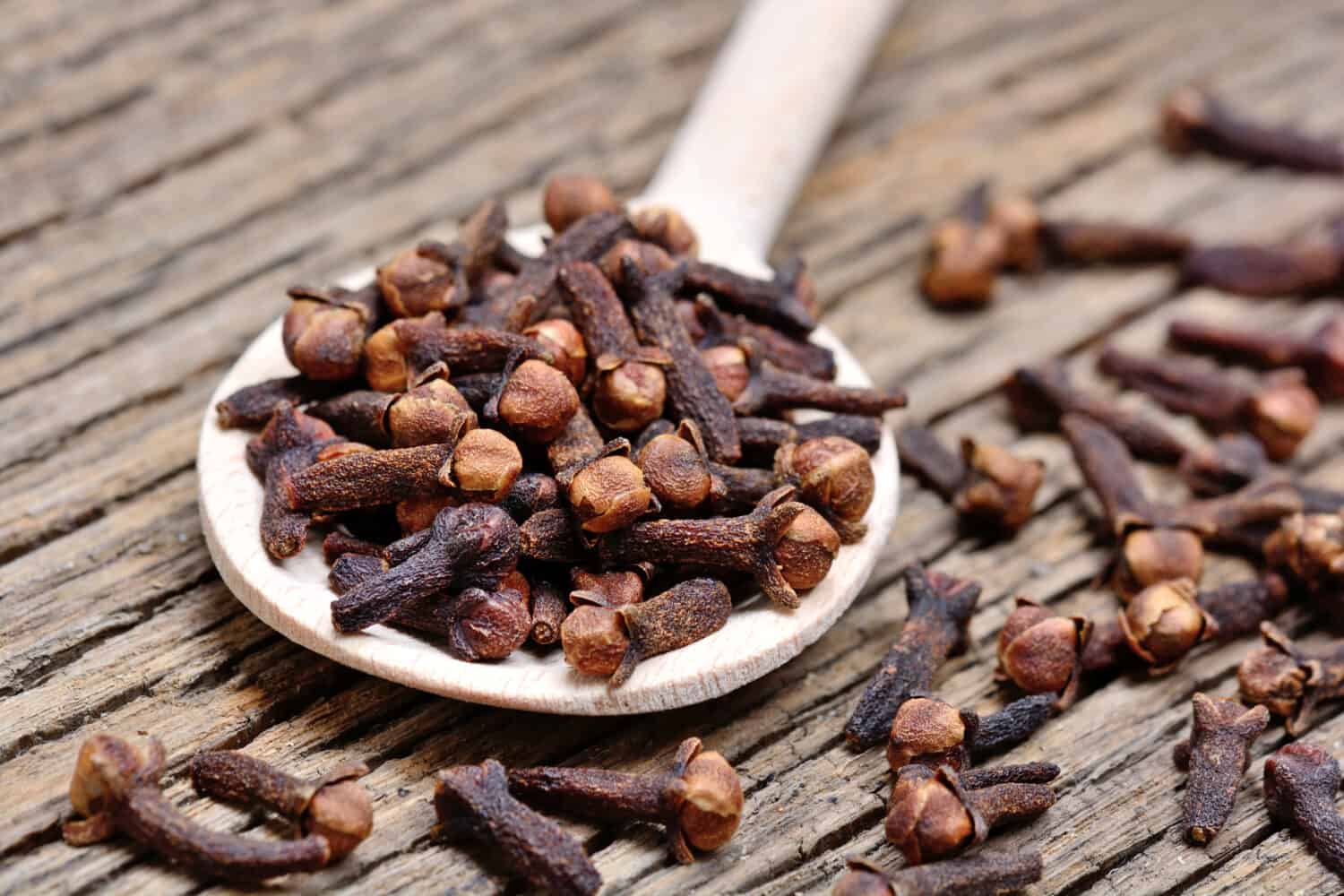
The strong and pungent aroma of cloves serves as an effective natural repellent against bees. Bees, known for their sensitive olfactory senses, are particularly averse to the overpowering scent of cloves. This makes cloves a valuable tool in beekeeping and keeping these pollinators away from certain areas. Cloves can be utilized in various forms, such as essential oils, dried cloves, or clove-scented sprays, to create a bee-repelling barrier.
The active compound in cloves responsible for their bee-deterring properties is eugenol. When bees encounter the scent of cloves, their olfactory receptors are disrupted, causing them to avoid areas where the smell is prevalent. By incorporating cloves into homemade repellents or using clove-scented products, you can effectively maintain a bee-free environment without harming these essential insects.
Garlic to Keep Bees Away

In beekeeping and outdoor settings, the strong odor of garlic serves as a natural deterrent against bees due to their aversion to this pungent scent. Bees dislike the overpowering aroma of garlic, making it an effective method to deter them from specific areas. Placing cloves of garlic strategically can help keep bees away, as they find the smell unpleasant and tend to avoid it. Additionally, using garlic powder or crushed garlic can also be effective in repelling bees. This natural bee deterrent is not only non-toxic but also environmentally friendly, making it a preferred choice for those looking to discourage bees without causing harm to the environment. By incorporating garlic in various forms, beekeepers and individuals can create a barrier that bees are less likely to cross, thus reducing the chances of bee-related incidents in outdoor spaces.
Cinnamon as Bee Deterrent
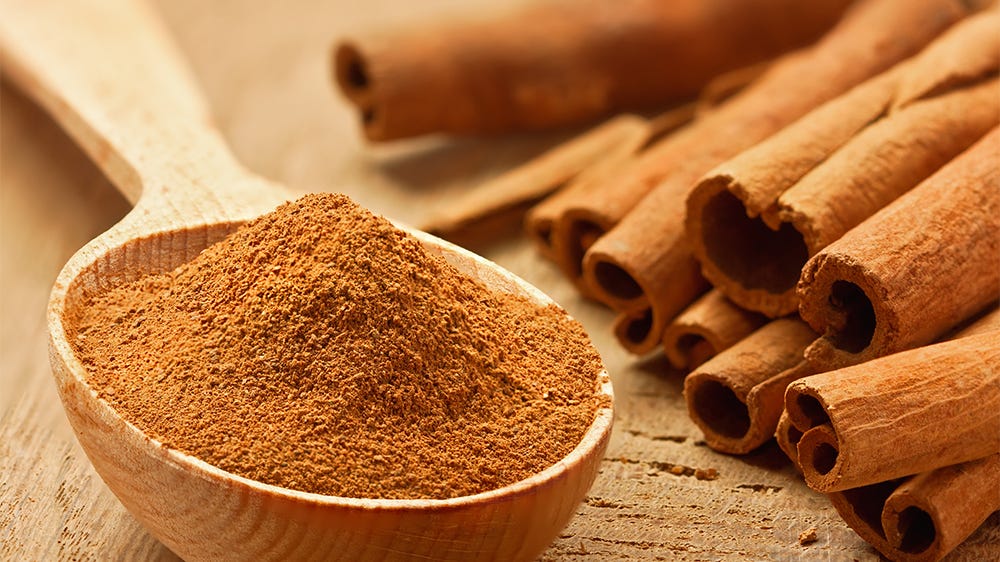
Cinnamon serves as a natural bee repellent due to its potent and off-putting aroma, making it an effective deterrent against bees in outdoor settings. Bees find the scent of cinnamon bark or powder unpleasant, leading them to avoid areas with this fragrance. Utilizing cinnamon strategically can help deter bees from unwanted locations in a safe and natural manner. However, it is essential to note that cinnamon plants are less effective than cinnamon bark or powder for repelling bees. Incorporating cinnamon bark or powder into do-it-yourself repellent solutions can significantly aid in keeping bees away effectively.
- Cinnamon is a natural bee repellent due to its strong and pungent smell.
- Bees find the scent of cinnamon bark or powder unpleasant and will avoid areas with this fragrance.
- Using cinnamon strategically can help deter bees from unwanted areas in a safe and natural way.
- Cinnamon plants are less effective than cinnamon bark or powder for repelling bees.
- Incorporating cinnamon bark or powder into DIY repellent solutions can help keep bees away effectively.
Lavender Essential Oil and Bees
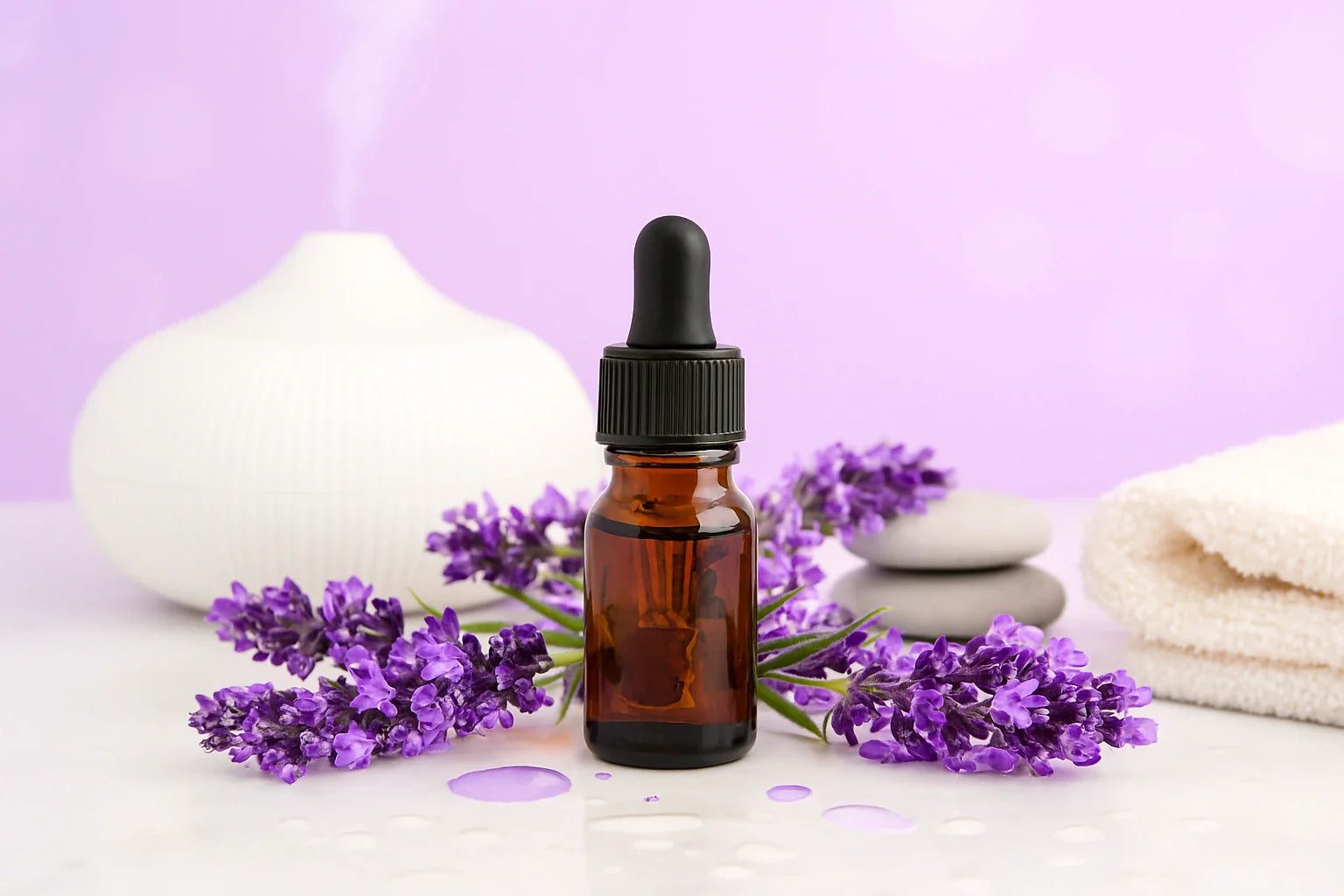
Bees exhibit aversion towards the potent fragrance of lavender essential oil, disrupting their communication and navigation abilities. The strong scent of lavender essential oil can act as a deterrent for bees, affecting their behavior in various ways. When exposed to lavender essential oil, bees may struggle to communicate effectively with each other, impacting their ability to coordinate foraging activities and navigate back to the hive. Strategically placing lavender essential oil can help deter bees from specific areas, as the overpowering aroma interferes with their sensory perception. Furthermore, the pungent scent of lavender essential oil can mask attractant scents that would normally draw bees towards certain locations. By utilizing lavender essential oil as a natural repellent, individuals can effectively keep bees away in an eco-friendly manner, without causing harm to these essential pollinators.
Citrus Fruits Vs. Bees

Citrus scents repel bees due to their aversion to the smell of lime, lemon, grapefruit, and orange. These fruits contain compounds that bees find unpleasant, making them an effective natural deterrent. Here are some key points to consider when using citrus fruits to repel bees:
- Bees’ Dislike: Bees have a strong aversion to citrus smells, causing them to avoid areas with these scents.
- Natural Deterrent: Planting citrus trees in your garden can help keep bees away due to their inherent dislike for citrus fragrances.
- DIY Repellents: Mixing citrus fruits to create a potent spray can effectively repel bees from your immediate surroundings.
- Non-Toxic Solution: Citrus-based repellents offer a safe and eco-friendly alternative to chemical insecticides.
- Sustainable Approach: Using citrus fruits to deter bees promotes a more sustainable way of managing bee interactions without harming these beneficial insects.
Bee Deterring Vinegar
:max_bytes(150000):strip_icc()/GettyImages-1372096873-2000-4fa13f9336234e85827fb5538109ad96.jpg)
Utilizing vinegar as a bee deterrent offers a natural and non-toxic solution due to its strong odor that repels bees effectively. White distilled vinegar, in particular, can be strategically used to repel bees from specific areas without causing harm to the environment. The acetic acid in vinegar creates a scent that is highly unpleasant to bees, deterring them from entering treated areas.
When using vinegar to repel bees, it is important to avoid direct contact with the insects to prevent any potential harm. Instead, consider spraying vinegar in areas where bees are not welcome, such as near outdoor dining areas or around beehives that need to be relocated. This method of bee removal is both eco-friendly and safe, offering an alternative to chemical sprays that can have negative effects on bee populations.
Effective Bee-Repelling Scents
When considering effective bee-repelling scents, it is crucial to understand that certain odors can strongly deter bees from specific areas, influencing their behavior and reducing the likelihood of stinging incidents. Different scents can play a significant role in repelling bees, such as:
- Citronella Oil: Known for its strong scent that bees find unpleasant.
- Dryer Sheets: The strong artificial fragrance can help keep bees away.
- Sweet Smell: Bees are not particularly fond of overly sweet scents.
- Citronella Candles: Emitting citronella oil when burned, these candles can effectively repel bees.
- Artificial Almond Extract: While appealing to humans, bees find this scent deterring.

Natural Bee Repellents
Certain natural substances can act as effective repellents against bees, deterring them from specific areas and reducing the risk of stinging incidents. Bees are known to dislike scents like artificial almond extract and butyl acetate, commonly found in spray paint. Utilizing natural repellents containing almond extract or butyl acetate, such as Bee Gone products, can effectively keep bees at bay. Additionally, avoiding introducing scents that bees find repugnant, like coffee, sunscreen, or even breath blown into a hive, can help deter bees from certain areas. Ensuring that products used around hives are unscented and practicing good hive inspection hygiene are also essential in repelling bees naturally. It is recommended to steer clear of strong scents such as cologne and to be mindful of the smells you bring near bee-populated areas to prevent attracting them unintentionally. By incorporating these natural repellents and scent strategies, you can effectively reduce the likelihood of bee encounters and stings.