
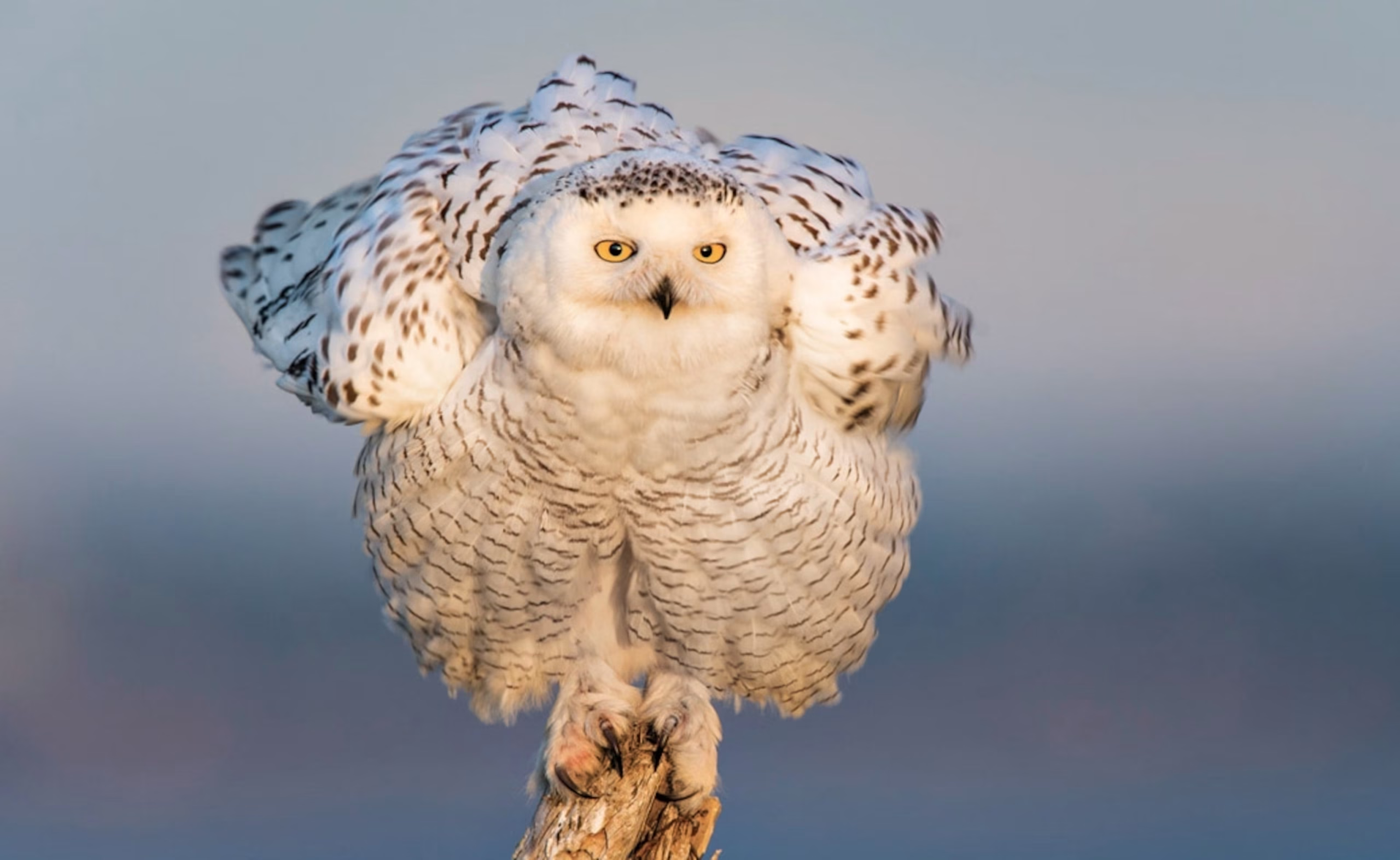
Yes, owls do eat birds. They have a diverse diet, ranging from ground birds like quail and pheasants to smaller songbirds. Owls are exceptional nighttime hunters with keen night vision, targeting vulnerable bird prey such as nestlings and juveniles. Their silent flight aids in surprising birds, while their sharp talons and beak ensure efficient hunting. This predatory behavior can impact bird populations, especially vulnerable species. Owl conservation efforts are crucial for preserving bird diversity. As you explore owl predation further, you’ll uncover various bird defense mechanisms and conservation strategies to safeguard avian populations.
Types of Birds Owls Consume
Large owls such as great horned owls and great gray owls have a diverse diet that includes ground birds, pheasants, quail, chickens, smaller owls, and smaller hawks. These majestic predators are skilled hunters, preying on a variety of bird species to sustain themselves. Small birds, in particular, form a significant portion of the diet for these large owls. Their powerful talons and keen eyesight make them efficient hunters, capable of capturing agile targets like quails and smaller hawks.
When considering the diet of owls, it is essential to understand that different owl species exhibit varying preferences. While great horned owls and great gray owls focus on consuming larger ground birds and pheasants, they also do not shy away from targeting smaller birds such as quails and chickens. This adaptability in their diet allows them to thrive in diverse habitats, showcasing their role as apex avian predators within their ecosystems.
Large Owl Predation
With their formidable hunting skills and diverse diet, owls such as great horned owls and great gray owls exhibit a preference for preying on various bird species, showcasing their prowess as avian predators within their ecosystems. Large owls, known for their silent flight and sharp talons, target ground birds like pheasants, quail, and chickens as part of their regular diet. These apex predators are equipped to take down not only smaller birds but also smaller owls and hawks. Their ability to hunt these ground-dwelling avian species is a testament to their exceptional hunting techniques and adaptability in different habitats.
Large owls like the great horned owl and great gray owl play a crucial role in controlling the population of ground birds, helping to maintain the balance within their ecosystems. By preying on species such as pheasants, they contribute to the regulation of these populations and ensure a healthy distribution of resources within their habitats. This specialized predation on ground birds highlights the significant impact that large owls have on the avian community they inhabit.
Medium Owl Prey Selection
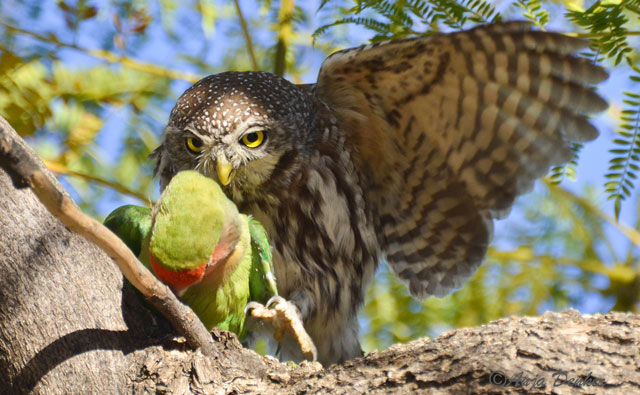
Medium owl species like barred owls demonstrate a diverse prey selection, targeting various songbirds, woodpeckers, gamebirds such as chickens and pheasants, and occasionally other raptors. These medium-sized owls primarily focus on hunting small to medium-sized birds, showcasing opportunistic hunting behaviors by preying on bird species readily available in their habitat. Barred owls are known to raid bird nests during the active nesting season, capturing nestlings and juvenile birds as part of their bird prey selection. This behavior provides valuable insights into the ecological role of medium-sized owls like barred owls and their impact on bird populations. By understanding the prey selection patterns of these owls, researchers can gain a deeper understanding of their hunting strategies and the dynamics of bird communities within their habitats. The selection of birds as prey by barred owls highlights their adaptability and the importance of avian species in their diet.
Small Owl Hunting Habits
Small owls like pygmy owls exhibit specialized hunting habits focused on targeting high density songbird populations. These small owls, due to their size and hunting capabilities, primarily prey on avian species such as house sparrows and pine siskins. Pygmy owls rely on stealth and ambush tactics to capture their avian prey, showcasing their opportunistic hunting nature by taking advantage of easy targets like unsuspecting birds. Their size limits the types of birds they can effectively hunt, leading them to prefer smaller, more manageable prey.
To further understand the hunting habits of small owls, let’s delve into a comparison table showcasing key features of their hunting behavior:
| Feature | Small Owls |
|---|---|
| Prey Preference | High density songbird species |
| Hunting Strategy | Stealth and ambush tactics |
| Targeted Species | House sparrows, pine siskins |
| Hunting Style | Opportunistic hunters |
Through their specialized hunting techniques and selective prey choices, small owls like pygmy owls have adapted to efficiently thrive in environments abundant with avian prey.
Owl’s Nocturnal Feeding Behavior
Owls exhibit nocturnal feeding behavior by primarily hunting birds at night when their superior night vision gives them a hunting advantage. This behavior is essential for their survival as they rely on birds as a significant part of their diet.
- Focus on Vulnerable Prey: Owls target nestlings and juvenile birds, which are easier to catch due to their inexperience and vulnerability.
- Opportunistic Hunting: Owls are opportunistic predators, taking advantage of bird nests during the nesting season to raid them for prey.
- Nighttime Advantage: Their nocturnal habits allow owls to capitalize on the darkness, making it harder for their avian prey to detect them, giving owls a strategic advantage in hunting.
Owl Predation on Nestlings
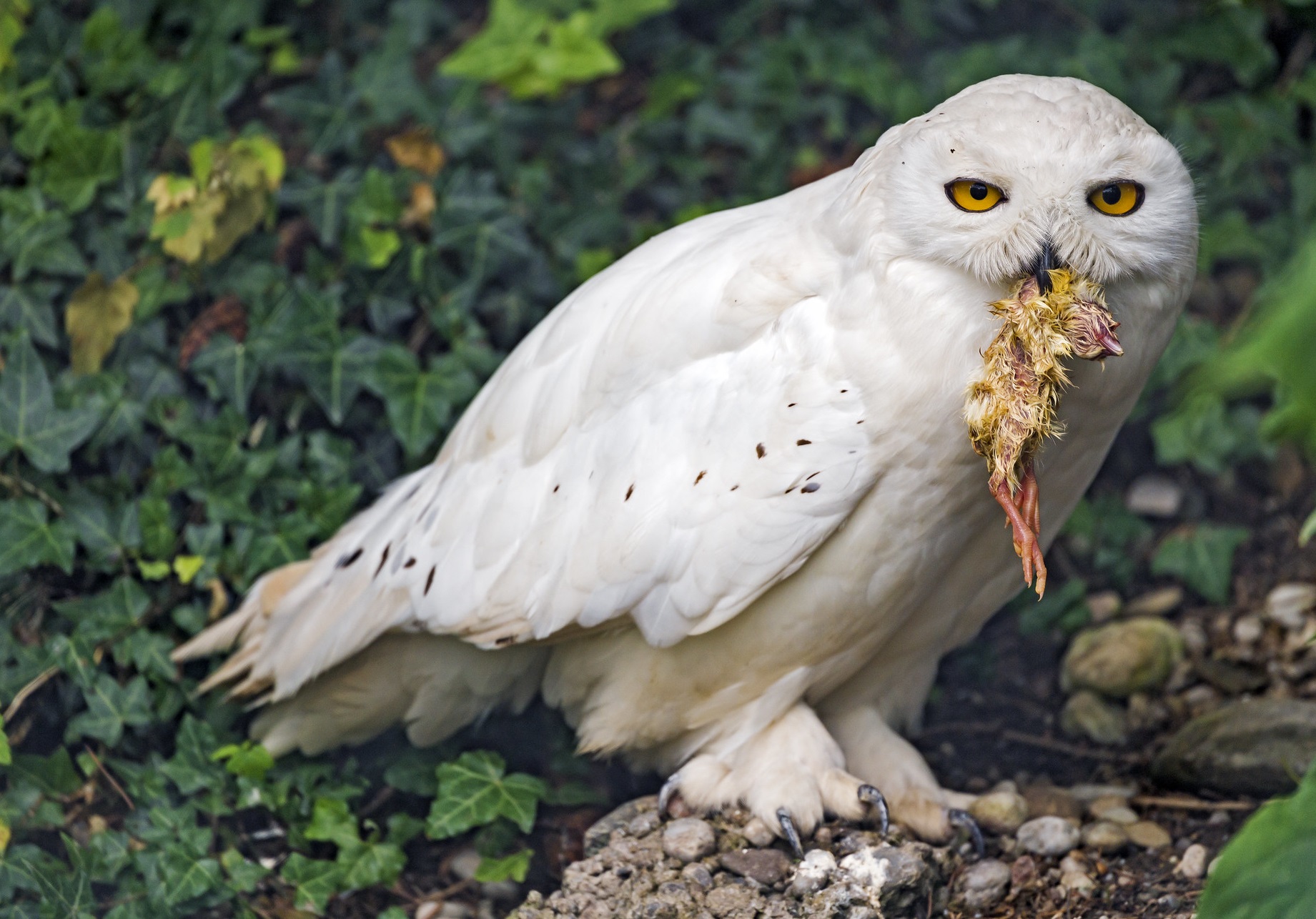
Nestlings and juvenile birds are prime targets for owl predation due to their vulnerability and inexperience, making them easier prey for these nocturnal hunters. Owls, with their silent flight and keen eyesight, are adept at raiding bird nests to catch young and inexperienced prey. During the active nesting season, owl hunting behavior often focuses on seeking out and preying upon nestlings and juvenile birds. These inexperienced birds make up a significant portion of an owl’s diet, especially during breeding seasons when food demands are high. Owl predation on nestlings serves a crucial role in regulating bird populations by controlling the number of young birds that survive to adulthood. This natural process helps maintain ecosystem balance by ensuring that bird populations remain in check and do not overwhelm available resources. Therefore, the predation of owls on nestlings plays a vital role in the intricate web of interactions within the avian community.
Owl Tactics Against Birds
Utilizing their stealthy approach and specialized hunting techniques, owls strategically target various bird species as part of their predatory behavior. When it comes to owl tactics against birds, they employ several strategies to maximize their hunting success:
- Perch-Hunting Strategy: Owls are known for their perch-hunting strategy, where they silently wait on a high vantage point until a suitable prey comes into view. This method allows them to surprise their target with a sudden attack from above.
- Ambush Birds: Owls use their exceptional night vision to ambush birds during their nocturnal activities. By swooping down silently from the darkness, owls catch their prey off guard, increasing their chances of a successful hunt.
- Mobbing Tactics: To counteract owl attacks, some bird species engage in mobbing behavior. When birds detect an owl in the vicinity, they band together and dive-bomb the owl, making it difficult for the predator to focus on a single target. This collective defense strategy can help deter owl attacks and protect the group from harm.
Bird Defense Mechanisms
Birds employ a variety of defense mechanisms, such as speed, awareness, and alarm calls, to evade owl predators during daylight hours. One key strategy is mobbing behavior, where birds gather and collectively harass the owl, making it difficult for the predator to focus on a single target. This behavior not only confuses the owl but also signals to other potential prey in the area, enhancing overall safety. Additionally, birds utilize scolding as a means to warn others of danger and deter owls from hunting. By emitting specific calls and vocalizations, birds can communicate the presence of an owl, allowing nearby individuals to take evasive action. Understanding these bird defense mechanisms is crucial for predicting owl presence and safeguarding vulnerable bird populations. By actively observing and interpreting bird behaviors and sounds, individuals can contribute to the protection and conservation of avian species in the face of owl predators.