

Peonies smell like a delicate and sweet fragrance, combining floral, citrus, musk, and spice notes. This creates a sensory experience that represents femininity, joy, and romance. Different peony species offer scents ranging from spicy to fruity, with renowned cultivars like Sarah Bernhardt and Renkaku known for their delightful fragrance. Factors like age, essential oils, and environmental conditions influence the scent, highlighting the complexity of peony fragrance. The evolving fragrance as peonies mature offers a dynamic olfactory journey. The alluring peony smell embodies elegance, adding depth with musky notes and complexity with spicy undertones.
Peony Fragrance Overview

Peonies emit a delicate, sweet fragrance that combines floral notes with hints of citrus, musk, and spice. This fragrance is popular in the world of perfumery, where it symbolizes femininity, joy, and romance. The scent of peonies varies among different species, offering a range from spicy to fruity notes. The treasured aroma of peony fragrance has been enjoyed for centuries, captivating individuals with its unique olfactory profile.
Peony cultivars, such as Sarah Bernhardt, Renkaku, Bartzella, and Black Panther, are particularly renowned for their delightful fragrance. The sweet and floral essence of peonies creates a sensory experience that is both soothing and uplifting. The citrus and musky undertones add depth to the overall scent, while the subtle hints of spice provide a touch of complexity. As you inhale the fragrance of a peony, you are enveloped in a harmonious blend of aromas that evoke feelings of beauty and elegance.
Factors Affecting Peony Scent

Various environmental factors and natural compounds play a crucial role in shaping the intricate scent profile of peonies. The fragrance of a peony is influenced by the age of the flower, with younger blooms often exuding a more delicate and fresh scent compared to mature ones. Volatile essential oils present in peonies contribute to their distinct aroma, with compounds like phenylethanol and geraniol giving rise to notes reminiscent of roses or citrus. These oils are released into the air, creating the characteristic fragrance that can range from sweet and floral to slightly spicy or even fruity. As the flower ages, the concentration of these essential oils changes, impacting the intensity and complexity of the scent. Factors like humidity and temperature further modulate the fragrance of peonies throughout the day, offering a multisensory experience that evolves with the surrounding environment.
Ethylene’s Role in Peony Aroma
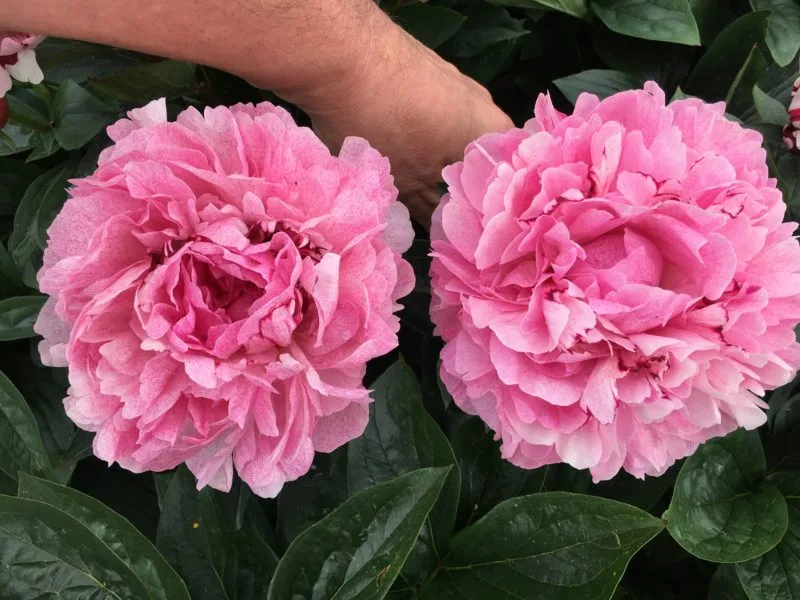
Ethylene, a natural plant hormone, plays a crucial role in shaping the captivating aroma of peonies. This volatile essential contributes to the synthesis of essential oils within the peony petals, giving rise to their distinctive fragrance. When peonies release ethylene, it triggers a cascade of biochemical reactions that produce compounds reminiscent of roses, water lilies, or citrus. The intensity of the fragrance emitted by peonies fluctuates throughout the day, influenced by environmental factors such as temperature and humidity. Inhaling the ethylene-laden scent of peonies can evoke a mild euphoric sensation, enhancing the overall appeal of their aroma. While ethylene generally contributes to the pleasant fragrance of most peony varieties, some may exhibit odors resembling raw chicken due to variations in their chemical composition. Understanding the role of ethylene in peony aroma sheds light on the complexity of scent production in these exquisite flowers.
Pleasant Vs. Unpleasant Peony Smells
The aroma of peonies can vary greatly, ranging from pleasant scents reminiscent of roses and citrus to unpleasant odors that may resemble raw chicken. Most peony varieties emit a pleasant fragrance that is often likened to the sweet floral notes of roses, the delicate freshness of water lilies, or the bright zestiness of citrus fruits. This enjoyable scent is attributed to the presence of various compounds within the flower.
However, it is essential to note that not all peonies carry this delightful fragrance. Some varieties can give off unpleasant odors that are less desirable. These odors have been described as having a resemblance to the smell of raw chicken, which can be off-putting to individuals sensitive to such scents.
The presence of both pleasant and unpleasant odors in peonies highlights the complexity of their fragrance profile. Factors such as genetics, environmental conditions, and the age of the flower can all influence the type of scent emitted by these beautiful blooms.
Changing Peony Fragrance Over Time
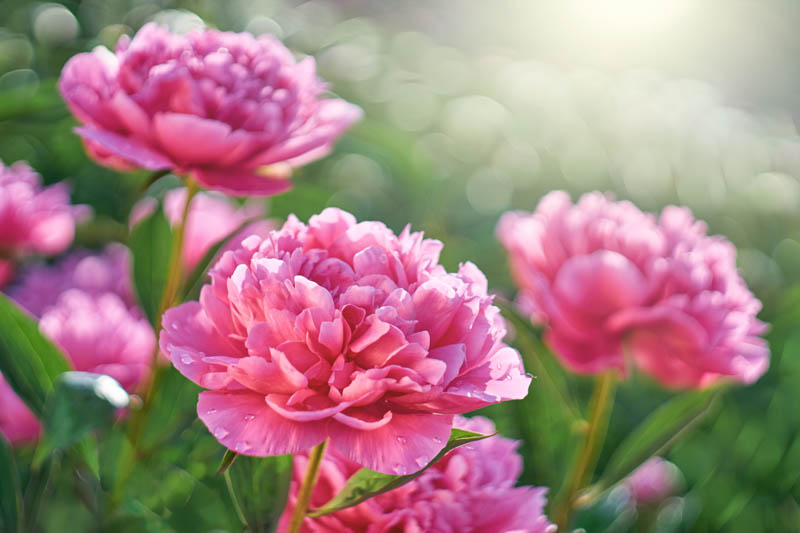
As peonies age, their fragrance undergoes a transformation influenced by the evaporation of essential oils, resulting in a shifting intensity and profile over time. Peony scents evolve as the flowers mature, creating a dynamic olfactory experience that adds to their allure. The essential oils within peonies play a crucial role in shaping their fragrance variations, with different compounds evaporating at varying rates, leading to changes in the overall scent composition.
| Evolution of Peony Fragrance | |
|---|---|
| Stage | Fragrance Characteristics |
| Budding | Delicate, subtle floral notes with hints of sweetness |
| Full Bloom | Rich, intense aroma resembling a blend of roses and citrus |
| Post-Bloom | Softening of fragrance, slightly musky undertones may develop |
| Wilting | Fading scent, traces of sweetness linger with a more earthy essence |
| Petals Fall | Fragrance diminishes, leaving a subtle floral trail |
Understanding the evolving fragrance of peonies enhances the appreciation of these blooms, making them a captivating sensory experience as they progress through their life cycle.
Varieties of Fragrant Peonies
Peonies exhibit a diverse range of fragrances, with certain varieties like Duchesse de Nemours and Festiva Maxima standing out for their highly captivating scents. If you seek a pleasant fragrance, consider highly fragrant peonies like Seashell and Dr. Alexander Fleming. These varieties will fill your garden with delightful aromas that are sure to please your senses. On the other hand, for a lighter and enjoyable scent experience, opt for peonies such as Kansas, Elsa Sass, and Nick Shaylor. These peonies offer a more subtle yet still pleasing fragrance that will add a touch of sweetness to your outdoor space. If you prefer peonies that focus more on beauty without an overpowering scent, Coral Charm, Coral Supreme, and Lemon Chiffon are excellent choices. However, for those who adore a strong aroma, our top picks for highly fragranced peonies are Festiva Maxima and Pecher. Choose the variety that best suits your olfactory preferences for a truly enchanting garden experience.

Influence of Humidity on Peony Scent
In humid environments, the scent of peonies intensifies due to the increased release of fragrance molecules, particularly during warm and humid conditions. Peonies thrive in high humidity levels, enhancing their fragrance intensity and complexity. The interaction between humidity and peony scent leads to a more pronounced olfactory experience, with the sweet and floral notes becoming more robust.
| Aspects of Influence | Description | Impact |
|---|---|---|
| Fragrance Intensity | Peonies release more fragrance molecules in high humidity | Enhances the overall scent experience |
| Citrus and Rose Notes | High humidity can amplify these notes in peony scent | Creates a more diverse and rich fragrance profile |
| Essential Oil Interaction | Humidity affects variations in fragrance intensity | Contributes to the dynamic nature of peony scent |
The combination of warm temperatures and high humidity can promote ethylene production in peonies, further enriching their aroma. This synergy between humidity and temperature plays a crucial role in the development of the alluring scent of peonies.
Temperature’s Impact on Peony Aroma
The aroma of peonies exhibits fluctuations in response to temperature variations, influencing the intensity and character of their scent profile. Warmer temperatures tend to amplify the fragrance of peonies, enriching their floral, citrus, or rose-like aroma. In contrast, cooler temperatures can yield a more delicate scent from peonies, unveiling subtle nuances in their fragrance composition. This distinct variation in aroma at different temperature ranges is attributed to the impact of temperature on ethylene release within peonies. Changes in temperature can modulate the emission of ethylene, a natural plant hormone, which plays a pivotal role in shaping the intensity and perceived quality of the peony fragrance. By understanding how temperature influences peony fragrance, one can better appreciate the diverse scents these blooms offer in various environmental conditions. Whether in warm or cool settings, the temperature serves as a key determinant in unlocking the captivating essence of peonies.

Aging and Peony Fragrance
As peonies age, the evolution of their fragrance undergoes intricate changes influenced by various environmental factors. Throughout the day, the scent of peony flowers can vary due to fluctuations in humidity, temperature, and the maturity of the bloom. Ethylene, a natural plant hormone, plays a crucial role in the development of the fragrance, contributing to the mild euphoric sensation experienced when inhaling the scent of peonies.
Certain peony varieties emit fragrances reminiscent of roses, water lilies, or citrus, enhancing their appeal. However, it’s essential to note that while most peonies have a pleasant fragrance, some varieties may release odors likened to raw chicken as they age. The aging process also affects the essential oils present in peonies, causing them to evaporate over time. This leads to alterations in the intensity and character of the fragrance, adding complexity to the olfactory experience of peony enthusiasts.
Understanding Peony Essential Oils
Peony essential oils, rich in monoterpenes and phenylpropanoids, play a crucial role in defining the unique fragrance profile of these captivating flowers. The extraction of peony essential oils involves a meticulous process to preserve their delicate scent and beneficial properties. Here are some key points to consider:
- Fragrance: The complex combination of monoterpenes and phenylpropanoids gives peony essential oils their distinct, floral aroma that is both sweet and fresh.
- Essential Oils: Peony essential oils are highly concentrated extracts obtained from the petals of the flower through methods such as steam distillation or solvent extraction.
- Extraction: The extraction process requires expertise to ensure the purity and potency of the essential oils, making them suitable for use in perfumery, aromatherapy, and even skincare products.
Understanding the chemistry and extraction of peony essential oils contributes to unlocking the secrets of their alluring fragrance and therapeutic benefits.
Evaporation of Peony Fragrances
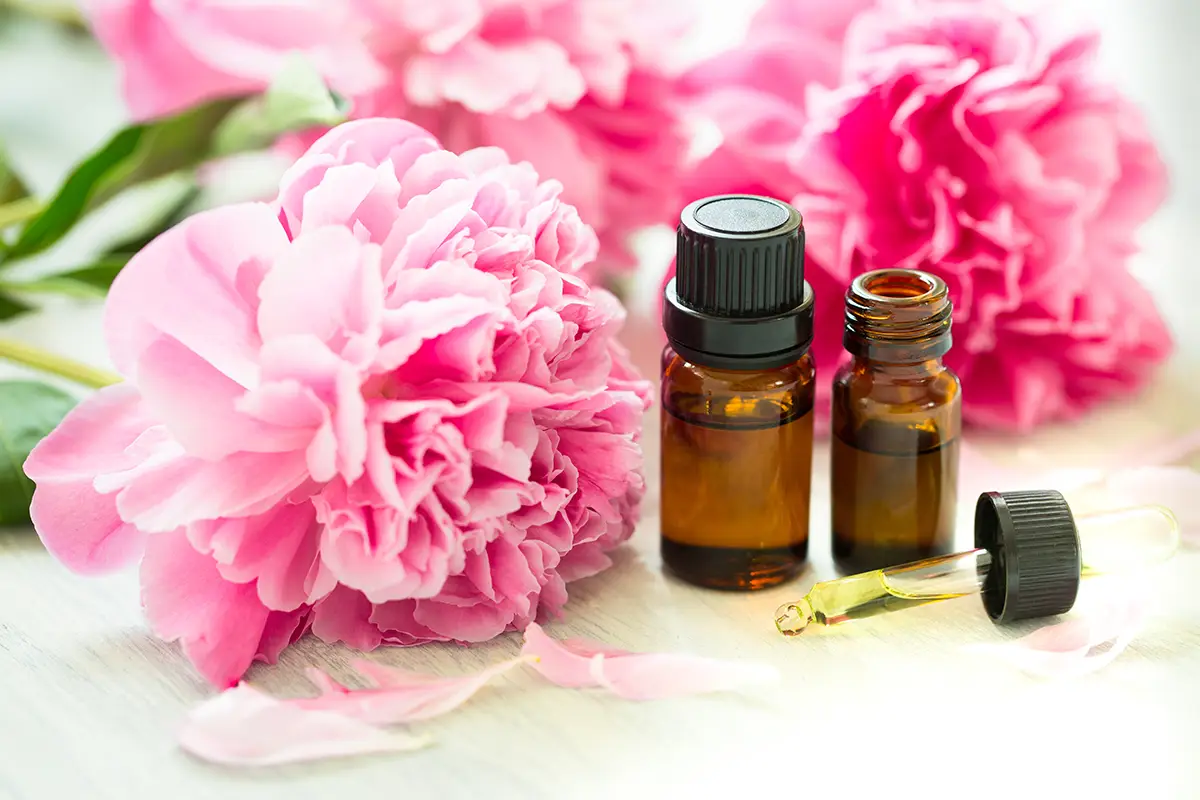
During the evaporation process, the intricate chemistry of peony fragrances undergoes a transformation, influencing the overall sensory experience. Essential oils present in peonies are key components that evaporate gradually, releasing their unique scent into the surrounding environment. This evaporation of essential oils is a dynamic process that results in a shifting fragrance profile, creating a dynamic olfactory experience for those nearby.
Factors such as humidity, temperature, and the developmental stage of the peony flower can influence the rate at which these essential oils evaporate. As the oils disperse into the air, they interact with ethylene, a plant hormone, which contributes to the pleasurable sensation often associated with peony fragrance.
Interestingly, the evaporation of essential oils can also lead to unexpected olfactory notes in some peony varieties. For instance, certain types of peonies may emit odors reminiscent of raw chicken as their essential oils volatilize, adding complexity to the overall fragrance experience. This continuous evaporation process ensures that the scent of peonies evolves throughout the day, offering a rich and ever-changing sensory journey.
Unraveling Peony Scent Mysteries
Uncovering the intricate composition of peony fragrances reveals a complex interplay of delicate floral notes intertwined with hints of citrus, musk, and spice, symbolizing femininity and joy in the world of perfumery. Peonies in a garden emit an intoxicating fragrance that captivates the senses, evoking a sense of elegance and beauty. The floral scents of peonies vary among species, offering a wide range from spicy to fruity, making them sought after for their versatility in perfumery.
- Peonies in a garden emit an intoxicating fragrance that captivates the senses.
- The floral scents of peonies vary among species, offering a wide range from spicy to fruity.
- Peony fragrances symbolize femininity and joy in the world of perfumery.
Appreciating the Alluring Peony Smell
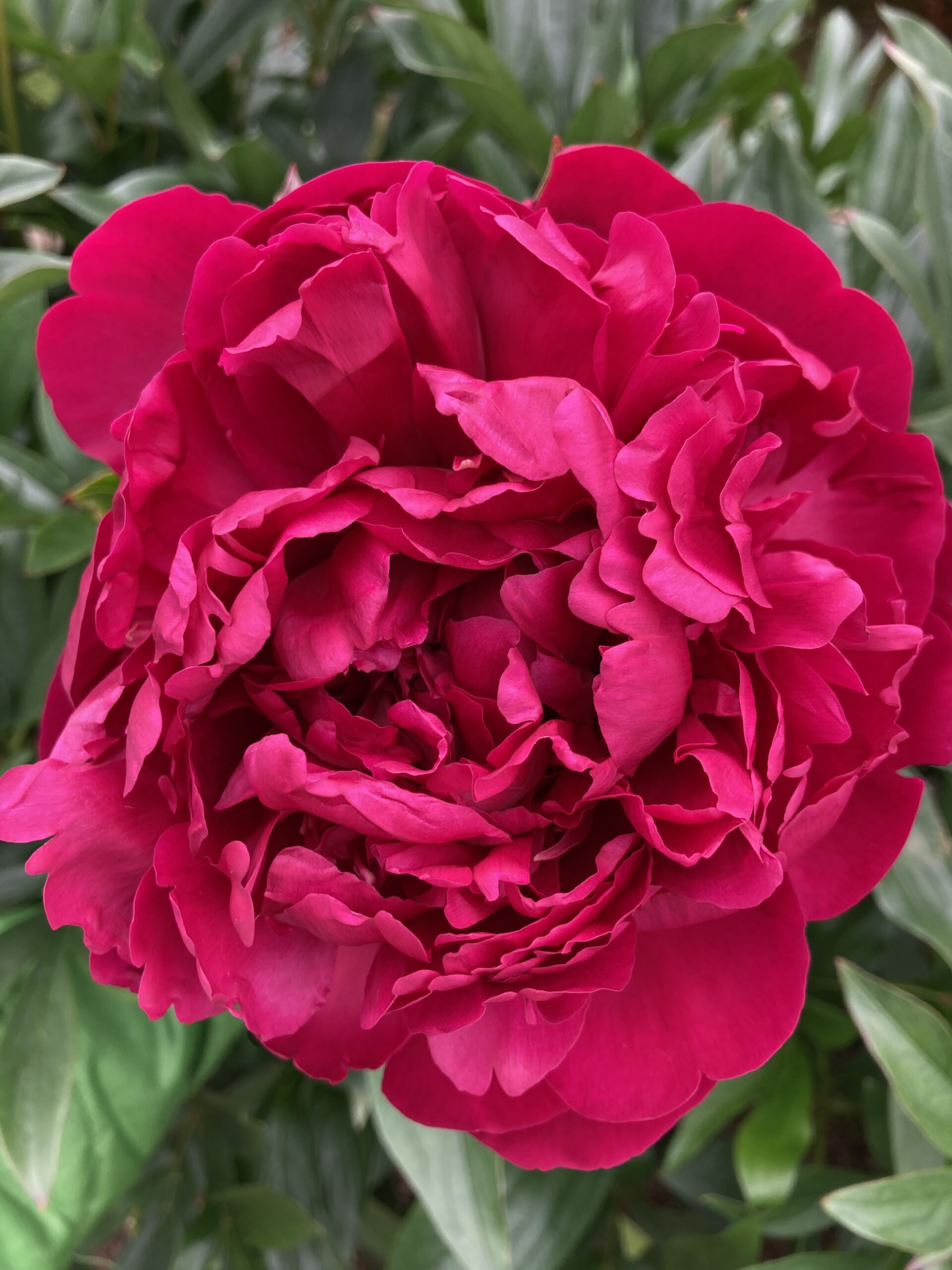
Exploring the olfactory delights of peonies reveals a captivating blend of delicate floral notes with undertones of citrus, musk, and spice, making them a prized choice in the realm of perfumery. The fragrance of peonies is a harmonious symphony that evokes feelings of elegance and femininity. The sweet, floral scent of peonies is enhanced by hints of citrus that add a refreshing twist to the overall aroma. Musk undertones provide a subtle depth, while the spicy notes lend an intriguing complexity to the fragrance profile.
Peony fragrance is cherished for its romantic and timeless appeal, with different peony species offering a range of scents from fruity to spicy. This diversity adds to the allure of peonies in perfumery, where their fragrance is used to create perfumes and skincare products that embody joy, freshness, and femininity. The scent of peonies is not only a symbol of springtime but also a source of happiness and tranquility, making it a sought-after choice in both perfumery and aromatherapy.