
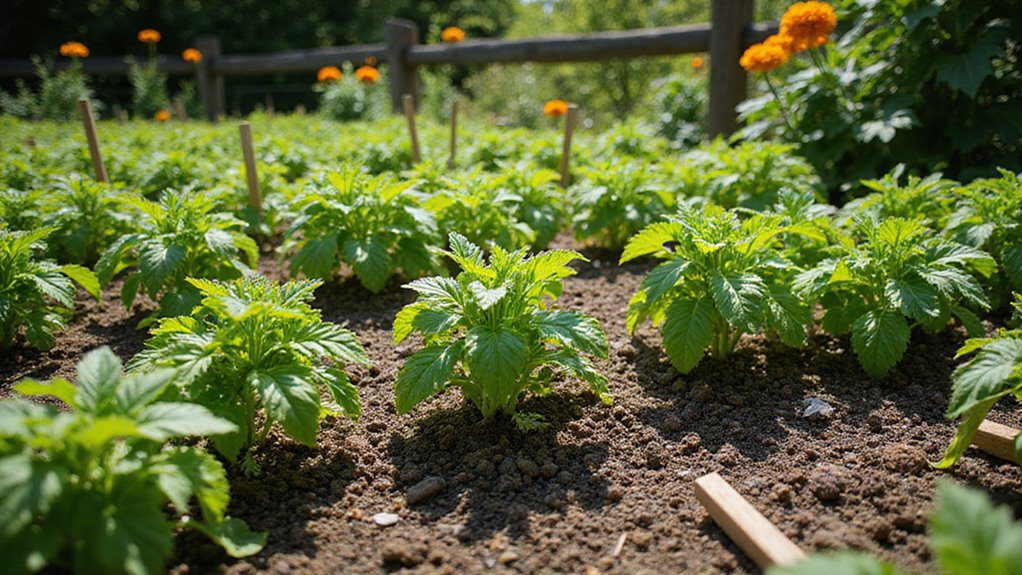
A vegetable garden planner is essential for optimizing your planting and harvesting. I create a detailed schedule, considering local climate, frost dates, and seasonal changes. I align my planting with the right temperatures and plan crop rotation to maintain soil health and reduce pests. I map out my garden layout, taking care to ensure proper spacing and companion planting. By following these steps, you’ll enhance your garden’s productivity. There’s so much more to explore in garden planning.
Essential Steps for Vegetable Garden Planning
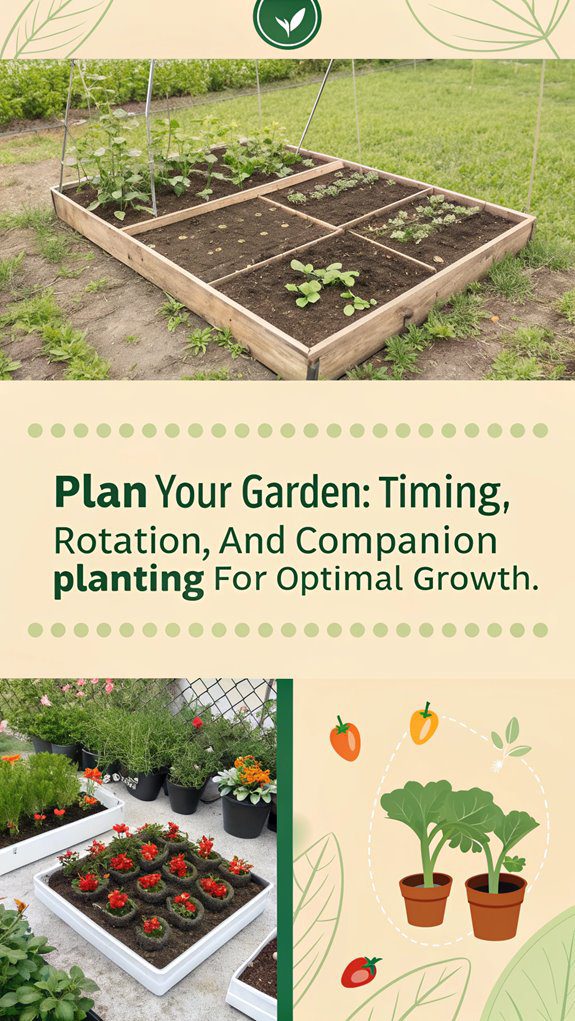
Planning a vegetable garden can feel overwhelming, but with the right approach, it becomes an enjoyable and rewarding experience. When I first started, I found it essential to create a detailed vegetable garden planner that outlined my planting schedules and crop rotation strategies. This planning stage is critical; it sets the foundation for a thriving garden.
To begin, I researched the best planting schedules for my region, considering factors like frost dates and seasonal changes. I discovered that some vegetables thrive in cooler temperatures while others prefer the heat of summer. By aligning my planting schedule with the local climate, I increased my chances of a successful harvest. I made a calendar that included when to start seeds indoors, when to transplant outdoors, and when to expect the harvest. This attention to timing made a significant difference in my garden’s productivity.
Crop rotation is another key aspect that I prioritized in my planning. I learned that rotating crops helps prevent soil depletion and reduces the risk of pests and diseases. For instance, planting legumes one year can fix nitrogen in the soil, making it richer for the next crop. I devised a simple rotation plan, grouping plants by their families, such as leafy greens, root vegetables, and legumes. Each year, I’d shift the location of these groups, ensuring that the same type of plant wouldn’t occupy the same space consecutively.
Using my vegetable garden planner, I could visualize the layout of my garden, ensuring that taller plants wouldn’t shade the shorter ones. I also accounted for companion planting, which encourages beneficial relationships between different crops, maximizing my garden’s potential. Additionally, I ensured that my raised beds had the recommended soil depth to support healthy root systems and improve drainage.