

As you contemplate transforming your urban rooftop into a lush oasis, selecting the right plants is crucial. From shade-loving varieties to drought-resistant species, the 11 best roof garden plants offer a diverse range of options to elevate your green space. Picture the serene beauty of Hostas and the aromatic allure of Lavender cascading against the city skyline. Intrigued to discover which other plants made the cut for urban green spaces? Let’s explore together.
1. Hostas

Hostas, with their wide array of cultivars and adaptable nature, are a fantastic choice for adding greenery to shaded urban rooftop spaces.
These plants thrive in shaded areas, making them perfect for urban gardening where sunlight may be limited. Their lush green foliage adds a touch of nature to concrete environments, providing visual interest and a calming atmosphere.
To ensure optimal growth and avoid potential nutrient burn, it’s important to use organic fertilizers carefully, particularly in the confined soil of rooftop gardens. Hostas are low maintenance and resistant to most pests, particularly slugs, due to their thick leaves.
When planting hostas in rooftop gardens, ensure the soil is slightly acidic and well-drained to support their growth. With heights ranging from 1 to 3 feet, hostas create a beautiful green display throughout the growing season, enhancing the appeal of any urban rooftop oasis.
2. Lavender
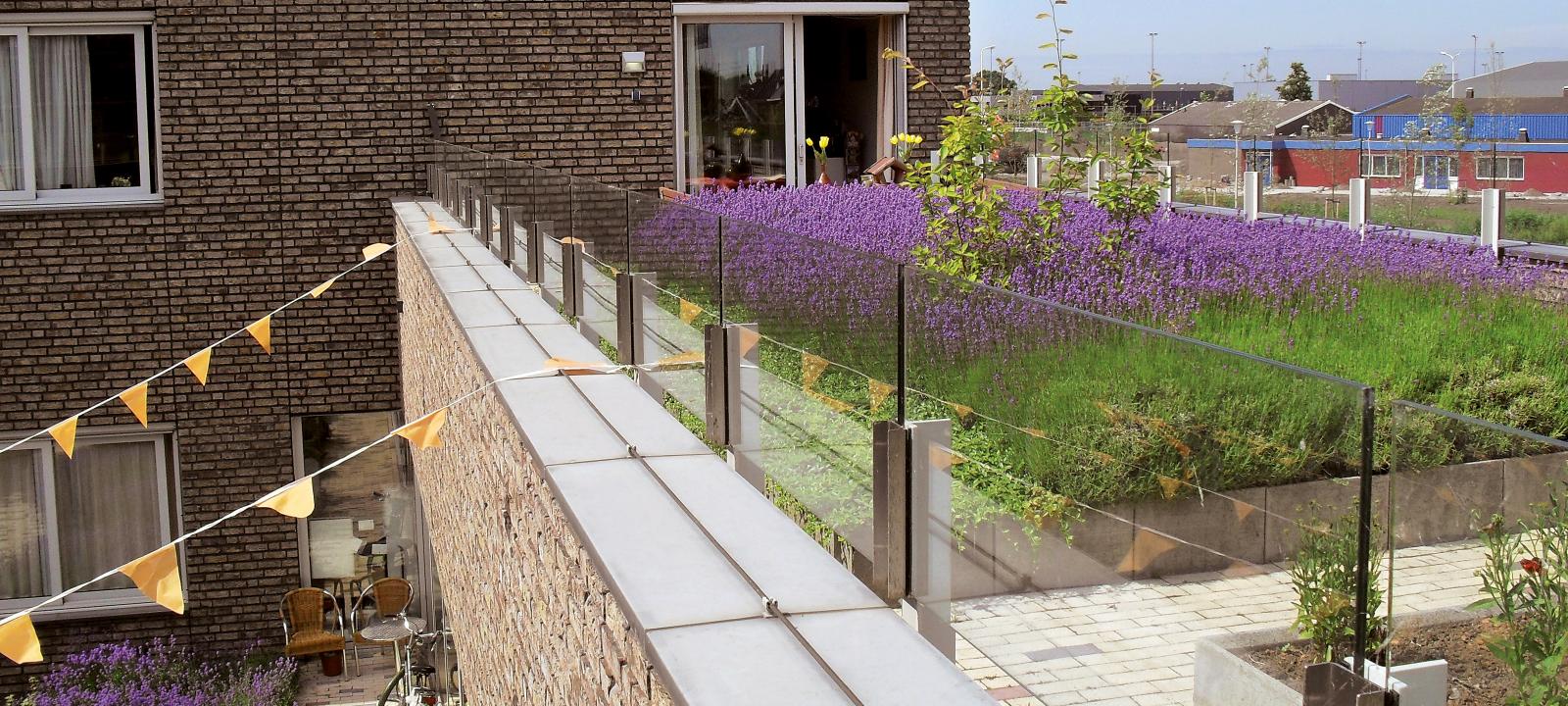
Exploring the vibrant world of rooftop garden plants, let’s now shift our focus to the enchanting Lavender. This aromatic plant is a perfect addition to urban green spaces, especially rooftop gardens, due to its ability to thrive in full sun and dry conditions.
Here are three reasons why lavender is a must-have for your rooftop oasis:
- Low-Maintenance: Lavender is a resilient plant that requires minimal watering once established, making it an excellent choice for busy urban gardeners.
- Aromatic Beauty: With its gray-green foliage and vibrant purple flowers, lavender not only adds visual appeal but also fills the air with a soothing fragrance.
- Pollinator Paradise: Bees and butterflies are drawn to lavender, making your rooftop garden a buzzing hub of biodiversity.
Moreover, incorporating bee-friendly plants like lavender can significantly enhance local bee populations by providing essential nectar sources throughout multiple seasons.
3. Kousa Dogwood

With its star-like white or pink flowers blooming in spring, the Kousa Dogwood tree stands as a captivating centerpiece in rooftop gardens.
This adaptable tree not only adds a stunning focal point with its vibrant foliage but also thrives in urban conditions, making it perfect for green spaces.
The Kousa Dogwood’s layered branches in summer and vibrant red foliage in autumn provide year-round visual appeal.
Even in winter, its unique bark adds intrigue to the garden.
Growing up to 15-30 feet tall, it’s an excellent choice for creating a multi-level landscape in limited rooftop garden areas.
The Kousa Dogwood’s ability to flourish in various soil types further enhances its appeal for rooftop gardens.
4. Single Seed Juniper
The Kousa Dogwood’s graceful presence in rooftop gardens is a sight to behold, but now let’s shift our focus to the charming Single Seed Juniper. This green beauty is an ideal choice for rooftop spaces, especially for urban gardening enthusiasts looking for low-maintenance, drought-tolerant plants.
Here are three reasons why the Single Seed Juniper is perfect for your rooftop oasis:
- Distinctive Appearance: The silvery-blue needle-shaped foliage of the Single Seed Juniper adds a unique pop of color and texture to your rooftop garden.
- Drought Tolerance: With its deep taproot and ability to pause growth during dry spells, this plant can thrive in arid climates with minimal water requirements.
- Compact Size: Growing to a modest height of 1 to 2 feet, the Single Seed Juniper is perfect for small rooftop spaces, providing greenery without overwhelming the area.
Additionally, incorporating white flowering trees into the design can enhance your rooftop garden’s appeal by creating a striking contrast with the Juniper’s silvery tones, adding layers of visual interest and attracting beneficial pollinators.
5. Fanal
:strip_icc()/red-fanal-astilbe-2d36310e-d95b2c6f30e34ef987e3d4405c2a6c5c.jpg)
Nestled in the shaded corners of rooftop gardens, Fanal, also known as Astilbe Fanal, emerges as a captivating perennial choice for those seeking a burst of deep garnet-red blooms in areas devoid of direct sunlight.
This stunning plant, thriving in full shade, can reach heights of up to 1.5 feet, showcasing tall, feathery flower spikes above its bronze-green foliage during summer.
Fanal’s preference for moist soil makes it perfect for rooftop gardening, enhancing the beauty of urban green spaces with its vibrant summer color palette.
Being pest resistant and low-maintenance, Fanal offers a hassle-free option for those looking to add a pop of color to their rooftop oasis without constant upkeep.
This delightful plant truly shines as a beacon of charm in the cool, shaded corners of your urban garden.
6. Blue Fescue

Emerging from the shady corners where Fanal thrives, Blue Fescue stands out as a striking choice for rooftop gardens seeking a touch of icy blue elegance.
This ornamental grass, with its drought-tolerant nature and stunning visual appeal, is a perfect addition to urban green spaces.
Here’s why Blue Fescue is a must-have for your rooftop oasis:
- Vibrant Color: The icy blue hue of Blue Fescue adds a cool and refreshing contrast to the greenery of your garden.
- Low Maintenance: With minimal care requirements, this grass is perfect for busy urban dwellers looking to enhance their rooftop retreats effortlessly.
- Versatile Growth: Whether in full sun or partial shade, Blue Fescue thrives, making it adaptable to various rooftop conditions.
7. Japanese Wisteria

As we explore the vibrant world of rooftop greenery, let’s turn our attention to the captivating Japanese Wisteria. This vigorous climbing vine, with its stunning cascading clusters of fragrant flowers in shades of purple, white, and pink, thrives in full sun.
Growing up to 30 feet in length, it’s perfect for training on arbors or trellises in urban rooftop gardens. Regular pruning is key to managing its growth, ensuring it doesn’t overwhelm structures.
While low-maintenance once established, Japanese Wisteria requires well-drained soil and consistent watering during dry spells for healthy blooming. Its beauty is unmatched, but remember to keep this vine in check to enjoy its fragrant flowers without risking structural damage.
8. Daylily

Amidst the vibrant tapestry of rooftop greenery, the Daylily stands out as a resilient and colorful addition to urban landscapes.
These low-maintenance beauties thrive in full sun, making them perfect for green spaces in the city.
Here’s why you should consider adding Daylilies to your urban garden:
- Vibrant Flowers: Daylilies boast trumpet-shaped blooms in a wide array of colors, adding a pop of vibrancy to your rooftop oasis.
- Pest Resistant: These hardy perennials aren’t just pretty; they’re tough against pests and diseases, ensuring they stay healthy in urban environments.
- Adaptable to Poor Soil: Daylilies can grow well even in poor soil conditions, making them a versatile choice for urban gardening projects.
With their stunning flowers, pest resistance, and adaptability, Daylilies are a fantastic choice for your rooftop garden.
9. Dwarf Hinoki Cypress

With its striking appearance and adaptability, the Dwarf Hinoki Cypress emerges as a standout choice for urban rooftop gardens.
This slow-growing evergreen, reaching 2 to 5 feet in height, suits compact green spaces perfectly. Its dense, rich green foliage not only provides year-round visual interest but also adds texture to any garden.
Thriving in well-drained soil and basking in full sun, this plant is well-suited for urban rooftop conditions.
Being drought-tolerant and low-maintenance, the Dwarf Hinoki Cypress is ideal for those looking to create a vibrant rooftop oasis without constant upkeep.
Its resistance to pests and diseases ensures longevity, making it a reliable choice for enhancing the beauty of urban environments.
10. Ajuga
In urban rooftop gardens, Ajuga, commonly referred to as bugleweed, emerges as a versatile and visually appealing ground cover option. This low-growing perennial thrives in various weather conditions and offers a range of benefits for your rooftop oasis:
- Colorful Foliage: Ajuga showcases attractive foliage in green, bronze, and purplish hues, providing a vibrant backdrop for your green roof plants.
- Flowering Beauty: Enjoy spikes of blue, purple, or white flowers in summer, enhancing the visual appeal of your rooftop garden.
- Low-Maintenance: Tolerant of poor soil conditions and drought once established, Ajuga requires minimal upkeep, making it an ideal choice for busy urban gardeners seeking hassle-free plants for their rooftop retreat.
11. Lambs-Ears
Lambs-Ears, also known by its botanical name Stachys byzantina, stands out as a captivating addition to urban rooftop gardens with its distinctive soft, fuzzy, gray-green leaves that reach up to 12 inches in height.
This low-maintenance plant excels in full sun, showcasing impressive drought resistance once established, perfect for urban environments.
Come late spring to early summer, Lambs-Ears blooms with spikes of purple flowers, attracting pollinators like bees and butterflies, enriching biodiversity in city green spaces.
Its ability to thrive in poor soil conditions makes it a practical choice for rooftop gardens with limited resources.
Additionally, the unique texture of Lambs-Ears leaves adds aesthetic value, perfect for incorporating into floral arrangements and enhancing the overall beauty of garden designs.