
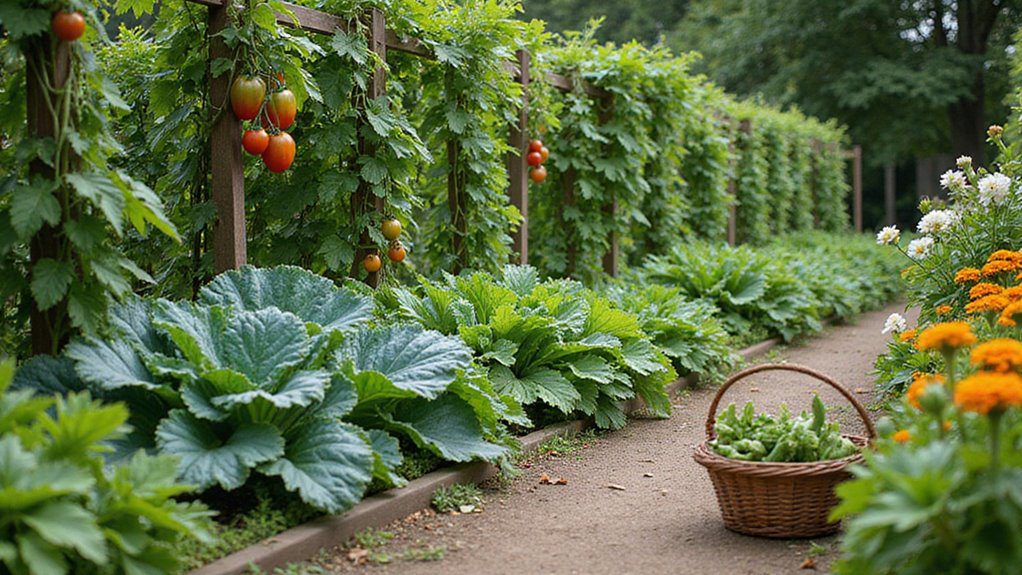
When I first started vegetable gardening, I quickly realized that maximizing space and soil health was key to a successful harvest. Over time, I’ve refined techniques like raised beds, container planting, and even vertical gardening to suit different spaces and climates. These strategies not only boost yield but also improve sustainability. If you’re looking to transform your garden into a productive and efficient space, there are several ideas worth considering that can make all the difference.
Raised Bed Gardening for Better Soil
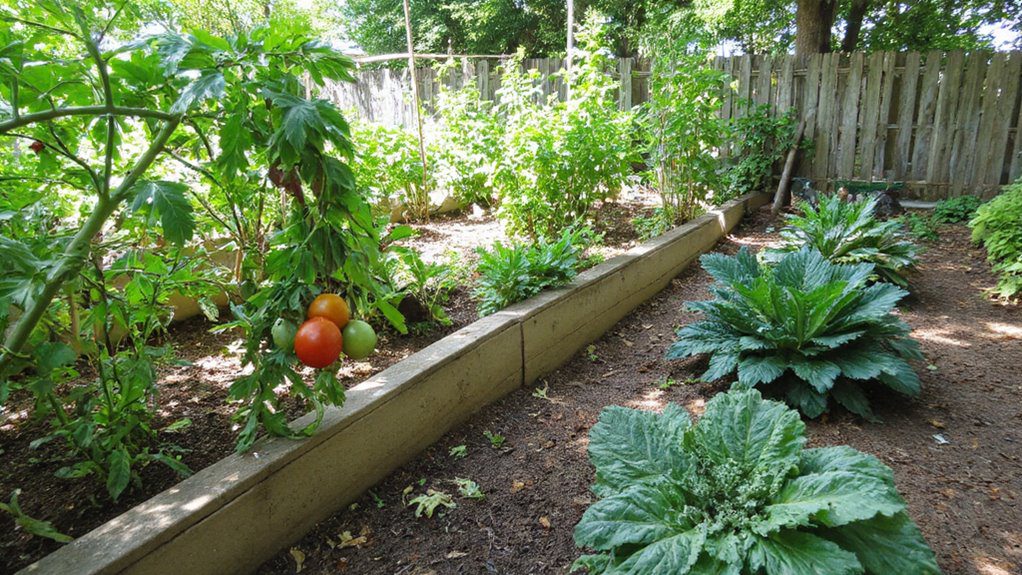
When I set up my first raised bed, I quickly noticed how much better the soil structure and drainage were compared to traditional ground-level gardening.
The elevated soil warmed faster in spring, allowing earlier planting. Its loose, well-drained nature improved root aeration and prevented waterlogging.
I made sure to build beds deeper than 12 inches, optimizing drainage unless the native soil was excessively wet.
Container Gardening Tips for Small Spaces
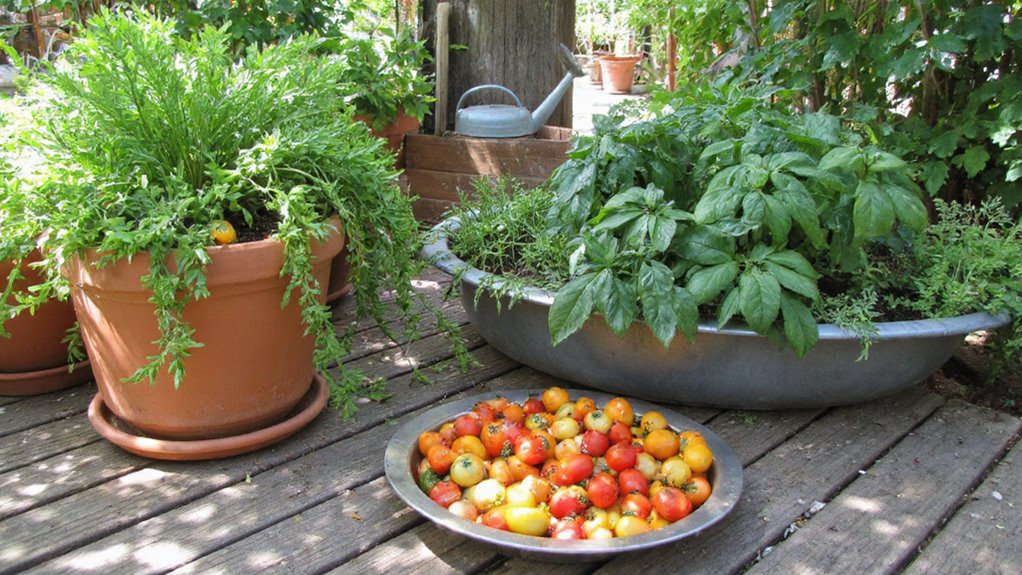
Why settle for limited garden space when container gardening lets you grow a variety of plants anywhere?
I recommend selecting containers with proper drainage and size suited to your plants. Use high-quality, well-draining potting mix, water deeply but avoid wet foliage, and place containers where plants receive adequate sunlight.
Choose compact varieties and fertilize regularly to maintain healthy growth in small spaces.
Vertical Gardening to Maximize Yield
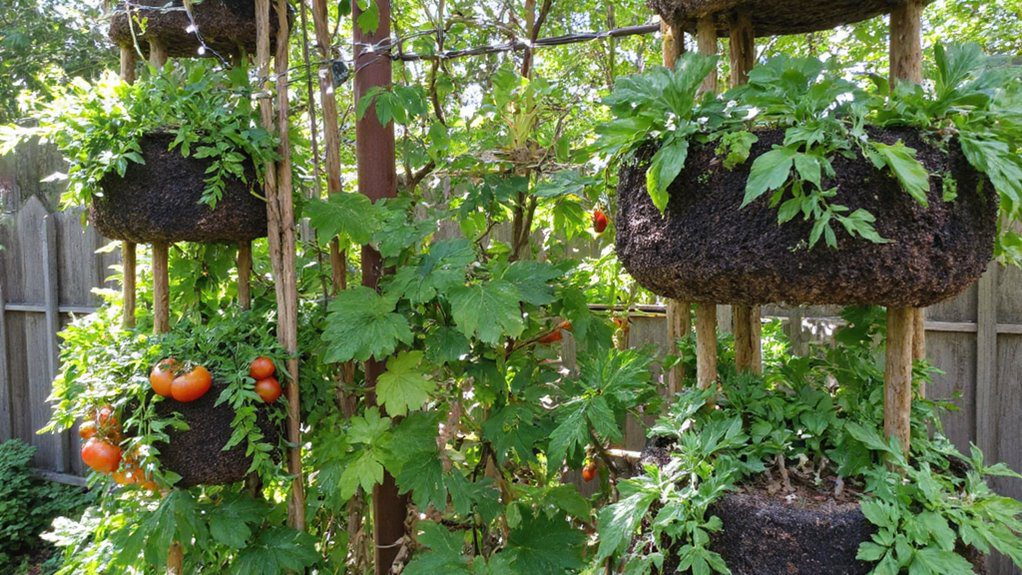
Container gardening works wonders in small spaces, but to truly maximize your yield, you’ll want to think vertically.
By training vining crops like pole beans or tomatoes on trellises, you increase plant density and sunlight exposure while improving air circulation. This reduces disease risk and makes harvesting easier.
Vertical gardening turns tight patios or balconies into highly productive growing spaces with healthier, more abundant plants.
Interplanting Fast and Slow Crops
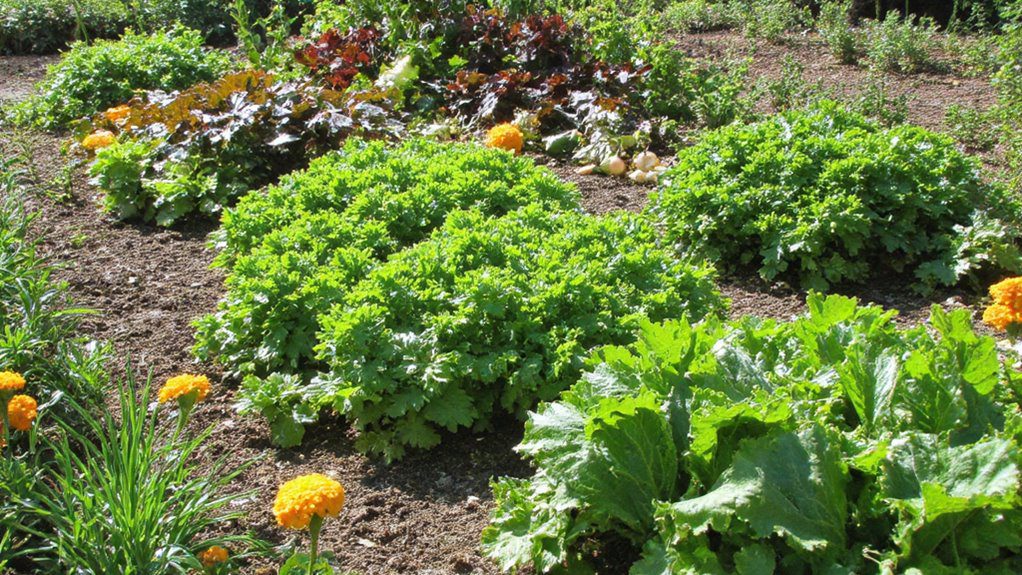
How can you squeeze the most from every inch of your garden?
Interplant fast growers like radishes or lettuce among slow crops such as tomatoes or Brussels sprouts. Harvest the quick crops before the slow ones need space, boosting yield and suppressing weeds.
Match light, water, and root depth to avoid competition and enhance soil health, maximizing your garden’s productivity efficiently.
Succession Planting for Continuous Harvest
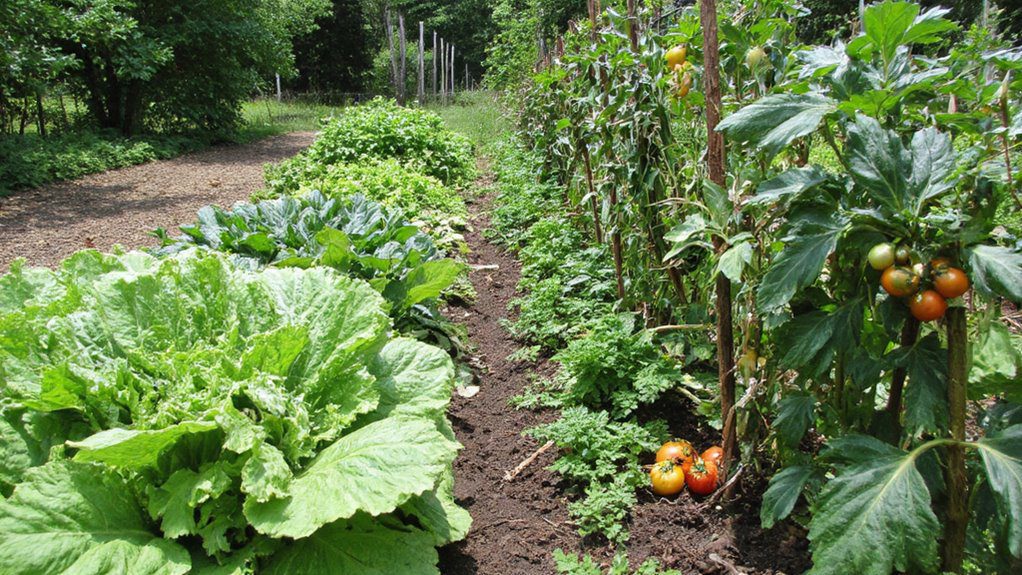
Although many gardeners focus on planting once and harvesting all at once, I’ve found that succession planting transforms a garden into a steady source of fresh produce throughout the season.
Wide Row Planting for Leafy Greens
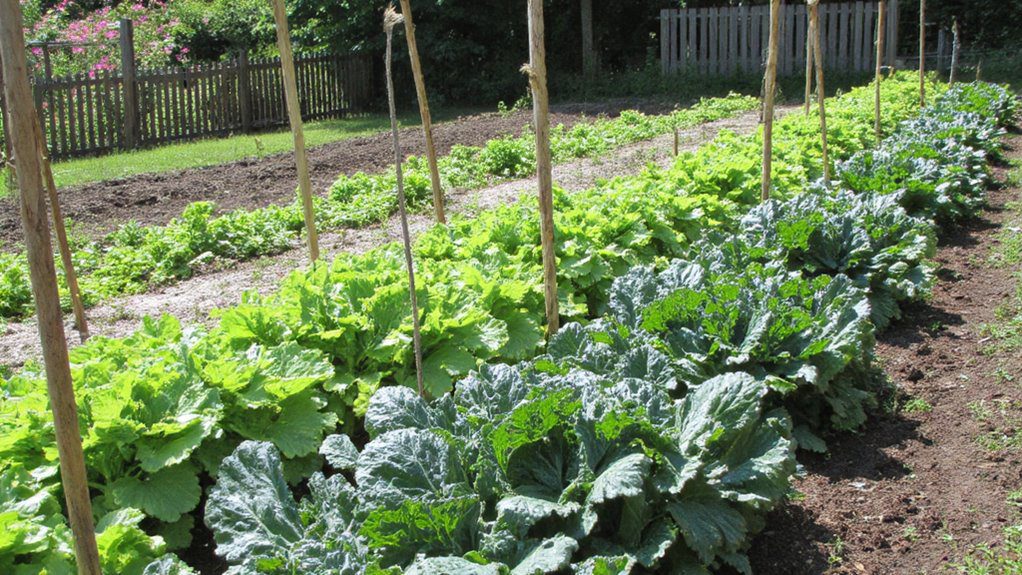
When you switch to wide row planting for leafy greens, you’ll maximize your growing space and boost yields significantly.
I plant seeds or transplants in 15-36 inch bands, accessible from both sides, which reduces paths and speeds harvesting.
Broadcasting seeds evenly or setting staggered transplants helps leaves touch at maturity, suppressing weeds and conserving moisture while demanding good soil fertility and air circulation.
Square Foot Gardening for Precise Planting
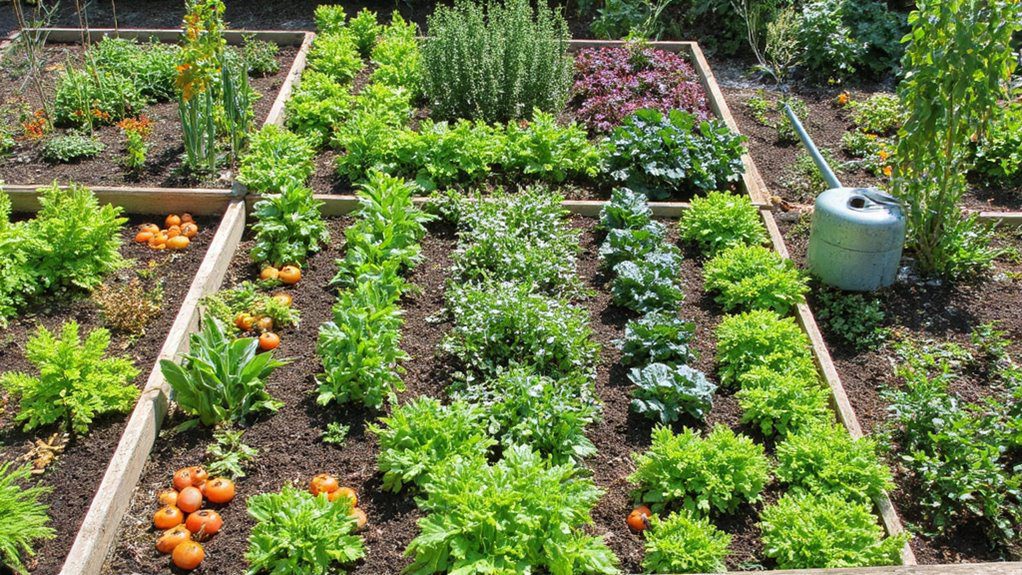
Since I started using Square Foot Gardening, my small garden has never been more productive.
I build 4×4-foot raised beds filled with Mel’s Mix, dividing them into one-foot squares for exact planting. I plant 1 to 16 seeds per square based on size, thin carefully, and use vertical trellises.
This method maximizes yield, reduces water, and minimizes weeds efficiently.
Choosing Compact and Dwarf Vegetable Varieties

Because space often limits gardening options, I focus on choosing compact and dwarf vegetable varieties that thrive in small areas like balconies and containers.
I always check seed packets for terms like “dwarf” or “patio” and select varieties such as Tiny Tim tomatoes or Bush Blue Lake beans.
These plants need proper pot sizes, frequent watering, and often support for optimal growth.
Companion Planting for Natural Pest Control
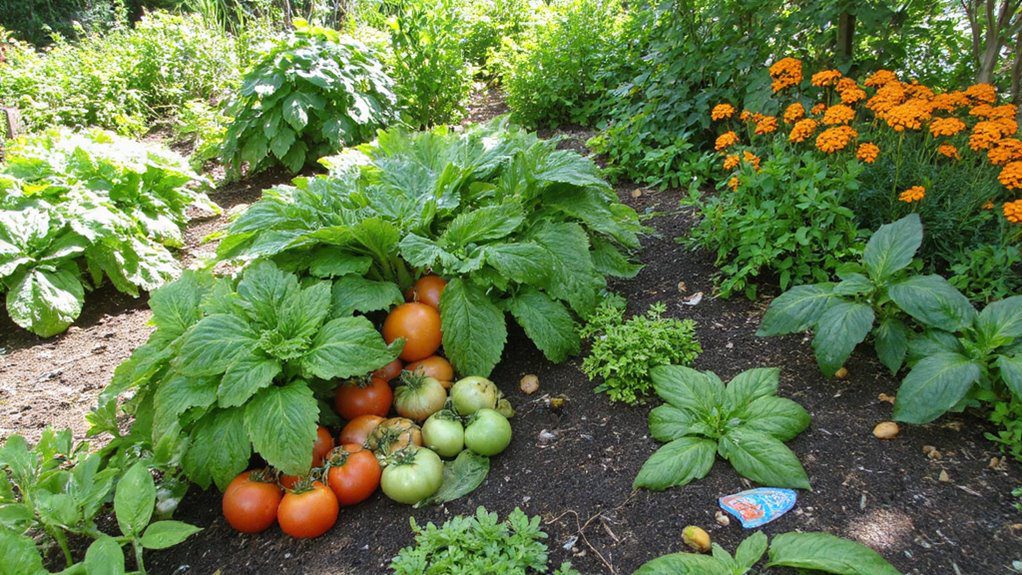
Although pests can quickly damage a vegetable garden, I rely on companion planting as a natural and effective way to keep them in check.
I plant marigolds and alliums to repel aphids and beetles, attract ladybugs with dill and sweet alyssum, and use nasturtiums as trap crops.
This diversity confuses pests, masks crop scents, and supports beneficial insects for balanced pest control.
Crop Rotation to Maintain Soil Health
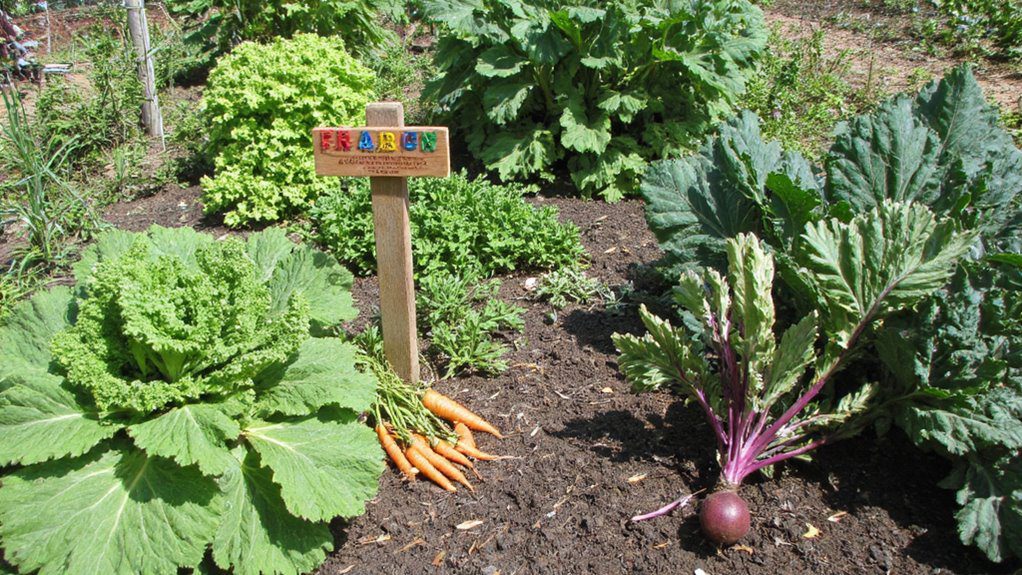
Keeping pests under control through companion planting sets a strong foundation, but maintaining soil health requires another thoughtful strategy: crop rotation.
I systematically plant different families—like legumes, brassicas, and solanaceae—across beds yearly to balance nutrients, improve soil structure, and interrupt pest cycles.
This prevents nutrient depletion, enhances water retention, and reduces disease buildup, making my garden more sustainable and productive over time.
Integrating Flowers to Attract Pollinators
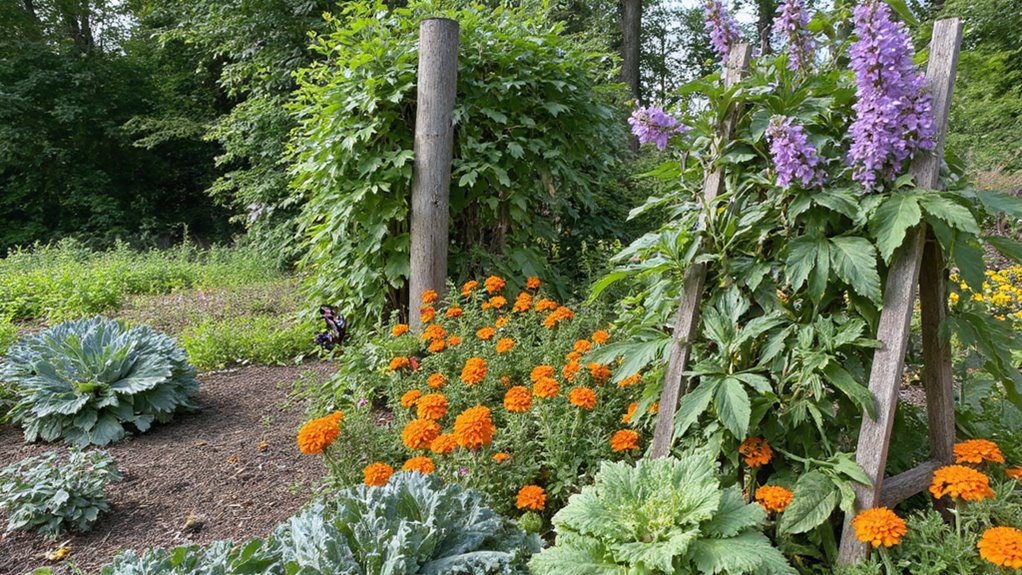
How can flowers transform your vegetable garden beyond mere aesthetics?
By attracting diverse pollinators essential for fruit and seed production, they boost yields significantly.
I recommend planting native, simple flowers with staggered blooms near veggies needing pollination.
Cluster them for easier access, provide water, and avoid pesticides.
Including herbs that flower and host plants also supports beneficial insects and sustains pollinator populations.
Using Colorful Vegetables for Visual Appeal

Three key ways to add vibrant color to your vegetable garden come from foliage, roots, and fruits.
I recommend using purple kales or golden chard for striking foliage contrasts.
Rainbow carrots and striped beets add surprising root colors.
For fruits, mix peppers of varied hues and variegated tomatoes.
Group colors boldly and place tall, colorful plants like kale at bed ends for maximum visual impact.
Designing a Potager Garden With Gravel Paths

A well-designed potager garden thrives on thoughtful path planning that balances functionality with aesthetics.
I ensure paths are at least 70cm wide for wheelbarrows and align them with natural foot traffic and bed patterns.
I excavate 10cm deep, lay weed-proof fabric, crushed stone, then 5cm of angular gravel for durability, drainage, and easy maintenance, raking regularly to keep surfaces even.