

I’ve learned that proper airflow is vital for maintaining the health of plants by enabling efficient gas exchange; this process allows plants to absorb CO2 necessary for photosynthesis and expel O2. Without adequate air circulation, humidity levels can rise, creating an environment conducive to fungal diseases and attracting pests. Strategically placed oscillating fans can simulate natural breezes and promote more robust stem development through thigmomorphogenesis, a response to mechanical stimulation. Adequate airflow also ensures temperature regulation within the proper range, enhancing pollen distribution for improved plant yields. With a better understanding of these mechanics, you’ll appreciate how airflow impacts overall plant vitality and growth.
Understanding Air Circulation Basics

Why is air circulation so crucial for plant vitality? Proper air circulation is fundamental in managing the microclimate around indoor plants, ensuring they thrive. It facilitates efficient gas exchange through stomata, enabling plants to absorb carbon dioxide and expel oxygen effectively.
Without it, plants might suffocate in their own output, so to speak. Enhanced airflow not only prevents issues such as plant diseases but also improves water evaporation, which can be beneficial in maintaining soil moisture balance.
More critically, stagnant air fosters elevated humidity levels, creating a breeding ground for fungal diseases. This moisture-laden environment also attracts pests detrimental to plant health.
Utilizing oscillating or exhaust fans helps mimic natural breezes, warding off these threats by dispersing stale, humid air and replacing it with fresh, drier currents. Monitoring these conditions with precision tools like thermometers and hygrometers ensures the environment remains optimal for plant growth.
Benefits of Optimal Airflow
Having explored how vital proper air circulation is for maintaining plant health, let’s now examine the specific advantages optimal airflow offers.
Optimal airflow facilitates efficient photosynthesis by ensuring a steady supply of carbon dioxide, crucial for converting sunlight into energy and oxygen.
Adequate air circulation reduces the risk of fungal diseases by lowering humidity levels and preventing moisture accumulation that fosters pathogen growth.
Strong airflow promotes the development of robust stems through thigmomorphogenesis, enhancing cell wall strength.
Effective air movement also enhances pollination by facilitating the distribution of pollen, leading to increased yields, and supports the vital role of pollinators in sustaining biodiversity and ecosystem health.
Additionally, consistent airflow helps regulate temperature within the growing environment by carrying away excess heat, reducing plant stress, and maintaining optimal growth conditions.
Common Airflow Obstacles
Efficient airflow is critical for plant health, yet several common obstacles can impede this necessary circulation. Overcrowding plants in your grow room, for instance, drastically reduces air circulation. This not only traps heat and humidity but also elevates the risk of pests and diseases.
Additionally, improper layout without adequate spacing can further inhibit fresh air from reaching each plant effectively. Smoke exposure can exacerbate these issues by depositing particulate matter that clogs stomata, further reducing a plant’s ability to engage in essential gas exchanges.
Obstructions like furniture or heavy equipment can block both natural and artificial airflow pathways, exacerbating the problem. Similarly, opting for plant varieties with dense foliage can significantly decrease gas exchange, impairing essential photosynthesis processes.
Moreover, inadequate ventilation systems fail to facilitate sufficient air turnover, leading to the accumulation of stale air and increasing the likelihood of mold and fungal infections.
Choosing the Right Equipment
After exploring common obstacles that hinder plant airflow, let’s now focus on selecting the appropriate equipment to optimize air circulation in your grow space.
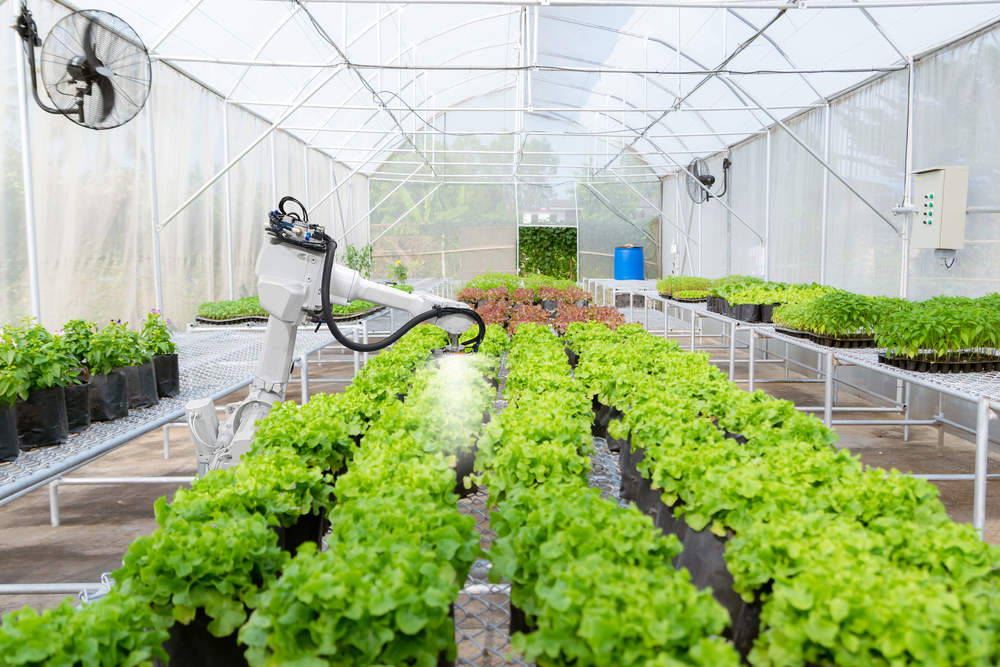
Oscillating fans are indispensable for ensuring consistent air movement, crucial for averting hotspots and maintaining uniform temperatures.
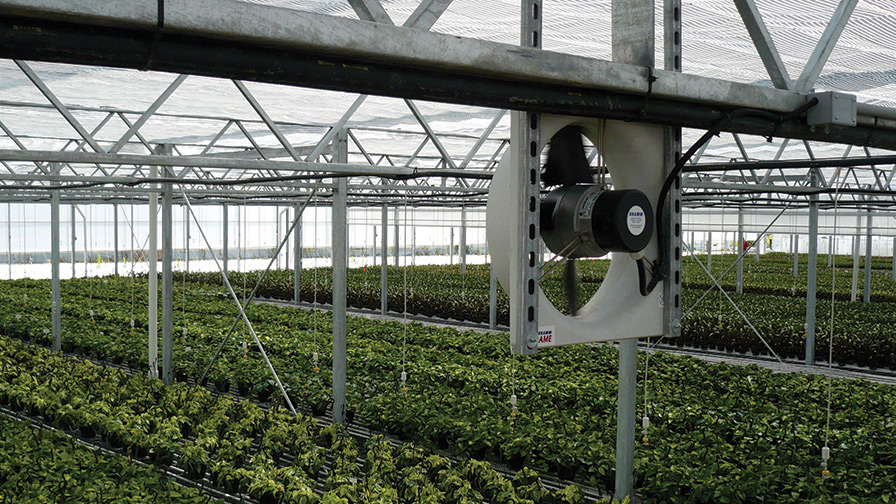
Equally vital, exhaust fans play a pivotal role in expelling stale air and ushering in fresh air, pivotal for sustaining optimal carbon dioxide levels necessary for photosynthesis.
Incorporating carbon dioxide generators can significantly boost CO2 concentrations, enhancing plant growth, but must be balanced with adequate air circulation to avert toxicity.
Additionally, utilizing air filters purifies incoming air, reducing pollutants and dust, while thermometers and hygrometers are essential for monitoring and maintaining ideal temperature and humidity levels.
Effective Airflow Techniques
To optimize plant health and growth, it’s crucial to implement effective airflow techniques in your indoor garden.
Utilizing oscillating fans can create a gentle, effective air movement, mimicking natural wind conditions to reduce mold risk and enhance plant vitality.
Positioning plants near open windows can significantly improve air circulation, facilitating optimal gas exchange and nutrient uptake.
Installing exhaust fans is essential for removing stale air and controlling humidity, thus preventing harmful pathogen buildup.
Regularly monitoring environmental conditions with thermometers and hygrometers ensures airflow systems are fine-tuned, maintaining a stable growth environment.
Additionally, avoid overcrowding plants to ensure proper air movement around each specimen, reducing moisture retention and minimizing the risk of fungal diseases.
Signs of Inadequate Airflow

Recognizing the signs of inadequate airflow in your indoor garden is crucial for maintaining optimal plant health.
Yellowing leaves, especially at the edges, often signal moisture retention issues stemming from poor air circulation. This condition impedes the adequate supply of carbon necessary for photosynthesis and overall vitality.
Additionally, brown spots on foliage may indicate fungal infections, a common consequence of stagnant air environments. Soft, droopy foliage also suggests excess moisture, a prime condition for disease proliferation due to insufficient air movement.
Moreover, the presence of fine white films or mushrooms indicates fungal growth, further exacerbated by poor air circulation. An increase in fungus gnats around plants is another telltale sign of inadequate airflow, as these pests thrive in damp, low-ventilation conditions.
Managing Temperature and Humidity
Maintaining an optimal temperature around 75°F and a humidity level between 50-60% is essential for preventing plant stress and promoting robust growth.
Consistent air circulation is crucial in regulating temperature, particularly in dissipating excess heat from grow lights that could otherwise damage your plants. High humidity creates a breeding ground for fungal diseases; however, adequate airflow helps in lowering humidity, thus mitigating infection risks.
Implementing proper ventilation systems, including duct fans and exhaust mechanisms, is vital for expelling stale air and averting humidity buildup.
It’s important to regularly monitor these environmental variables using thermometers and hygrometers, allowing for precise adjustments in airflow management to maintain an ideal growing condition for your plants.

Enhancing Plant Health and Yield
Ensuring adequate airflow around your plants significantly boosts their health and increases the yield of fruits, seeds, and vegetables.
Adequate air circulation is crucial as it supplies a steady stream of carbon dioxide, essential for photosynthesis. This process allows plants to efficiently produce oxygen and glucose, vital for their growth.
Additionally, improved airflow reduces humidity levels, which minimizes the risk of fungal diseases and promotes a healthier environment. Strong airflow also triggers thigmomorphogenesis, resulting in sturdier stems that better withstand environmental stressors.
Furthermore, regular air movement enhances pollination, facilitating the transfer of pollen and boosting yield. Effective circulation also helps dissipate excess heat from grow lights, maintaining optimal conditions for plant development.