

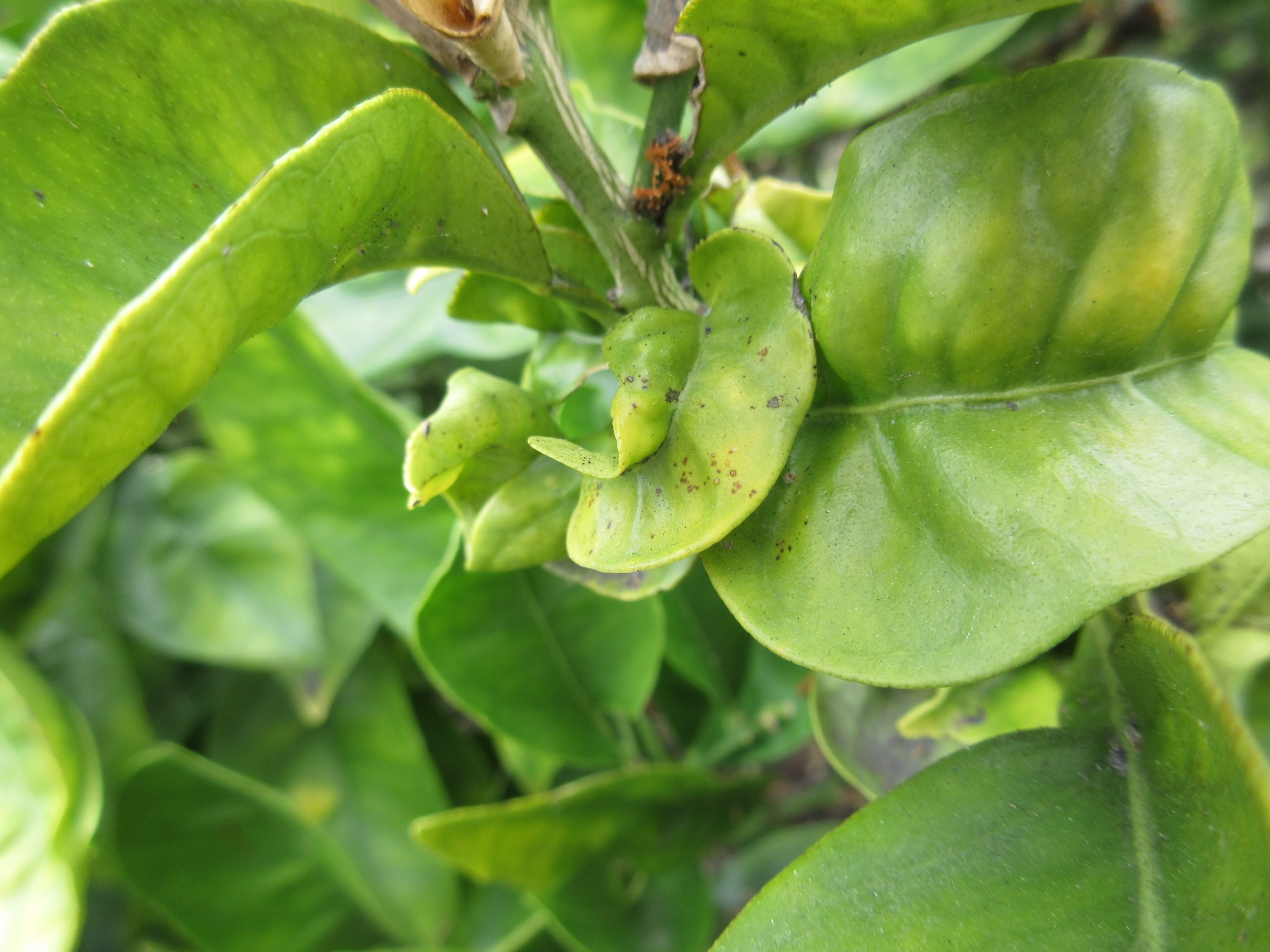
If your lemon tree leaves are curling, it could be due to diseases, pests, stress, or nutrient issues. Factors like extreme temperatures, over-watering, and poor soil conditions may lead to leaf curl. Addressing these issues promptly is crucial to prevent further damage. Providing proper care, adjusting watering practices, and ensuring good drainage can promote citrus tree health. Remember, a holistic approach to tree care and recognizing early symptoms are key to maintaining healthy lemon trees. Additional insights on managing leaf curl and promoting tree vitality are available in the detailed research provided.
Common Causes of Leaf Curl

Leaf curl in citrus trees can result from various factors such as disease, insect infestations, extreme temperatures, over-watering, or deficiencies in the soil. Newly planted citrus trees are particularly susceptible to leaf curl as they acclimate to their environment. When newly planted citrus trees experience stress from factors like inadequate watering or poor soil conditions, they may exhibit symptoms of leaf curl. It is crucial to address these issues promptly to prevent further damage and promote the health of the trees.
To tackle leaf curl in newly planted citrus trees, a thorough assessment of the planting site and environmental conditions is necessary. Adjusting watering schedules to ensure proper moisture levels, checking for signs of insect infestations, and conducting soil tests to identify any deficiencies are crucial steps in determining the cause of leaf curl. By addressing these underlying issues promptly and providing the necessary care, you can help your newly planted citrus trees recover and thrive.
Effects of Temperature on Citrus

Temperature fluctuations play a significant role in impacting the health and growth of citrus trees. Citrus plants are sensitive to temperature extremes, with both extreme heat and cold stress potentially leading to leaf curl. When exposed to high temperatures, citrus leaves can curl up and turn yellow or brown, affecting the overall health of the tree. Conversely, cold snaps can also trigger leaf curl, posing a threat to the vitality of the citrus plant.
To mitigate the effects of temperature on citrus plants, it is crucial to adjust watering practices and provide shade during temperature fluctuations. Additionally, using products like Tui Organic Seaweed Plant Tonic can help citrus trees cope with temperature stress and maintain leaf health. Monitoring temperature changes and promptly addressing any leaf curl issues can significantly support the overall well-being of your citrus trees. By being attentive to temperature variations and implementing proper care strategies, you can help your citrus plants thrive despite temperature challenges.
Identifying Root Rot Symptoms

To understand the health of your lemon trees comprehensively, it is imperative to recognize the symptoms of root rot, as they manifest through specific indicators affecting the leaves. Root rot symptoms in lemon trees often present as yellowing, wilting, and curling of leaves, indicating impaired root function. These signs are primarily caused by overly wet soil conditions that create a favorable environment for root rot development, ultimately leading to leaf curling and a decline in tree health.
When inspecting the roots of your lemon tree, look for brown discoloration, a mushy texture, and reduced water uptake, as these are common signs of root rot affecting the leaves. Root rot compromises the tree’s ability to absorb nutrients efficiently, further exacerbating leaf curling and inducing overall stress on the lemon trees. Timely detection and treatment of root rot symptoms are crucial to prevent further damage and promote leaf recovery in lemon trees. Be vigilant in monitoring your lemon tree’s root health to ensure its vitality and productivity.
Nutrient Deficiencies and Leaf Curl
Addressing nutrient deficiencies is crucial in preventing leaf curl on lemon trees, as yellow leaves often signify issues with essential nutrients like iron or zinc. When lemon trees lack these vital nutrients, they exhibit symptoms such as leaf curling, yellowing, and stunted growth. To combat this, providing the right nutrients at the right time is essential. Below is a table outlining key nutrients, their functions, and sources for lemon trees:
| Nutrient | Function | Sources |
|---|---|---|
| Iron | Essential for chlorophyll production | Iron chelates, EDDHA iron |
| Zinc | Aids in enzyme production and growth regulation | Zinc sulfate, zinc chelates |
To address nutrient deficiencies and prevent leaf curl, consider using citrus-specific fertilizers rich in iron and zinc. Additionally, applying organic seaweed tonics can enhance nutrient absorption and promote healthy leaf development. Remember, maintaining proper drainage, avoiding over-fertilization, and providing adequate protection from extreme heat are crucial steps in ensuring your lemon trees receive the necessary nutrients to thrive and avoid leaf curl issues.
Hot Weather Impact on Leaves

High temperatures can significantly influence the curling of lemon tree leaves, impacting their overall health and growth. When exposed to hot weather stress, lemon trees tend to curl their leaves as a mechanism to conserve moisture. This response leads to increased water loss through transpiration, causing the leaves to curl inwards. To mitigate leaf curling due to hot weather, it is crucial to provide adequate water and shade during heatwaves. Ensuring the tree has sufficient moisture helps prevent excessive water loss and maintains leaf turgidity.
In addition to watering practices, mulching around the base of the lemon tree can assist in retaining soil moisture and regulating temperature. Mulch acts as a protective barrier, reducing moisture evaporation from the soil and creating a more stable environment for the roots. Pruning the tree to remove excess foliage can also help decrease water loss and alleviate stress during periods of hot weather. By implementing these strategies, you can effectively combat leaf curling caused by hot weather stress and promote the overall health of your lemon tree.
Protecting Citrus From Cold

Citrus trees face significant vulnerability to cold temperatures, which can induce leaf curling and potential damage. To protect citrus from cold, consider covering them with frost cloth or blankets during freezing nights. Additionally, utilizing cold protection methods such as heat lamps or creating a temporary greenhouse can safeguard citrus trees from extreme temperatures. It is crucial to avoid planting citrus trees in areas prone to frost or cold pockets to prevent leaf curl and cold damage effectively. By providing adequate mulch around the base of citrus trees, you can help insulate the roots and protect them from cold stress. Remember, proactive measures such as these can make a significant difference in the health and vitality of your citrus trees during cold weather. Take the necessary steps to shield your citrus plants from the adverse effects of low temperatures for optimal growth and fruit production.
Wind Damage and Leaf Curl

To prevent wind damage and leaf curl in lemon trees, it is important to understand the impact of excessive movement and stress on the foliage caused by strong winds. Strong winds can lead to dehydration of leaves, resulting in curling and browning. Here are some expert tips to protect your lemon trees:
- Provide Windbreaks: Erect barriers like fences or shrubs to shield the lemon trees from strong winds.
- Choose Sheltered Planting Locations: When the tree is planted, opt for areas that are naturally sheltered from strong winds.
- Monitor Weather Conditions: Stay informed about upcoming windy weather and take preemptive measures to protect your lemon trees.
- Ensure Proper Watering: Adequate watering can help mitigate the effects of wind-induced stress on the leaves.
- Try Moving Potted Trees: If possible, try moving potted lemon trees to more sheltered locations during windy periods.
Following these best methods can help prevent wind-related leaf curl and ensure the health of your lemon trees.
Signs of Insect Infestation
Insect infestations, such as scale, mealy bugs, mites, and aphids, can lead to the curling of lemon tree leaves. To identify signs of infestation, make sure to closely examine your lemon tree for visible indicators like sticky residue, webs, or tiny moving pests on the leaves. It is essential to remain vigilant and regularly inspect the undersides of leaves and branches for early detection of insect pests. The best time to address insect infestations is as soon as you notice any signs to prevent further leaf curl damage. Swift action is key in treating infestations promptly with suitable sprays or insecticides. By effectively controlling insect pests, you can help restore the health of your lemon tree and prevent future leaf curl issues. Remember, proactive management of insect infestations is crucial for maintaining thriving lemon trees.

Understanding Leaf Curl Disease
A critical factor to consider when delving into leaf curl disease in lemon trees is understanding its origins and impact on tree health. This fungal infection, primarily caused by Taphrina deformans, affects the leaf morphology of citrus trees. Recognizing the symptoms of leaf curl disease is crucial; look out for distorted, curled, and discolored leaves, especially on new growth, which can lead to stunted leaves and reduced fruit production. To tackle this issue, treatment options involve pruning affected branches, applying fungicides, and overall promoting tree health. Prevention plays a key role in managing leaf curl disease; ensuring proper watering practices, providing adequate sunlight, and maintaining good air circulation around the tree can help in disease prevention and maintaining tree health in the long run.
Adjusting Watering Practices

Maintain optimal soil moisture levels through proper watering practices to prevent leaf curl in lemon trees. Check soil moisture regularly and adjust watering frequency to ensure consistent and adequate moisture for your lemon tree. Under-watering can lead to drought stress, while over-watering can cause waterlogging, both contributing to leaf curl. Mulching around the base of the tree provides numerous benefits, including retaining soil moisture, which aids in healthy leaf growth and prevents leaf curl. Proper drainage is crucial to prevent waterlogging, as excess water in the soil can suffocate the roots and lead to leaf curl. Be mindful of weather conditions and adjust your watering practices accordingly to prevent leaf curl and maintain the overall health of your lemon tree. By following these watering guidelines, you can help your lemon tree thrive and minimize the risk of leaf curl.
Importance of Good Drainage
Proper drainage plays a critical role in preventing waterlogged soil, root rot, and citrus leaf curl in lemon trees. When it comes to ensuring the health of your lemon tree, good drainage is key. Here’s why it matters:
- Soil composition: Well-draining soil is essential for lemon trees as it prevents water from pooling around the roots, which can cause root rot and leaf curl.
- Drainage solutions: Implementing drainage solutions such as raised beds, adding organic matter to the soil, or using containers with drainage holes can help maintain proper soil moisture levels.
- Root health: Adequate drainage promotes healthy root development by preventing water stress and ensuring oxygen availability to the roots.
- Nutrient retention: Proper drainage prevents nutrient leaching, ensuring that essential nutrients remain available for the lemon tree’s uptake.
- Overall plant health: Maintaining good drainage not only prevents root suffocation but also contributes to the overall well-being of the lemon tree, reducing the risk of leaf curl and other issues.
Providing Adequate Nutrients
Ensure that your lemon trees receive adequate nutrients to prevent leaf curl and promote healthy growth. When it comes to providing nutrients, consider the following factors. Pruning techniques can help redirect nutrients to essential areas of the tree. Regularly check and adjust the soil pH, aiming for a slightly acidic level between 6.0 and 7.5 to ensure optimal nutrient uptake. Adequate watering frequency is crucial; too much or too little water can hinder nutrient absorption. Ensure your lemon tree receives sufficient sunlight exposure, ideally around 6-8 hours per day, for proper photosynthesis and nutrient utilization. Utilize mulching to retain soil moisture, suppress weeds, and enhance nutrient availability. Opt for organic fertilizers like Tui Organic Seaweed Tonic, rich in essential nutrients and beneficial microorganisms. Avoid over-fertilization, as excess nutrients can lead to imbalances. By monitoring your lemon tree’s nutrient needs and providing them with the right care, you can prevent leaf curl and promote overall tree health.

Protecting Citrus From Extreme Conditions
Protecting citrus trees from extreme conditions is essential to maintaining their health and promoting optimal growth. Here are some expert tips to help safeguard your citrus trees:
- Pruning Techniques, Stress Management: Regular pruning helps improve air circulation and light penetration, reducing stress on the tree.
- Mulching Benefits, Soil Health: Mulching helps retain moisture, regulate soil temperature, and improve soil health by adding organic matter.
- Sun Exposure, Shade Solutions: Ensure your citrus trees receive adequate sunlight for optimal growth, but consider providing shade during intense heat to prevent sunburn.
- Adjusting Watering Practices: Monitor weather conditions closely and adjust watering frequency to prevent over-watering or under-watering, both of which can stress the tree.
- Timely Intervention: Regularly monitor your citrus trees for signs of stress or disease, and intervene promptly with appropriate treatments to prevent further damage.