

To attract hummingbirds, plant Bee Balm, Cardinal Flower, Zinnia, Salvia, Bleeding Heart, Trumpet Honeysuckle, Coral Bell, Flowering Tobacco, and Delphinium in your garden. Bee Balm and Cardinal Flower thrive in full sun, while Bleeding Heart prefers part to full shade. Trumpet Honeysuckle, a climbing vine, blooms abundantly. Coral Bell adds shade tolerance and beauty. Delphinium offers vertical interest. Each of these flowers attracts hummingbirds due to their vibrant colors and nectar-rich blooms. Keep in mind their specific growing conditions to ensure healthy growth. Add these beauties to your garden to enjoy the delightful company of hummingbirds.
1. Bee Balm

Bee Balm, also known as Monarda, offers a vibrant addition to your garden with its summer-blooming perennial nature and attractive tubular flowers that entice hummingbirds. This perennial plant, thriving in full sun and well-drained soil, grows to a height and width of 4-6 feet, making it a striking feature. Its nectar-rich blooms come in shades of red, pink, violet, and white, attracting hummingbirds with their tubular shape.
For those looking to create a hummingbird-friendly garden, Bee Balm is an excellent choice. This plant, suited for Zones 3-9, provides a reliable food source for hummingbirds throughout the season. Additionally, there are varieties of Bee Balm that are resistant to mildew, requiring minimal maintenance while still offering beautiful blooms. By incorporating Bee Balm into your garden, you not only enhance its visual appeal with vibrant colors but also contribute to the ecological balance by supporting these delightful little birds.
2. Cardinal Flower

To further enhance your garden’s appeal to hummingbirds, consider incorporating Cardinal Flower, a perennial plant known for its scarlet tubular flowers that attract these delightful birds. Cardinal Flower (Lobelia cardinalis) is a striking addition to any garden with its spikes of bright red blooms that hummingbirds find irresistible. Thriving in full sun to part shade, this perennial prefers consistently moist soil, making it a perfect choice for areas where these conditions can be met. Growing up to 3 feet tall and 1 foot wide, Cardinal Flower adds height and color to your garden landscape. Its hardiness range from Zones 2 to 8 makes it a versatile option for various regions. By planting Cardinal Flower, you not only bring a pop of scarlet to your garden but also create a welcoming spot for hummingbirds to feed on the nectar-rich, tubular blooms.
3. Zinnia

Consider planting Zinnias in your garden for their vibrant, nectar-rich blooms that attract hummingbirds throughout the summer. Zinnias are popular annual flowers known for their diverse range of colors, excluding blue and brown, which create a visually stunning display in any garden setting. Thriving in full sun and humusy soil that is well-drained, these flowers offer versatility and can adapt to various garden conditions.
These low-maintenance plants bloom continuously during the summer months, luring hummingbirds with their abundant nectar-filled central florets. Their ability to attract these delightful birds makes them an invaluable addition to any hummingbird garden. Zinnias not only add aesthetic appeal with their bright hues but also contribute to the overall health of the garden ecosystem. If you are looking for an easy-to-grow, colorful flower that requires minimal upkeep and has the added benefit of attracting hummingbirds, zinnias are an excellent choice for your garden.
4. Salvia

Plant Salvia in your garden to attract hummingbirds with its versatile nature and colorful blooms that thrive in full sun and well-drained soil. Salvia, scientifically known as Salvia officinalis, is a plant that can be either annual or perennial, suitable for Zones 3 to 10. Varieties like Black and Blue Salvia can reach heights of 3-4 feet. These plants boast blooms in shades of mauve, pink, purple, and blue, providing a continuous feast for hummingbirds. Due to its aromatic foliage and long blooming season, Salvia is a popular choice among gardeners aiming to attract these delightful birds to their outdoor spaces. Whether you opt for an annual or perennial variety, Salvia is low-maintenance, making it a fantastic addition to any bird-friendly garden landscape. With its ability to thrive in full sun conditions and well-drained soil, Salvia is a reliable plant that adds both beauty and interest to your garden while charming hummingbirds with its vibrant blooms.
5. Bleeding Heart

A stunning perennial flower, Bleeding Heart attracts hummingbirds with its heart-shaped pink or white blooms. Ideal for part shade to full shade conditions, this plant thrives in rich, moist, well-drained soil. Known for its unique and intricate flowers, Bleeding Heart is a favorite of hummingbirds in the garden. With its long-lasting blooms, it provides a beautiful addition to gardens and landscapes. Considered deer-resistant, Bleeding Heart is a low-maintenance plant that offers nectar for hummingbirds.
| Best Growing Conditions | Special Features |
|---|---|
| Part to Full Shade | Attracts Hummingbirds |
| Rich, Moist, Well-Drained Soil | Unique Heart-Shaped Blooms |
| Deer-Resistant | Long-Lasting Flowers |
| Offers Nectar for Hummingbirds | Low-Maintenance Plant |
6. Butterfly Bush

The Butterfly Bush, scientifically known as Buddleja davidii, is a favored choice for attracting hummingbirds due to its clusters of fragrant flowers. This low-maintenance shrub blooms from summer to fall, providing a long-lasting food source for hummingbirds. Here are some key points to consider when growing a butterfly bush:
- Fragrant Flowers: The butterfly bush boasts clusters of flowers that emit a sweet fragrance, attracting not only hummingbirds but also butterflies and bees to your garden.
- Long-Lasting Food Source: With its extended blooming period from summer to fall, the butterfly bush serves as a reliable food source for hummingbirds throughout the seasons.
- Pruning in Early Spring: To ensure healthy growth and abundant blooms, it is recommended to prune your butterfly bush in early spring before new growth begins. This practice helps maintain the shrub’s shape and encourages the development of new flowering shoots.
Butterfly bushes can thrive in Zones 5 to 9 when provided with proper care, ample sunlight, and regular pruning.
7. Trumpet Creeper

To attract hummingbirds to your garden, consider planting the Trumpet Creeper, scientifically known as Campsis radicans, a climbing vine cherished for its vibrant trumpet-shaped flowers in shades of orange, red, or yellow. This plant can reach heights of up to 35 feet, providing ample nectar for hummingbirds during the blooming season. Trumpet Creeper thrives in full sun to partial shade and prefers average, well-drained soil to support its growth. With its tubular flowers carrying a heavy nectar load, Trumpet Creeper is a favorite among hummingbirds for pollination and feeding. Native to many areas, this non-invasive vine blooms from late spring to fall, making it a valuable addition to hummingbird-friendly gardens.
| Trumpet Creeper Facts | |
|---|---|
| Scientific Name | Campsis radicans |
| Flower Colors | Orange, Red, Yellow |
| Height | Up to 35 feet |
| Blooming Season | Late spring to fall |
| Sun Exposure | Full sun to partial shade |
8. Lupine

Consider adding Lupine to your garden for its colorful spikes of pea-like flowers that attract hummingbirds and bees. This perennial plant comes in shades of purple, blue, white, pink, and yellow, adding a vibrant touch to your garden. Here are some key points to keep in mind when growing Lupine:
- Colorful Spikes: Lupine’s tall spikes of flowers create a stunning visual impact in your garden, with a range of colors that can complement various garden designs.
- Pea-Like Flowers: The unique shape of Lupine’s flowers, resembling peas, not only adds interest but also serves as a reliable food source for visiting hummingbirds and bees.
- Perennial Charm: Being a perennial plant, Lupine will return year after year, providing a consistent source of beauty and wildlife attraction in your garden.
9. Columbine

With its cheery red-and-yellow blooms that attract hummingbirds, Columbine is a versatile perennial plant suited for gardens in Zones 3-8. This native plant thrives in a variety of conditions, from full sun to part shade, making it adaptable to different garden settings. Columbine prefers moist, well-drained soil to reach its full potential, growing up to 3 feet tall and 2 feet wide. Its unique tube-shaped flowers not only add a pop of color to your garden but also serve as a vital food source for hummingbirds and butterflies.
Columbine’s ability to self-seed easily allows for naturalization in your garden, creating a low-maintenance and sustainable landscape. By planting Columbine, you are not only enhancing the visual appeal of your garden but also supporting local wildlife. Whether you have a sunny spot or a partially shaded area, Columbine is an excellent choice for adding beauty and attracting hummingbirds to your outdoor space.
10. Petunia
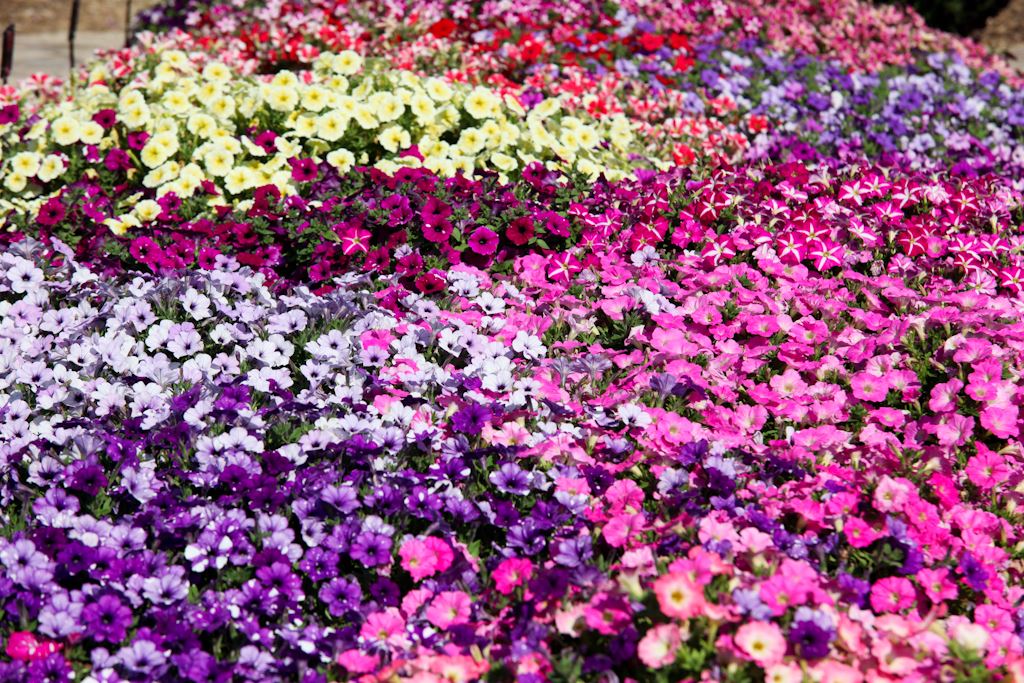
Petunias, annual flowers thriving in USDA Zones 10 to 11, boast trumpet-shaped blooms in a variety of colors that attract hummingbirds. These vibrant flowers are an excellent choice for gardeners looking to add a pop of color while inviting hummingbirds to their outdoor space. Here are some key points about petunias:
- Full Sun: Petunias thrive in full sun, requiring at least 6 hours of direct sunlight daily to bloom profusely and maintain their vibrant colors.
- Trumpet-shaped Blooms: The distinctive trumpet-shaped flowers of petunias serve as a beacon for hummingbirds, attracting these delicate creatures to your garden.
- Easy-to-grow: Known for their low maintenance, petunias are easy to grow and are perfect for beginners or those looking to add a splash of color without too much effort.
11. Penstemon
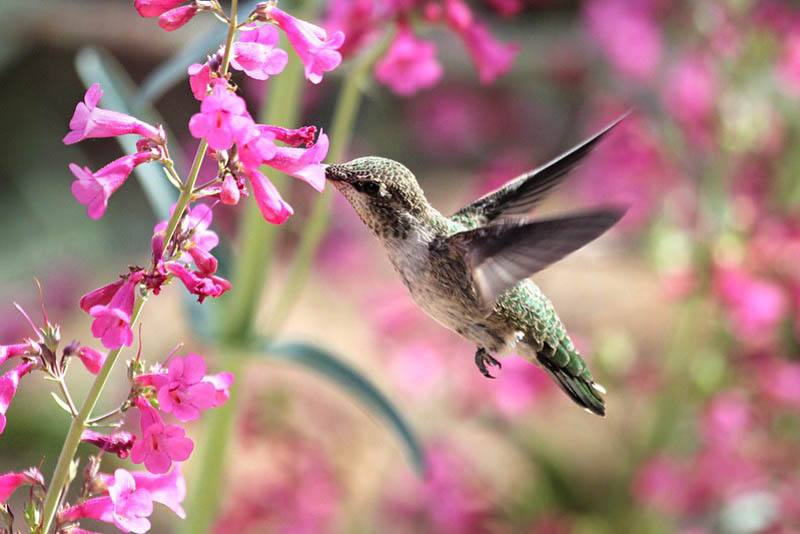
Penstemon, a native North American plant, requires minimal maintenance and thrives in full sun conditions. One of the notable features of Penstemon is its tubular flowers that are particularly attractive to hummingbirds seeking nectar. These colorful flowers come in a wide range of shades including purple, blue, orange, red, and yellow, making them a versatile choice for any garden. With Penstemon blooming in late spring or early summer, you can count on a long-lasting supply of nectar to keep hummingbirds coming back to your garden. Below is a table highlighting the diverse flower colors of Penstemon:
| Purple | Blue | Orange | Red | Yellow |
|---|---|---|---|---|
| Yes | Yes | Yes | Yes | Yes |
12. Trumpet Honeysuckle

Native to many areas and loved by hummingbirds for its tubular flowers, Trumpet Honeysuckle, scientifically known as Lonicera sempervirens, is a climbing vine that can reach heights of 10-20 feet, making it an excellent addition to any hummingbird-friendly garden. This vibrant plant offers a feast of nectar for hummingbirds from late spring through fall. Here are some key points about Trumpet Honeysuckle:
- Colorful Blooms: Imagine your garden adorned with vibrant red, pink, orange, or yellow trumpet-shaped flowers that pop against the green foliage, attracting hummingbirds with their bright hues.
- Climbing Beauty: Picture this graceful vine winding its way up a trellis or fence, creating a stunning vertical display and providing ample opportunities for hummingbirds to feed on its nectar-rich blossoms.
- Sun-loving Charm: Envision a sunny spot in your garden where Trumpet Honeysuckle thrives, offering a picturesque setting for hummingbirds to visit regularly and enjoy the delightful nectar this plant provides.
13. Coral Bell
:strip_icc()/purple-palace-coralbells-heuchera-2af3c0c3-775561fbb7d440628cfd2aa9e14ab616.jpg)
Coral Bells, also known as Heuchera, are highly valued in gardens for their attractive foliage and shade tolerance. These plants, belonging to the Heuchera spp., not only offer a variety of foliage colors and textures but also produce delicate wands of tiny flowers in late spring. Hummingbirds are particularly drawn to Coral Bell flowers due to their rich nectar content, making them a delightful addition to any garden aiming to attract these winged visitors.
When considering planting Coral Bells in your garden, keep in mind their shade tolerance and adaptability to Zones 3 to 9. This versatility allows them to thrive in various growing conditions, making them a popular choice for many gardeners. To further emphasize the importance of Coral Bells in your garden, the table below highlights key features of these plants:
| Feature | Description |
|---|---|
| Attractiveness | Attractive foliage and blooms |
| Hummingbird Appeal | Rich nectar attracts hummers |
| Growing Zones | Versatile, suitable for Zones 3-9 |
| Foliage Diversity | Various colors and textures |
| Bloom Time | Late spring blooms |
14. Flowering Tobacco
:strip_icc()/domino-flowering-tobacco-0eebf612-3218e115e0cd4c4cafbe3c6fd5916670.jpg)
Flowering Tobacco, also known as Nicotiana, offers a colorful and versatile addition to hummingbird gardens due to its tubular flowers that attract these winged pollinators. This annual plant is a great choice for those looking to create a vibrant and wildlife-friendly garden. Here are some key points to consider when growing Flowering Tobacco:
- Color Variety: Flowering Tobacco comes in a range of colors such as yellow, green, white, pink, and red, allowing you to create visually appealing garden designs.
- Light Requirements: Thriving in areas with full sun to partial shade, Flowering Tobacco can adapt to different light conditions, making it suitable for various garden settings.
- Deer-Resistant: This plant is a good option for gardens prone to deer as it is deer-resistant, ensuring that your blooms remain protected from these animals.
With its tubular flowers, preference for full sun to partial shade, and deer-resistant qualities, Flowering Tobacco is a practical and beautiful choice for your hummingbird garden.
15. Delphinium
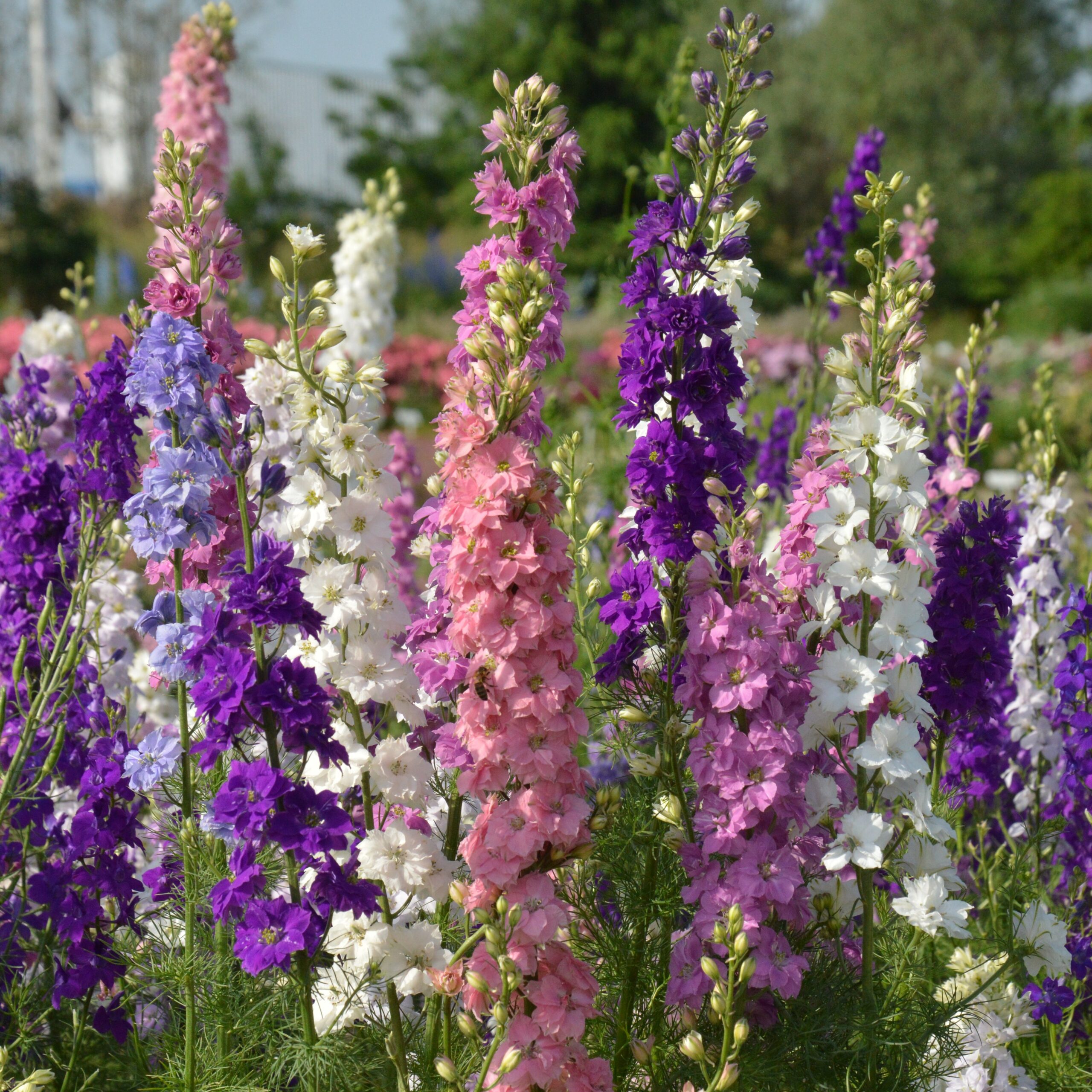
Consider adding Delphinium to your garden to introduce tall, towering flowers that provide vertical interest in mixed borders or containers. Delphiniums are known for their abundant blooms on each stem, offering a rich source of nectar for hummingbirds and butterflies. These vibrant flowers come in various shades like pastel, blue, pink, purple, and white, attracting hummingbirds with their colorful display.
Beyond their visual appeal, Delphiniums are favored for their long blooming period, making them a reliable choice in gardens. Some Delphinium varieties have increased heat tolerance, broadening their suitability across different growing conditions. Their striking appearance and nectar-rich flowers make Delphiniums a stunning addition to any garden, especially appreciated by hummingbirds for their attractive blooms.
If you’re looking to add a touch of elegance and wildlife-friendly features to your garden, Delphiniums are an excellent choice, bringing beauty and biodiversity together seamlessly.