

Plant dill with cabbage, corn, lettuce, onions, and cucumbers for a thriving garden. Dill boosts flavor, deters pests, and ensures a balanced ecosystem. Hosting dill near corn attracts beneficial insects for pest control, while aromatic compounds keep aphids away. Lettuce and dill make a protective duo against common pests, promoting both plants’ health. Dill and onions team up to fend off aphids and spider mites, boosting each other’s growth. Harmonize cucumbers and dill for mutual benefits and improved pollination. Remember to keep carrots away from dill to avoid cross-pollination risks and protect dill’s vitality.
1. Compatible Plants for Dill

When growing dill in your garden, consider planting it alongside compatible plants such as cabbage, corn, lettuce, onions, and cucumbers to enhance its growth and flavor. These plants act as companions to dill, creating a harmonious environment that benefits all involved. Dill’s companions not only aid in its development but also serve as natural pest deterrents, protecting the delicate herb from harmful insects.
By strategically placing dill alongside cabbage, corn, lettuce, onions, and cucumbers, you can foster a balanced ecosystem in your garden. Dill’s aromatic nature attracts beneficial insects like ladybugs and lacewings, which can help control pests that may threaten the other plants. This symbiotic relationship between dill and its companions results in healthier, more robust vegetation overall.
Additionally, planting dill alongside these compatible plants optimizes space utilization in your garden and contributes to its overall health. The combination of dill with cabbage, corn, lettuce, onions, and cucumbers is not only practical but also beneficial for the flourishing of your garden.
2. Corn
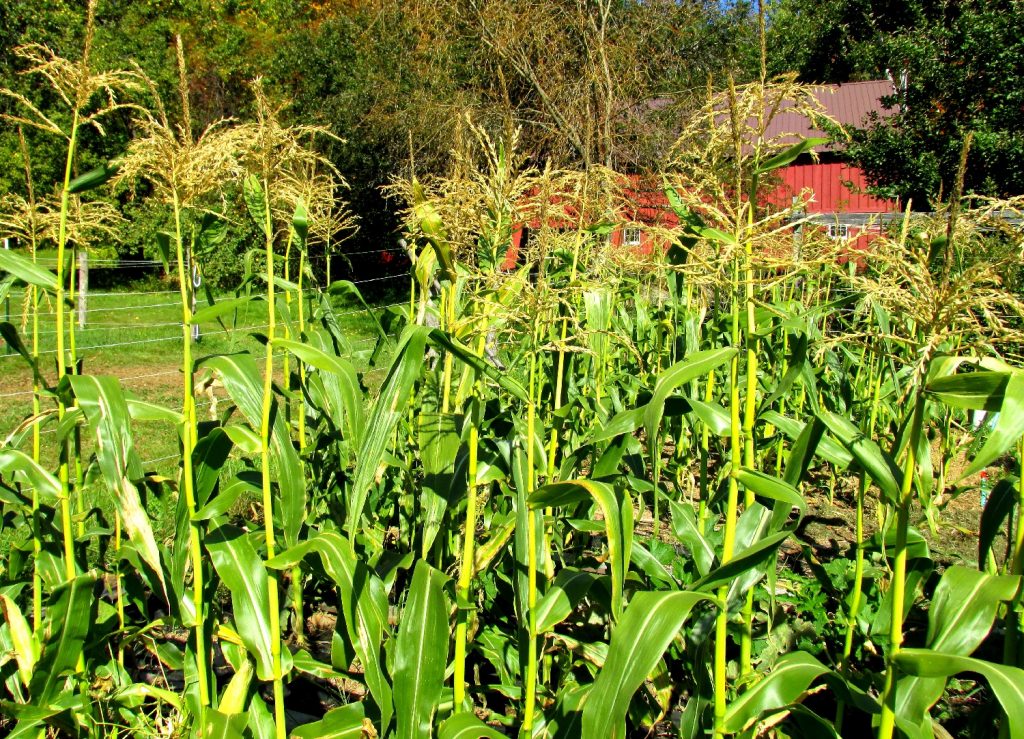
Dill’s compatibility with corn extends beyond just companionship in the garden, offering numerous benefits for the growth and health of your corn plants. When you plant dill near corn, you invite beneficial insects like ladybugs and hoverflies to the garden. These insects act as natural pest control, preying on aphids and caterpillars that can harm your corn crop. The aromatic compounds released by dill not only attract these helpful insects but also contribute to the growth and yield of your corn plants.
Furthermore, the tall, feathery foliage of dill serves a dual purpose when planted alongside corn. Not only does it provide visual interest in your garden, but it also acts as a natural deterrent against pests that might target your corn. However, be mindful of spacing when planting dill near corn to prevent overcrowding and competition for resources. By strategically incorporating dill into your corn patch, you can promote a healthier and more robust corn crop while maintaining a balanced ecosystem in your garden.
3. Lettuce
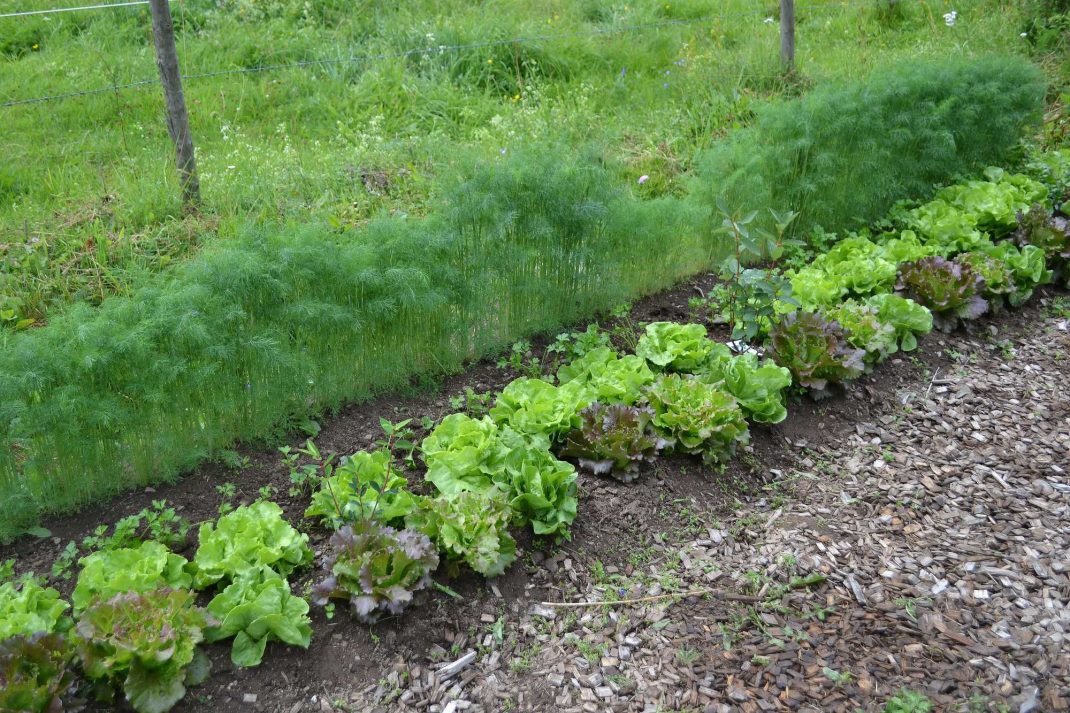
Planting lettuce near dill can result in a mutually beneficial relationship in your garden, enhancing pest protection and overall plant health. Lettuce thrives when grown alongside dill due to dill’s pest-repelling properties. The aromatic compounds released by dill act as a natural deterrent for pests that commonly affect lettuce crops. This dynamic duo not only helps in keeping harmful insects at bay but also promotes the well-being of your lettuce plants. The combination of dill and lettuce creates a harmonious environment where both plants flourish together. To make the most of this partnership, ensure you plant them in close proximity to maximize the benefits they offer each other. Remember to avoid planting dill near lettuce if you are concerned about potential cross-pollination or conflicting growth habits. By strategically integrating dill and lettuce in your garden, you can enjoy healthier crops and a more vibrant ecosystem.
4. Onions
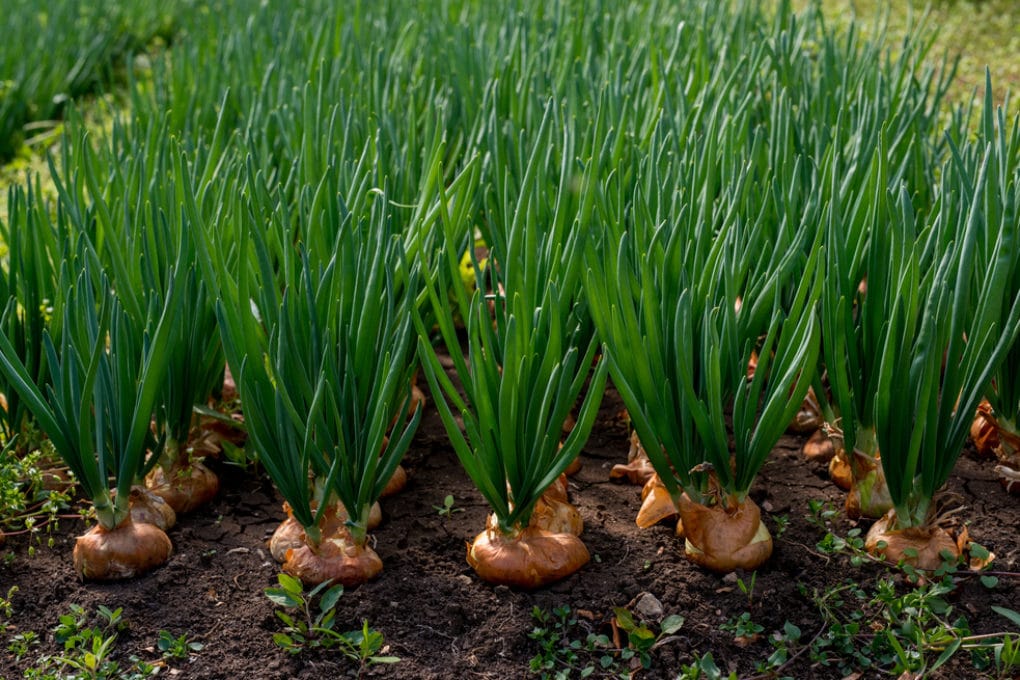
For a thriving garden ecosystem, consider the beneficial partnership between dill and onions. Onions are excellent companion plants for dill, forming a symbiotic relationship that helps in deterring common pests like aphids and spider mites. By planting dill near onions, you create a protective barrier that enhances pest resistance for both plants. The aromatic compounds released by dill not only add flavor to your dishes but also act as a natural pest repellent, keeping harmful insects at bay from the onion plants as well.
This partnership between dill and onions goes beyond just pest control. Together, they promote each other’s overall health and yield, making them an ideal combination to grow side by side in your garden. However, it’s essential to avoid planting dill near lavender, fennel, tomatoes, or sage, as these combinations could lead to growth and flavor conflicts. By fostering this beneficial relationship between dill and onions, you can create a harmonious and thriving garden ecosystem.
5. Cucumbers
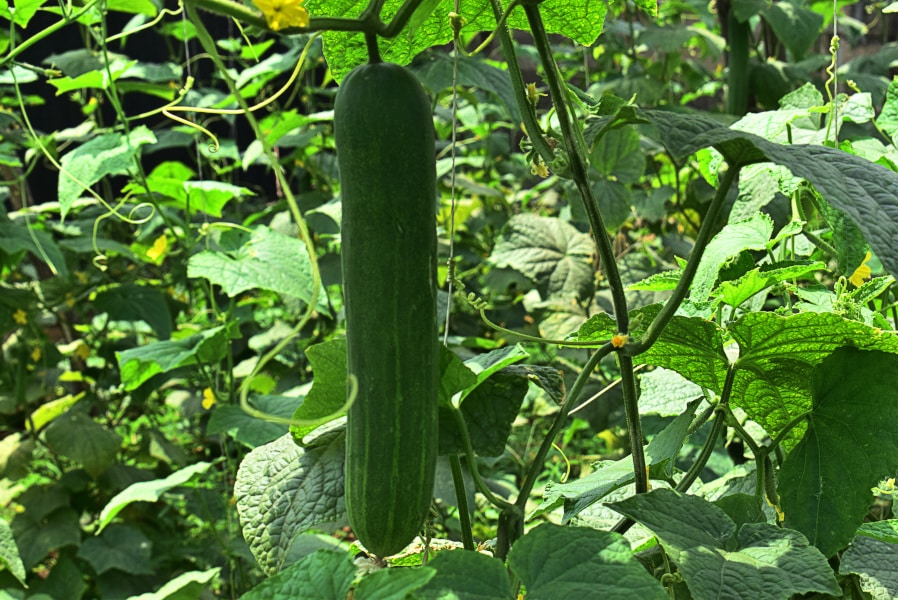
Consider the natural companionship between dill and cucumbers in your garden for mutual benefits and enhanced growth. When you plant dill near cucumbers, you’re not just creating a visually appealing garden; you’re also fostering a symbiotic relationship that aids both plants. Here’s why this pairing is beneficial for your garden:
- Pest Control Harmony: Dill attracts beneficial insects like ladybugs and green lacewings, which help control pests on cucumber plants naturally.
- Natural Beetle Repellent: The aromatic compounds in dill act as a natural deterrent for cucumber beetles, protecting your cucumber plants from potential harm.
- Enhanced Ecosystem: The relationship between dill and cucumbers can improve pollination rates and promote a balanced garden ecosystem with fewer pest issues.
6. Plants to Avoid Near Dill

To maintain the health and growth of your dill plants, be cautious of planting carrots nearby due to the risk of cross-pollination and attraction of carrot flies. Carrots and dill are not ideal companions in the garden as they can cross-pollinate, affecting the flavor and quality of both crops. Additionally, carrots are prone to attracting carrot flies, which could harm the dill plants. Another plant to avoid near dill is fennel. Fennel and dill have conflicting soil preferences and may compete for resources, leading to stunted growth or poor development of both plants. It’s best to keep these two herbs separated in your garden to ensure they both thrive independently. By avoiding planting carrots and fennel near your dill, you can promote the health and vitality of your dill plants, allowing them to flourish and provide you with a bountiful harvest.
7. Carrots

Avoid planting carrots near dill in your garden to prevent cross-pollination and potential issues with carrot flies. Carrots and dill should be kept apart due to the risk of negatively impacting each other’s growth and flavor. To ensure the best growth for both plants, it’s recommended to separate them in the garden.
When considering carrots and dill in your garden, keep in mind:
- Cross-pollination risks between carrots and dill.
- Potential attraction of carrot flies due to their proximity.
- Conflicting soil preferences, with carrots favoring well-drained, sandy soil, and dill thriving in loamy soil.