

I’m excited to share some vibrant spring planter ideas to brighten your space. Consider colorful tulip combinations like ‘Don Quichotte’ with ‘Cafe Noir’ for a striking mix. Charming Linaria adds a delightful touch, while trailing Bidens can create stunning cascades. For late blooms, try Spanish Bluebells, and don’t forget scented violas for morning joy. Incorporating dense Bacopa and early-blooming dwarf nemesia will surely enhance your display. There’s so much more to explore in creating the perfect spring planter!
1. Colorful Tulip Combinations

When it comes to creating vibrant spring displays, colorful tulip combinations can truly transform your garden.
I love mixing tulip varieties like ‘Don Quichotte’ and ‘Cafe Noir’ for striking pink and purple hues, or pairing ‘Orange Emperor’ with ‘Ballerina’ to extend blooming periods.
These dynamic color combinations not only brighten my space but also invite joy and beauty into the season. Additionally, incorporating pollinator-friendly plants alongside tulips can enhance biodiversity in your garden.
2. Charming Linaria Displays

After enjoying the vibrant displays of tulips, I find myself drawn to the charming presence of Linaria maroccana.
This annual plant brings a delightful burst of vibrant color with its showy blooms, ranging from gold to pink.
Linaria benefits your garden by attracting pollinators and self-seeding for future growth. Additionally, its nectar-rich blossoms provide essential food for various beneficial insects.
Pair it with nasturtiums or marigolds for a stunning spring display!
3. Baby Blue Eyes for a Soft Touch
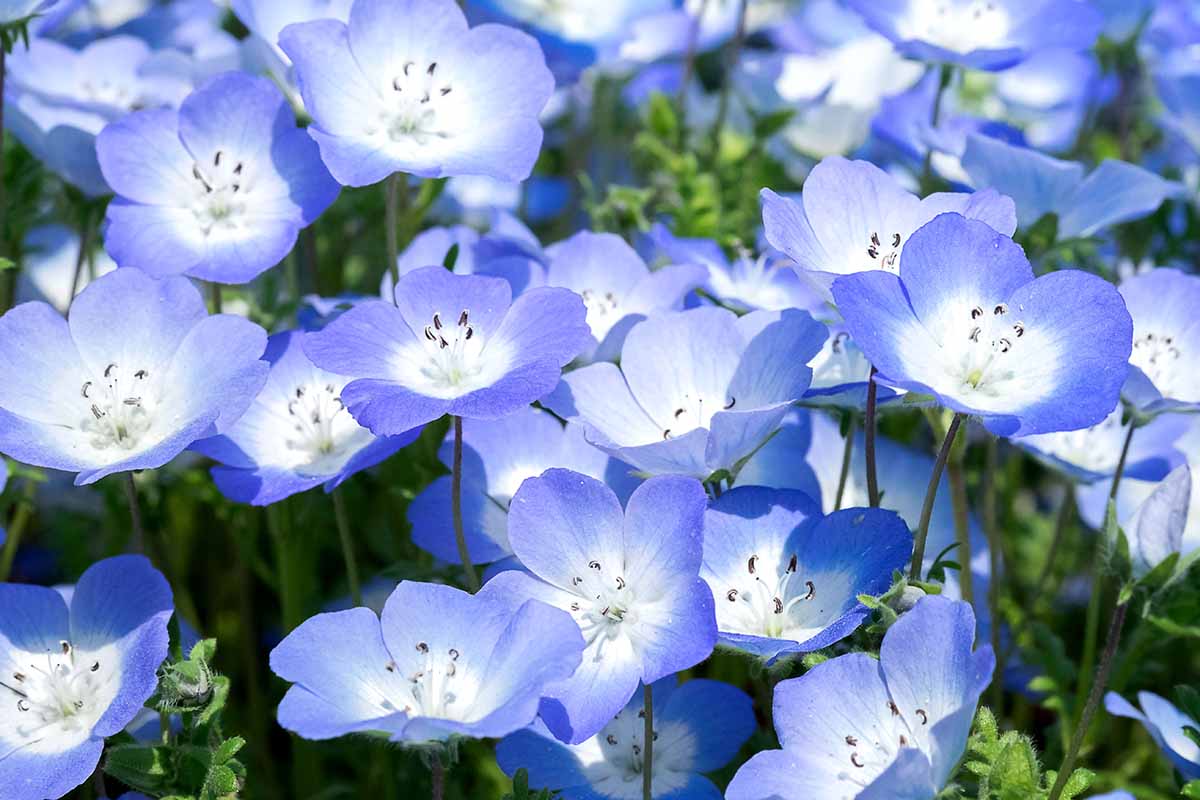
Although I often gravitate toward bold colors in my garden, the delicate beauty of Baby Blue Eyes (Nemophila menziesii) never fails to captivate me.
These charming annuals thrive in sandy soils, adding a soft touch to any space.
I love using them in companion planting with succulents and California poppies, as they attract delightful pollinators, creating a vibrant, biodiverse garden. Additionally, incorporating native wetland plants can enhance the ecosystem’s health and support a variety of wildlife.
4. Trailing Bidens for a Cascading Effect
As spring approaches and I begin to envision my garden’s transformation, I’m excited about incorporating Trailing Bidens (Bidens spp.) for their stunning cascading effect.
These trailing varieties thrive in full sun, making them perfect for my cascading planters.
With vibrant blooms from May to October, they’re not only beautiful but attract butterflies and hummingbirds, adding life to my outdoor space. Additionally, incorporating nectar-rich plants alongside Trailing Bidens will further support local pollinator populations.
5. Spanish Bluebells for Late Spring Blooms

When I think about bringing vibrant color to my spring garden, Spanish Bluebells (Hyacinthoides hispanica) immediately come to mind for their enchanting late spring blooms.
For successful planting, I follow key tips: plant the bulbs in fall, about 4 inches deep and 3 inches apart in well-drained soil.
They thrive in partial shade, and I ensure they receive weekly moisture during growth. Additionally, incorporating cold-hardy evergreen plants can provide year-round interest in your garden.
6. DIY Barrel Planters on Posts
After enjoying the vibrant blooms of Spanish Bluebells, I’m eager to enhance my garden with some creative DIY projects.
Building barrel planters on posts offers fantastic planter customization while ensuring post stability. I’ll use treated 4×4 posts, secure barrels with screws, and add drainage holes. Incorporating aquatic plants could also bring a unique touch to my garden setup.
With some flowers, mulch, and decorative touches, my garden will flourish beautifully this spring!
7. Indoor Spring Planters With Bulbs

Creating indoor spring planters with bulbs not only brightens up my living space but also brings a touch of nature indoors.
For the best indoor bulb selection, I choose firm, cold-hardy varieties like tulips or daffodils.
I fill pots with fresh container soil, ensuring good drainage, and plant bulbs closely together. This simple setup guarantees a vibrant display as spring approaches, especially if the soil has good drainage to support healthy growth!
8. Year-Round Structure With Evergreens

Incorporating evergreens into my garden not only enhances its structure but also provides a stunning backdrop throughout the year.
I love using the Dwarf Mugo Pine and Boxwood for their low maintenance needs.
For seasonal evergreen combinations, pairing them with flowering plants adds vibrancy.
Remember these evergreen maintenance tips: water moderately and prune in spring for optimal growth. Additionally, choosing fast-growing evergreens like Leyland Cypress can significantly improve privacy in your outdoor space.
9. Perennials for Continuous Bloom

While planning my garden, I’ve discovered that selecting the right perennials can make all the difference in achieving a vibrant and continuously blooming landscape.
I love mixing perennial companions like Black-Eyed Susan and Salvia, utilizing blooming strategies such as deadheading and varying bloom times.
This approach keeps my garden alive with color from early spring through fall, creating a stunning display. Additionally, incorporating drought-resistant perennials ensures that my garden remains vibrant even during dry spells.
10. Late-Season Interest With Anemones
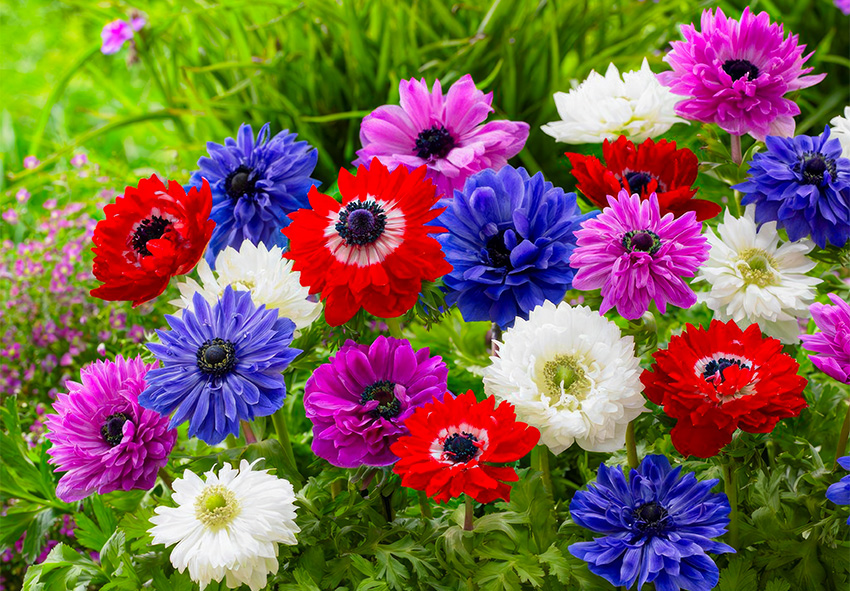
Nothing adds late-season interest to a garden quite like Anemones. Their vibrant anemone colors—ranging from crisp white to soft pink and bold red—create a stunning display well into fall.
With their tall, wiry stems and lush green foliage, the anemone textures beautifully contrast with other plants. Plus, they attract butterflies and hummingbirds, making my garden feel alive and inviting. Additionally, incorporating pollinator-friendly flowers can enhance the overall attractiveness of your garden.
11. Aromatic Herbs for Fragrance
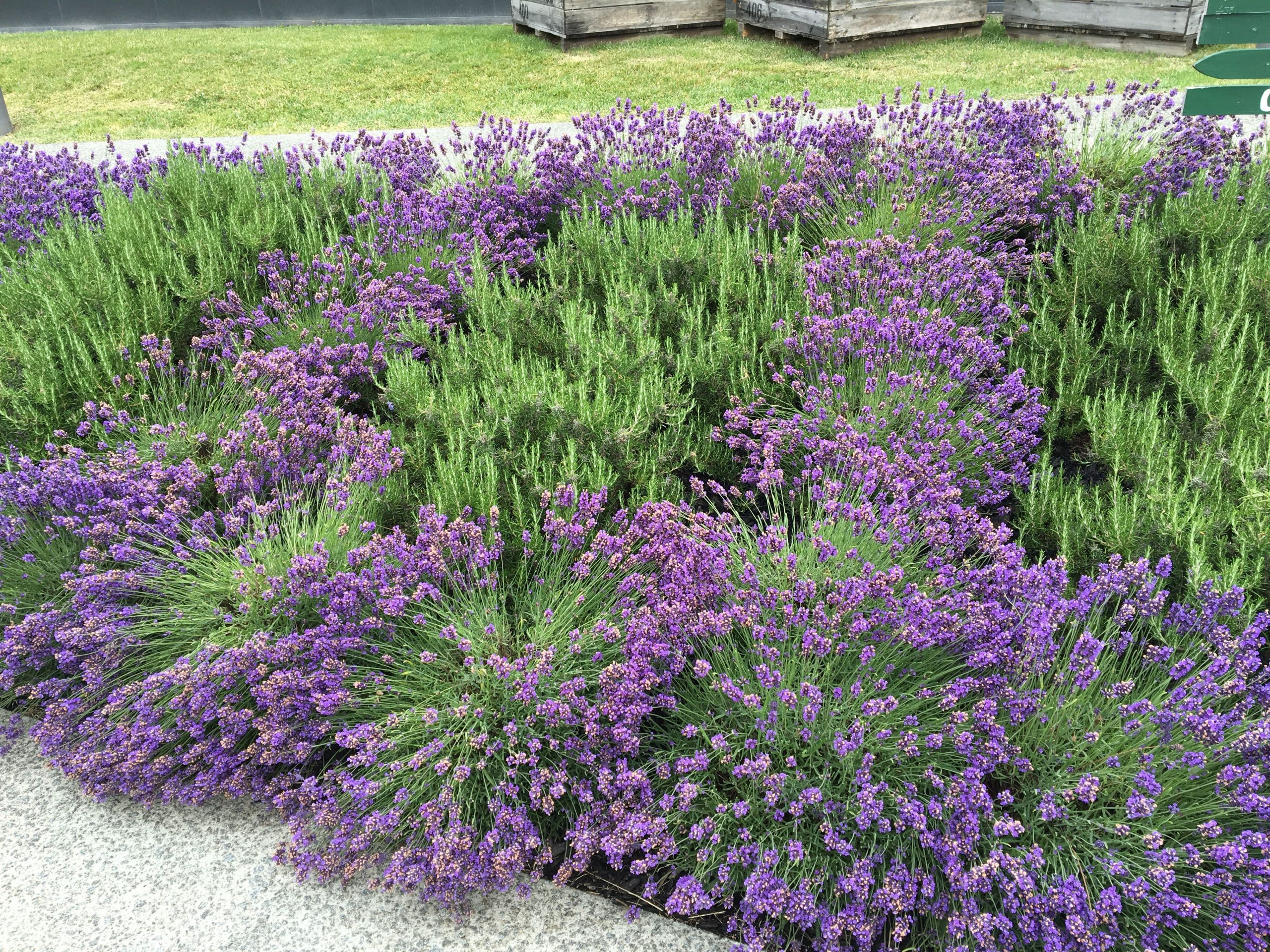
When I think about adding delightful fragrances to my garden, aromatic herbs immediately come to mind.
Lavender, mint, rosemary, and thyme offer unique herb scent profiles that elevate any space.
I love experimenting with fragrance blending techniques; for instance, rosemary pairs beautifully with floral notes.
Each herb not only enhances my garden’s aroma but also adds character to my culinary creations!
12. Scented Violas for Morning Delight

As I stroll through my garden in the early morning light, the sweet fragrance of scented violas instantly lifts my spirits.
These charming edible flowers, with their vibrant petals, make delightful scented arrangements perfect for spring.
I love to toss their leaves in salads or use the flowers to create candied treats, bringing both beauty and flavor to my culinary adventures.
13. Airy False Sea Thrift Arrangements

After enjoying the delightful scent of violas, I find myself captivated by the airy beauty of False Sea Thrift.
For stunning container designs, choose at least 3-gallon pots with drainage holes and a gritty coco peat blend.
Pair Sea Thrift with vibrant annuals like zinnias or elegant shrubs like spirea. This combination not only thrives but also creates eye-catching arrangements that delight throughout spring.
14. Dense Coverage With Bacopa

Bacopa brings a lush, dense coverage to any garden or container, making it a favorite of mine for creating vibrant displays.
Its trailing habit is perfect for hanging baskets, and it grows quickly, filling spaces beautifully.
Bacopa benefits from well-draining soil and pairs wonderfully with companions like petunias or geraniums, enhancing the overall visual appeal of your spring planters.
15. Dwarf Nemesia for Early Blooms

Dwarf Nemesia is a fantastic choice for adding early blooms to your spring planters. With vibrant nemesia color varieties, it’s hard to resist!
For the best results, follow these dwarf nemesia care tips: plant in well-drained, slightly acidic soil, water consistently without overdoing it, and provide full sun with afternoon shade in warmer areas.
Deadhead regularly for continuous blooms throughout spring and summer!