

When comparing sphagnum moss and peat moss, note that sphagnum thrives in wet habitats, while peat is a result of organic decomposition in bogs. Sphagnum has neutral pH and excellent water retention, while peat excels at moisture control and soil acidity adjustment. Sphagnum holds more water but peat also retains moisture well. Sphagnum aids airflow, while peat helps in drainage. Sphagnum grows quicker with lesser habitat impact compared to peat, which requires sustainable harvesting practices. Sphagnum suits various plants, while peat is ideal for acidic-loving plants. Their practical use also varies.
Overview of Sphagnum Moss
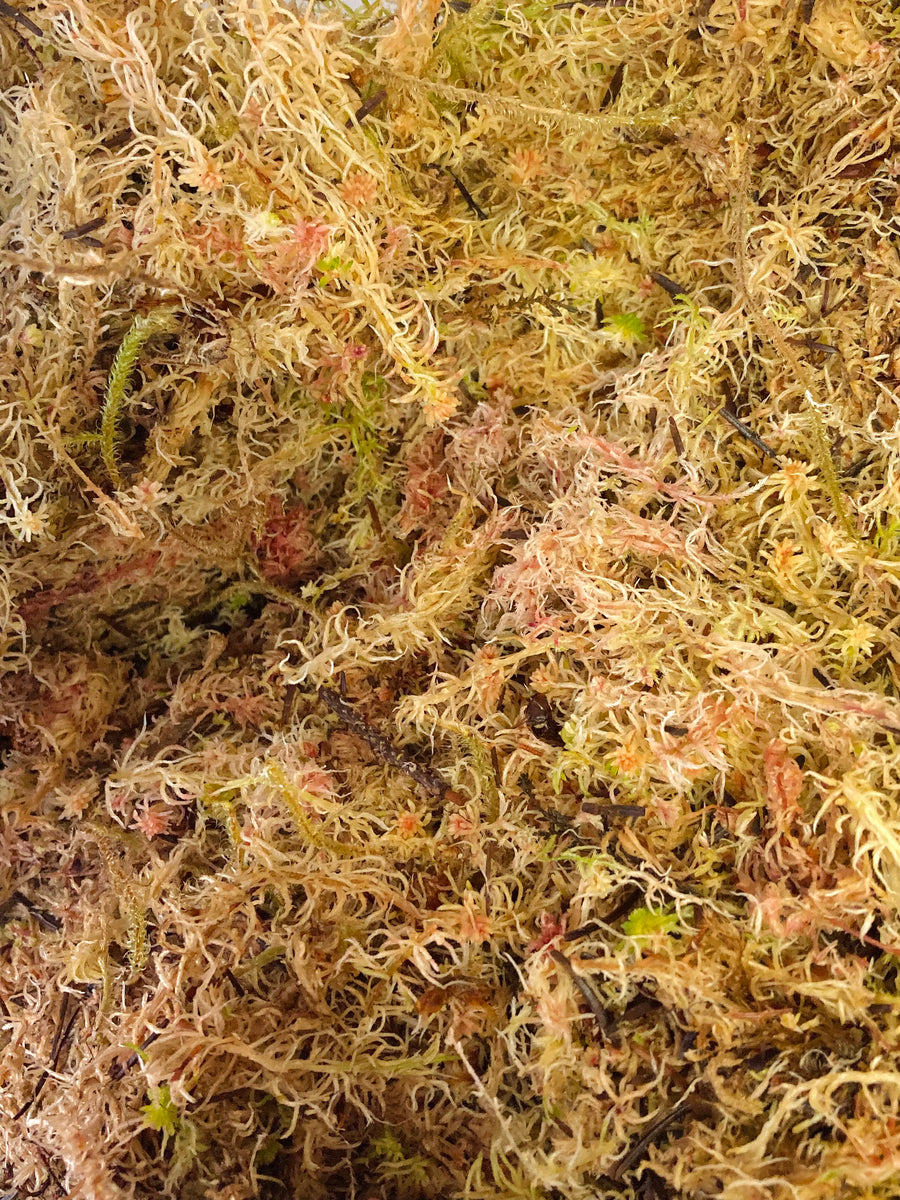
Sphagnum moss, a living moss species thriving in wet habitats, is commonly harvested from various regions such as Canada, New Zealand, Ireland, and Scotland. This moss, known for its water retention capabilities, plays a crucial role in horticulture due to its ability to hold water up to 20 times its dry weight. Gardeners often use Sphagnum moss to improve soil aeration, enhance organic matter content, and aid in plant propagation.
Among the regions where Sphagnum moss is harvested, New Zealand stands out as a significant source. The moss is carefully collected from wetlands and bogs, where it grows abundantly. Its natural green, gray, and brown colors make it visually appealing for various horticultural applications.
When incorporated into soil mixes, Sphagnum moss not only helps retain moisture but also promotes better aeration, crucial for healthy root development. Its organic composition provides a beneficial environment for plants, making it a preferred choice for propagation and hanging baskets.
Overview of Peat Moss

Peat moss, a product of long-term organic decomposition in peat bogs, serves as a valuable resource in gardening and horticulture for its exceptional moisture retention properties. Harvested from deeper layers below sphagnum moss in bog settings, peat moss undergoes a slow accumulation process over thousands of years, resulting in its unique characteristics. Here’s a closer look at the overview of peat moss:
- Fine Texture: Peat moss has a fine texture attributed to the decomposition process, making it ideal for improving soil structure and aeration in gardening practices.
- Highly Absorbent: Due to its organic nature, peat moss exhibits high water retention capabilities, aiding in maintaining soil moisture levels to support plant growth effectively.
- Acidity Regulation: Peat moss tends to be acidic, which can be advantageous when used to lower the pH of alkaline soils or for acid-loving plants, contributing to its versatility in horticultural applications.
Properties of Sphagnum Moss
Characterized by its neutral pH level and exceptional water retention capabilities, Sphagnum Moss stands out for its versatile properties in supporting plant growth. Sphagnum moss is soft and pliable, with long fibers that aid in water retention, making it ideal for moisture-loving plants. Unlike peat moss, sphagnum moss is pure and does not contain other plant materials. Commercial sphagnum moss can hold up to 70% water when hydrated, expanding in size to accommodate the moisture needs of plants effectively.
| Properties | Sphagnum Moss |
|---|---|
| pH level | Neutral |
| Water retention | Exceptional |
| Fiber length | Long |
| Suitability | Moisture-loving plants |
Properties of Peat Moss
With a composition resulting from the decay of organic materials over millennia, peat moss offers a fine texture suitable for outdoor gardening and soil enhancement. Here are some key properties of peat moss:
- Water Retention and Acidity: Peat moss is renowned for its exceptional moisture retention capabilities, making it an ideal choice for retaining water in soil. Additionally, peat moss can alter soil acidity levels, providing a suitable environment for various plants.
- Texture: Due to the gradual decomposition of organic materials, peat moss boasts a fine texture that helps aerate and loosen dense soils, promoting better root growth and nutrient uptake for plants.
- Sustainability and Environmental Concerns: While peat moss is valuable for its soil-enhancing properties, its slow accumulation process makes it unsustainable in the long term. This has raised environmental concerns regarding the depletion of peat bogs and the impact on ecosystems. Consider sustainable alternatives to peat moss for long-term soil health and environmental conservation.
Moisture Retention Comparison
In the realm of soil moisture management, comparing the water retention capabilities of sphagnum moss and peat moss reveals distinct characteristics that influence their suitability for various gardening applications. Sphagnum moss excels in moisture retention, capable of absorbing and holding up to 20 times its weight in water. This makes it an excellent choice for terrariums and hanging baskets, where maintaining consistent soil moisture levels is crucial for plant health. On the other hand, peat moss, derived from decayed sphagnum moss, also retains water effectively but at a slightly lower capacity compared to its fresh counterpart. Outdoor gardening benefits from peat moss’s moisture retention properties, as it helps prevent soil from drying out too quickly, ensuring plants have access to adequate water for optimal growth. Both sphagnum moss and peat moss serve essential roles in gardening by contributing to water retention and supporting healthy plant development in different settings.
Soil Aeration Variations
Sphagnum moss and peat moss exhibit distinct differences in promoting soil aeration, with sphagnum moss notably excelling in this aspect due to its spongy texture and long fibers. When considering soil aeration variations between these two types of moss, here are the key points to keep in mind:
- Airflow Improvement: Sphagnum moss promotes better airflow in the soil, creating an environment that reduces the risk of root rot by maintaining optimal oxygen levels for root health.
- Drainage Enhancement: Peat moss aids in loosening compacted soil and improving drainage. This enhancement contributes to better aeration by preventing waterlogging, which can hinder the movement of oxygen through the soil.
- Oxygen Penetration: The pliable nature of sphagnum moss allows for improved oxygen penetration in the root zone, essential for sustaining plant health and promoting vigorous growth.
Sustainability Factors
Sustainably harvesting sphagnum moss offers a more environmentally friendly alternative compared to peat moss extraction. When considering sustainability factors, sphagnum moss stands out for its ability to regenerate relatively quickly in wetlands. Unlike peat moss, which forms at a slow rate over thousands of years, sphagnum moss can be harvested carefully to prevent environmental damage. The practice of harvesting sphagnum moss contributes less to carbon dioxide release and habitat destruction, making it a more sustainable choice. By implementing sustainable practices in sphagnum moss harvesting, we can help maintain the health of wetland ecosystems and prevent the negative impacts associated with peat moss extraction.
| Sustainability Factors | Impact |
|---|---|
| Regeneration | Faster compared to peat moss |
| Carbon Dioxide Release | Less contribution |
| Habitat Destruction | Minimal compared to peat moss |
| Ecosystem Health | Improved with sustainable practices |
Environmental Impact Analysis
Consider the environmental ramifications of both sphagnum moss and peat moss extraction practices to comprehend their distinct impacts on wetland ecosystems.
- Sphagnum Moss: Sustainable harvesting of sphagnum moss can play a vital role in protecting wetland habitats. When cultivated or harvested in a controlled manner, sphagnum moss extraction can minimize environmental impact, ensuring the preservation of delicate ecosystems.
- Peat Moss: In contrast, the extraction of peat moss contributes to the release of carbon dioxide, a potent greenhouse gas. This practice leads to habitat destruction and biodiversity loss in peat bogs, disrupting the natural balance of wetland environments.
- Proper Management: To mitigate the negative effects of peat moss extraction and promote sustainable practices, proper management of both sphagnum moss and peat moss resources is paramount. Through careful planning and conservation efforts, wetland habitats can be preserved, safeguarding the biodiversity and ecological integrity of these crucial ecosystems.
Ph Levels and Acidity Differences
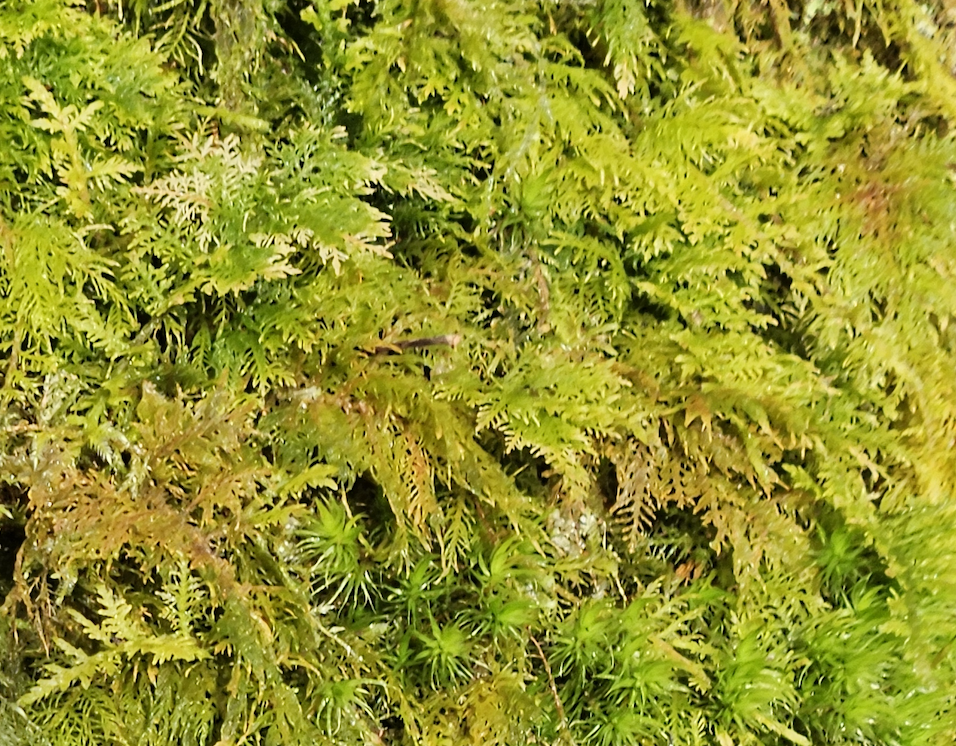
The acidity disparities between sphagnum moss and peat moss play a crucial role in determining their suitability for various plant species and gardening applications. Sphagnum moss boasts a neutral pH, making it a versatile option for a wide array of plants that thrive in balanced soil conditions. On the other hand, peat moss exhibits a more acidic nature with a pH around 4.0, making it an excellent choice for acid-loving plants. Gardeners often utilize peat moss to lower the pH of soil in alkaline areas, whereas sphagnum moss aids in maintaining a neutral pH in growing media. The distinct pH levels of sphagnum moss and peat moss significantly impact their compatibility with different plant varieties and specific gardening needs. Understanding these acidity differences is vital for selecting the appropriate material to create optimal growing conditions tailored to the requirements of particular plant species.
Practical Applications and Uses
Acidity differences between sphagnum moss and peat moss influence their practical applications and uses in various gardening scenarios. When considering which moss to use for your gardening needs, it’s essential to understand how their distinct properties can benefit your plants. Here are some key practical applications and uses of sphagnum moss and peat moss:
- Soil Moisture Retention: Sphagnum moss is excellent for aiding in soil moisture retention, making it an ideal choice for plants that require consistent hydration.
- Natural Aesthetic: Sphagnum moss, with its natural stringy or chopped-up forms and various earthy shades, is perfect for adding a touch of nature to your gardening projects.
- Soil Structure Amendment: Peat moss, known for its fine texture and light brown color, is commonly used as a soil amendment to enhance soil structure and adjust acidity levels, making it a favorite among gardeners for improving soil quality.