
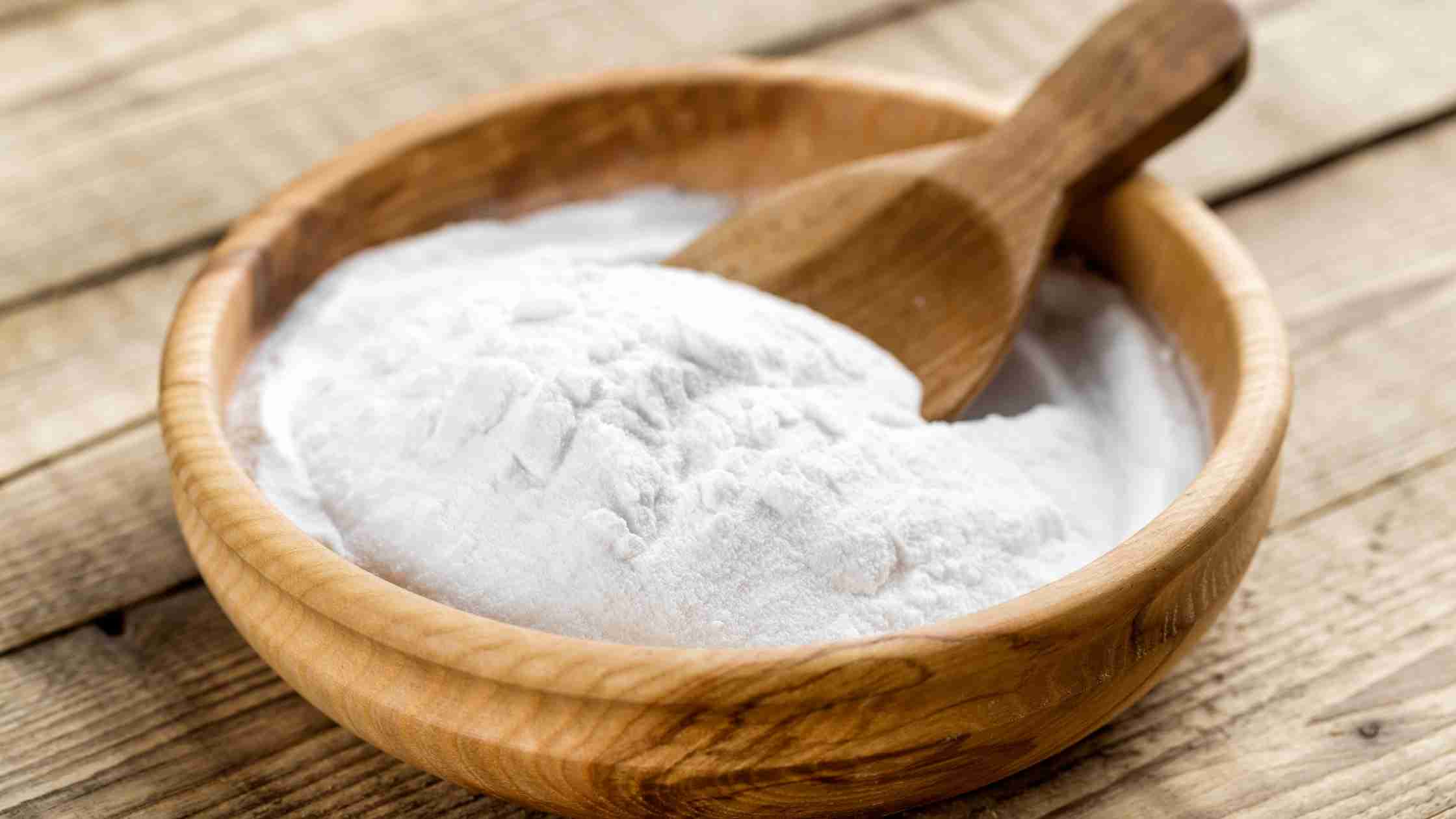
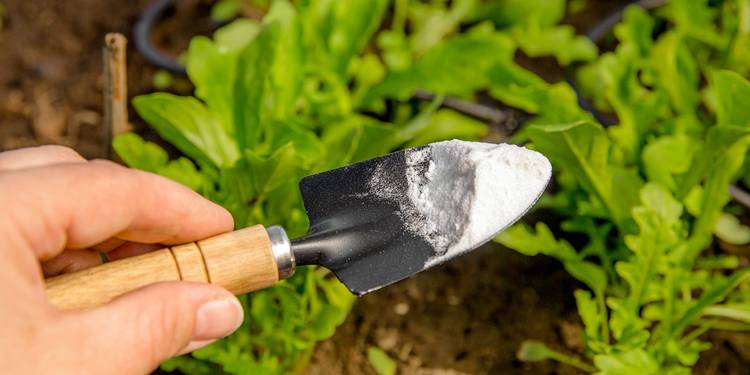
Boost your plant care arsenal with baking soda! Control fungal diseases by adjusting leaf pH levels. Safely repel pests, deterring harmful insects without harming the beneficial ones. Say goodbye to weeds naturally with a baking soda sprinkle in your soil. Clean garden equipment eco-friendly, removing grime effortlessly. Protect furniture surfaces from fungi and oil stains with baking soda. Neutralize odors outdoors, creating a pest-free and pleasant garden space. Elevate your plant care with baking soda’s many benefits, from controlling diseases to preserving cut flowers and treating sunburns.
Fungal Disease Control
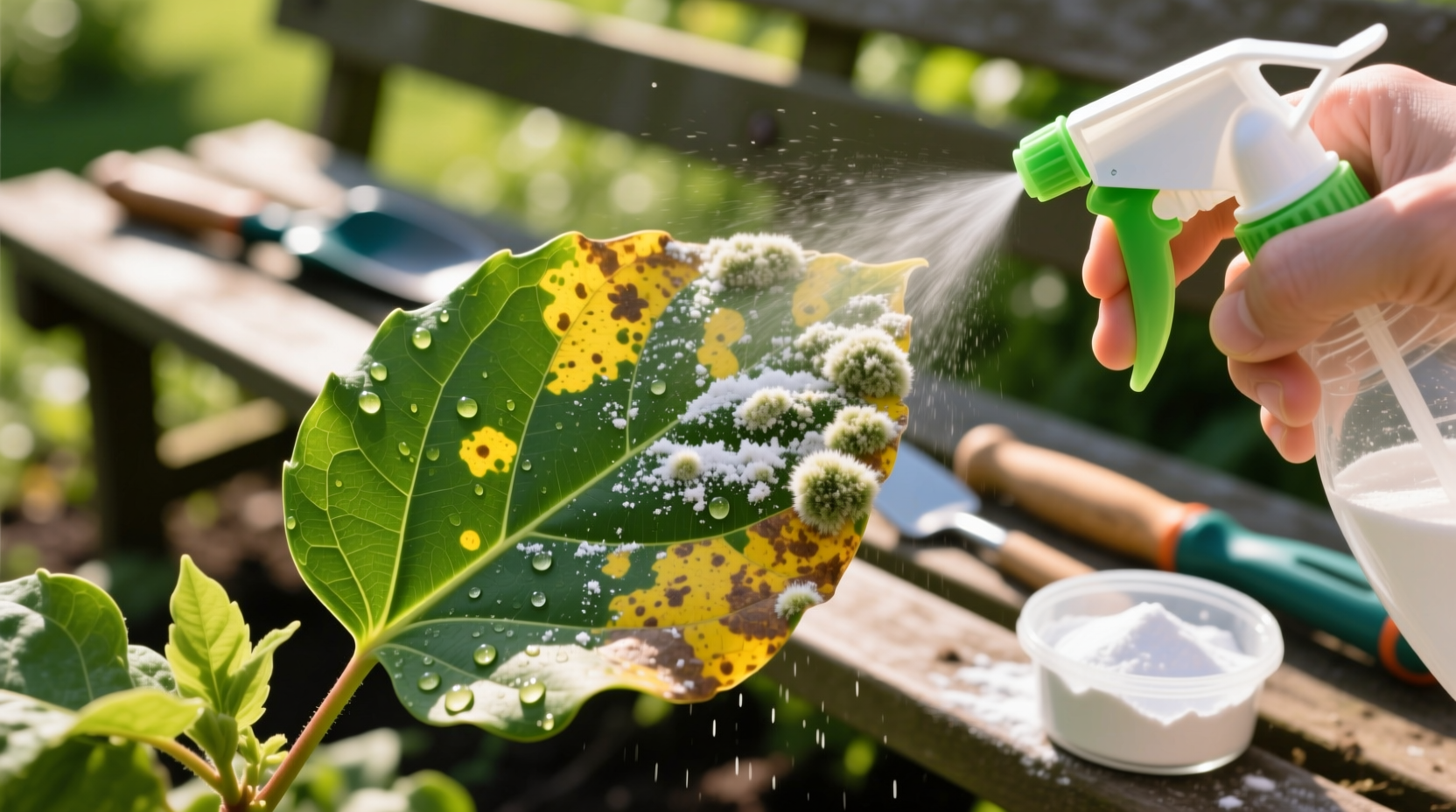
To effectively combat fungal diseases in plants, consider utilizing a baking soda mixture combined with liquid soap for a natural and proactive approach. Fungal diseases like powdery mildew and leaf spots can wreak havoc on plant leaves, affecting their health and overall growth. By using a solution of baking soda and liquid soap, you can create a protective barrier on the plant’s surface. The alkalizing properties of baking soda alter the pH levels on the leaves, making it difficult for fungi to thrive and spread. This natural remedy acts as a deterrent to fungal infections, inhibiting their growth and reproduction.
Regular application of the baking soda spray is crucial in controlling common fungal diseases in plants. The mixture serves as a safe and effective solution against powdery mildew and other fungal issues, providing a practical way to prevent plant diseases without resorting to harsh chemicals. By incorporating this natural method into your plant care routine, you can maintain healthy and vibrant foliage while keeping fungal infections at bay.
Pest Repellent
When using baking soda as a pest repellent for your plants, you are choosing a natural and safe method for pest control. This eco-friendly approach helps keep harmful insects at bay while preserving the health of your plants. Applying baking soda on the soil or as a spray is an easy and effective way to protect your garden from common pests.
Natural Pest Control
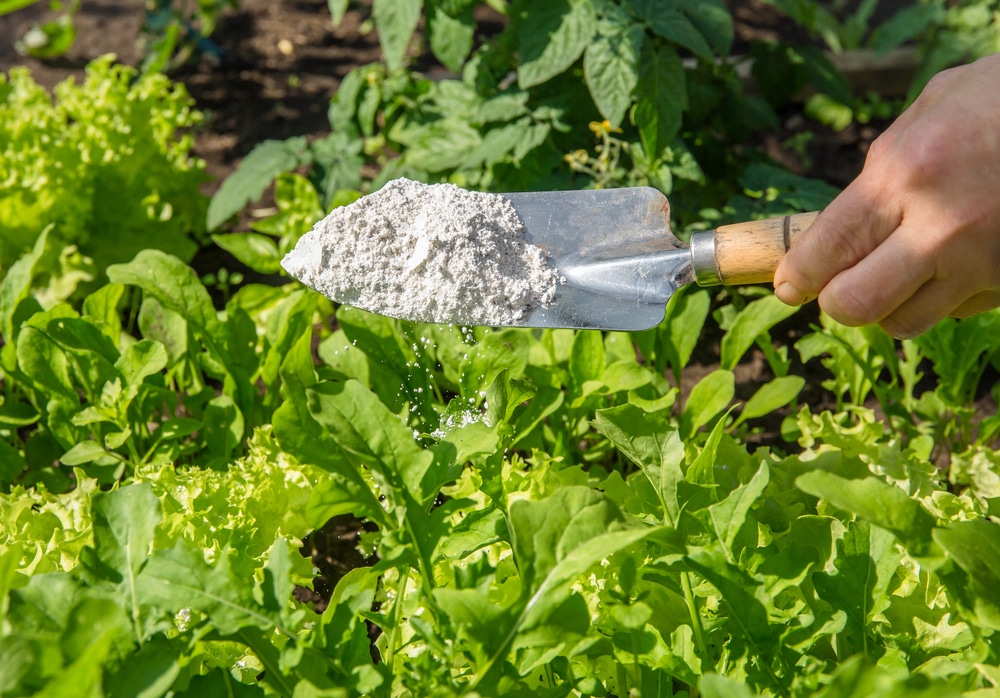
Using baking soda for natural pest control in your garden can help deter common pests like ants, roaches, and slugs without harming beneficial insects. Baking soda, when sprinkled on the soil, acts as a natural pest repellent, keeping these unwanted visitors at bay. This method is both safe and effective for protecting your plants from potential harm caused by pests. Unlike chemical pesticides, baking soda does not kill insects but instead discourages them from staying near your plants.
To illustrate the effectiveness of baking soda in natural pest control, consider the following table:
| Pest Control Method | Effectiveness |
|---|---|
| Baking Soda | High |
| Chemical Pesticides | Moderate |
| Natural Predators | Variable |
| Companion Planting | Moderate |
Safe for Plants
Sprinkle baking soda directly on the soil around your plants to effectively repel pests like ants, roaches, and slugs without causing harm to your plants. Baking soda serves as a natural pest control method that is safe for your plants. By using baking soda in your garden, you can deter common garden pests while maintaining a healthy environment for beneficial insects. This eco-friendly approach helps in managing pest populations without posing any risks to your plant’s health.
When using baking soda as a pest repellent, you can rest assured that it is a safe and effective solution against unwanted intruders in your garden. Its ability to repel pests like ants, roaches, and slugs without harming your plants makes it a desirable choice for many gardeners looking for a non-toxic pest control method. Incorporating baking soda into your gardening routine can help you ensure a thriving garden while keeping pests at bay.
Easy Application Techniques
To apply baking soda as a pest repellent for your plants, simply distribute it evenly on the soil surrounding your garden greenery. This home remedy serves as an effective way to deter pests like ants, roaches, and slugs without directly affecting your plants. Baking soda acts as a safe pest control method that helps maintain beneficial insects in your garden while keeping common pests at bay. When using baking soda on plants, ensure you avoid touching the plants themselves to maximize its effectiveness. By applying baking soda strategically around your garden, you can prevent pest infestations and protect your plants naturally. This easy-to-use technique provides a simple yet powerful solution for keeping your garden free from unwanted visitors. Embrace the natural benefits of baking soda and enjoy a healthier, pest-free garden without the need for harsh chemicals.
Weed Killer
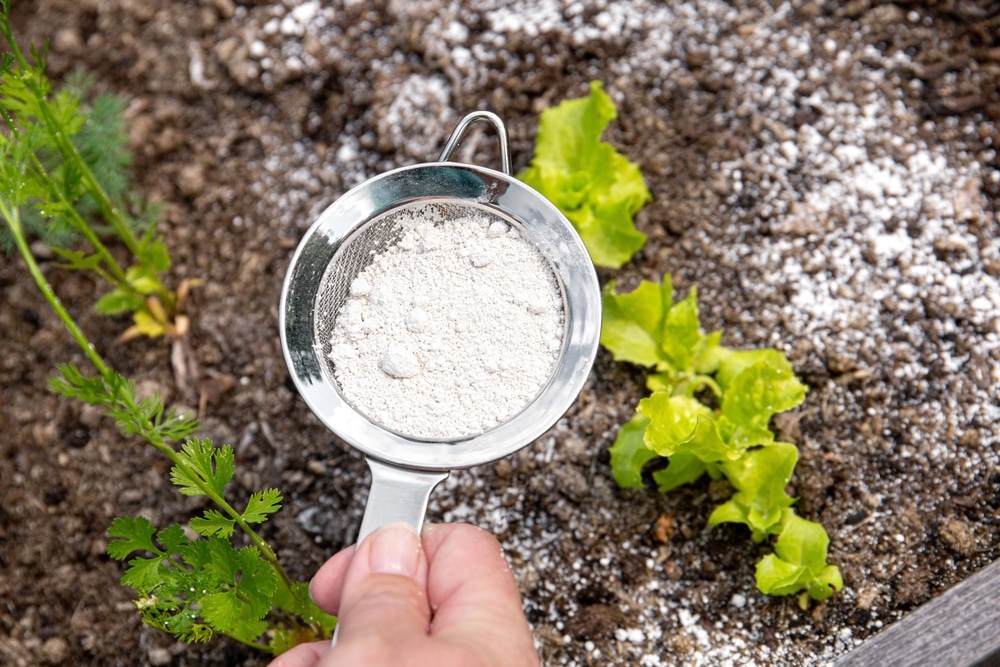
For effective weed control in your garden, consider utilizing baking soda as a natural and environmentally friendly solution. Baking soda serves as an efficient weed killer that can help you get rid of unwanted plants without harming the environment. To kill weeds like crabgrass, simply sprinkle baking soda on the patches and wet generously. This method can eradicate the weeds within days, providing a quick and effective solution. When applying baking soda, be careful to avoid getting it on surrounding grass to prevent new weed growth in those areas.
Another practical application of baking soda as a weed killer is to pour it directly into sidewalk cracks where weeds tend to grow. This not only eliminates existing weeds but also acts as a deterrent for future growth. Using baking soda for weed control is not only easy and cost-effective but also a safe alternative to chemical herbicides, making it a great choice for maintaining a healthy garden.
Soil Ph Adjustment
Adjusting the pH of soil using baking soda can create a less acidic environment that is unfavorable for fungal spores on plant leaves and stems. Soil pH levels play a crucial role in plant health as they affect nutrient availability. Baking soda, when applied correctly, can help change the pH of soil, making it less acidic and thus less conducive to the growth of fungal diseases like powdery mildew. By increasing the pH slightly, baking soda can create an environment that hinders the development and spread of fungal spores, ultimately promoting plant health.
However, it is essential to be cautious with the amount of baking soda used, as excessive levels can harm plants by interfering with nutrient absorption. Properly applying baking soda in the garden can help maintain the soil pH balance, providing an optimal growing environment for your plants. Monitoring the pH levels and adjusting them accordingly with baking soda can be a practical way to promote plant growth and prevent fungal diseases.
Plant Fertilizer
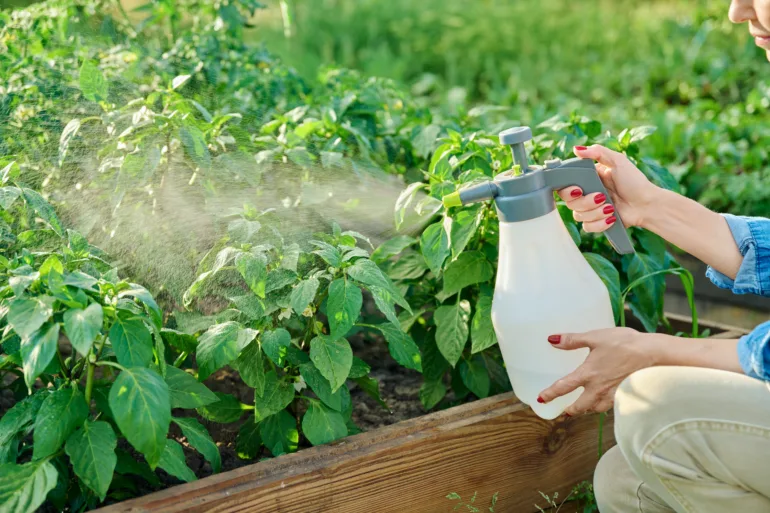
Using baking soda as a plant fertilizer is not recommended due to its high salt content, which can be detrimental to plant health. The salts in baking soda, if used excessively, can lead to soil pH alterations, causing nutrient deficiencies and hindering plant growth. Additionally, the abrasive nature of baking soda can compact soil and create crust build-up, negatively impacting root health and nutrient absorption in plants. The salts present in baking soda can also desiccate plant roots, resulting in chlorosis and, in severe cases, plant death. It is crucial to exercise caution when considering the use of baking soda as a plant fertilizer to avoid these harmful effects on plant vitality. Opting for well-balanced commercial fertilizers or organic alternatives that provide essential nutrients without the risk of salt accumulation is a safer choice for promoting healthy plant growth and development.
Garden Tool Cleaner
You can utilize baking soda as a natural tool disinfectant, making it an eco-friendly cleaning solution for your garden equipment. Its mild alkaline properties help to clean and deodorize tools effectively while being safe for the environment. By using baking soda, you can ensure your gardening tools are clean, odor-free, and ready for use in your garden maintenance routine.
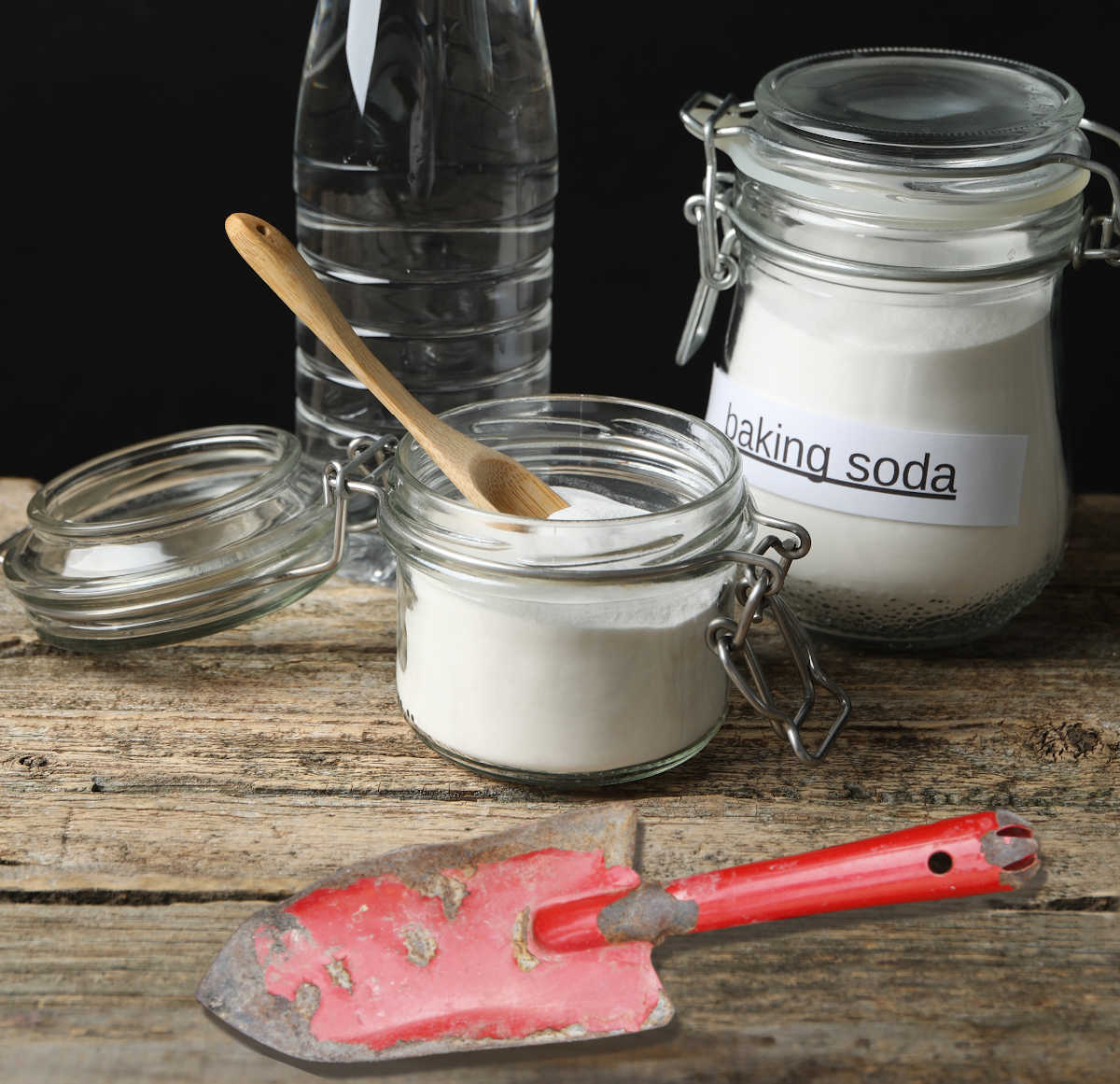
Natural Tool Disinfectant
To effectively clean and sanitize garden tools, baking soda can be utilized as a natural tool disinfectant due to its alkaline properties that help eliminate bacteria and fungi. When garden tools come into contact with soil, they can harbor harmful pathogens that may infect plants. By creating a simple cleaning solution with baking soda and water, you can easily disinfect your tools after each use. The alkaline nature of baking soda disrupts the cell walls of bacteria and fungi, effectively killing them and reducing the risk of disease transmission in your garden. Regularly disinfecting your garden tools with baking soda is a practical and cost-effective way to maintain a healthy gardening environment without resorting to harsh chemical disinfectants. This eco-friendly alternative not only helps protect your plants but also ensures that your tools remain in top condition for prolonged use.
Eco-Friendly Cleaning Solution
Baking soda’s efficacy as an eco-friendly cleaning solution extends to garden tools, providing a gentle yet powerful method to remove dirt, grime, and residue while maintaining the tools’ surfaces. The mild abrasive properties of baking soda make it ideal for scrubbing away stubborn stains without causing damage. Additionally, baking soda acts as a natural deodorizer, effectively eliminating any unpleasant odors lingering on your garden tools. By mixing baking soda with water, you can create a gentle cleaning paste that works wonders on various gardening equipment. Regularly cleaning your garden tools with baking soda not only keeps them looking pristine but also helps prevent the transfer of diseases between plants, ultimately promoting the overall health of your garden. Embracing baking soda as a garden tool cleaner is a simple yet effective way to ensure your gardening equipment stays in top condition while contributing to a healthier plant environment.
Safe for Garden Equipment
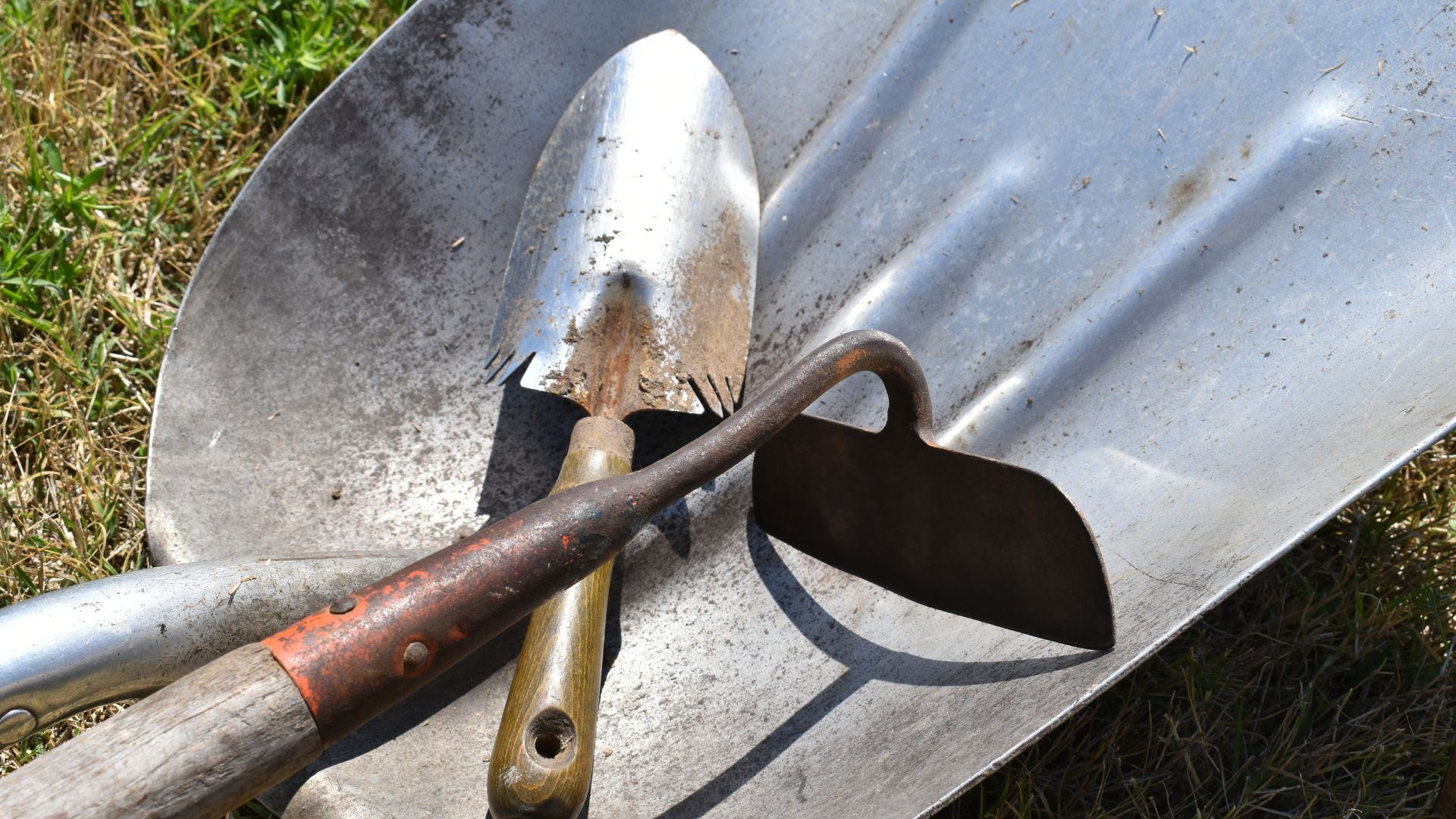
Utilizing baking soda as a garden tool cleaner offers a safe and efficient method to maintain the cleanliness and functionality of your gardening equipment. People use baking soda for various gardening purposes, including cleaning and deodorizing garden tools. Here are some ways baking soda can help you keep your garden equipment in top condition:
- Deodorize: Baking soda can absorb odors lingering on your garden tools, leaving them fresh and ready for use.
- Clean Effectively: Acting as a mild alkaline cleaner, baking soda can efficiently remove dirt and grime from your equipment without causing any damage.
- Handy Multi-Purpose Cleaner: Besides garden tools, baking soda can freshen up recycle bins, act as a hand cleaner, and absorb unpleasant odors in the garden shed.
- Maintain Various Garden Items: From garden furniture to clay pots, potting benches, and bird baths, baking soda can help in cleaning and preserving a wide range of garden equipment.
Potting Bench Cleaner
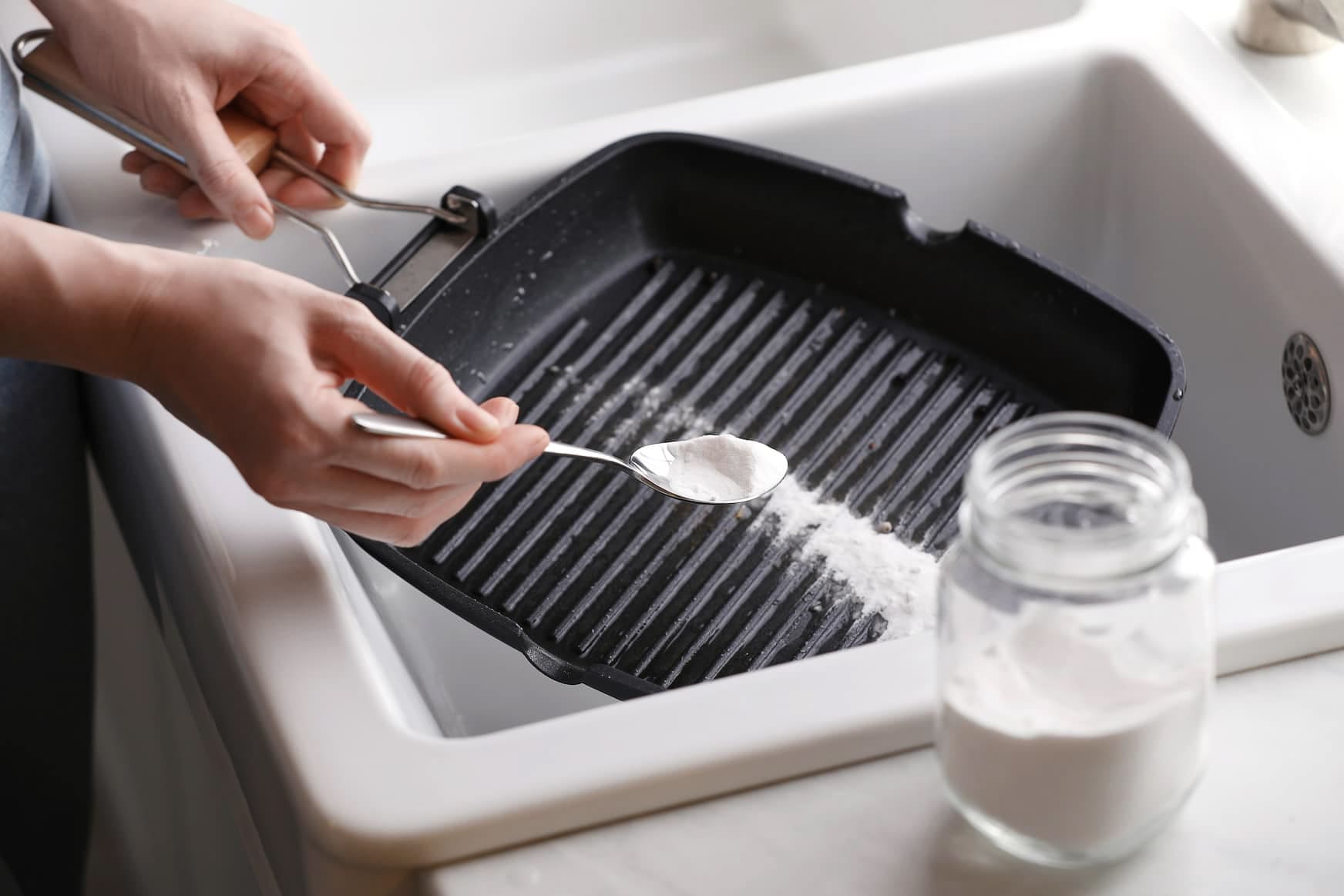
For cleaning your potting bench effectively, consider harnessing the power of baking soda. Baking soda is a versatile and gentle cleaner that can effectively remove dirt, grime, and odors from your potting bench. Its mild abrasive properties make it ideal for scrubbing away stubborn stains without causing damage to the surface. Additionally, baking soda acts as a natural deodorizer, leaving your potting bench smelling fresh and clean after each use.
To clean your potting bench, you can mix baking soda with water to create a paste for deep cleaning or simply sprinkle it directly on surfaces for a quick refresh. Regularly cleaning your potting bench with baking soda not only keeps it looking tidy but also helps prevent the spread of diseases and pests in your gardening area. By incorporating baking soda into your cleaning routine, you can maintain a clean and healthy environment for your plants to thrive.
Furniture Cleaner
Enhance the cleanliness and appearance of your outdoor furniture by utilizing a natural and eco-friendly solution. Baking soda, a versatile cleaning agent, can effectively remove dirt, grime, and even oil stains from your garden furniture. Here are four ways in which baking soda can be used as a furniture cleaner:
- Fungal Prevention: Baking soda’s antifungal properties make it an excellent choice for preventing fungal growth on wooden or fabric outdoor furniture.
- Oil Stain Removal: Baking soda’s mild abrasive nature helps lift oil stains from furniture surfaces, leaving them looking clean and refreshed.
- Deodorizer: In addition to cleaning, baking soda acts as a natural deodorizer, eliminating any musty smells that might have accumulated on your outdoor furniture.
- Eco-Friendly Option: Opting for baking soda as a furniture cleaner is not only cost-effective but also environmentally friendly, reducing the need for harsh chemical cleaners that can harm plants and the environment.

Odor Absorber
Baking soda serves as an effective natural solution for neutralizing odors in outdoor spaces, such as compost bins and recycle bins. Its alkaline properties play a crucial role in absorbing and neutralizing acidic and foul odors that commonly arise in garden settings. By simply sprinkling baking soda in areas with strong odors, you can effectively eliminate unpleasant smells and freshen the air, creating a more pleasant environment for you and your plants.
The odor-absorbing capabilities of baking soda not only help in maintaining a fresh atmosphere but also aid in deterring pests and insects from invading your garden. Regular use of baking soda as an odor absorber can significantly reduce the attraction of unwanted visitors, promoting a healthier and more enjoyable outdoor space. This simple yet powerful method can enhance your gardening experience by keeping odors at bay and ensuring a clean and inviting garden setting.
Plant Revitalizer
Revitalizing plants with the use of baking soda involves enhancing their health and vitality through simple yet effective methods. Baking soda can serve as a powerful tool in combating fungal diseases like powdery mildew, rejuvenating plants that may be struggling due to such issues. Here are four practical ways baking soda can be utilized as a plant revitalizer:
- Fungal Disease Prevention: Create a solution of baking soda and water to spray on plants susceptible to fungal diseases like powdery mildew. This mixture acts as a natural fungicide, protecting the plants from harmful pathogens.
- Soil Enhancement: Mixing baking soda with water and applying it to the soil can help improve soil quality, providing essential nutrients and creating a healthier environment for plant growth.
- Heat Stress Relief: Baking soda can aid plants suffering from heat stress by reducing heat-related damage and promoting recovery, ensuring the plants remain robust and vibrant.
- Plant Vitality Boost: Incorporating baking soda into plant care routines can revitalize them, maintaining their optimal condition and promoting overall health and longevity.
Cut Flower Preserver
To preserve the freshness and longevity of cut flowers, consider utilizing baking soda as a natural and effective floral preservative by simply adding a teaspoon to the vase water. Baking soda serves as a cut flower preserver by inhibiting bacterial growth and keeping the water fresh, ultimately extending the beauty and vibrancy of your blooms. By adjusting the pH of the water, baking soda prevents the growth of harmful microorganisms that can lead to wilting. Enhance the longevity of your cut flowers in arrangements with this simple yet powerful method.
| Benefits of Using Baking Soda as a Cut Flower Preserver |
|---|
| Inhibits Bacterial Growth |
| Keeps Water Fresh |
| Extends Flower Beauty |
| Prevents Microorganism Growth |
Sunburn Relief

Using a mixture of water and baking soda can provide soothing relief for sunburn. When dealing with sunburn, the pH range of your skin can become unbalanced, causing discomfort. Baking soda’s alkaline nature can help restore the skin’s pH levels, offering relief from the stinging sensation of sunburn. Here are some practical tips for using baking soda for sunburn relief:
- Create a Paste: Mix baking soda with water to form a paste with a spreadable consistency.
- Apply Gently: Use a soft cloth or your fingers to apply the baking soda paste to the sunburned areas.
- Cooling Effect: The paste will help cool down the skin and provide a calming effect.
- Reduce Redness: Baking soda’s anti-inflammatory properties can assist in reducing redness and irritation caused by sunburn.
Poison Ivy Treatment
Baking soda serves as a natural remedy for treating poison ivy rashes due to its soothing alkaline properties. When exposed to poison ivy, the urushiol oil in the plant can cause intense skin irritation and rashes. Mixing baking soda with water to form a paste can be a simple yet effective way to alleviate the discomfort. The alkaline nature of baking soda helps neutralize the acidity in the affected area, providing relief from itching and inflammation associated with poison ivy rashes.
Applying the baking soda paste directly onto the rash can aid in drying it out. The anti-inflammatory properties of baking soda make it a gentle yet potent treatment for poison ivy rashes. Using baking soda as a remedy for poison ivy can offer a natural alternative to conventional over-the-counter treatments. Remember to consult a healthcare professional if the rash persists or worsens.