

If you’re looking to brighten up your shady garden spaces, I highly recommend perennials like Bleeding Hearts, Astilbe, and Foxglove ‘Excelsior Hybrids’. Hydrangea Macrophylla adds lovely color, while Coral Bells and Canadian Wild Ginger bring texture and ground cover. Don’t overlook Cranesbill, Heuchera, and Vinca Minor for their adaptability. Each of these plants thrives in low-light conditions and has unique requirements for care. Stick around, and you’ll uncover more about how to cultivate these beautiful shade-loving options.
1. Bleeding Hearts
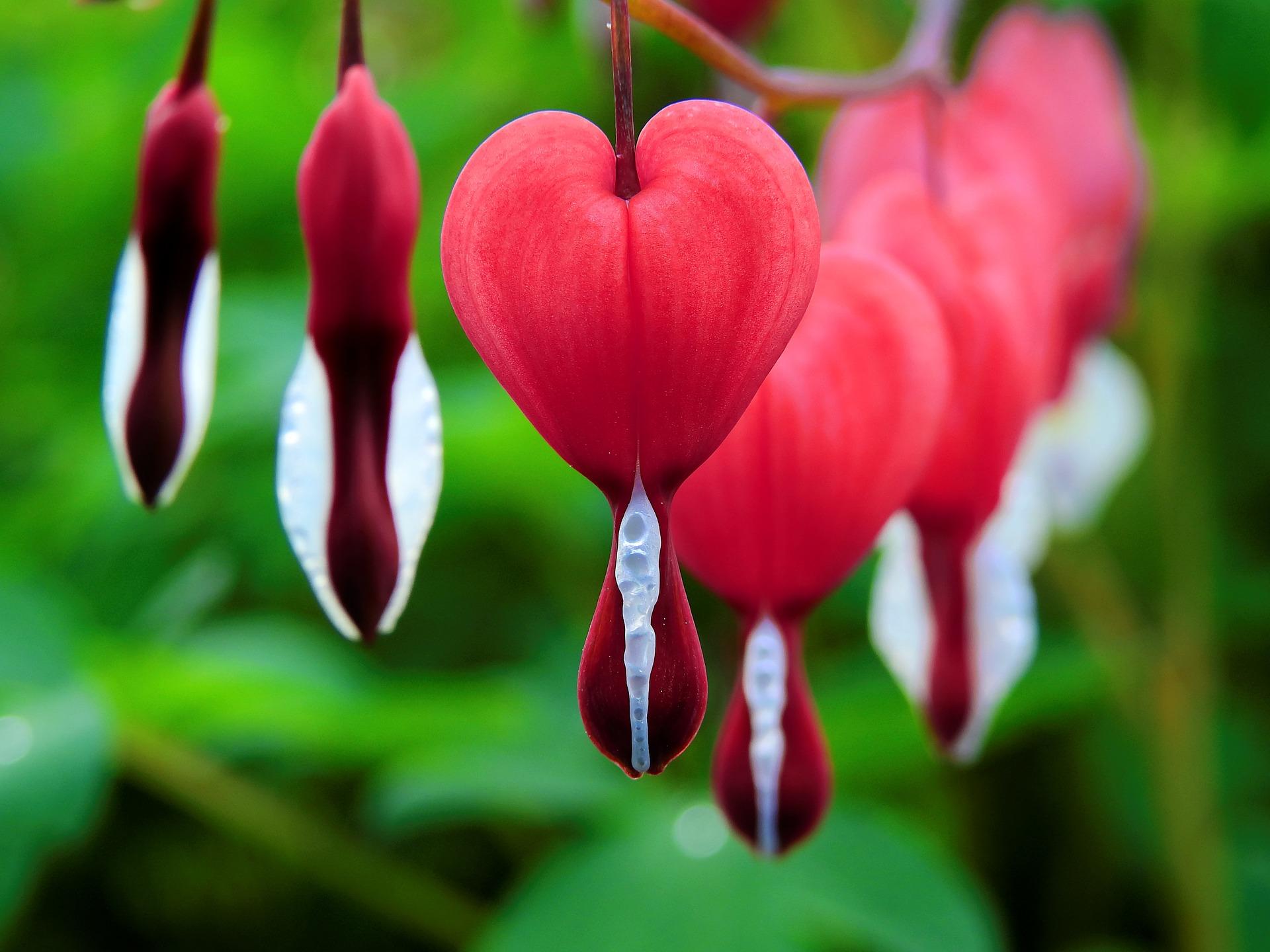
Bleeding Hearts, with their delicate, heart-shaped blossoms, thrive in shaded environments, making them a favorite for woodland gardens.
For optimal plant care, I recommend planting them 2 to 2.5 feet apart in humus-rich, well-draining soil. They prefer slightly acidic conditions and benefit from annual feeding. Incorporating compost enhances growth, ensuring these stunning plants contribute beautifully to your garden design. Additionally, nutrient-poor environment is essential for maintaining the health of various perennial plants, including Bleeding Hearts.
2. Astilbe

In shaded gardens, Astilbe stands out as a vibrant perennial that adds texture and color.
For optimal astilbe care, I ensure they receive part shade and moist, well-drained soil rich in organic matter.
With astilbe varieties ranging from eight inches to over three feet, I enjoy their stunning blooms from late spring through summer.
Regular watering and annual fertilization keep them thriving beautifully. Additionally, incorporating organic matter into the soil enhances fertility and improves soil structure, which is essential for Astilbe’s growth.
3. Foxglove ‘Excelsior Hybrids’
Foxglove ‘Excelsior Hybrids’ brings a striking presence to any shaded garden, showcasing tall spires of tubular flowers that draw the eye and attract pollinators like bees and hummingbirds.
For optimal foxglove care, plant in rich, moist soil and provide part sun to light shade.
These hardy plants, featuring various foxglove varieties, self-sow and flourish beautifully in zones 4 and above. Regular soil aeration can enhance the overall health of the planting area, promoting vigorous growth and robust flowering.
4. Hydrangea Macrophylla
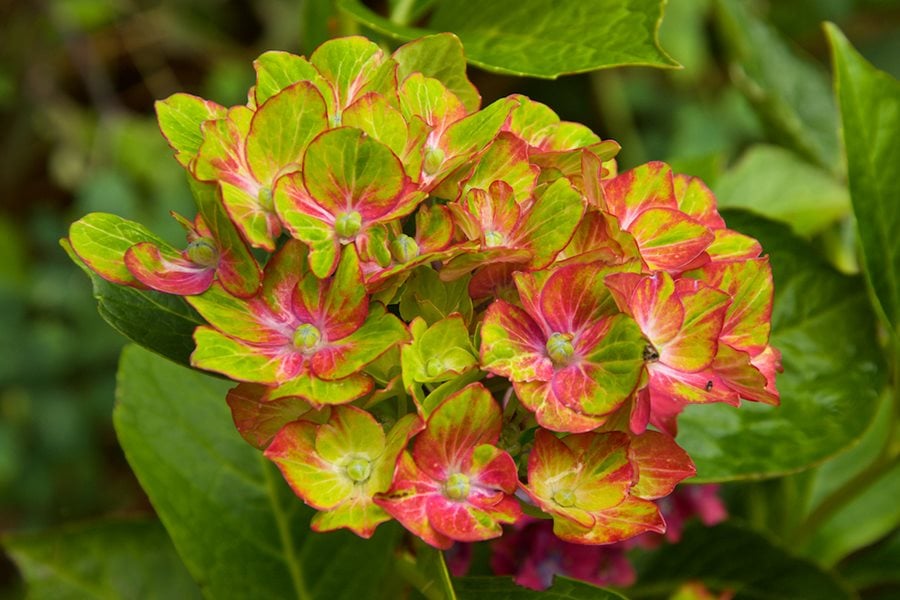
Although many gardeners seek vibrant blooms for their shaded spaces, Hydrangea macrophylla stands out with its impressive flowerheads that can transform the dullest corners into vibrant displays. Depending on soil pH, the flower color can shift from blue in acidic conditions to pink in alkaline. I recommend using proper pruning techniques in early spring to encourage lush growth and abundant flowering throughout the season. Additionally, ensuring optimal soil pH is crucial for the health and vibrancy of these plants.
5. Coral Bells

Coral Bells, known for their stunning foliage and delicate flowers, thrive in shaded gardens while adding a splash of color and texture.
For successful planting, do it in spring or fall, spacing them 1-2 feet apart. They come in various color varieties, flourishing best in part shade.
Ensure well-draining soil and regular watering, and regular monitoring of plant health can help identify any nutrient needs for vibrant growth. Follow these planting tips for vibrant growth.
6. Hostas
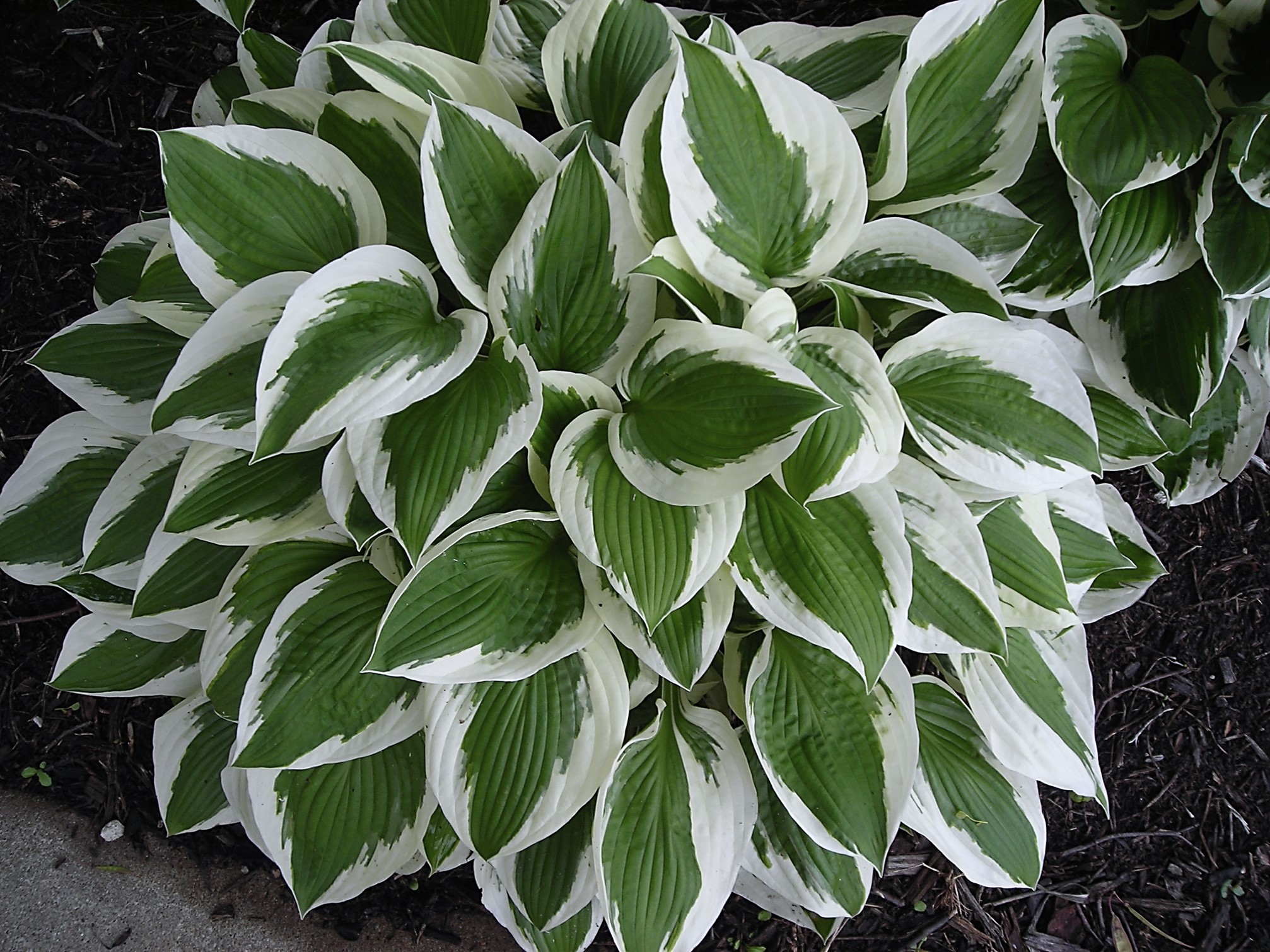
When considering the array of shade-loving perennials, hostas stand out for their adaptability and striking foliage.
For optimal hosta care, choose well-drained, nutrient-rich soil and provide consistent moisture without overwatering.
While hosta varieties thrive in various light conditions, blue-green types prefer deep shade, whereas variegated ones adapt well to dappled sun.
Protect them from deer, as they’re a favorite snack! Additionally, incorporating shade-tolerant varieties alongside hostas can enhance the overall garden aesthetics.
7. Autumn Fern
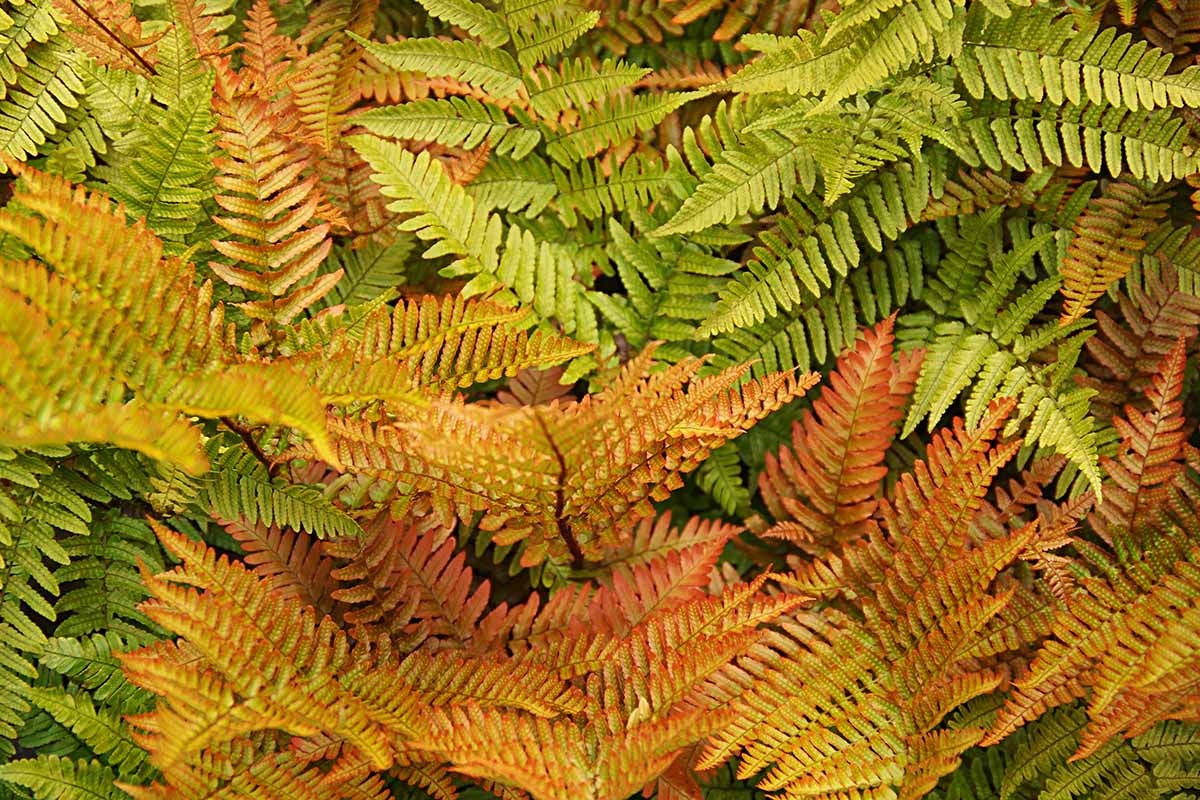
The Autumn Fern (Dryopteris erythrosora) is an exceptional choice for gardeners seeking a resilient perennial that thrives in shade.
For optimal autumn fern care, ensure it’s planted in acidic, well-draining soil and provide regular moisture, especially during establishment.
The autumn fern benefits include its ability to tolerate varying temperatures and add lush greenery to shaded areas, enhancing your garden’s aesthetic. Additionally, incorporating Roots Organic Soil can improve soil quality and support healthy growth for the autumn fern.
8. Lamium

Lamium, with its vibrant foliage and charming flowers, is a fantastic option for those looking to enhance shaded areas in their gardens.
I’ve found that Lamium varieties thrive in full to partial shade, requiring moderate moisture and fertile soil. For optimal Lamium care, ensure you water adequately, prune occasionally, and enjoy its deer-resistant qualities while attracting beneficial pollinators. Additionally, providing nutrient-rich soil will help promote robust plant growth and enhance the overall health of your Lamium plants.
9. Vinca Major

Vinca Major, often seen cascading over garden walls or blanketing shaded slopes, is a versatile perennial that thrives in various environments.
With its glossy, dark green leaves and violet-blue flowers, it’s excellent for groundcover.
However, effective vinca care includes invasive management, as it can smother smaller plants.
Regular pruning ensures it remains compact, while periodic deep watering promotes healthy growth. Additionally, soil composition plays a crucial role in the overall health and vitality of Vinca Major, influencing its growth in shaded areas.
10. Creeping Jenny

Creeping Jenny, with its vibrant yellow flowers and coin-shaped leaves, adds a splash of color to shaded areas and moist gardens.
This evergreen perennial thrives in well-draining soils and prefers partial shade. However, its aggressive spreading requires careful invasive management. Regularly monitor its growth, trim back stems, and divide clumps to maintain control and prevent it from overshadowing other plants. Additionally, ensuring well-draining soil promotes healthier root development and minimizes the risk of diseases.
11. Bishop’s Weed

While exploring options for shade-loving perennials, Bishop’s Weed stands out due to its vigorous growth and adaptability.
Thriving in USDA zones 3 to 9, it spreads aggressively through rhizomes, making invasive control essential.
Historically, it’s had medicinal uses for conditions like gout, but its ornamental appeal requires careful planting to prevent it from overwhelming other plants in your garden.
12. Canadian Wild Ginger

Canadian Wild Ginger, known botanically as Asarum canadense, is an exceptional choice for gardeners seeking shade-loving perennials.
Its heart-shaped, deep green leaves thrive in rich, moist, well-drained soil. For optimal growth, plant it in deep shade and maintain constant moisture.
Wild ginger benefits include low maintenance and attractive ground cover, making it perfect for naturalizing woodland gardens.
Consider adding mulch for moisture conservation.
13. Cranesbill

Cranesbill, or Geranium, is a versatile perennial that thrives in various light conditions, making it an excellent option for shaded garden spaces.
With over 700 Cranesbill varieties, you can find one for almost any situation.
For Cranesbill propagation, I recommend dividing established plants every 3-4 years in fall.
They need moist, well-drained soil and benefit from mulch for optimal growth.
14. Heuchera (Coral Bells)

After exploring the versatility of Cranesbill, let’s focus on Heuchera, commonly known as Coral Bells.
These perennials thrive in part shade, requiring 4-6 hours of sunlight. With rich, well-draining soil, I maintain even moisture without sogginess.
Their mounding habit showcases seasonal colors, from dark foliage varieties to lighter ones needing more shade.
Regular plant care ensures these beauties attract pollinators while remaining hardy in various climates.
15. Vinca Minor
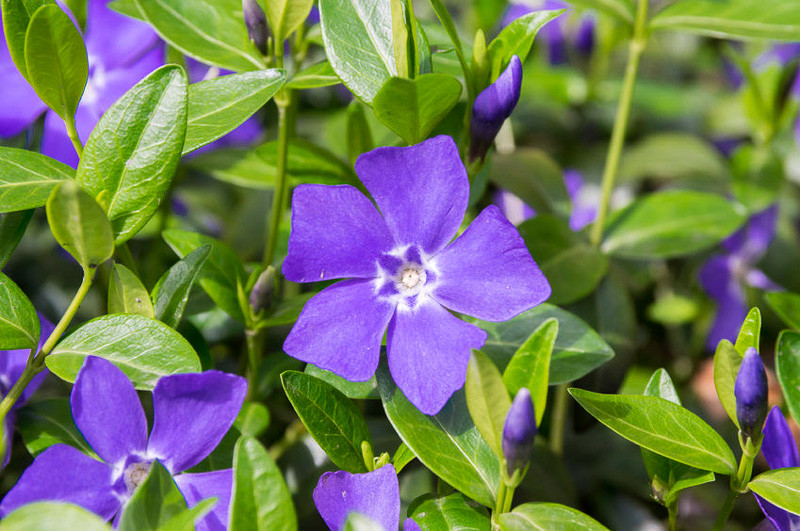
While exploring options for shade-loving ground cover, I often turn to Vinca minor, commonly known as periwinkle or creeping myrtle.
This low-sprawling perennial thrives in various soil types and is best in partial shade. However, be mindful of its invasive status in some areas.
I propagate it easily through stem cuttings or division, making it a versatile choice for garden applications.