
Do you ever feel like your houseplants are looking a little lackluster? Like they’re not quite reaching their full potential? Well, the key to vibrant, thriving indoor plants might just lie in the type of fertilizer you use. Just like we need food to grow and stay healthy, so do our leafy friends!
Choosing the right houseplant fertilizer can make all the difference in how well your plants look and grow. **Here are some tips for finding and using the best fertilizer for your indoor greenery:**
– Look for a balanced formula that includes nitrogen, phosphorus, and potassium
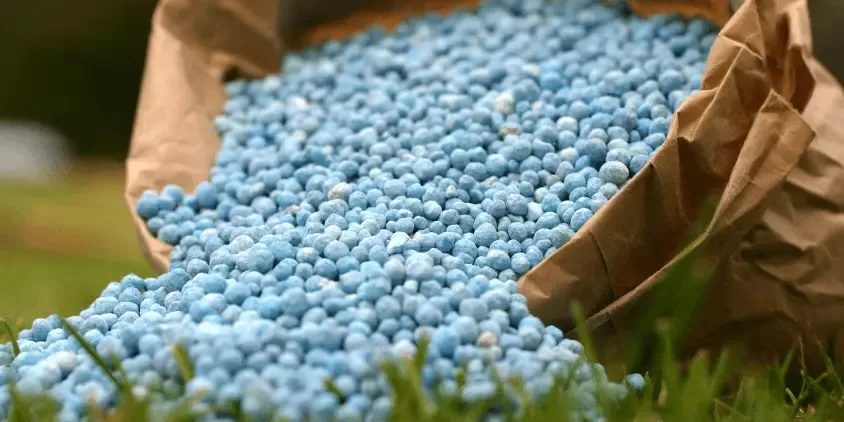
– Consider slow-release pellets or liquid fertilizers for easy application
– Don’t overdo it – follow instructions carefully to avoid damaging your plants
By giving your houseplants the proper nutrients they need through quality fertilization, you’ll notice a dramatic improvement in their overall health and appearance. So why wait? Head to your local garden center today and start feeding those precious plant babies!
So, Feed Your Houseplants With the Right Houseplant Fertilizer
Feed Your Houseplants With the Right Houseplant Fertilizer
Houseplants are a great way to bring life and greenery into your home. Not only do they add aesthetic value, but they also have the ability to improve air quality and reduce stress levels. However, in order for your houseplants to thrive, they need proper care and nutrition. This is where houseplant fertilizer comes in.
Fertilizer provides essential nutrients that plants need in order to grow strong and healthy. It typically contains nitrogen, phosphorus, and potassium – known as NPK – along with other micronutrients like calcium, magnesium, and iron. These elements help promote root growth, encourage flowering or fruiting, and support overall plant health.
But not all fertilizers are created equal when it comes to feeding your houseplants. Each type has its own unique formula designed for specific needs of different plants. For example, some fertilizers may be better suited for foliage plants while others may be more beneficial for flowering plants.
When choosing a fertilizer for your houseplants, it’s important to consider the specific needs of each plant species you have at home. Some may require more frequent feedings than others or may benefit from a slow-release formula rather than a liquid one.
It’s also crucial to follow the instructions on the packaging carefully when applying fertilizer. Too much can actually harm your plants by burning their roots or causing nutrient imbalances.
In addition to providing proper nourishment for your houseplants, using the right fertilizer can also prevent common issues such as yellowing leaves or stunted growth. By regularly feeding them with high-quality fertilizer tailored to their individual needs, you’ll see healthier and happier plants thriving in your home.
So next time you’re tending to your beloved green friends indoors, remember that just like us humans need balanced nutrition for optimal health; our houseplants do too! Choose the right houseplant fertilizer based on their specific needs and watch them flourish before your eyes.
Choosing the Best Houseplant Fertilizer: Key Nutrients to Look For
Picking the Perfect Fertilizer
Selecting an ideal fertilizer is similar to developing a well-balanced meal for your houseplants. It should contain essential nutrients; just as our bodies need vitamins and minerals to thrive, plants also require specific nourishment. The primary components they seek are nitrogen, phosphorus, and potassium – these are the ‘big three.’
Nitrogen promotes healthy leaf growth by contributing to the plant’s overall green coloring. On the other hand, Phosphorus encourages strong root development while supporting flowering and fruit production. Lastly, Potassium functions like a multivitamin for your plant: it boosts their immunity against diseases and helps them absorb water efficiently.
Spotting Quality in Fertilizer Choices
Quality matters when choosing fertilizer for your indoor greens; not all fertilizers provide the same level of care! Sure signs of a superior product include:
- A balanced ratio of nitrogen, phosphorus, and potassium.
- Trace elements such as calcium or magnesium.
- No hidden synthetic chemicals or fillers.
Your choice can significantly impact how beautifully your houseplants will flourish – so take time considering which option provides everything they crave.
Remember though that even with perfect nutrition at its disposal – no plant thrives without adequate light or watering regimen. So don’t forget about those important factors too while you’re picking out their food!
Effective Application Methods for Indoor Plant Fertilizers
Applying fertilizer to houseplants may seem like a simple task, but it is more than just sprinkling some granules and hoping for the best. There are specific methods that can help you maximize the benefits of the fertilizer while making sure your plants stay healthy.
Water-Soluble Fertilizers
One popular method is using water-soluble fertilizers. They come in powder form and need to be mixed with water before use. This enables an even spread onto the soil without leaving any residue on top.
Some pointers when using this type:
- Mix thoroughly until all granules are dissolved.
- Apply close to the root area as these nutrients need to reach plant roots quickly.
Solid Granular Fertilizers
Another option would be solid granular fertilizers. These small pellets slowly release nutrients over time.
Tips when applying them:
- Don’t sprinkle them on top of leaves or stems – aim for soil only.
- Gently stir into topsoil if possible, or add during repotting procedure.
Remember, less is often more when it comes to feeding indoor plants – they usually don’t consume as much food as outdoor ones due their slower growth rate indoors.
Foliar Feeding
Lastly, there’s foliar feeding where liquid fertilizer is sprayed directly onto leaves. This method allows quick nutrient absorption via leaf pores.
Here’s how you can do it effectively:
- Use a fine mister and avoid drenching leaves entirely – think gentle dew rather than rainfall!
- Avoid applying under direct sunlight as wet leaves might get sunburned easily.
These three application methods each have their own benefits and best uses. It’s crucial to match the fertilizer type and application method to your plant’s needs for best results. Remember, a well-fed plant is usually a happy one!
Read also: How to Add Phosphorus to Soil: A Comprehensive Guide
Avoiding Overfertilization: Instructions and Precautions
When it comes to keeping your plants healthy and thriving, avoiding overfertilization is key. Overfertilizing can actually harm your plants more than help them, so it’s important to follow instructions and take precautions to ensure you’re giving your plants the right amount of nutrients they need.
**Instructions:**
1. Always read the label on your fertilizer carefully before using it. Different fertilizers have different concentrations of nutrients, so be sure to follow the recommended dosage for your specific plant.
2. Consider using a slow-release fertilizer to provide a steady supply of nutrients over time, rather than applying large doses all at once.
3. If you’re not sure how much fertilizer to use, start with a smaller amount and monitor how your plant responds. You can always add more later if needed.
**Precautions:**
1. Be cautious when applying fertilizers near roots or stems, as direct contact can burn the plant.
2. Avoid fertilizing during extreme temperatures or drought conditions, as this can stress the plant even further.
3. Make sure to water your plants regularly after fertilizing to prevent nutrient buildup in the soil.
By following these instructions and taking precautions when fertilizing your plants, you can help them grow strong and healthy without risking overfertilization. Your green thumb will thank you!
Transforming Your Indoor Greenery: The Impact of Proper Houseplant Nutrition
Have you ever noticed your houseplants looking a little lackluster? Maybe they’re not growing as quickly as they used to, or their leaves are starting to turn yellow. It could be that they’re not getting the proper nutrition they need to thrive. Just like humans, plants require specific nutrients to grow and stay healthy.
**So, how can you ensure your indoor greenery is getting the nutrition it needs?**
– **Fertilize Regularly**: Just watering your plants may not be enough. Adding a balanced fertilizer every few weeks can provide essential nutrients like nitrogen, phosphorus, and potassium.
– **Monitor Soil pH**: Different plants thrive in different soil conditions. Testing the pH of your soil can help you adjust it to better suit the needs of your plants.
– **Consider Micronutrients**: In addition to the major nutrients mentioned above, plants also need micronutrients like iron and magnesium. Look for specialized fertilizers that contain these elements.
By taking steps to improve the nutrition of your houseplants, you’ll likely see a noticeable difference in their growth and overall health. So next time you’re admiring your indoor greenery, remember that a little extra care and attention can go a long way in helping them flourish.