
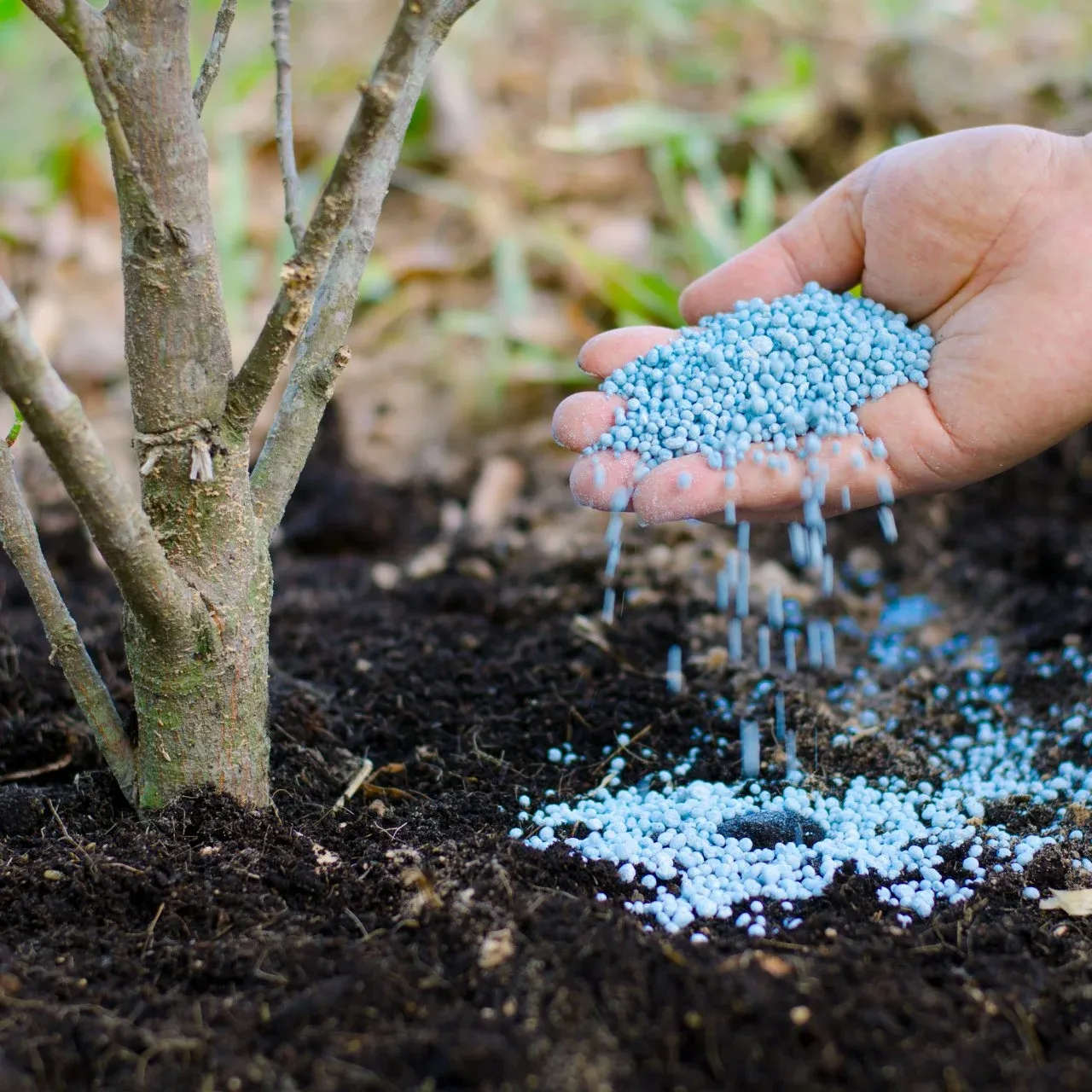
Hey there, fellow garden enthusiasts! Today, we’re diving deep into the world of organic garden soil and how crucial it is for creating a thriving garden. Picture this: rich, nutrient-packed soil teeming with beneficial microbes and earthworms, ready to nourish your plants to their fullest potential. That’s the magic of organic garden soil – it’s like laying down a fertile foundation for your green oasis to flourish.
When you opt for organic garden soil, you’re choosing a natural approach that promotes healthy plant growth without the use of harmful chemicals or synthetic fertilizers. **Here are some key points** to consider when building the foundation for your dream garden:
– Organic matter: Incorporating compost, leaf mold, or aged manure adds essential nutrients and improves soil structure.
– pH balance: Testing your soil’s pH levels ensures optimal conditions for plant growth.
– Soil texture: A well-balanced mix of sand, silt, and clay creates ideal drainage and moisture retention.
By focusing on creating nutrient-rich organic garden soil from the ground up, you’re setting yourself up for gardening success. So roll up those sleeves and get ready to dig in – your flourishing garden awaits!
So, Organic Garden Soil: Building the Foundation for a Thriving Garden
Organic Garden Soil: Building the Foundation for a Thriving Garden
Organic garden soil is the key to creating a flourishing and sustainable garden. It serves as the foundation for all plant life, providing essential nutrients, water retention, and a healthy ecosystem for beneficial microorganisms.
Unlike traditional chemical fertilizers, organic garden soil is made up of natural materials such as compost, manure, and decomposed plant matter. These ingredients not only nourish plants but also improve the overall health of the soil by increasing its ability to hold moisture and maintain proper drainage.
By using organic garden soil instead of synthetic alternatives, you are not only benefiting your own plants but also contributing to a healthier environment. Chemical fertilizers can leach into groundwater and harm beneficial insects and animals in your garden. Organic methods promote biodiversity and work with nature rather than against it.
Building an organic garden starts with building healthy soil. By incorporating compost or other organic amendments into your existing soil, you are replenishing vital nutrients that have been depleted over time. This creates a nutrient-rich environment where plants can thrive without the need for harsh chemicals.
In addition to being better for the environment, using organic garden soil also produces more flavorful fruits and vegetables. The natural components in this type of soil allow plants to absorb nutrients more efficiently which results in tastier produce.
So whether you’re an experienced gardener or just starting out with your green thumb adventures, remember that choosing organic garden soil is crucial for creating a thriving outdoor oasis. Not only will it benefit your plants’ growth but also contribute positively towards preserving our planet’s delicate ecosystem.
Organic Matter and Its Role in Organic Garden Soil
Organic Matter: The Heart of Healthy Soil
Have you ever wondered why gardeners are so excited about compost or leaf mold? It’s because they’re filled with organic matter, the secret sauce that helps plants thrive. Organic matter is made up from plant and animal material that has decayed over time. However, it’s more than just broken down leaves and twigs; it acts like a sponge in your garden soil. Holding onto water when it rains then slowly releasing it to your plants’ roots – this makes it an absolute must-have for any organic gardener.
The Benefits of Organic Matter in Your Garden
• Improved soil structure: Organic matter helps clumpy clay soils drain better and sandy soils hold onto water.
• Nutrient-rich environment: As organic matter breaks down, nutrients are released into the soil. This natural fertilization process provides plenty of food for your plants over time, making them stronger and healthier.
• Promotes biodiversity: A healthy layer of organic matter attracts beneficial microorganisms like earthworms and bacteria which further break down materials into humus – a rich nutrient-filled substance.
Making the Most Out Of Organic Matter
You can add organic matter to your garden by using compost or well-rotted manure. In fact, one neat trick is simply leaving grass cuttings on the lawn after mowing instead of throwing them away! They will naturally decompose adding precious nutrients back into the ground while providing cover against those pesky weeds too! Another tip would be implementing crop rotation; growing different crops each season allows various nutrients to be replenished without exhausting resources. Remember though – balance is key here as too much can alter pH levels making conditions unfavorable for certain plants.
So don’t overlook those heaps of fallen leaves or grass clippings next time. They could just be the secret ingredient your garden soil has been waiting for!
Optimal pH Levels for Healthy Plant Growth
Ensuring the Right pH Level
When we think about setting up a lush green garden or a successful farming field, it’s not just about planting seeds and watering them. One key factor that takes your gardening success to another level is the optimal pH level of your soil. Each type of plant thrives in specific soil conditions — some prefer acidic environments, while others lean towards alkaline settings. By hitting the right balance, you can foster healthy growth and productivity across all your plants.
Acidic Versus Alkaline Soils
The numerical scale for measuring pH ranges from 1 (very acidic) to 14 (very alkaline), with neutral positioned at 7. Most plants flourish when their roots are planted in soils having pH levels ranging between 6 and 7.
- Azaleas, rhododendrons or blueberries love slightly acidic soils with PH around 4 to 5.
- Lavender or asparagus grow well on more alkaline ground with PH above 7.
To achieve these varied requirements, you may need lime for reducing acidity or peat moss for boosting it.
Maintaining Ideal Soil Conditions
Periodically testing your garden’s pH will give you insight into whether you’re providing the best environment for your plants’ growth – if any adjustments have to be made; they should be done gradually over time rather than quick fixes. Remember-just like us humans; even our green friends dislike extreme changes! You can get simple home test kits that indicate whether your soil is too acidy or alkaline within few minutes. Achieving an optimal condition might require patience but seeing those vibrant blossoms makes every effort worthwhile!
Read also: Choosing the Right Soil for Healthy Grass Growth
Balancing Soil Texture for Perfect Drainage and Moisture Retention
Achieving the ideal balance in soil texture is essential for ensuring your plants receive just the right amount of water. When it comes to drainage, sandy soils are like speedy race cars, letting water flow through quickly without holding onto any moisture. On the other hand, clay soils can be like stubborn elephants, refusing to let go of any water and leading to waterlogged roots.
To strike that perfect balance between drainage and moisture retention, consider adding organic matter such as compost or peat moss to your soil mix. These materials act like tiny sponges, absorbing excess water during heavy rains and releasing it slowly back to your plants when the sun comes out again.
Another trick is to mix different types of soil textures together in your garden beds. A blend of sandy loam with some clay mixed in can create a harmonious environment where both fast-draining and moisture-retaining qualities work together for optimal plant growth. Experimenting with different ratios can help you find the perfect combination for your specific gardening needs.
– For better moisture retention:
– Add organic matter such as compost or peat moss
– Use mulch around plants
– Water deeply but less frequently
-For improved drainage:
– Make raised beds
– Mix sand into heavier soils
– Avoid compacting soil by walking on it too much
Benefits of Opting for Chemical-Free, Nutrient-Rich Organic Garden Soil
When it comes to maintaining a thriving garden, opting for chemical-free, nutrient-rich organic garden soil can make all the difference. **Organic garden soil** is packed with essential nutrients that promote healthy plant growth and development. By choosing organic options, you’re not only providing your plants with what they need to flourish, but you’re also supporting sustainable and environmentally friendly practices.
1. **Environmental Benefits:** Using chemical-free organic garden soil helps to reduce the overall impact on the environment by avoiding harmful synthetic chemicals that can leach into groundwater or harm beneficial insects and wildlife. Organic gardening promotes biodiversity and healthier ecosystems in your backyard.
2. **Improved Plant Health:** The natural nutrients found in organic garden soil feed your plants from the root up, resulting in stronger roots, more vibrant blooms, and higher yields of fruits and vegetables. Chemical-free soil also creates a balanced ecosystem underground that supports beneficial microorganisms necessary for plant growth.
3. **Safe for You and Your Family:** By choosing chemical-free organic gardening methods, you are creating a safe environment for yourself and your loved ones to enjoy fresh produce without worrying about harmful residues or chemicals lingering on the food you consume. Organic gardening is not only good for the planet; it’s good for your health too!