

When comparing Russian sage and lavender, note their origins, growth patterns, appearances, fragrances, culinary and medicinal uses, and ideal growing conditions. Russian sage from Central Asia grow tall with violet-blue blooms and a pungent menthol aroma, while lavender from Europe and the Mediterranean stays bushy, with purple or blue clusters and a delicate fragrance. Russian sage has silver-gray leaves, ideal for landscaping, while lavender flaunts gray-green foliage, used for borders. Understanding these differences helps in making informed choices for your garden.
Origins and Growth Patterns

Russian sage and lavender differ in their origins and growth patterns. Russian sage originates in Central Asia, while lavender comes from Europe and the Mediterranean. When it comes to growth patterns, Russian sage typically grows tall, reaching heights of 3-5 feet, with its silver-gray leaves adorning its tall stems. In contrast, lavender tends to be bushier, usually growing to heights of 1-3 feet. Russian sage blooms with delicate violet-blue flowers, adding a touch of elegance to its surroundings. On the other hand, lavender displays clusters of purple or blue flowers, which are not only visually appealing but also emit a pleasant floral scent with herbal undertones. Additionally, Russian sage is known for its pungent menthol aroma, while lavender offers a more delicate and soothing fragrance. These differences in origins and growth patterns contribute to the unique characteristics and appeal of both Russian sage and lavender.
Appearance Distinctions

When comparing the appearance of Russian sage and lavender, distinct differences can be observed in their foliage and floral characteristics. Russian sage, part of the Lamiaceae plant family, features tall stems adorned with silver-gray leaves and blooms with small violet-blue flowers. In contrast, lavender, also from the Lamiaceae family, showcases narrow, gray-green leaves and bears clusters of purple or blue flowers. Russian sage can reach heights of 3 to 5 feet, imparting a vertical dimension to gardens, while lavender typically grows bushy and stands at 1 to 3 feet tall. The foliage of Russian sage emits a pungent menthol scent, especially when crushed, while lavender offers a floral aroma with herbal undertones, predominantly noticeable on the flowers. These distinct appearances make Russian sage a striking vertical element in landscaping, while lavender’s compact bushiness adds a charming touch to garden borders and herb gardens.
Fragrance Characteristics
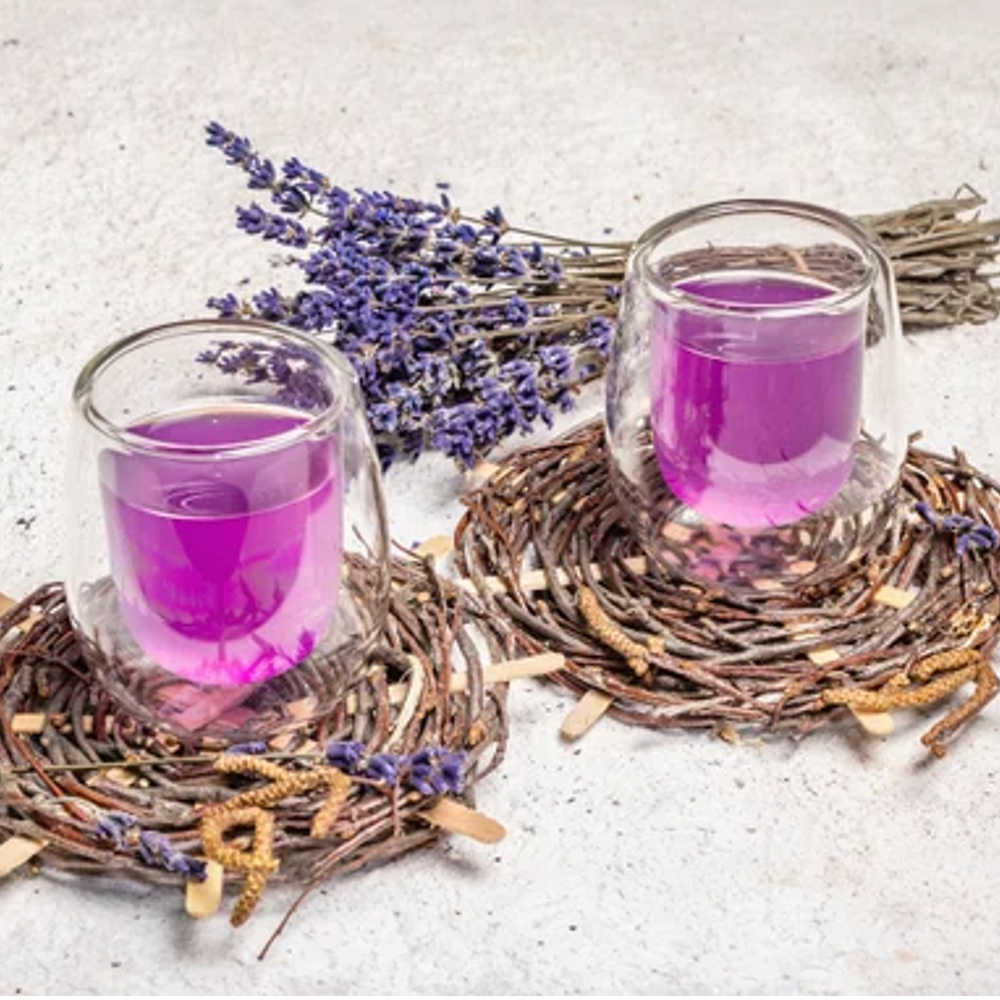
Comparing the fragrance characteristics of Russian sage and lavender reveals distinct scents that cater to different preferences and purposes, making them versatile in various applications. When it comes to fragrance:
- Russian Sage: It exudes a pungent menthol scent, reminiscent of sage with subtle hints of Lavender when its leaves are crushed. The aroma becomes more prominent when the leaves are disturbed, releasing a mix of sage and Lavender aromas.
- Lavender: This herb offers a floral scent with herbal undertones that are particularly noticeable on the flowers. Lavender is renowned for its soothing and calming fragrance, widely utilized in perfumes, aromatherapy, and various household products.
- Usage Differences: Russian sage leans towards a more herbal and menthol fragrance profile, while Lavender presents a more floral and soothing aroma suitable for relaxation and sensory applications.
- Versatility: The contrasting aromas of Lavender and Russian sage allow for diverse uses, catering to different preferences in various settings.
Culinary and Medicinal Uses
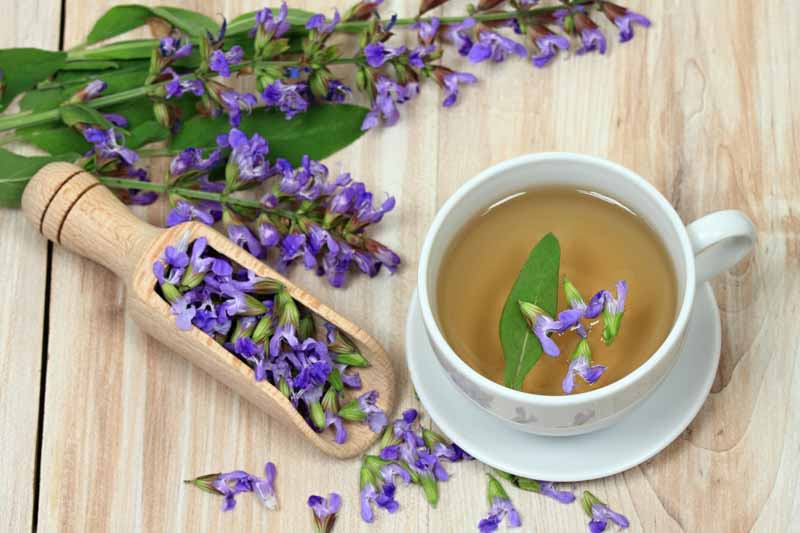
Enhancing a variety of dishes and providing therapeutic benefits, both Russian sage and lavender offer distinct culinary and medicinal uses. Russian sage is commonly used in culinary preparations to add depth to roasted meats, sauces, poultry, and vegetables. Its strong, savory flavor profile complements a range of savory dishes. On the other hand, lavender adds a unique floral essence to sweet delicacies such as cookies, cakes, and herbal teas, bringing a touch of sophistication to desserts.
Beyond their culinary purposes, both herbs are valued for their medicinal uses. Russian sage is renowned for its anti-inflammatory properties, making it a popular choice for reducing inflammation and pain. Lavender, on the other hand, is known for its calming effects, improving sleep quality, reducing pain, fighting inflammation, and treating various skin conditions. Incorporating these herbs into your diet not only adds rich flavors to your dishes but also provides numerous health benefits.
Ideal Growing Conditions
:max_bytes(150000):strip_icc()/how-to-grow-russian-sage-1402795-hero-f437971649e4482e82badf89e598d723.jpg)
In order to cultivate Russian sage and lavender successfully, it is crucial to provide them with specific climate and soil conditions tailored to their individual preferences. Both plants require full sun and well-drained soil, but their moisture tolerance levels differ. Here are the ideal growing conditions for Russian sage and lavender:
- Russian Sage:
- Thrives in dry, arid climates with hot summers.
- Can handle more water compared to lavender.
- Requires full sun and well-drained soil.
- More tolerant of moisture compared to lavender.
- Lavender:
- Prefers hot, dry climates and poor soil conditions.
- More drought-tolerant than Russian sage.
- Requires full sun and well-drained soil.
- Sensitive to overwatering, needing less water than Russian sage.
Understanding these specific requirements is crucial for the successful growth of Russian sage and lavender. Tailoring the climate and soil conditions to each plant’s preferences will ensure healthy and thriving specimens in your garden.
Regional Adaptability
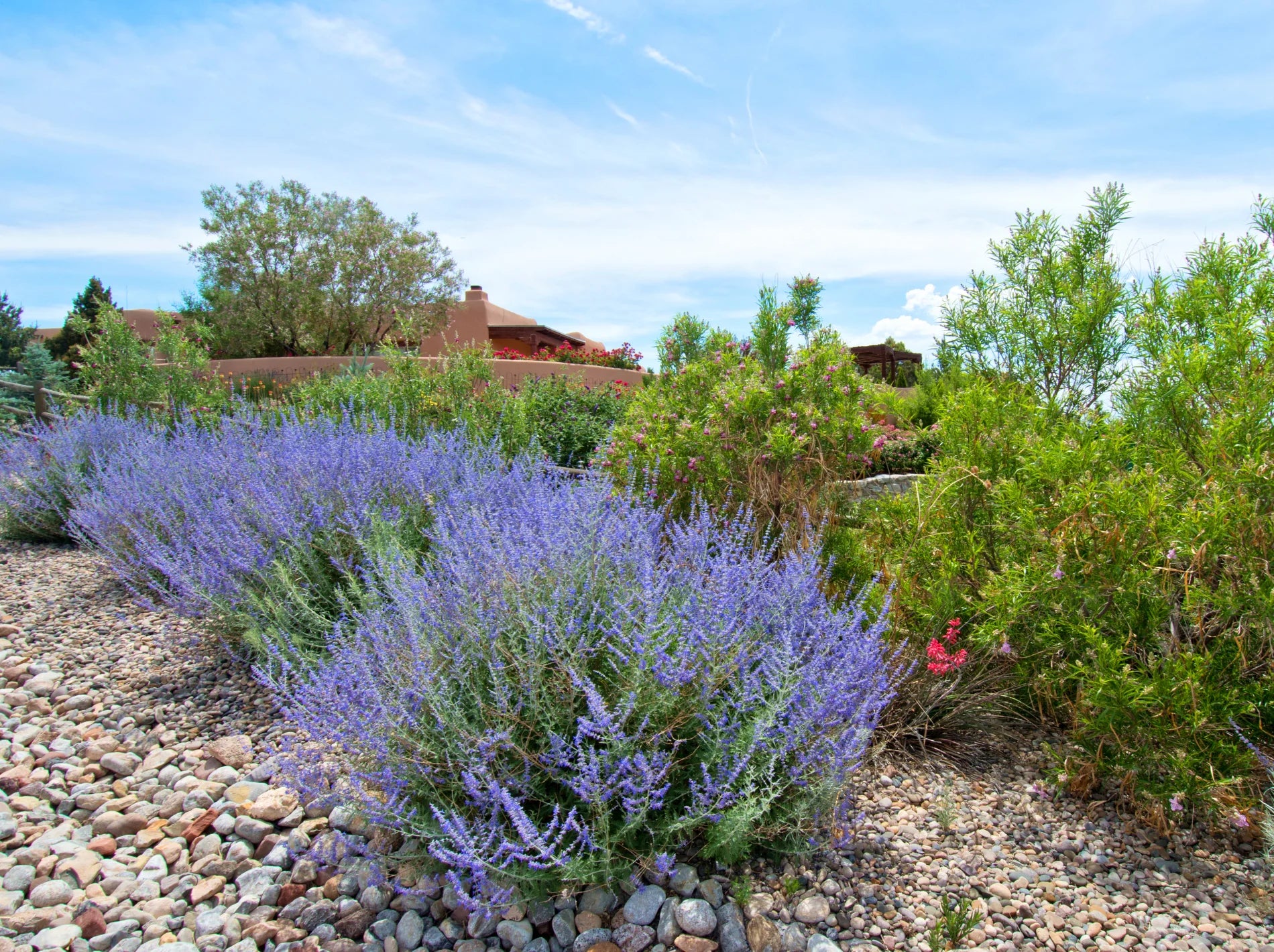
Understanding the native regions and climate preferences of Russian sage and lavender is essential for assessing their regional adaptability. Russian sage, originating from Central Asia, thrives in dry, arid climates with hot summers. In contrast, lavender, native to Europe and the Mediterranean region, prefers regions with dry summers and mild winters. Lavender demonstrates higher adaptability to a wider range of climates compared to Russian sage. It is commonly cultivated in xeric and Mediterranean landscapes due to its resilience in such conditions. On the other hand, Russian sage is better suited for wetter, more dynamic climates. When considering the regional adaptability of these plants, it is crucial to take into account the growing zones and climate characteristics of the specific area. By choosing the plant that aligns with the regional conditions, you can ensure successful growth and thriving gardens tailored to your environment.
Harvesting Techniques
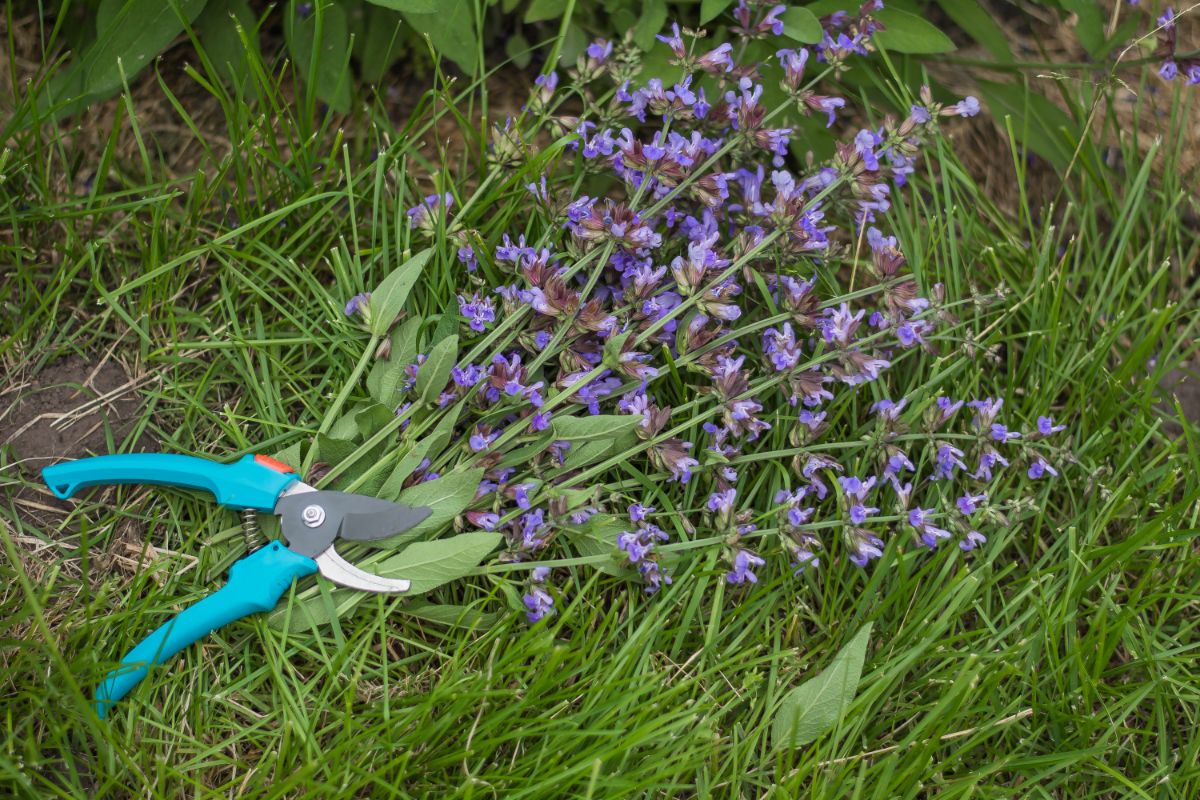
When harvesting Russian sage and lavender, it is important to consider their specific growth patterns and flowering seasons. Here are some key harvesting techniques for each plant:
- Russian Sage:
- Harvest during the late summer or early fall when the plant is in full bloom.
- Cut the stems with foliage and flowers intact for drying.
- Hang the stems upside down in a dry, well-ventilated area for long-term storage.
- Avoid harvesting Russian sage too late in the fall, as the plant may not have enough time to establish new growth before winter.
- Lavender:
- Harvest lavender when the flowers are in full bloom, typically during the summer months.
- Cut the flower stalks above the foliage using sharp pruning shears.
- Bundle the stalks together and hang them upside down to dry in a warm, dark place.
- To promote regrowth, avoid cutting into old wood when harvesting lavender.
Landscape Design Considerations
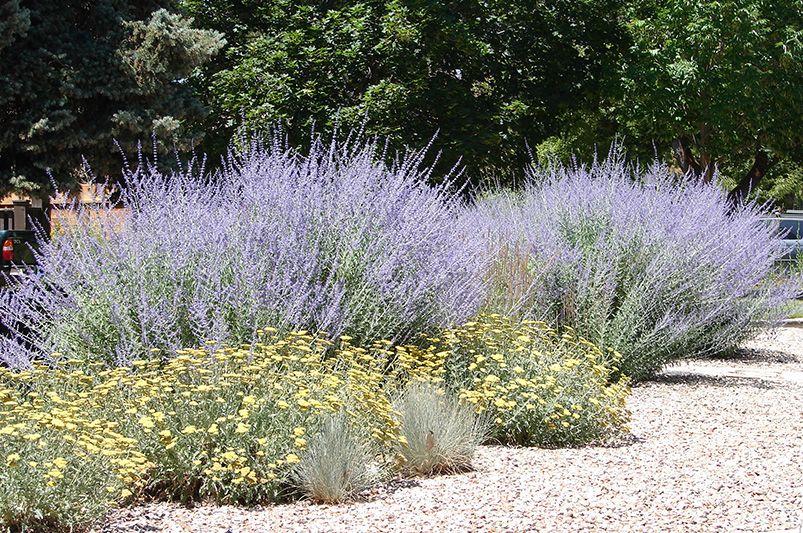
Consider the following landscape design considerations when incorporating Russian sage and lavender into your garden. When planning your garden layout, it’s essential to take into account the distinct growth patterns and characteristics of Russian sage and lavender plants. Below is a comparison table to help you make an informed decision:
| Factors to Consider | Russian Sage | Lavender Plant |
|---|---|---|
| Height | Up to 5 feet | 1 to 3 feet |
| Fragrance | Hint of mint | Unique floral essence |
| Appearance | Bushier | More compact |
| Versatility | Larger, upright | Versatile in size |
When planting lavender, consider its versatility and ability to thrive in various garden settings. Lavender’s compact growth makes it ideal for borders, containers, or rock gardens. On the other hand, Russian sage’s taller and bushier appearance can serve as a striking focal point in the garden or as a backdrop for other plants. By understanding these landscape design considerations, you can create a visually appealing garden that showcases the unique characteristics of both Russian sage and lavender.
Final Thoughts
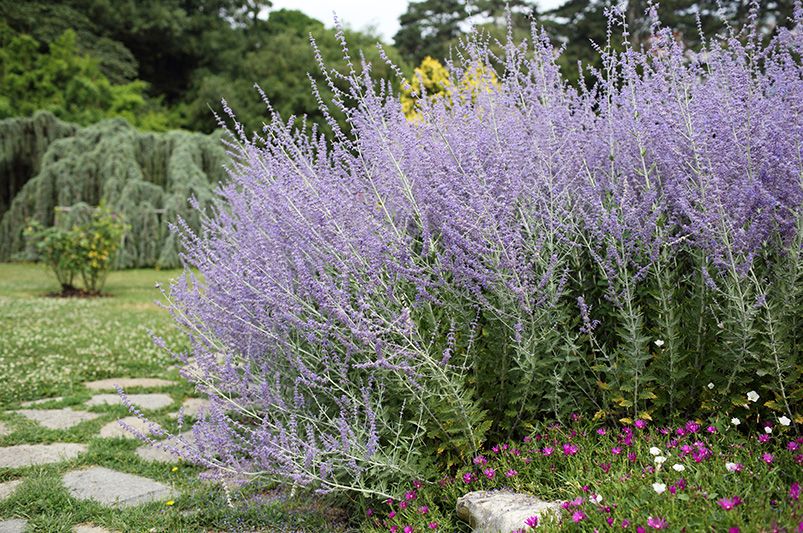
To conclude, the distinct characteristics of Russian sage and lavender offer gardeners a range of options for creating visually appealing and functional landscapes. When deciding between Russian sage and lavender plants for your garden, consider the following:
- Sage Benefits: Russian sage adds height and a strong menthol scent, making it ideal for creating a sensory experience in your garden.
- Lavender Aromas: Lavender is favored for its floral aroma and versatility in culinary applications, providing both visual beauty and practical use.
- Medicinal vs. Culinary Uses: While Russian sage is known for its medicinal properties, lavender is a popular choice for its culinary applications and fragrant oils.
- Climate Considerations: Opt for Russian sage in wetter climates due to its tolerance of moisture, while lavender thrives in hot, dry conditions, offering a selection tailored to your specific environment.