

If your lemons are green, they might be immature or a unique Meyer variety. Environmental factors like sunlight and nutrients can also affect their color. Green lemons are safe and can still be used in cooking and baking. Try pickling, marinating, or preserving them for tangy treats. Experiment with pickling spices and herbs, adjust marinating time, or dehydrate for extended use. Green lemons are rich in vitamin C, aid digestion, and freshen breath. Use them in marinades, dressings, baking, or infused water for a tangy twist. Discover how green lemons can add a zesty flair to your culinary creations.
1. Early Harvesting Causes Green Lemons

Early harvesting of lemons can lead to the production of green fruits instead of the desired ripe yellow lemons. When lemons are picked prematurely, they lack the necessary time on the tree to develop their characteristic yellow hue. This premature picking interrupts the natural ripening process, resulting in green lemons. Green lemons are distinguishable by their firm texture and increased acidity compared to fully ripened yellow lemons. The lack of maturation caused by early harvesting also means that green lemons may not reach their full potential in sweetness and flavor.
Several factors contribute to the timing of lemon harvesting, such as weather conditions, tree health, and the maturity of the fruit. These variables can impact how quickly lemons ripen on the tree. By understanding the consequences of early harvesting, such as the production of green lemons, growers can make more informed decisions to ensure optimal fruit quality.
2. Meyer Lemon Varieties Stay Green

Meyer lemon varieties, known for their unique characteristics, exhibit a distinctive trait of retaining a green coloration even when fully ripe. These green Meyer lemons are not a sign of underripeness; instead, they offer a blend of green and yellow hues that indicate their readiness for consumption. Here are some key points to note about Meyer lemon varieties staying green:
- The green color of Meyer lemons is a natural characteristic of the fruit, distinguishing them from traditional yellow lemons.
- Despite their green appearance, Meyer lemons can reach peak ripeness and be bursting with flavor.
- Green Meyer lemons are sought after for their sweet and tangy taste, making them ideal for various culinary uses.
- Meyer lemon trees consistently produce green fruits, providing a unique option for those looking to add a twist to their dishes with these vibrant green lemons.
3. Environmental Factors Influence Color

Temperature fluctuations and sunlight exposure play a significant role in influencing the coloration of lemons, potentially resulting in the retention of a green hue. When lemons are subjected to varying temperatures and receive irregular sunlight exposure, the production of chlorophyll in the fruit can be affected, leading to the development of green lemons. Factors such as the type of lemon tree and the maturity of the fruit also contribute to the prevalence of green lemons. It is important to note that the green color of lemons does not necessarily indicate an issue with the fruit’s edibility. Despite their color, green lemons are safe to consume and can still be utilized in cooking and baking. By understanding the environmental factors that influence the color of lemons, you can better manage and make use of green lemons in your culinary endeavors.
4. Culinary Uses for Green Lemons
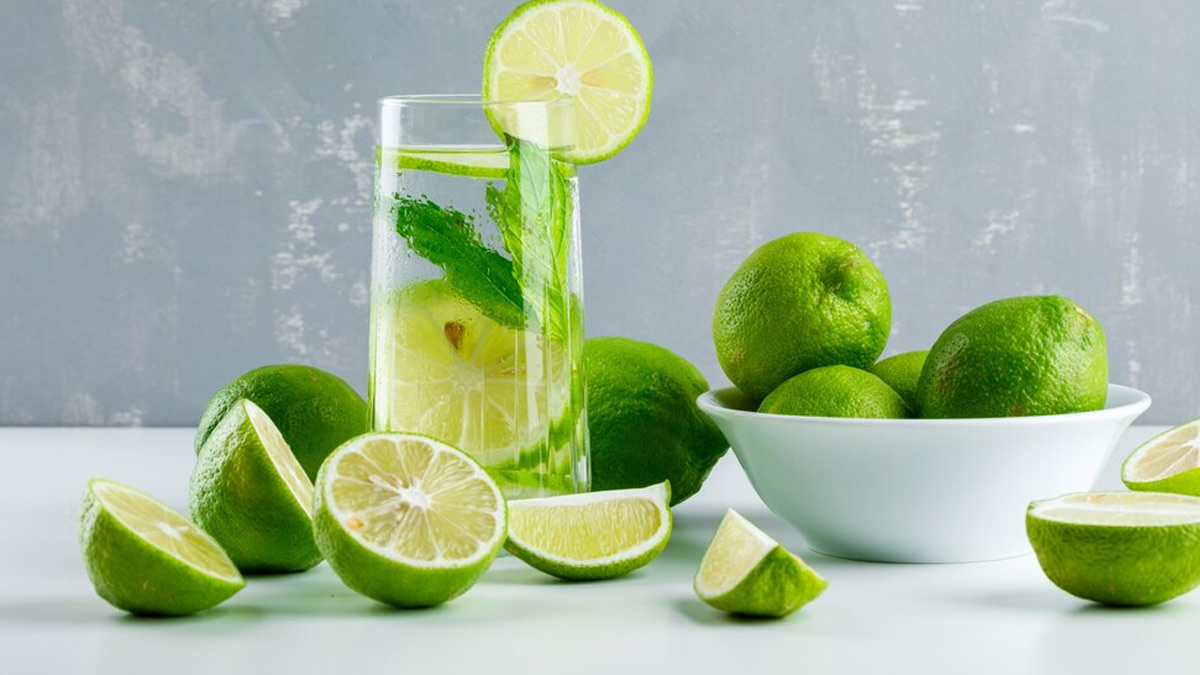
When considering the culinary potential of green lemons, their unique flavor profile opens up a variety of creative options for cooking enthusiasts. Here are some innovative ways to incorporate green lemons into your culinary repertoire:
- Pickling: Green lemons are perfect for making pickles, infusing the preserved dish with a distinctive tangy flavor that sets it apart from traditional pickled goods.
- Frozen Treats: By juicing green lemons and sweetening the juice to taste, you can create a refreshing frozen treat that is ideal for cooling off on hot days.
- Preserved Lemons: Embrace the Moroccan culinary tradition by making preserved lemons from green fruits. These preserved lemons add an intense citrusy punch to a wide range of dishes.
- Beverage Balance: Adding green lemons to juices can introduce a slightly bitter aftertaste, which is excellent for balancing out the sweetness in beverages, offering a unique twist to your drinks.
5. Tangy Twist in Savory Dishes
:max_bytes(150000):strip_icc()/12-taste-northeast-scallops-1aa0833b33384b718ddaf703f3c8014e.jpg)
Green lemons, when used in savory dishes, can provide a tangy and zesty twist that enhances the overall flavor profile of the meal. The unripe lemons from lemon trees offer a unique opportunity to experiment with different culinary creations. Incorporating green lemons in dishes like seafood, salads, and marinades can add a refreshing citrus kick while balancing flavors. Their tartness can elevate the taste of sauces, glazes, and condiments, offering a delightful twist to traditional recipes. By utilizing unripe lemons creatively, you can create a memorable culinary experience that surprises your taste buds. Additionally, experimenting with pickling or marinating techniques using green lemons can further enhance the depth of flavors in your dishes. Whether in beverages, dressings, or savory meals, these underripe lemons can bring a new dimension to your cooking repertoire. Next time you have green lemons on hand, consider the savory possibilities they hold for your next culinary adventure.
6. Pickling and Marinating Techniques

To preserve green lemons, you can pickle them in a brine solution with a variety of spices and herbs. This process not only extends the shelf life of the lemons but also infuses them with complex flavors. When marinating green lemons, you immerse them in a mixture of oil, vinegar, and seasonings, allowing them to absorb the delicious marinade. Here are some techniques for pickling and marinating green lemons:
- Spice Variety: Experiment with different spices such as peppercorns, coriander seeds, and cinnamon sticks to create unique flavor profiles.
- Herb Combinations: Combine herbs like thyme, rosemary, and bay leaves to enhance the aromatic qualities of the pickled or marinated lemons.
- Duration of Preservation: Adjust the pickling or marinating time to achieve the desired level of tanginess and texture in the green lemons.
- Usage in Dishes: Incorporate pickled or marinated green lemons in salads, sauces, or even as a garnish for grilled meats to elevate the flavors of your dishes.
7. Preserving Green Lemons Long-Term

For long-term preservation of green lemons, various methods such as pickling, fermenting, salting, sugaring, making marmalade or jelly, and dehydrating can be considered. Pickling green lemons involves immersing them in a brine solution typically containing vinegar, salt, and spices. Fermenting green lemons can enhance their flavor profile by using beneficial bacteria to break down sugars and create a tangy taste. Salting green lemons draws out moisture, preserving them while intensifying their citrusy essence. Sugaring green lemons involves creating a sweet syrup to preserve the fruit in a delightful candied form. Making marmalade or jelly with green lemons requires cooking them down with sugar to create a spreadable delight. Dehydrating green lemons results in dried slices that can be stored for extended periods and used in various culinary applications. Experimenting with these preservation techniques allows you to find the best method for your green lemons, ensuring they stay flavorful and ready for use.
8. Creative Ways to Utilize Green Lemons
:max_bytes(150000):strip_icc()/197751_RefreshingCucumberLemonade_ddmfs_3x4_3673-cf60e5dcd1db4d149ec5e0c34569f690.jpg)
Consider incorporating the tangy and refreshing flavor of green lemons into your culinary creations to elevate your dishes with a unique twist. Green lemons offer a slightly bitter taste that can add depth and complexity to various recipes. Here are some creative ways to make the most out of green lemons in your dishes:
- Pickles and Preserved Lemons: Green lemons are perfect for making tangy pickles or preserved lemons, which can infuse your dishes with a unique flavor profile.
- Frozen Lemon Juice: Experiment with juicing green lemons and freezing the juice for later use in recipes or refreshing beverages.
- Marmalade Recipes: Consider incorporating green lemons into marmalade recipes to introduce a slightly bitter and refreshing twist to your spreads.
- Juices and Cocktails: Use green lemons in juices or cocktails to add a hint of bitterness and a burst of citrusy flavor to your drinks.