

Pruning shears are your indispensable tool for encouraging healthy growth and aesthetics in your garden by accurately cutting and sculpting plants. They enable precise control over plant shape, enhance air circulation, and elevate sunlight exposure, which is vital for plant vigor and beauty. With varieties like bypass for live plants, anvil for dead stems, and ratchet for thick branches, choosing the right type ensures efficient and healthy cuts. These shears not only help maintain plant health but also turn pruning into an art form, allowing you to transform your garden. Discover how proper techniques and care amplify these benefits as you explore further.
Definition of Pruning Shears
Pruning shears are essential garden tools designed specifically for cutting branches and shaping plants efficiently and effectively. As a passionate gardener, you know that using pruning shears isn’t just about making cuts; it’s about encouraging healthy growth and maintaining the beauty of your garden. These tools are indispensable, allowing you to precisely shape and control the development of your plants.
When you use pruning shears, you’re engaging in an art form, sculpting living organisms to enhance their natural beauty and vitality. This gardening tool isn’t just about utility but also about the aesthetic and health of your garden.
Regularly using your pruning shears helps to improve air circulation and sunlight exposure, which are critical factors in plant health. This, in turn, boosts overall vitality, making your garden not only look better but also become more resilient.
Types of Pruning Shears
To cater to varying gardening needs, several types of pruning shears have been developed, each designed with specific tasks and plant characteristics in mind. When you’re out in your garden, observing the unique demands of each plant, the right pair of pruning shears can make all the difference.
Bypass pruners, akin to scissors, offer you precision. They’re perfect when you need to make clean cuts on live plants without crushing delicate tissues. Anvil pruners, on the other hand, feature a single straight blade that closes against a flat edge, making them ideal for tackling dead or tough material where neatness isn’t as crucial.
For those tougher jobs, ratchet pruners are a godsend. They incrementally increase pressure as you cut, reducing the strain on your hands. If you’re dealing with larger gardens or need to save time, electric pruning shears provide a powered blade that glides through branches effortlessly, while pole pruners extend your reach to trim those elusive high branches.
Here’s a quick overview to help you visualize the options:
| Type | Best For |
|---|---|
| Bypass Pruners | Precise cuts on live plants |
| Anvil Pruners | Cutting dead or hard stems |
| Ratchet Pruners | Thick, tough branches |
| Electric & Pole Pruners | High branches and efficiency |
Choosing the right shears enhances your pruning experience, letting you tackle any gardening challenge with ease.
Choosing the Right Pruners
When selecting the ideal pruners, you must carefully consider the specific tasks you’ll tackle in your garden, from shaping delicate live plants to cutting through tough, dead branches. The choice between anvil, ratchet, or bypass pruners hinges on these distinctions.
For instance, bypass pruners, with their scissor-like action, are exemplary for making precise cuts on live plants, ensuring a clean, healthy cut that promotes plant health.
On the other hand, anvil pruners, which feature a single straight blade that closes against a flat edge, are robust and better suited for dead wood. Their design is optimal for thick, dry branches where precision is less critical than sheer cutting force.
Material-wise, stainless steel pruners are fantastic due to their non-stick coating, which prevents sap and debris buildup, facilitating easier cuts and cleaning. Chrome-plated steel, while similar in durability, offers added resistance against corrosion—a boon if you’re frequently pruning in damp conditions. However, if you’re opting for carbon steel, remember it’s extremely durable but demands diligent care to avoid rust.
Always align your choice with your pruning demands. Frequent use requires blades that retain sharpness over time, ensuring enduring performance and less effort with each cut.
Pruning Techniques Explained
You’ll want to start by selecting the right pruning tools; the choices you make can significantly impact the health and growth of your plants.
Understanding basic pruning methods is crucial, as proper technique involves not only where, but how you make cuts.
Timing your pruning sessions during specific seasons maximizes plant vigor and bloom potential, ensuring your garden thrives year-round.
Selecting Proper Pruning Tools
Selecting the right pruning tools, such as bypass, anvil, or ratchet pruners, hinges on the specific task and the type of plant material you’re dealing with. It’s vital to understand the nuances of each tool to ensure you’re not only making clean cuts but also preserving the health of your plants.
- Pruning tools comparison:
Bypass pruners work like scissors, ideal for precise cuts on live plants without crushing delicate tissues. Anvil pruners feature a single blade closing against a flat surface, best suited for dead wood as they tend to crush softer green stems. Ratchet pruners add a mechanism that multiplies your hand strength, allowing for easier cutting through tough, thick branches.
Ensuring you’re equipped with the right tool can dramatically improve your pruning experience. Here’s why you need to keep maintenance and safety at the forefront:
- Pruning tool maintenance:
Regularly clean blades with soapy water and dry them thoroughly; oil the hinges to prevent rust and ensure smooth operation. Sharp blades make cleaner cuts and reduce strain on both plant and pruner.
- Pruning tool safety:
Always wear gloves and use tools with ergonomic handles to reduce strain and prevent accidents. Ensure safety locks are engaged when not in use to avoid unintended injuries.
Basic Pruning Methods
Why should you master basic pruning methods? Understanding these techniques is essential for maintaining the vigor and health of your plants, ensuring their beauty and longevity. Let’s delve into some effective pruning tips that are foundational in garden maintenance and plant care techniques.
Firstly, always cut branches at a 45-degree angle. This specific angle is crucial as it promotes quick healing and prevents water from accumulating on the cut surface, which could lead to decay and disease. This is a cardinal rule in pruning that you can’t afford to overlook.
Moreover, it’s imperative to remove dead or diseased branches promptly. This not only tidies up the plant but also prevents the spread of diseases that can be fatal to plant health. By cutting away these compromised elements, you’re essentially giving your plant a new lease on life.
Another vital aspect is to avoid cutting too close to the trunk or main stem. Protect the branch collar—the small swelling where the branch meets the trunk—as this area contains critical cells for wound healing. Cutting into this can cause significant damage, hindering the plant’s ability to recover.
Lastly, ensure your pruning shears are always sharp. Blunt tools can create jagged cuts that are difficult for plants to heal, leading to unnecessary stress and potential infection. Sharp shears make clean cuts that heal quickly and efficiently.
Timing Your Pruning Sessions
Timing your pruning sessions correctly plays a pivotal role in fostering robust plant growth and vitality. By understanding the unique growth cycles of your plants, you can create effective pruning schedules that optimize plant health and aesthetics.
Seasonal pruning tips are crucial; each species has its prime time for trimming, and getting this right is key to optimizing plant growth.
Pruning during the dormant season is particularly beneficial as it significantly reduces plant stress. This is when many plants are in a natural state of rest, making them less susceptible to harm that can occur from pruning cuts.
Here’s why timing is everything:
- Seasonal Pruning Tips: Learn when specific plants thrive with pruning to ensure vigorous growth in the upcoming season.
- Benefits of Dormant Pruning: Engage in pruning when plants are dormant to minimize stress and invigorate spring growth.
- Understanding Plant Cycles: Tailor your pruning schedule to the natural lifecycle of each plant for maximum health benefits.
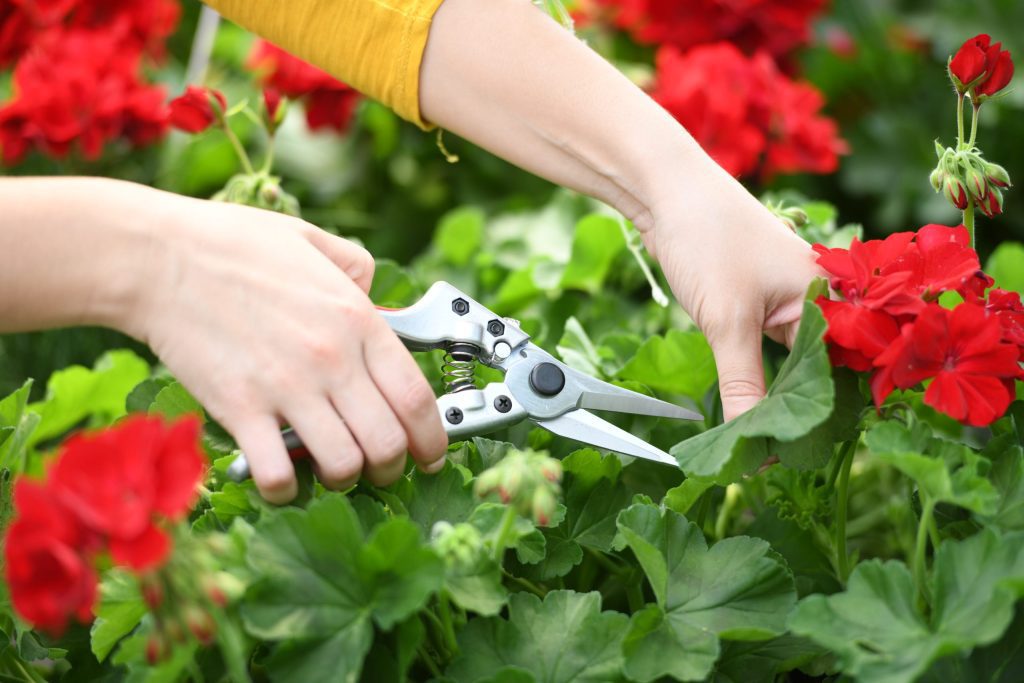
Proper Care for Pruners
To ensure your pruning shears remain in top condition, you must clean them after each use to prevent disease transmission among your plants. It’s crucial to adopt a detailed pruner maintenance routine, which includes regular blade sharpening. Sharp blades make precise cuts that heal faster, reducing stress on your plants.
Cleaning your pruners isn’t just about wiping off dirt; it’s about preserving their functionality and ensuring they’re ready for the next use. After cleaning, apply a light lubricant to the pivot points. This not only makes the cutting action smoother but also protects against rust and corrosion. Regular bolt checks are necessary to keep the tool tightly assembled, ensuring safety and effectiveness during use.
Here’s a helpful table summarizing pruner care:
| Care Aspect | Details |
|---|---|
| Blade Sharpening | Regularly sharpen for clean, efficient cuts |
| Cleaning & Storage | Clean after use, store in a dry place |
| Lubrication | Apply to pivot points for smooth operation |
| Bolt Checks | Tighten screws and bolts to maintain integrity |
Embrace these practices passionately to maintain your pruning shears in pristine condition, maximizing their lifespan and your gardening success.
Common Pruning Mistakes
When you’re pruning young plants, it’s crucial to avoid over-pruning, as stripping away too much foliage can severely stunt their growth and resilience.
Each plant species has unique pruning needs that must be meticulously respected to maintain their health and aesthetic form.
If you ignore these specific requirements, you risk not only the vitality of your plants but potentially inducing stress that could lead to disease and decay.
Over-Pruning Young Plants
Pruning young plants too aggressively can severely hinder their development and expose them to a higher risk of disease and pest infestations. When you’re eager to see your plants thrive, it’s crucial to understand that over-pruning isn’t the way to achieve robust growth and health. Instead, this common mistake can stunt their progress, making them less resilient and more susceptible to environmental stresses.
Here are key points to consider:
- Pruning benefits, plant health: Proper pruning enhances plant health by removing only the necessary parts, thus preventing overexertion of energy on recovery.
- Pruning frequency, growth patterns: Adapting your pruning frequency to the growth patterns of your plants ensures you don’t disrupt their natural development.
- Pruning tips, plant resilience: Implement strategic pruning techniques that support resilience, allowing young plants to develop a strong foundation and root system.
Always remember, moderation is key in pruning. By observing your plant’s response and adjusting your approach, you ensure that each cut promotes healthier, more vigorous growth without overwhelming your young plants. Let them establish themselves with time, fostering a natural growth process that leads to a flourishing garden.
Ignoring Plant Species Needs
Understanding each plant species’ unique pruning needs is crucial to avoid damaging your cherished garden. Different species demand specific approaches due to their unique growth patterns and flowering cycles. Ignoring these can severely impact their health and vibrancy.
When you don’t tailor your pruning techniques to each plant, you’re not just risking its appearance but also its ability to thrive. Pruning at incorrect times or in inappropriate ways can hinder growth and reduce flowering, which are direct consequences that affect the overall health and aesthetic of your garden.
Here’s a quick guide to help you grasp the importance of species-specific pruning:
| Plant Type | Key Pruning Time |
|---|---|
| Flowering Shrubs | Immediately after bloom |
| Fruit Trees | Late winter or early spring |
| Perennials | Late fall or early spring |
Understanding these guidelines ensures that you’re promoting robust growth and abundant blooms. The importance of plant care cannot be overstated; it’s essential to educate yourself on the growth patterns of each species in your garden. Remember, the consequences of neglecting proper pruning can be severe, but the benefits of meticulous, informed pruning are vast and rewarding.
Advantages of Regular Pruning
Regularly trimming your plants not only enhances their health by eliminating dead or diseased branches, but also allows for improved airflow and sunlight exposure. Understanding the benefits of pruning is crucial in maintaining a healthy, vibrant garden. By committing to regular maintenance, you’re not just tidying up; you’re enhancing plant health at a fundamental level. This proactive approach ensures your plants can flourish, resist diseases better, and produce more abundantly.
Consider the following advantages of regular pruning:
- Controlled Growth and Aesthetics: Pruning lets you shape your plants in a way that enhances the overall look of your garden. By managing the size and form, you create a landscape that isn’t only functional but also visually appealing.
- Stimulated Growth and Flowering: Strategic cuts stimulate new growth and encourage flowering. This not only leads to a more lush and dynamic garden but also increases the vigor of your plants, making them more resilient.
- Increased Fruit Production: For fruit-bearing specimens, regular pruning directs the plant’s energy towards producing larger, healthier fruits rather than excessive vegetative growth.
Embrace pruning as an essential part of garden care. The time and effort you invest pays off manifold in the health and productivity of your plants.