

You can elevate your garden’s tranquility with these top Japanese pruning techniques. Start with Niwaki pruning to sculpt trees and reveal their innate beauty, embracing each plant’s unique character. Utilize basic thinning methods, carefully selecting and removing overgrown branches, which boosts the tree’s resilience. Explore specialized techniques like S-Shape and Cloud Pruning for striking visual effects. Candle Pruning is essential for conifers, focusing on removing new shoots with precision. Don’t forget to engage in regular branch maintenance, ensuring symmetry and preventing disease. With each season, adapt your approach to enhance both aesthetic charm and plant health. Mastery of these methods promises even greater garden wonders ahead.
1. Understanding Niwaki Pruning

Niwaki pruning meticulously sculpts trees and shrubs, highlighting their inherent beauty and aged grace through specialized techniques and tools. As you delve into this Japanese pruning technique, you’ll appreciate its ability to transform ordinary greenery into living sculptures. Central to Niwaki is the philosophy of showcasing a plant’s essence, often emphasizing features that suggest antiquity and endurance.
The process begins with a vision—envisioning the tree’s ultimate form that blends seamlessly with your garden’s overall aesthetic. You’ll use Japanese secateurs, crafted for precision, to make decisive cuts. These tools are essential for achieving the delicate balance required in Niwaki. Additionally, the use of a tripod ladder enables you to reach higher branches safely, ensuring even the tallest trees receive your artistic touch.
Through Niwaki, you’re not just pruning; you’re coaxing the tree to reveal its story. Each snip and trim is a calculated step towards an elegant, mature appearance, often reminiscent of the windswept trees that populate ancient Japanese landscapes. This practice doesn’t merely shape trees but encourages a deeper connection with the natural world, inviting tranquility into your garden.
As you master these techniques, you’ll see your garden as a canvas, with each tree a potential masterpiece awaiting your skilled hands.
2. Basic Thinning Techniques
As you begin thinning your Japanese garden, first identify branches showing signs of overgrowth that disrupt the plant’s elegant structure.
You’ll need to master proper cutting angles to ensure clean cuts that promote healthy regrowth and maintain the plant’s aesthetic form.
Also, consider the seasonal timing of your pruning to align with plant dormancy phases, optimizing recovery and growth.
Identifying Branch Overgrowth
To identify branch overgrowth, look for limbs that cross, rub, or grow inward toward the center of the tree. In the realm of Japanese style pruning, such overgrowth isn’t just a functional concern but an artistic one too. The chaotic intersecting branches disrupt the visual harmony and balance that are quintessential to Japanese garden aesthetics.
When assessing your tree, scrutinize the silhouette and internal structure. Overgrown branches often create dense pockets that block light and reduce air circulation, setting the stage for disease and poor health. These branches typically emerge from a single point, creating a cluttered node that’s visually unappealing and biologically unsustainable.
Thinning these branches is crucial. You’ll make cuts at the junctions where they meet more dominant limbs or the trunk itself, always aiming to preserve the tree’s natural form. This not only prevents future structural issues but also enhances the tree’s resilience against harsh weather.
Proper Cutting Angles
Once you’ve identified branches for removal, it’s crucial to make your cuts at a precise 45-degree angle to foster optimal healing and direct new growth effectively. In the context of your Japanese Garden, this technique not only enhances the garden’s aesthetic but also its health. You’ll want to ensure that each cut is meticulously angled to prevent water from accumulating on the surfaces, which considerably reduces the risk of disease.
When making these cuts, it’s vital to position your shears just above a bud or lateral branch. This strategic placement guides the future growth outward or upward, maintaining the natural, yet cultivated form that Japanese gardens are celebrated for. Here’s a quick guide to help you visualize the process:
| Cut Type | Purpose | Considerations |
|---|---|---|
| Above a Bud | Direct growth in desired path | Ensure bud is facing outward |
| Near Branch | Promote thicker growth nearby | Avoid cutting too close |
| Angled Cut | Improve health, aesthetics | Maintain 45-degree angle |
Seasonal Timing Considerations
Why should you consider the timing of your pruning efforts in Japanese gardening?
Pruning during the dormant season isn’t just a tradition; it’s a strategic choice that nurtures the plant’s vitality. In the chill of late winter or early spring, your garden’s woody plants are in a dormant state, a period when the stress of cutting back branches is minimized. This timing is crucial as it spares the plants from the harsh impacts of active growing phases, allowing them to heal and reserve energy for the burgeoning spring.
Basic thinning techniques play a pivotal role here. By selectively removing branches, you improve air circulation and sunlight penetration, which are vital for the health of your garden’s micro-ecosystem. Each cut should be made back to a lateral branch or bud, honing the natural form of the plant while encouraging robust new growth.
Moreover, this strategic removal of branches stimulates dormant buds to burst into life, fostering a flourish of new leaves and flowers when spring unfurls. This not only enhances the plant’s health but also its aesthetic allure, embodying the serene and deliberate artistry of Japanese gardening.
The right timing and technique in pruning ensure your garden remains a vibrant and harmonious sanctuary.
3. S-Shape Formation
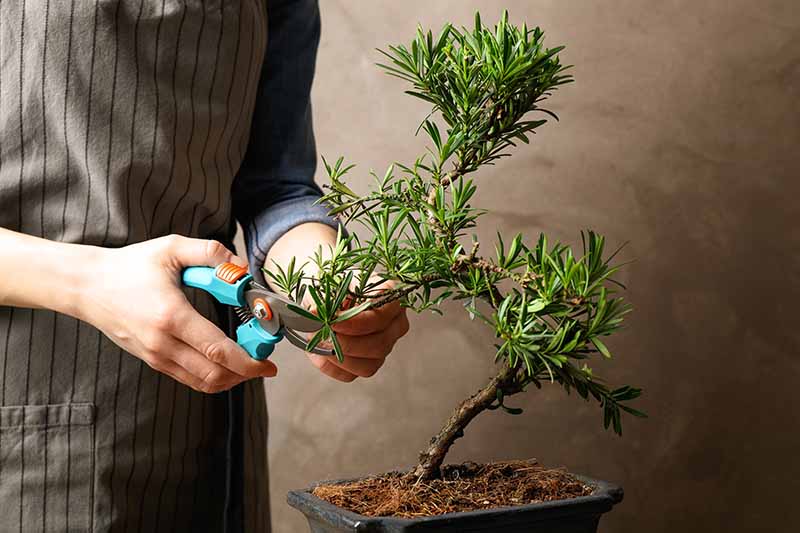
Many Japanese gardens feature the S-Shape formation, a pruning technique that skillfully curves branches to echo the graceful patterns found in nature, enhancing both the garden’s aesthetic and its tranquil ambiance. This style isn’t simply about cutting; it’s an art form that requires understanding the inherent character of each tree to subtly guide its growth into serene, flowing lines.
As you begin, identify the key branches that will form the S-shape. Your choice shouldn’t only consider the current structure but also anticipate future growth. Gently coax these branches by careful pruning and, in some cases, by using ties to hold them in place as they adapt to their new form. This process isn’t rushed; it unfolds over seasons, even years, demanding patience and vision.
Achieving an S-shape enhances the tree’s natural elegance, creating a focal point that draws the eye along its smooth curves. This silhouette is visually striking, offering a sense of movement and continuity within the garden space.
Moreover, it’s crucial to maintain the health of the tree during this transformation, ensuring that each cut promotes vitality, allowing the tree to thrive in its sculpted form.
4. Cloud Pruning Essentials

Cloud pruning’s meticulous technique transforms ordinary shrubs into whimsical, cloud-like forms that enhance the garden’s ethereal quality. This traditional Japanese art requires you to carefully sculpt your garden’s trees and shrubs, emphasizing the negative spaces between branches to create a sense of lightness and airiness. It’s a practice where your artistic flair can shine, turning the natural landscape into a living sculpture.
To master cloud pruning, you’ll need to adopt a detailed and patient approach. Start by selecting the right plant; not every shrub is suitable for this technique. Ideal candidates are those with flexible branches and growth patterns that can be easily molded. Begin by thinning out the dense foliage, then gradually shape the remaining branches into soft, rounded forms that resemble clouds. This not only highlights the plant’s structural beauty but also plays with the light and space to give your garden a unique, layered look.
Maintaining these cloud forms requires regular pruning to keep the shapes distinct and prevent overgrowth. Each cut should be considered and precise, aimed at preserving the overall design while encouraging healthy growth. With time and care, your garden will transform into a serene, cloud-filled landscape, a testament to the art of cloud pruning.
5. Candle Pruning for Conifers

In the art of Japanese gardening, candle pruning empowers you to meticulously shape conifers by selectively removing their new shoots, known as candles, to control growth and enhance aesthetic form. This delicate operation, performed primarily in spring, requires precision and timing.
Before these candles fully extend, you’ll need to assess each one’s potential impact on your tree’s silhouette and overall health. Using specialized pruning tools, you carefully cut back these fresh shoots. Choose tools that fit comfortably in your hand, as they become extensions of your intent. A sharp pair of pruning shears or a small, precise saw is ideal for making clean cuts that heal quickly, preventing disease.
As you remove part of the candle, you’re not just cutting; you’re sculpting. You’re guiding the conifer to redistribute its energy towards the remaining branches, encouraging a denser, more compact growth. This technique is crucial for maintaining the desired shape and size of the tree, ensuring it complements the structured aesthetic of your Japanese garden.
6. Needle Grooming for Pines

After mastering candle pruning for conifers, you’ll find needle grooming for pines to be an equally artistic technique that refines their aesthetic and health. In the serene setting of Japanese gardens, this method is pivotal in sculpting pines into natural yet meticulously manicured forms.
You’ll start by assessing the pine’s current needle density. Identifying areas that seem overly dense is crucial, as these may hinder sunlight penetration and air flow. Using a precise set of small shears, you’ll gently pluck or trim excess needles from the inner branches outward, focusing on maintaining the pine’s organic silhouette.
This careful removal process not only enhances the visual appeal but also ensures better health for the tree. By thinning out the needles, you’re increasing air circulation significantly, which reduces the risk of fungal diseases and promotes robust growth.
As you progress with regular needle grooming, you’ll notice a transformation. The tree begins to exhibit a balance of density and openness, embodying the elegance and deliberate asymmetry revered in Japanese garden aesthetics. Through this technique, your pine won’t only survive but thrive, showcasing the harmonious interplay of art and nature unique to Japanese pruning styles.
7. Branch Selection Strategies
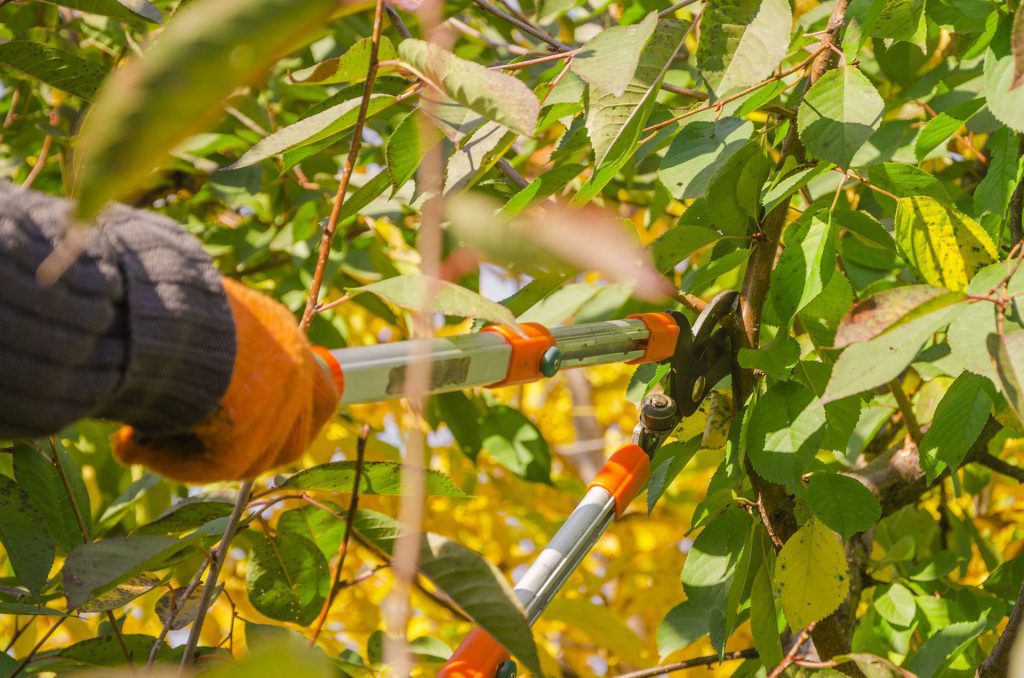
You’ll need to carefully select branches for pruning, focusing on their growth direction and position within the canopy to sculpt the tree’s desired form. It’s essential to use the right tools—a sharp pair of shears or a fine saw can make all the difference.
When examining your tree, look for branches that cross or rub against each other. These can cause wounds that are gateways for disease, so it’s best to remove them early on.
Additionally, you should prioritize cutting back branches that disrupt the overall aesthetics or block essential sunlight from reaching the inner parts of the canopy. This not only enhances the tree’s appearance but also its health.
Good air circulation is crucial, so aim for spacing that allows air to flow freely around all branches. This prevents moisture build-up that could lead to fungal infections.
8. Creating Cascading Branches
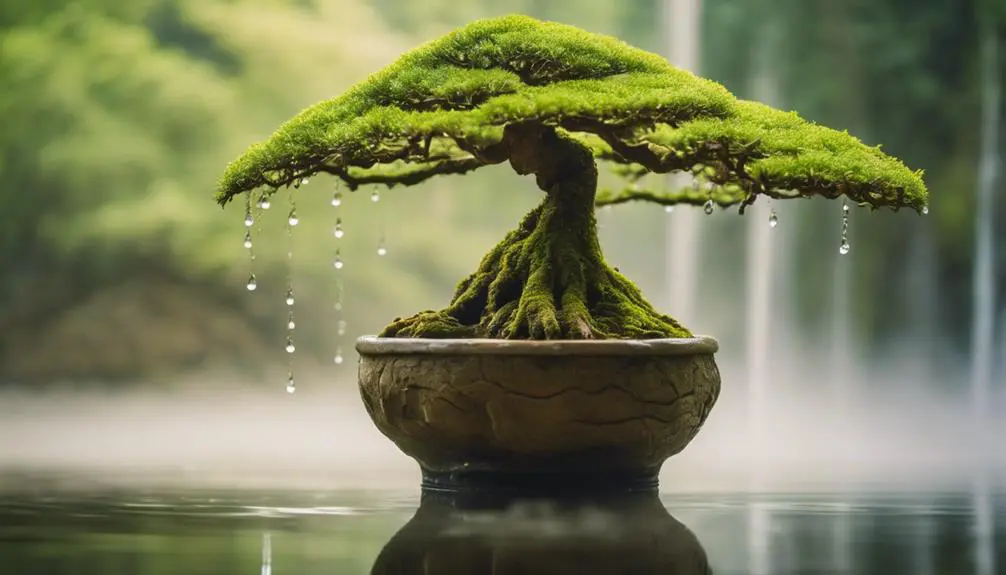
To master the art of creating cascading branches, you’ll first need to select suitable branches that naturally lend themselves to this elegant form. Guiding their growth requires meticulous wiring and strategic pruning to encourage a downward trajectory, mimicking the gentle sweep of a waterfall.
Regular maintenance and careful attention ensure that these branches develop correctly, maintaining both health and aesthetic appeal in your garden’s design.
Selecting Suitable Branches
Select branches that naturally droop to masterfully craft cascading branches, adding movement and elegance to your Japanese garden’s aesthetic. When scouting for potential branches, focus on those that exhibit a natural downward growth pattern. These branches are the ideal candidates for creating the desired cascading effect. It’s essential to avoid branches that grow upright or even horizontally, as they won’t contribute to the fluid, waterfall-like flow you’re aiming for.
Look carefully at the existing structure of your tree or shrub. Identify branches that not only hang or droop but also those that can be shaped without compromising the plant’s health. Remember, the goal is to enhance the plant’s natural shape, not to force it into an unnatural form.
By selecting the right branches, you’re setting the stage for a pruning process that accentuates the graceful, flowing lines characteristic of a well-designed Japanese garden.
Each branch you choose should complement the overall shape and flow of the plant, contributing to a harmonious and balanced appearance. This careful selection is crucial in achieving an effective cascading branch technique, which will ultimately bring a sense of dynamic movement and serene beauty to your garden landscape.
Guiding Branch Growth
Gently bend and train selected branches downward to initiate their transformation into the elegant cascades characteristic of Japanese garden aesthetics. This process of training and shaping trees is both an art and a science, requiring careful manipulation and an eye for natural beauty. You’ll start by identifying the strongest and most flexible branches that can endure the bending process without breaking.
Using soft ties or plant wire, gently coax these branches downwards, fixing them in place to encourage them to grow in the desired direction. It’s crucial to monitor their progress and adjust the tension as needed to avoid damaging the tree. As the branches lengthen, continue to guide their growth to enhance the cascading effect, which adds a layer of depth and sophistication to your garden landscape.
Here’s a quick guide to help you keep track:
| Step | Tool Needed | Purpose |
|---|---|---|
| Selection | Eye, Pruning Shears | Identify flexible branches |
| Bending | Soft Ties, Wire | Gently guide growth downward |
| Fixing | Plant Wire, Ties | Secure branches in place |
| Monitoring | Eye, Gloves | Check and adjust tension |
| Enhancing | Pruning Shears | Shape for aesthetic appeal |
Maintenance and Care
While creating cascading branches, you’ll need to regularly prune them to maintain their elegant downward flow and ensure their graceful appearance remains intact. This technique, central to Japanese garden aesthetics, requires you to understand the growth patterns of your trees. Each cut must be both strategic and precise, aimed at enhancing the natural, windswept appearance that mimics ancient, enduring trees in nature.
To start, select a branch that naturally leans downward and thin out the upper branches to emphasize this downward growth. It’s about finding a balance; you’re not just cutting back branches, but sculpting them, encouraging them to stretch and flow gracefully toward the ground.
Think of yourself as an artist, and your pruning shears as your brush, each stroke deliberate and thoughtful.
Focus on removing any branches that disrupt this flow—those that cross over others or grow upright disrupt the tranquility of your tree’s silhouette. Additionally, keep an eye out for dead or diseased wood, as these can compromise not only the aesthetics but also the health of the tree.
Regularly stepping back to view your work from a distance will help you see the overall form and adjust your technique as needed.
Through careful and continuous pruning, your tree will maintain its beautiful, cascading form, embodying the serene elegance so prized in Japanese garden design.
9. Maintaining Tree Symmetry
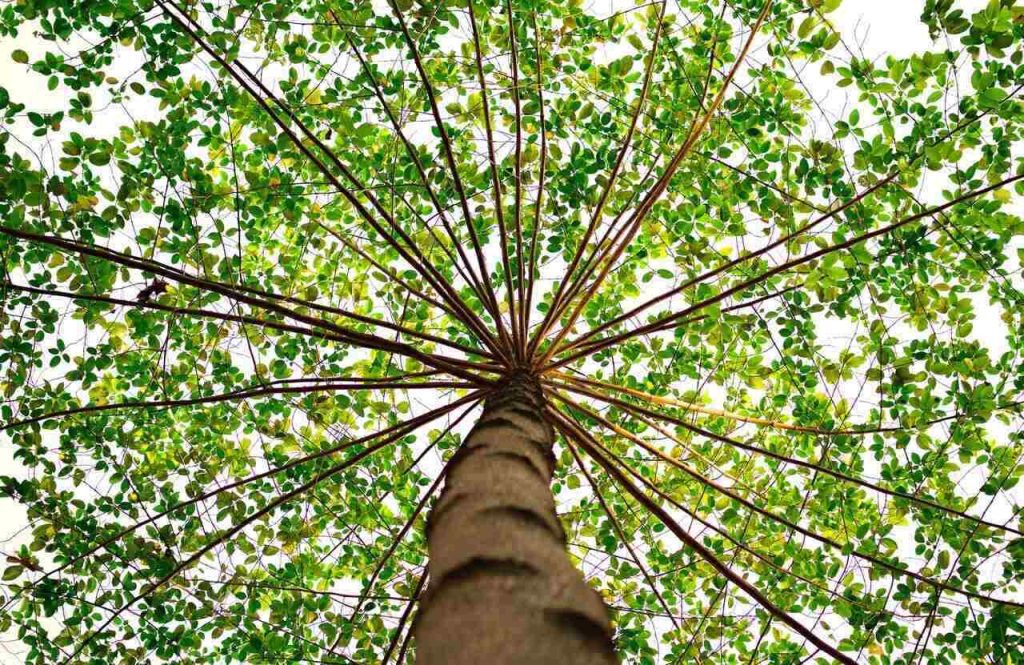
To maintain tree symmetry in Japanese garden pruning, you’ll employ techniques such as selective pruning, thinning, and crown reduction to ensure each tree displays a harmonious and balanced form. In Japanese gardening, the art lies in crafting a landscape that mirrors nature’s effortless beauty while maintaining meticulous control. You’re not just pruning; you’re sculpting a living entity to enhance both its longevity and aesthetics.
Each cut you make is deliberate, aimed at reducing density, balancing the tree’s structure, and promoting healthy growth without compromising the tree’s natural shape. It’s a dance between human intention and nature’s wild grace, where every snip and clip contributes to the overall serenity of the garden.
Here’s a handy reference table to guide you:
| Technique | Purpose | Benefit |
|---|---|---|
| Selective Pruning | Removes specific branches to shape the tree | Enhances visual harmony and balance |
| Thinning | Reduces tree density for better light and air flow | Promotes healthier, more robust growth |
| Crown Reduction | Decreases the height and spread of a tree | Prevents overgrowth and maintains scale |
10. Seasonal Pruning Tips

As you transition into managing spring growth, it’s crucial to selectively thin out crowded branches to enhance air circulation and light penetration, ensuring your garden’s vitality.
During the summer, you’ll focus on detailed shaping and the removal of any diseased or dead wood, which not only preserves plant health but also maintains aesthetic appeal.
Come winter, your preparation techniques should include protective pruning to minimize damage from cold weather, safeguarding your garden’s structural integrity for the coming spring.
Spring Growth Management
Managing spring growth through careful pruning not only shapes the aesthetic of your Japanese garden but also bolsters plant health and flowering potential. As you engage in shaping your garden’s elements, prioritize the selective thinning of branches. This encourages light and air to permeate densely packed areas, fostering a healthier plant environment.
When addressing spring pruning, it’s crucial to wait until after the last frost. This timing prevents potential harm to emerging buds, which are vital for the season’s growth. Begin with the removal of any dead or diseased wood. This not only cleans up the plant but also prevents the spread of disease.
Next, focus on controlling size and maintaining form. Use sharp, clean tools to make precise cuts. Cuts should be made just above new buds facing the outside of the plant, encouraging growth in that direction. This technique ensures your plants don’t just survive but thrive, enhancing their natural shape and beauty.
Summer Pruning Essentials
Summer pruning ensures your Japanese garden remains meticulously shaped and vibrant, enhancing both plant health and aesthetic appeal throughout the growing season. Mastering the styles of pruning is vital to this process. You’ll focus primarily on removing any unwanted growth, dead or damaged branches, which not only refines the appearance of your plants but also bolsters their vitality.
When you prune, timing is paramount. You must carefully choose the moment when your plants can best tolerate intervention without hindering their flowering and growth cycles. Typically, this period occurs after the initial flush of spring growth has matured.
The tools you use, such as sharp pruning shears and loppers, are crucial for making precise, clean cuts. These instruments allow you to sculpt your garden elements with an artist’s touch while ensuring the cuts are healthy for the plants. This technique enhances air circulation and sunlight exposure, which are essential for preventing diseases and promoting robust health.
Winter Preparation Techniques
Winter presents an ideal opportunity to focus on structural pruning, which accentuates the stark beauty of your Japanese garden’s framework. With the garden in its dormant phase, leafless branches and a blanket of snow provide a clear canvas, allowing you to make precise cuts that shape the silhouette of each tree and bush. This meticulous activity not only enhances the visual appeal during the sparse winter months but also sets the stage for vigorous growth as the seasons turn.
Shaping trees the Japanese way involves a blend of artistry and technique, where every cut is thoughtful, aimed at revealing the inherent structure and beauty of the plant. Here’s a guide to help you master this winter preparation:
| Step | Task | Detail |
|---|---|---|
| 1 | Cleaning | Remove dead, damaged, or diseased branches. |
| 2 | Thinning | Cut back dense areas to improve light penetration and air circulation. |
| 3 | Shaping | Follow natural lines, enhancing the tree’s form without over-pruning. |
| 4 | Checking | Inspect cuts for precision and cleanliness to ensure healthy regrowth. |
| 5 | Planning | Visualize and plan for the next season’s growth patterns. |