

I’ve found that certain plants can effectively repel mosquitoes. For instance, citronella grass and eucalyptus are natural deterrents. Culinary herbs like lemongrass, rosemary, and basil also work wonders. Aromatic plants such as lavender and catnip can significantly reduce mosquito presence, too. Mint and geraniums add both beauty and pest control to your garden. Lastly, neem oil provides excellent protection. If you’re keen to explore more options and details, there’s plenty more to discover!
1. Citronella Grass
Citronella grass, scientifically known as Cymbopogon nardus or C. winterianus, is a popular choice for those looking to deter mosquitoes naturally.
I’ve found that while its oil offers some benefits, effective citronella plant care is essential for maximizing its potential.
2. Eucalyptus

Eucalyptus, particularly the oil derived from lemon eucalyptus, stands out as a powerful natural repellent against mosquitoes.
With active components like para-menthane-3,8-diol (PMD), eucalyptus oil masks human scents that attract these pests, providing 90-96% repellency for 4-7 hours.
It’s comparable to DEET, non-toxic, and effective against other insects, making it a safe choice for outdoor protection.
3. Lemongrass
When it comes to natural mosquito repellents, lemongrass offers a unique alternative to eucalyptus. Its citronella oil effectively disrupts mosquito sensory receptors, making it a viable option, especially for those sensitive to Deet.
For best results, I crush the leaves and apply them every 30-60 minutes.
Plus, lemongrass has culinary uses, enhancing dishes while providing eco-friendly pest control through simple cultivation methods.
4. Rosemary

Rosemary, with its aromatic leaves and vibrant green hue, not only enhances culinary dishes but also serves as an effective natural mosquito repellent.
I love using rosemary in various recipes and appreciate its many benefits.
You can burn it, make a bug spray by boiling it, or apply its oil directly to your skin for protection against pesky mosquitoes.
5. Lavender
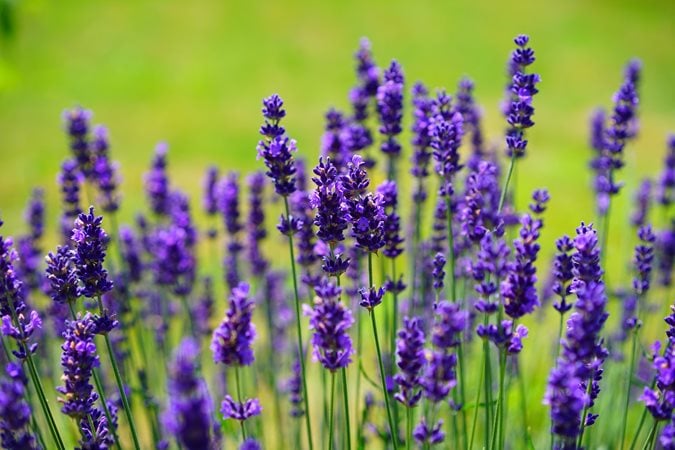
While rosemary is a fantastic addition to any garden for its culinary uses and mosquito-repelling properties, lavender stands out as another remarkable plant that offers similar benefits.
With its high linalool content, lavender oil boasts an impressive 80% repellent rate against mosquitoes.
Cultivating lavender in sunny spots not only enhances your garden but also provides an effective, natural defense against these pests. Additionally, mint plants have been shown to attract beneficial pollinators, further enhancing the biodiversity of your garden.
6. Marigolds
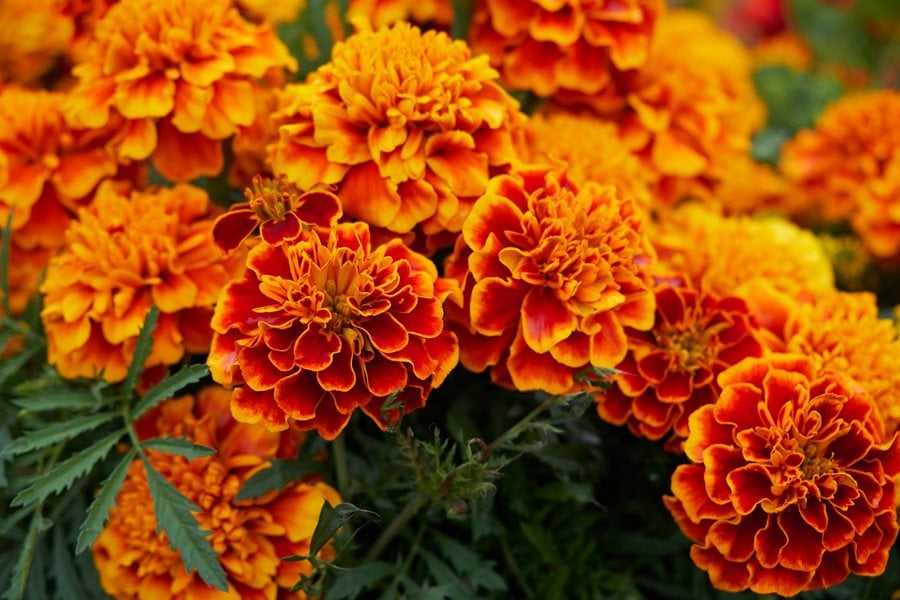
Marigolds, with their vibrant blooms and fragrant aroma, serve as a powerful ally in the battle against mosquitoes.
Through marigold cultivation, I’ve learned that their essential oils and natural compounds, like pyrethrum, effectively repel these pests.
Besides providing marigold benefits for mosquito control, they also deter other insects, making them a versatile addition to any garden while enhancing outdoor spaces.
7. Pennyroyal
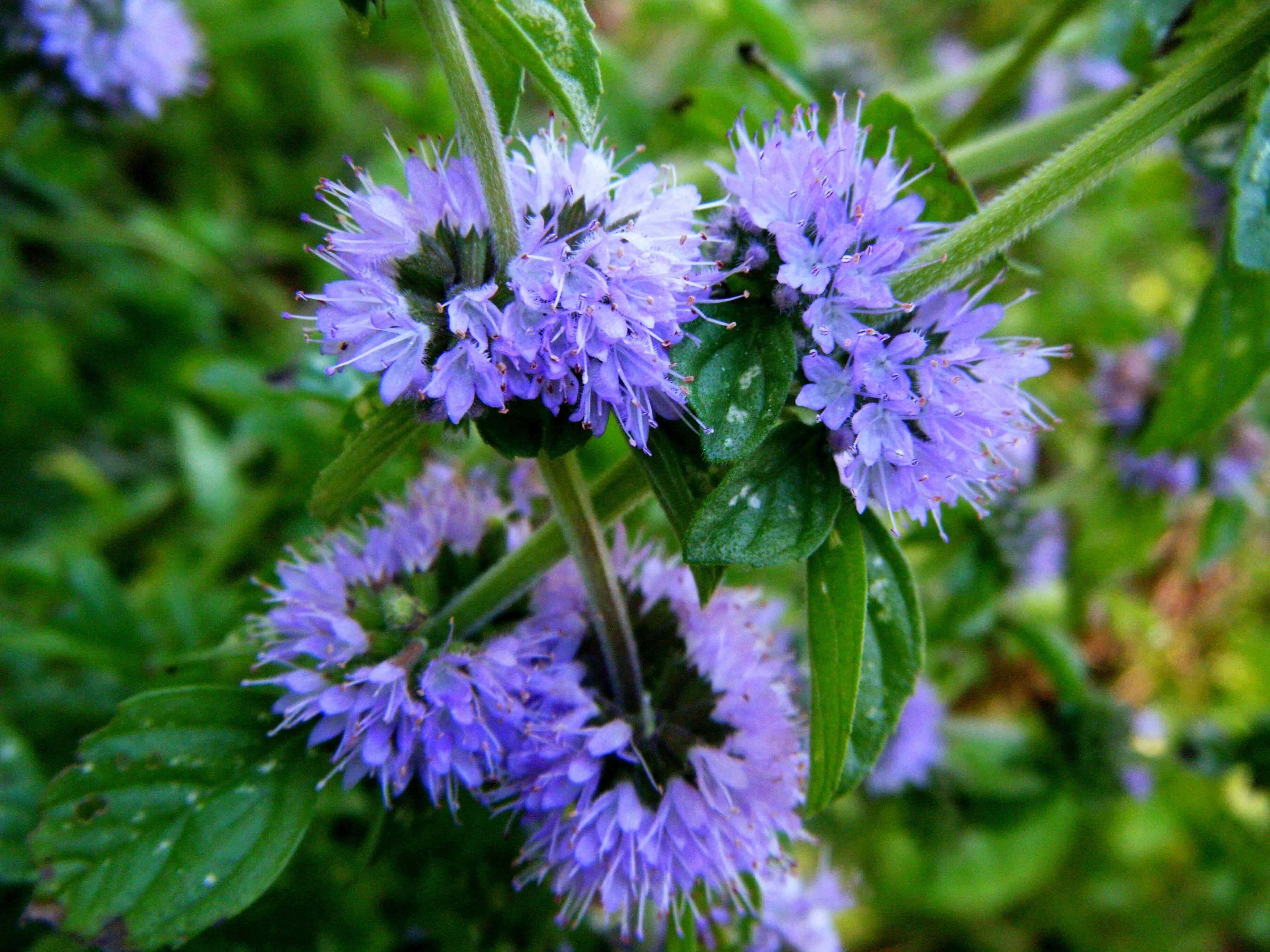
Pennyroyal, a perennial herb known for its strong minty fragrance, serves as an effective natural mosquito repellent.
I’ve found that its benefits extend beyond just repelling pests; cultivating pennyroyal in my garden helps deter various insects.
I crush the leaves for temporary protection or create sprays.
Just remember, while fresh leaves are safe, the essential oil is highly toxic and should be avoided.
8. Wormwood
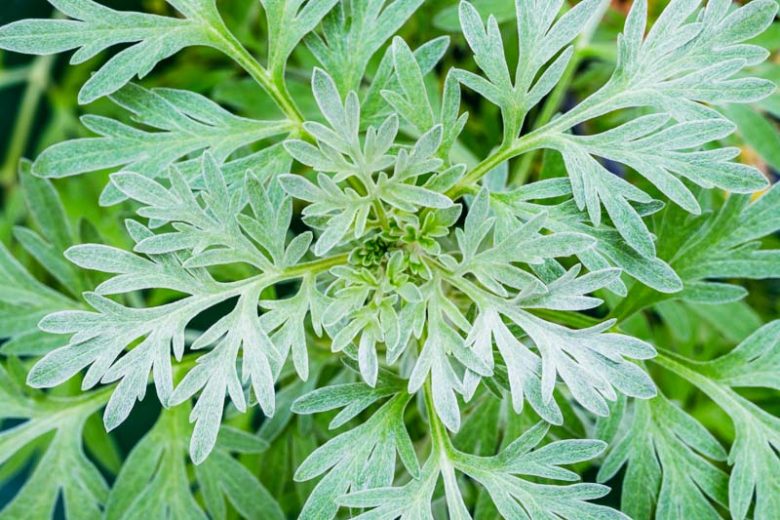
Wormwood, with its potent aroma and distinctive grey-green foliage, has established itself as a formidable ally in the battle against mosquitoes and various garden pests.
Its insecticidal properties, particularly against ants and other nuisances, make it invaluable for companion planting.
However, be cautious; while it protects other plants, it can inhibit the growth of edible ones and is toxic if ingested.
9. Basil

While many plants offer protection against pesky mosquitoes, basil stands out for its versatility and effectiveness.
Not only does it boast impressive health benefits, but its culinary uses make it a kitchen staple. Crushing fresh basil leaves or creating an oil spray can repel mosquitoes effectively, thanks to compounds like eugenol.
Plus, planting it in clusters enhances its protective barrier in gardens.
10. Fennel
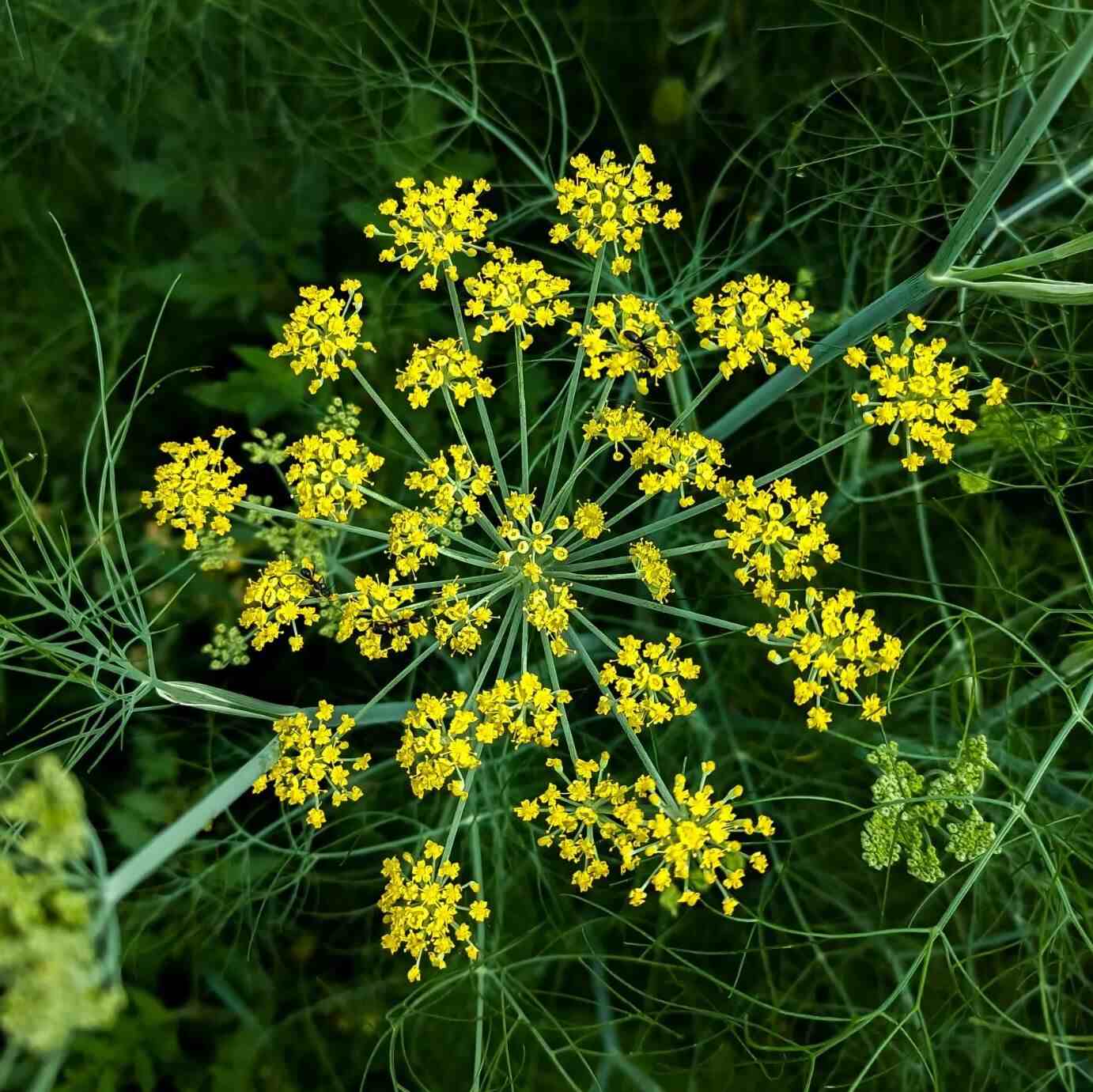
Fennel, with its aromatic presence and culinary charm, serves as an effective mosquito repellent that deserves attention.
Fennel oil benefits include strong repellency against various mosquito genera, comparable to citronella.
I find fennel plant uses extend beyond the kitchen, as its oil, derived from Foeniculum vulgare, masks human attractants, making it a natural and eco-friendly alternative to synthetic repellents.
11. Catnip
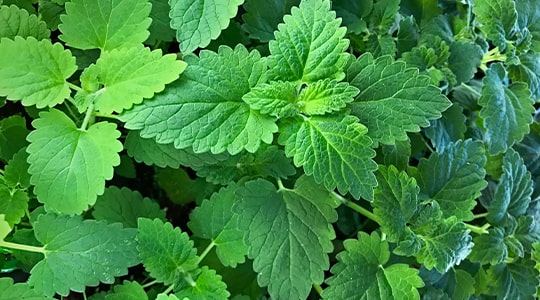
Catnip, often associated with playful cats, offers impressive mosquito-repelling properties that many mightn’t realize.
Its active compound, nepetalactone, is up to ten times more effective than DEET, requiring less concentration.
By cultivating catnip in your backyard, you can harness these catnip benefits naturally.
Studies show even low concentrations of catnip oil effectively repel mosquitoes, making it a practical alternative for pest control. Additionally, planting nectar-rich plants alongside catnip can further enhance your garden’s ability to attract beneficial insects while deterring pests.
12. Mint
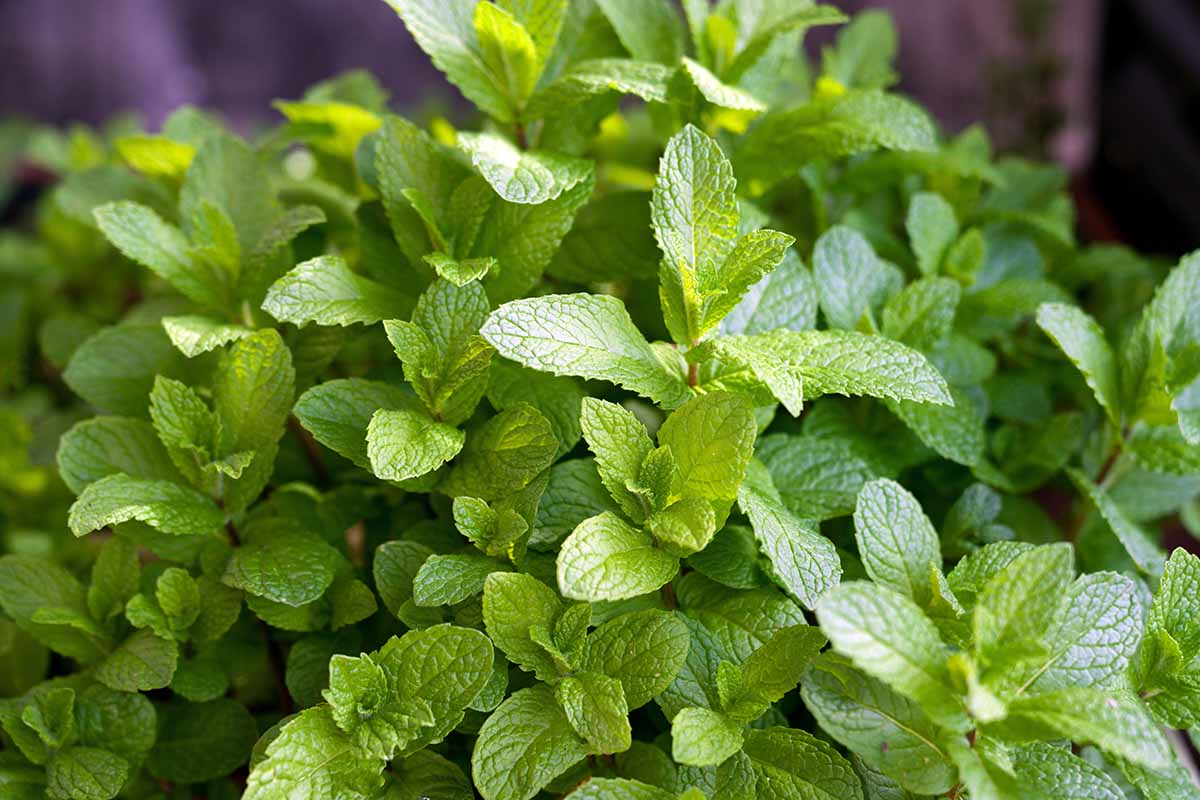
In the quest for natural mosquito repellents, mint stands out with its aromatic properties that not only enhance culinary creations but also deter pests.
While mint cultivation is straightforward, its strong fragrance is what’s truly effective. I enjoy incorporating mint in refreshing mint recipes, especially teas and summer cocktails.
However, for optimal repellent action, using concentrated mint extracts is key. Additionally, incorporating fish fertilizer can nourish mint plants, promoting robust growth and enhancing their pest-repelling abilities.
13. Geranium

Geranium, specifically the Pelargonium Citrodorum, is a remarkable addition to any garden, particularly for those seeking natural ways to repel mosquitoes.
Its essential oils, geraniol and citronellol, emit an aroma that mosquitoes find unpleasant. For optimal geranium care, ensure well-drained soil and full sun exposure.
Beyond mosquito repellent, it offers antibacterial benefits and enhances your garden’s aesthetics with beautiful flowers. Additionally, incorporating native plants in your garden can further support local biodiversity and enhance the effectiveness of your mosquito-repelling efforts.
14. Neem
Neem, often hailed as a powerful natural insect repellent, offers impressive efficacy against mosquitoes.
Neem oil shows significant mosquito repellency, especially when mixed with coconut oil. Studies reveal it provides up to 100% protection against certain species.
While effective in closed environments, its effectiveness diminishes in rain.