

If you’re looking to transform sunny, dry spots in your garden, I recommend exploring drought-tolerant plants like Mangave, Stonecrop, Purslane, and Wormwood. These resilient choices thrive in full sun and require minimal watering, making them perfect for low-maintenance landscapes. Echeveria and Pyracomeles ‘Juke Box’ also offer stunning aesthetics while enhancing biodiversity. Flame Acanthus adds vibrant blooms to attract pollinators. Each plant has unique traits—there’s a lot more you can discover about them!
1. Mangave

When I think of drought-tolerant plants, Mangave immediately comes to mind due to its striking appearance and adaptability.
For optimal mangave care, ensure they bask in full sun and thrive in well-drained soil. Loose, fertile soils enhance root development, making them suitable companions in a drought-tolerant garden.
With various mangave varieties available, they make stunning focal points.
Just remember to water sparingly and fertilize lightly during the growing season to keep them vibrant and healthy.
2. Stonecrop (Sedum)
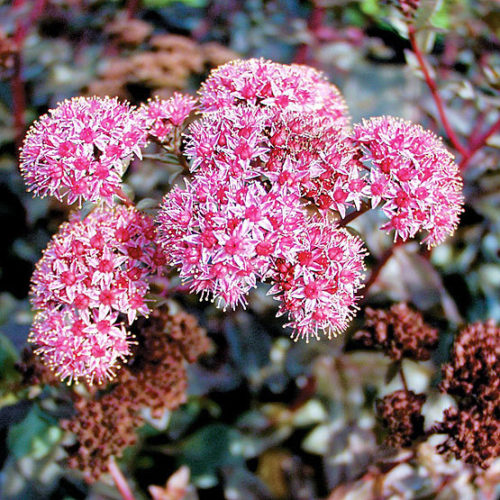
Stonecrop, commonly known as Sedum, captivates with its diverse forms and vibrant colors, making it a gardener’s delight.
With numerous sedum varieties, I appreciate their thick, fleshy leaves, perfect for drought-prone gardens.
Sedum care is minimal, requiring well-drained soil and occasional watering. Their star-shaped flowers attract pollinators, adding charm from late summer to fall, while they thrive in full sun. Additionally, incorporating shade-tolerant varieties can enhance the overall biodiversity of your garden.
3. Purslane

Although I’ve encountered many resilient plants, Purslane stands out for its remarkable ability to thrive in harsh conditions.
Its purslane cultivation is straightforward, requiring just full sun and well-drained soil.
Beyond its drought tolerance, this plant offers numerous purslane benefits, including attracting pollinators and serving as an edible addition to gardens.
Its delightful flowers and low growth make it perfect for waterwise landscaping. Additionally, Purslane is known for its eco-friendly gardening practices, as it can be cultivated using minimal resources while contributing to sustainable gardening efforts.
4. Wormwood
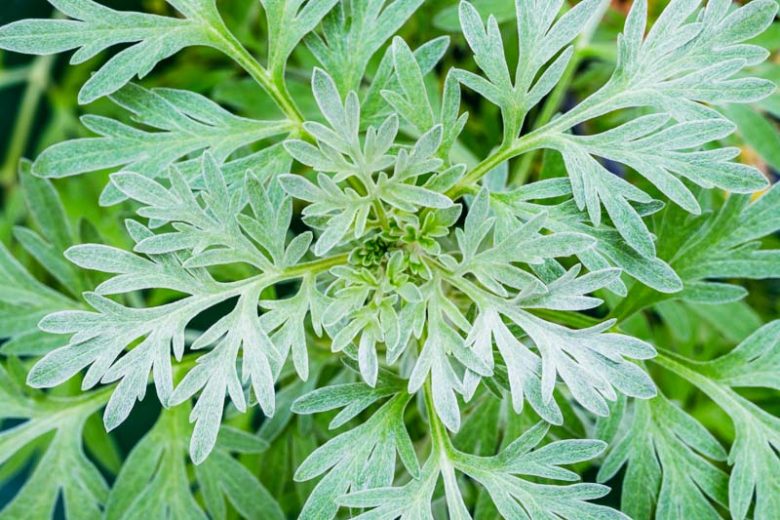
Wormwood, or Artemisia, captivates with its striking silver-gray foliage and delicate texture, making it a standout choice for drought-tolerant gardens.
The wormwood benefits include its heat resistance and low maintenance needs.
For optimal wormwood care, plant it in well-draining soil and water infrequently. This healthy soil is essential for ensuring the plant’s success in a drought-tolerant garden.
This hardy perennial thrives in full sun, providing beauty and resilience from spring through fall.
5. Echeveria

Echeveria, a captivating succulent, boasts stunning rosettes of fleshy leaves that can be tinged with hues of pink or red, making it a popular choice for drought-tolerant gardens.
For effective Echeveria care tips, ensure well-drained soil, infrequent watering, and provide full sun. Well-draining properties are essential to prevent root rot and maintain the health of your Echeveria.
Explore various Echeveria varieties that produce beautiful offsets and vibrant flowers, enhancing your garden’s aesthetic appeal.
6. Lavender

When considering drought-tolerant plants for your garden, lavender should definitely be on your list. Its amazing drought tolerance means it thrives in dry conditions with minimal care.
Lavender care involves providing full sun and well-drained soil, while enjoying the benefits of its fragrant blooms and essential oils. Varieties like Spanish lavender are especially hardy, making them perfect for your landscape. Additionally, incorporating native plants alongside lavender can enhance biodiversity and create a more resilient garden ecosystem.
7. Russian Sage
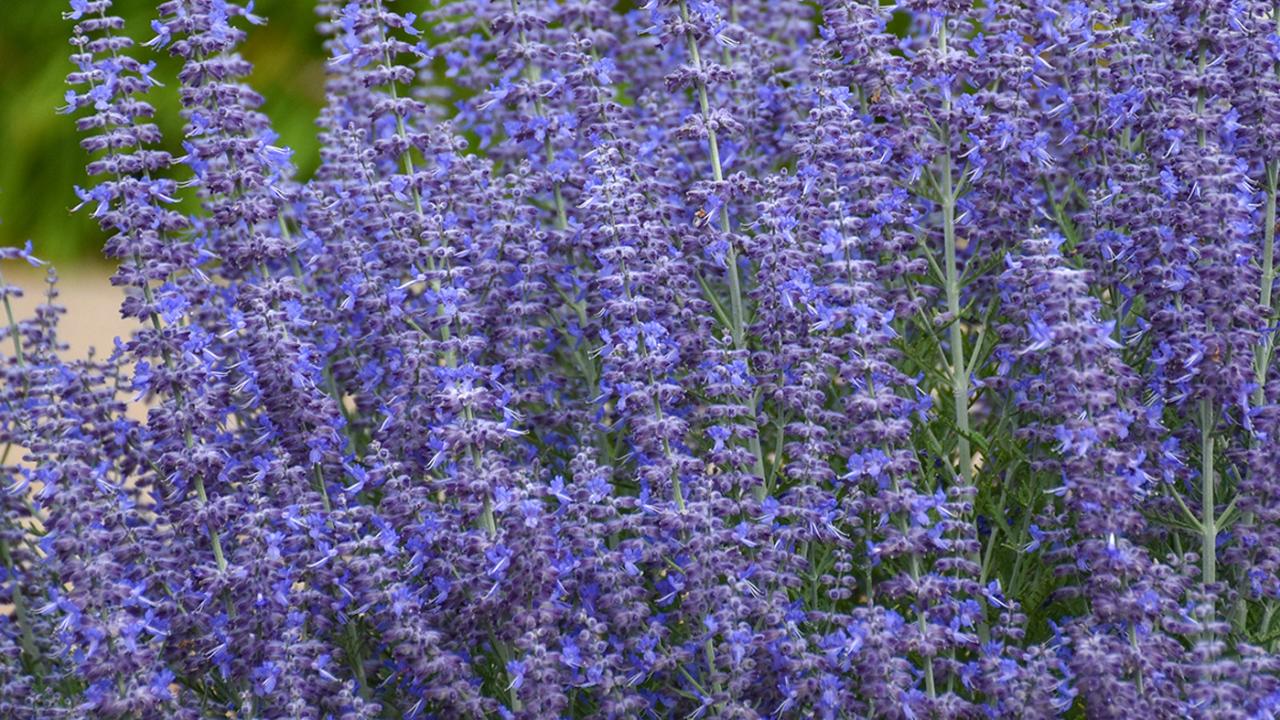
Russian sage, with its stunning silvery foliage and vibrant purple flowers, is a fantastic choice for anyone looking to enhance their garden while conserving water.
For planting, choose a sunny spot with well-drained soil. Water sparingly to avoid root rot.
For pest management, keep an eye out for aphids and powdery mildew, and prune in early spring to promote healthy growth. Additionally, consider incorporating native plants into your garden design to further attract local wildlife and enhance biodiversity.
8. Catmint
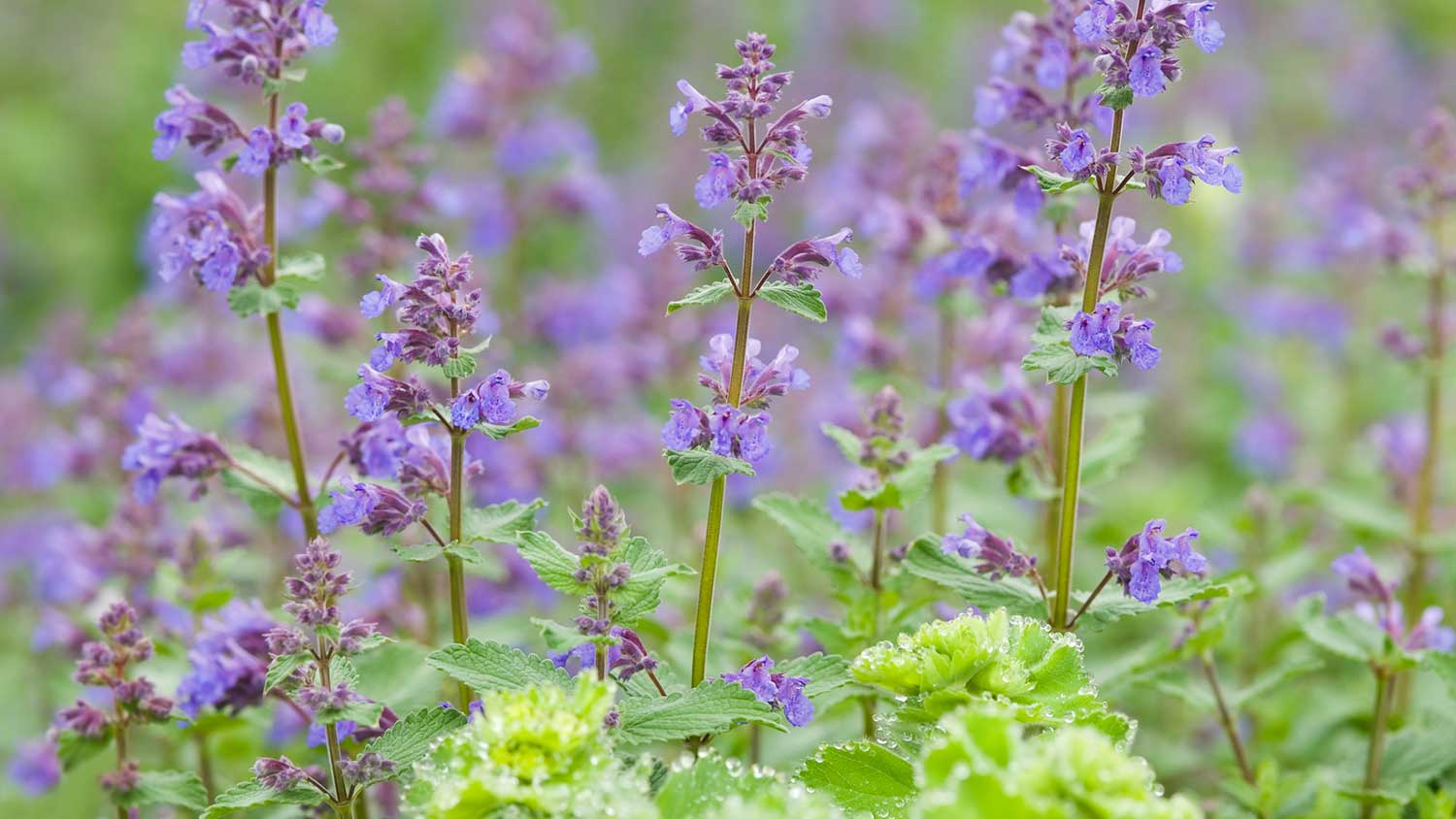
Catmint, with its delightful lavender-blue flowers and aromatic gray-green leaves, is a standout choice for drought-tolerant gardens.
For proper catmint care, ensure well-draining soil and full sun exposure.
I love the variety of catmint species, like Nepeta faassenii, which grows beautifully in mixed borders.
Once established, it thrives with minimal watering, making it perfect for low-maintenance landscapes. Additionally, well-draining soil is essential for maintaining healthy plant roots and preventing issues such as root rot.
9. Anise Hyssop

Anise Hyssop, with its tall spikes of purple flowers and fragrant leaves, is a fantastic addition to any drought-tolerant garden.
Its cultivation is straightforward; it thrives in full sun and well-drained soil.
The anise hyssop benefits are numerous, attracting pollinators and providing a sweet, licorice-like flavor for culinary uses.
Once established, it requires minimal watering—perfect for xeriscape gardens. Well-draining soil is essential for preventing issues like root rot, ensuring the plant’s health and longevity in your garden.
10. Texas Sage

If you’re looking to add a resilient touch to your drought-tolerant garden, Texas Sage (Leucophyllum frutescens) is an excellent choice.
Also known as the Texas Ranger and Barometer Plant, it thrives in full sun with minimal water once established.
This evergreen shrub features stunning purple flowers and attracts pollinators, making it a perfect addition for both beauty and functionality. Additionally, it is important to ensure well-draining soil to promote healthy growth and prevent root rot in your garden.
11. Mealy Blue Sage

While exploring drought-tolerant options, I often find myself drawn to Mealy Blue Sage (Salvia farinacea) for its stunning visual appeal and resilience.
This plant thrives in full sun, needing minimal water once established. With proper plant care, it attracts pollinators like bees and butterflies, enhancing biodiversity in my garden.
Its vibrant blooms from late spring to fall truly make a statement!
12. Creeping Thyme
:max_bytes(150000):strip_icc()/types-of-creeping-thyme-2132329_06-a6be5ff868e54b6fbb72874a04bd13fe.JPG)
Creeping Thyme (Thymus serpyllum) captivates me with its charming low-growing habit and resilience, making it a perfect choice for any drought-tolerant garden.
Its benefits include attracting pollinators and withstanding foot traffic.
For optimal creeping thyme care, plant it in well-drained soil and full sun, prune as needed, and enjoy its aromatic presence without the hassle of extensive maintenance.
13. Creeping Phlox
:max_bytes(150000):strip_icc()/creeping-phlox-plants-2132214_09-1f70471c6a19406eb33d88b5e42e01d0.jpg)
Creeping Phlox (Phlox subulata) enchants me with its vibrant blossoms and low-maintenance appeal, making it an ideal addition to drought-tolerant gardens.
For effective creeping phlox care, ensure well-drained, organic-rich soil and provide weekly watering during hot spells.
Its benefits include attracting butterflies, suppressing weeds, and thriving in various conditions, enhancing both beauty and functionality in my landscape.
14. Pyracomeles Juke Box
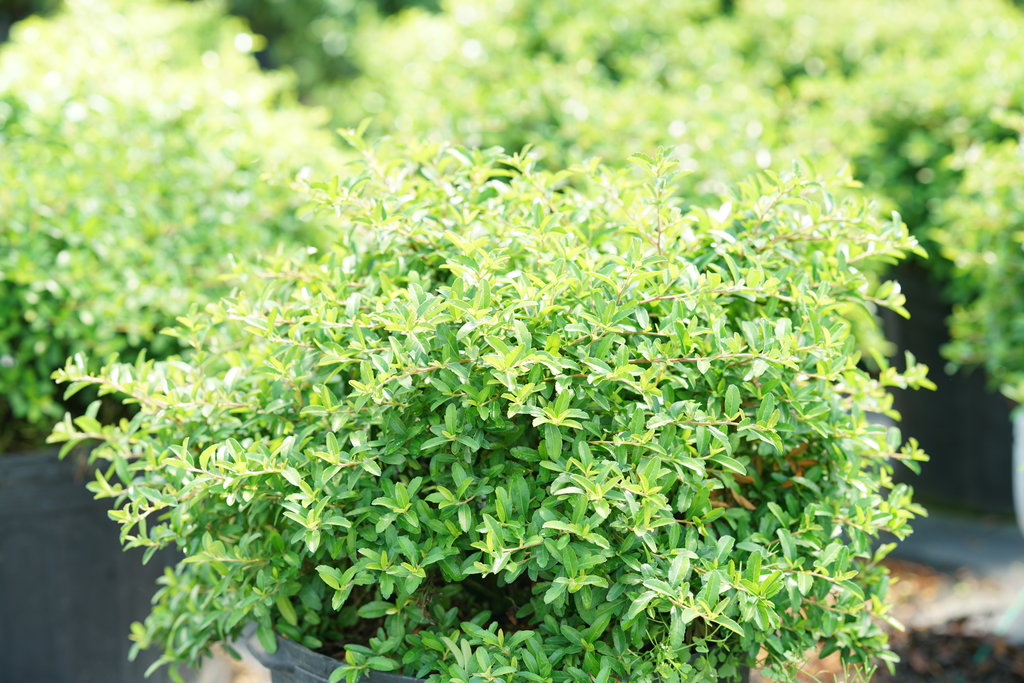
Incorporating diverse plant species can significantly enhance a drought-tolerant garden, and Pyracomeles ‘Juke Box’ stands out as a remarkable choice.
With its compact, mounded growth and lustrous green foliage, it thrives in full sun and well-drained soil.
Pyracomeles care is minimal, making it ideal for landscape design, whether as a border, groundcover, or in container gardens, securing its place in any garden.
15. Flame Acanthus
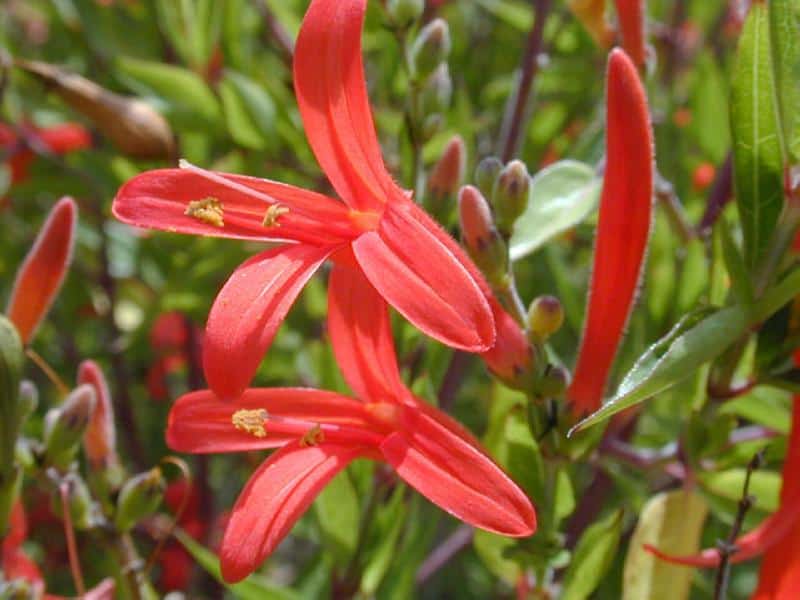
Flame Acanthus, with its vibrant blooms and resilient nature, is a striking addition to any drought-tolerant garden.
Its low maintenance requirements make flame acanthus care a breeze, thriving in poor soils and full sun.
The plant’s attractive reddish-orange flowers not only beautify your landscape but also attract pollinators, providing flame acanthus benefits that enhance biodiversity in your outdoor space.