
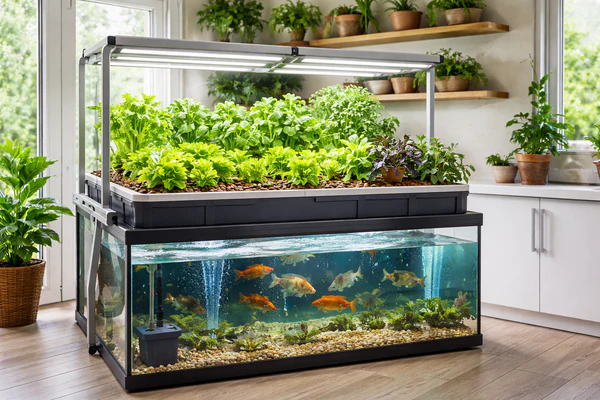
For aquaponic fishes, lighting is crucial. It impacts their health, behavior, and growth significantly. Proper lighting ensures fish can see, develop well, and stay active. Factors like intensity, duration, and wavelength matter. They affect how your fish behave and thrive. Maintaining a 12-hour light cycle is key for their health and stress levels. Balancing light for both plants and fish is important. Creating the right light conditions optimizes their overall well-being and productivity. Optimal lighting levels and adjustments are vital for a thriving aquaponics system.
Importance of Lighting for Aquaponics
Lighting plays a crucial role in aquaponics by providing essential benefits for the health and productivity of fish in the system. Fish require light primarily for vision, enabling them to locate their food and navigate their surroundings effectively. Moreover, proper light exposure is vital for the development of fish eggs, overall fish health, and enhanced productivity within the aquaponics environment. It is essential to consider factors such as light intensity, duration, and wavelength, as these elements significantly influence fish behavior and well-being.
Fish Behavior in Light
Fish behavior in light is a crucial aspect to consider when setting up your aquaponic system. Different fish species exhibit varying sensitivities to light, affecting their activity levels and feeding behavior. Understanding their circadian rhythms and how light influences their feeding patterns is essential for creating an optimal environment for your aquaponic fishes.
Fish Light Sensitivity
Different fish species demonstrate varying degrees of sensitivity to light, influencing their behavior and overall well-being in aquaponic systems. Understanding the light sensitivity of fish is crucial for maintaining a harmonious environment in aquaponics. Some species, like trout and salmon, are highly sensitive to light and can be easily stressed by sudden exposure to bright light. This stress can impact their feeding habits, reproduction, and even lead to health issues or death in extreme cases.
On the other hand, species such as catfish and tilapia are generally less sensitive to light variations. However, even these hardier species can benefit from proper lighting that mimics their natural habitat conditions. By providing suitable lighting, aquaponic system operators can regulate fish behavior and prevent disruptions in their natural rhythms.
Circadian Rhythms in Fish
Understanding the circadian rhythms of fish is essential for managing their behavior in response to light within aquaponic systems. Fish, like many other organisms, have internal biological clocks that regulate their daily activities based on light and darkness cycles. Circadian rhythms in fish influence various behaviors such as feeding, swimming, and even reproduction. Exposure to light plays a crucial role in synchronizing these rhythms, impacting fish activity levels and overall well-being.
Sudden changes in light conditions can disrupt the natural circadian rhythms of fish, leading to stress and potential health issues. To maintain the health and productivity of aquaponic fish, it is crucial to provide a consistent light schedule that mimics natural day-night cycles. By understanding and respecting the circadian rhythms of fish, aquaponic system operators can optimize fish growth, behavior, and overall system performance. Proper management of light in aquaponics is key to ensuring the well-being of the fish and the success of the entire system.
Light and Feeding Behavior
Effective lighting management in aquaponic systems significantly influences the feeding behavior of fish. Fish behavior in light is primarily driven by their need to locate and consume food visually. Light intensity, duration, and wavelength play crucial roles in shaping fish behavior, productivity, and health within aquaponics setups. Providing appropriate light exposure not only aids in egg development and overall fish health but also contributes to successful breeding outcomes. Moreover, the correct amount of light helps fish in avoiding stress, diseases, and ensures their general well-being. Recent studies emphasize the critical role of light in regulating fish activity patterns and maintaining their overall health in aquaponics systems. By understanding and optimizing light conditions in aquaponic environments, aquaponic practitioners can effectively enhance fish feeding behavior, which in turn promotes better growth, health, and breeding success in their systems. Proper lighting management is essential for creating a thriving ecosystem where fish exhibit natural feeding behaviors and remain healthy.
Light’s Impact on Fish Health
Proper lighting exposure plays a crucial role in maintaining optimal health and well-being for aquaponic fish. Light influences various aspects of fish health, including stress levels, activity, and disease susceptibility. Fish require light to regulate their feeding behavior, which directly impacts their growth and overall health. Furthermore, light intensity, duration, and wavelength play essential roles in fish productivity and egg development. Adequate lighting helps fish see their food, encouraging proper feeding habits and preventing issues like sluggishness.
Research indicates that providing fish with a consistent light-dark cycle is crucial for their well-being and activity levels. Without proper lighting, fish may become stressed, exhibit abnormal behaviors, or even develop health problems. Recent studies emphasize the importance of light in promoting fish activity and overall health within aquaponics systems. Therefore, ensuring the right lighting conditions for your aquaponic fish is vital for maintaining their health and maximizing their growth potential.
Lighting Schedule for Fish
Fish in aquaponics systems benefit from a consistent 12-hour light and 12-hour darkness schedule to maintain their health and well-being. Implementing a proper lighting schedule is crucial to prevent fish stress and ensure optimal functioning of the aquaponics system. Here are key considerations for establishing a lighting regimen for your aquaponic fish:
- Regulate Behavior: A consistent lighting schedule helps regulate fish behavior, promoting normal activity levels and reducing stress.
- Control Appetite: Proper light exposure influences fish appetite, ensuring they receive adequate nutrition for growth and development.
- Maintain Circadian Rhythm: Light plays a vital role in regulating the fish’s circadian rhythm, which impacts their metabolism and growth rates.
- Prevent Health Issues: Inadequate or irregular lighting can lead to fish stress, compromising their immune function and overall health within the system.
Balancing Light for Plants and Fish
To achieve a harmonious environment in your aquaponics system, you must balance the light exposure for both your plants and fish. Proper light intensity is vital for plant photosynthesis while also impacting fish behavior and overall well-being. Ensuring an optimal lighting duration is key to promoting healthy growth for your plants and maintaining the well-being of your aquatic livestock.
Plant Growth Light
Achieving a harmonious balance between light requirements for plant growth and the well-being of your aquaponic fishes is essential for a thriving ecosystem. When considering plant growth light in aquaponics systems, it’s crucial to understand that the right balance of light intensity and duration can benefit both your plants and fish. Here are key points to keep in mind:
- Specific Wavelengths: Plants require specific wavelengths of light, commonly provided by grow lights, for efficient photosynthesis. These wavelengths indirectly benefit the fish by enhancing water quality.
- Optimized Intensity: Ensuring the light intensity is adequate for plant growth without causing stress to the fish is vital. Balancing this aspect is crucial for the overall health of your ecosystem.
- Duration: The duration of light exposure should be optimized to promote plant growth while considering the natural light cycle of the fish.
- Efficient Filtration: Proper lighting helps plants filter water efficiently, which in turn improves the overall health and water quality for the fish.
Fish Behavior Impact
When addressing the impact of fish behavior on lighting for aquaponic systems, it is important to consider how light exposure influences the well-being of both plants and fish. Proper light exposure plays a crucial role in balancing fish behavior within the aquaponics environment. It helps prevent stress and promotes natural activity among the fish inhabitants. Sudden changes in light intensity or duration can negatively affect fish behavior, leading to increased stress levels and potential health issues.
Fish behavior is a key indicator of the overall health of the aquaponic system. Balancing light for both plants and fish is essential to maintain a harmonious ecosystem. Inadequate or excessive lighting can cause fish to exhibit signs of fear or discomfort, impacting their well-being. Understanding the intricate relationship between light and fish behavior is vital for creating optimal conditions in the aquaponic setup. By carefully managing light exposure, aquaponic enthusiasts can ensure the health and vitality of both their plants and fish.
Optimal Lighting Duration
Maintaining an equilibrium in lighting duration is essential for fostering the optimal growth and well-being of both plants and fish in an aquaponic system. When considering the lighting duration in your aquaponics setup, keep the following factors in mind:
- Most aquaponics fish species require at least 12 hours of light per day to maintain optimal health and activity levels.
- Balancing light duration is crucial to meet the needs of both plants and fish in an aquaponics system.
- Adequate light exposure helps prevent fish stress and diseases while promoting plant growth.
- The right amount of light ensures that fish can see their food and remain active in the ecosystem.
Natural Daylight Vs. Artificial Light
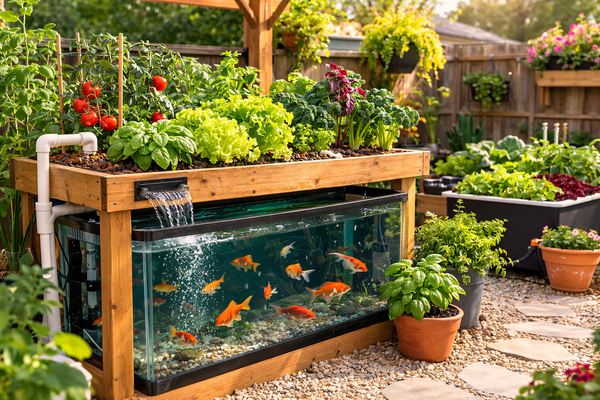
To provide optimal lighting conditions for aquaponic fishes, it is important to understand the differences and benefits of natural daylight versus artificial light sources. Natural daylight plays a vital role in outdoor aquaponics systems, providing a full spectrum of light that promotes fish health and growth. Fish exposed to natural daylight benefit from the natural rhythms of the sun, which help regulate their behavior and metabolic processes.
In contrast, artificial light becomes essential in indoor aquaponics setups where natural light is limited or unavailable. It allows aquaponic enthusiasts to mimic natural light cycles, ensuring that fish receive adequate light for their well-being. Balancing light and darkness is crucial for fish, as it influences their feeding patterns, reproduction, and overall activity levels.
Different fish species may have specific light requirements, so it’s important to research and understand the lighting needs of the species you are cultivating. By combining natural daylight with artificial light sources, aquaponic practitioners can create a suitable environment that supports the health and development of their fish.
Benefits of LED Lights for Fish
LED lights offer significant benefits for your aquaponic fish. They promote improved growth by providing the necessary light intensity and spectrum for fish health and activity. With minimal heat production and long lifespan, LED lights ensure optimal conditions for your fish while reducing maintenance costs.
Improved Growth With LEDS
Using LED lights in aquaponic systems offers significant benefits for fish growth and health. LED lights provide the ideal light intensity and spectrum necessary for promoting optimal fish health and growth. Here are some key advantages of utilizing LED lights for your aquaponic fish:
- Energy Efficiency: LED lights are highly energy-efficient, helping to reduce operating costs and minimizing heat generation, which can be detrimental to fish health.
- Consistent and Controllable Lighting: Fish benefit from consistent and controllable LED lighting, which can enhance feeding behavior and overall well-being.
- Simulation of Natural Sunlight: LED lights can mimic natural sunlight, aiding in regulating fish activity, metabolism, and reproduction cycles.
- Improved Growth Rates: Studies have shown that aquaponic systems incorporating LED lighting experience enhanced fish growth rates, improved health, and increased overall system productivity.
Health Benefits of Lighting
Enhancing fish health and growth in aquaponic systems can be achieved through the benefits of utilizing LED lights. LED lights offer the correct spectrum of light essential for fish well-being, promoting growth and overall health within the fish tank. Their energy efficiency not only reduces electricity costs but also lessens the system’s environmental impact compared to traditional lighting options. Proper lighting plays a crucial role in regulating fish behavior, appetite, and breeding patterns in aquaponics setups, contributing to a harmonious ecosystem. Additionally, LED lights emit minimal heat, decreasing the risk of water overheating and preventing stress for the fish inhabitants. Their popularity in aquaponic systems stems from their durability, reliability, and customizable settings tailored for optimal fish health. By harnessing the advantages of LED lights, aquaponic enthusiasts can ensure a thriving environment for their aquatic companions, fostering a sustainable and flourishing fish tank ecosystem.
Using Fluorescent Lights in Aquaponics
When considering lighting options for your aquaponics system, fluorescent lights offer a cost-effective and efficient solution. Fluorescent lights are a popular choice for indoor aquaponics setups due to their numerous benefits:
- Cost-effective: Fluorescent lights are budget-friendly and readily available, making them a practical choice for beginners or hobbyists.
- Broad spectrum: These lights provide a wide range of light wavelengths that support both plant growth and fish health in your aquaponics system.
- Energy-efficient: Fluorescent lights consume less energy compared to traditional lighting options, helping you save on electricity costs.
- Easy maintenance: They are simple to install and maintain, requiring minimal effort to keep your aquaponics system well-lit for optimal growth and fish well-being.
Consider using fluorescent lights as supplemental lighting to ensure your fish and plants receive consistent and adequate light exposure for thriving in your aquaponics setup.
High-Intensity Discharge Lights for Fish
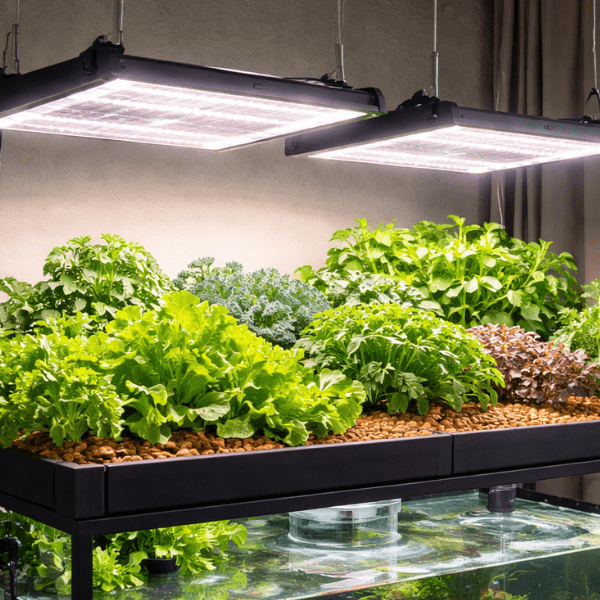
Consider the impact of High-Intensity Discharge (HID) lights on fish health in aquaponics systems. HID lights are known for their intense light output, which is beneficial for plant growth but can have negative effects on fish. The high levels of heat and light emitted by HID lights can cause discomfort and stress to fish, affecting their behavior and overall well-being. To mitigate these issues, it is advisable to use HID lights in combination with other lighting sources to strike a balance between plant growth requirements and fish health needs. Proper positioning and control of HID lights are crucial to prevent any adverse effects on fish in aquaponics systems. By carefully managing the intensity and duration of HID light exposure, you can ensure a healthier and more comfortable environment for your aquatic friends. Remember, a thoughtful approach to lighting can make a significant difference in the well-being of your aquaponic fish.
Factors in Choosing Fish Lighting
When selecting lighting for your aquaponic fish, it’s crucial to consider the duration of light exposure and the spectrum of light preferred by the species. The length of time your fish are exposed to light can impact their behavior and overall health. Additionally, choosing the right light spectrum can influence growth, reproduction, and stress levels in your aquatic environment.
Light Duration Importance
Understanding the optimal duration of light exposure is crucial for maintaining the health and well-being of fish in aquaponic systems. When it comes to selecting the right light duration for your aquaponic fish, there are several key factors to consider:
- Fish Species Requirements: Different fish species have varying light requirements, so it’s essential to research the specific needs of the fish in your system.
- Natural Light Availability: If your system receives natural light, this should be factored into the total light exposure to avoid overexposure.
- System Location: The location of your aquaponic setup can impact the amount of light the fish receive, influencing the required duration of artificial lighting.
- Preventing Stress and Diseases: Providing the correct amount of light helps prevent fish stress, diseases, and ensures proper physiological functions like egg development.
Light Spectrum Preference
Fish lighting selection for aquaponic systems should prioritize understanding the light spectrum preferences of different fish species to ensure optimal growth and health. Fish have specific light spectrum preferences influenced by their natural habitats, behavior, and physiological needs. Factors such as water turbidity, depth of the aquaponic system, and the sensitivity of the fish to light play crucial roles in determining the appropriate light spectrum for the fishes. By replicating the natural light conditions that fish are accustomed to, aquaponic systems can promote better growth and overall well-being of the aquatic organisms. Proper selection of the light spectrum can also enhance fish activity levels, feeding behavior, and reproductive success in aquaponics setups.
| Light Spectrum Preferences | Typical Fish Species | Preferred Light Wavelengths |
|---|---|---|
| Blue light | Salmon, Trout | 450-495 nm |
| Red light | Goldfish, Koi | 620-750 nm |
| Green light | Tilapia, Catfish | 495-570 nm |
Optimal Light Levels for Fish
Maintaining optimal light levels is crucial for the health and productivity of aquaponic fish species. When it comes to providing the right amount of light for your fish, there are specific factors to consider:
- Duration of Light Exposure: Most aquaponics fish species require a minimum of 12 hours of light per day to thrive and stay healthy.
- Reproductive Health: Proper light exposure plays a vital role in egg development and overall reproductive health of fish in aquaponics systems.
- Stress and Disease Prevention: Inadequate light levels can lead to stress and increased susceptibility to diseases among fish populations.
- Ecosystem Balance: Understanding the light requirements of fish is essential for maintaining a balanced ecosystem in aquaponics setups, ensuring optimal conditions for growth and system productivity.
Adjusting Light Intensity for Fish
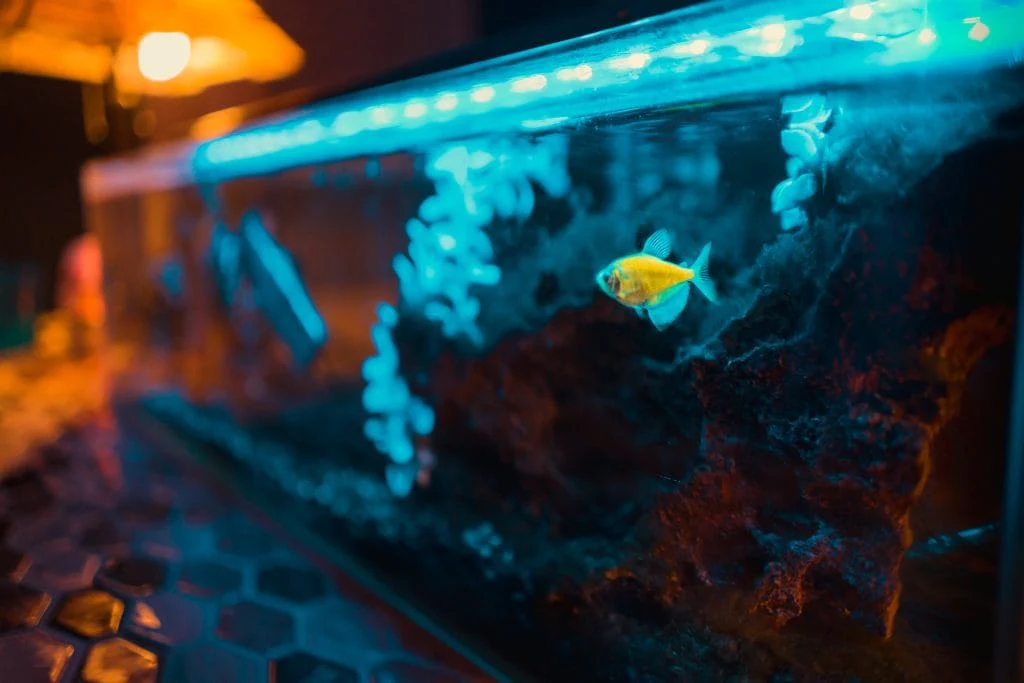
Proper adjustment of light intensity is essential for ensuring the health and well-being of fish in an aquaponics system. When it comes to fish, adjusting light levels can significantly impact their behavior, growth, and overall condition. Here is a table that illustrates the importance of adjusting light intensity for fish in an aquaponics setup:
| Aspect | Dim Light | Bright Light |
|---|---|---|
| Behavior | Calmer fish, reduced stress | Active fish, potential stress if too bright |
| Feeding Patterns | More cautious eaters | Increased appetite, but potential overfeeding |
| Reproduction Success | Potentially reduced due to low light levels | Improved under proper lighting conditions |
Best Practices for Fish Lighting
Implementing a consistent lighting schedule is crucial for optimizing the health and productivity of the aquatic organisms in your aquaponics system. When it comes to fish lighting, here are some best practices to help your fish thrive and grow:
- Maintain a Regular Light Cycle: Establish a routine that includes both light and dark periods to mimic natural conditions and prevent stress in the fish.
- Provide Proper Lighting Exposure: Ensure your fish receive the right amount of light to aid in egg development and overall productivity.
- Understand Species-Specific Requirements: Different fish species have varied light needs, so it’s essential to know what each type requires for optimal health.
- Balance Natural and Artificial Light: Combining natural sunlight with artificial light sources can create an ideal environment for your fish to grow and avoid diseases.
Final Thoughts on Fish Lighting
To conclude the discussion on fish lighting, it is essential to consider key factors that contribute to the overall health and well-being of your aquatic organisms. Proper lighting plays a crucial role in the lives of fishes, impacting their behavior, growth, and reproductive success. By providing the right lighting conditions, you can ensure that your fishes thrive in their environment.
When considering lighting for your fishes, it is important to understand their specific requirements. Different fish species have varying needs when it comes to light intensity, duration, and wavelength. Tailoring the lighting setup to suit the preferences of your fishes can lead to a more successful aquaponic system.
Below is a table summarizing the key considerations for fish lighting:
| Light Factor | Importance | Impact on Fishes |
|---|---|---|
| Intensity | Critical | Affects visibility and behavior |
| Duration | Essential | Regulates biological processes |
| Wavelength | Significant | Influences growth and reproduction |