
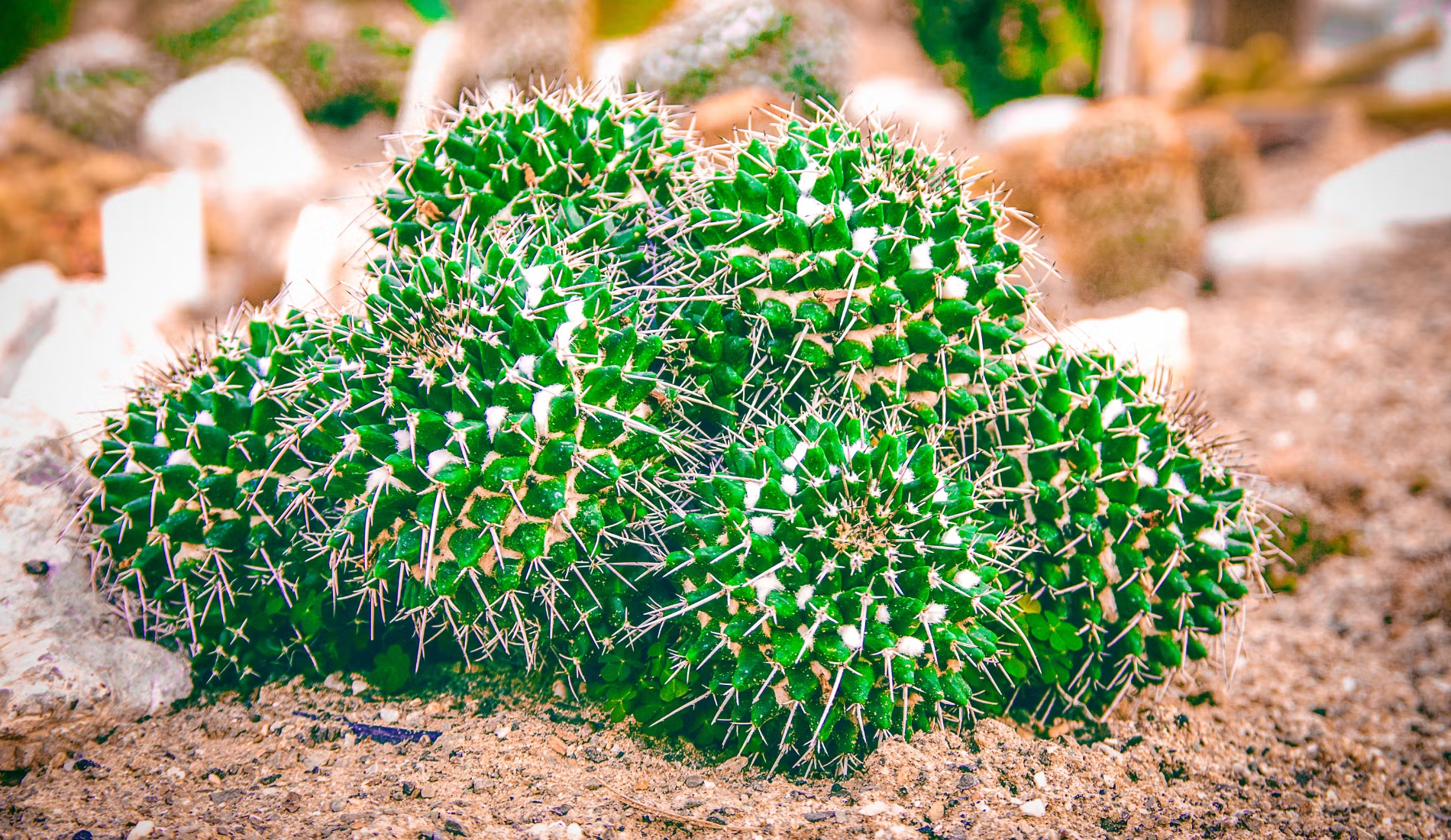
In sandy soils, choose plants like lavender, tickseed, and succulents with specialized roots for growth. Deep-rooted plants such as lavender help with nutrient absorption. Water-storing plants like sedums reduce watering needs. To boost soil quality, add compost or manure for better nutrient breakdown. Regular mulching keeps moisture in and supplies necessary nutrients. Manage nutrients with compost or manure for healthy plant growth. Remember, proper watering and drainage are crucial for plant survival in sandy soil. Fertilize with slow-release options and adjust based on plant requirements. Sandy soil has benefits like aeration, but challenges include nutrient retention. Want to learn more?
Selecting the Right Plants
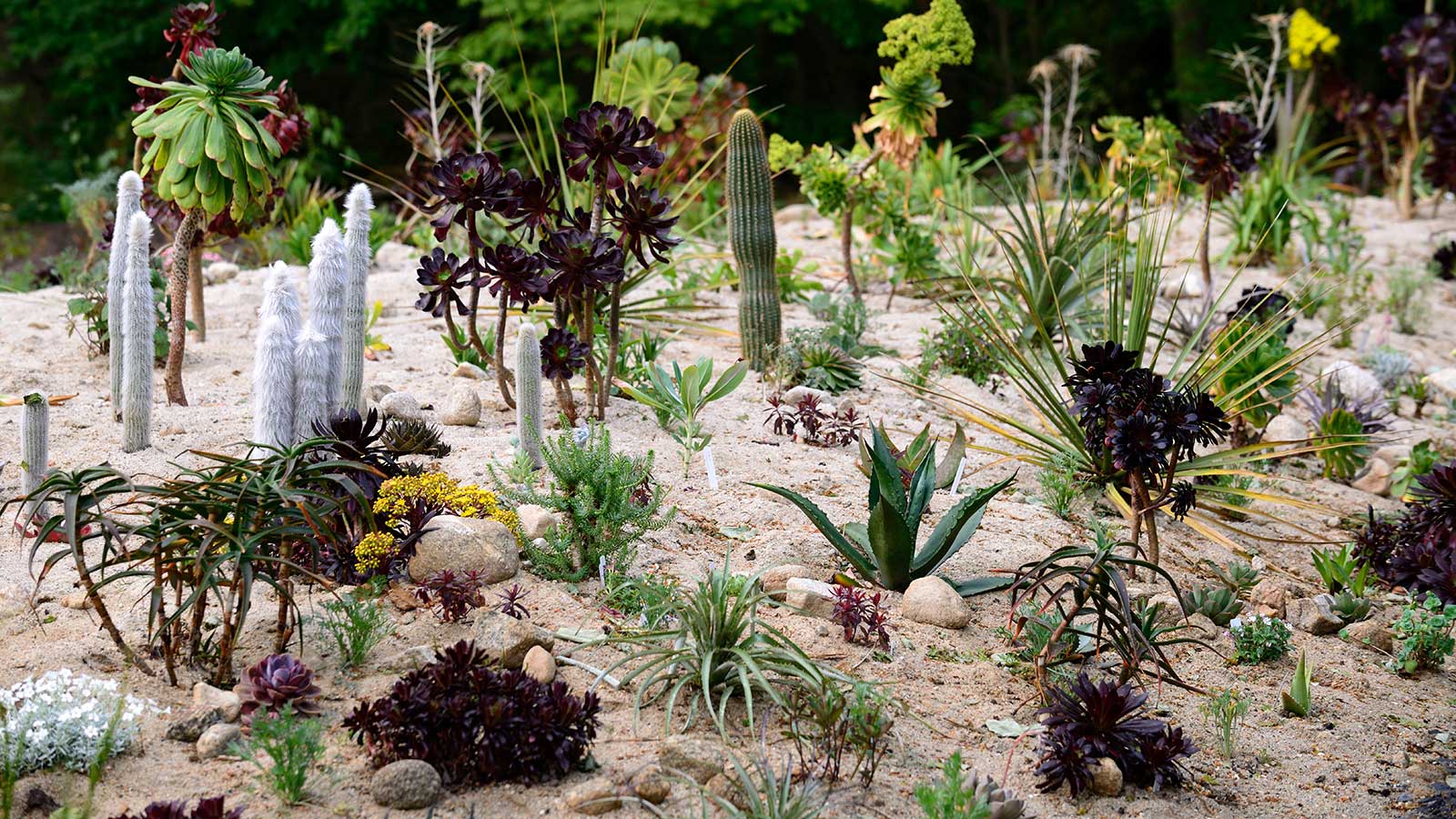
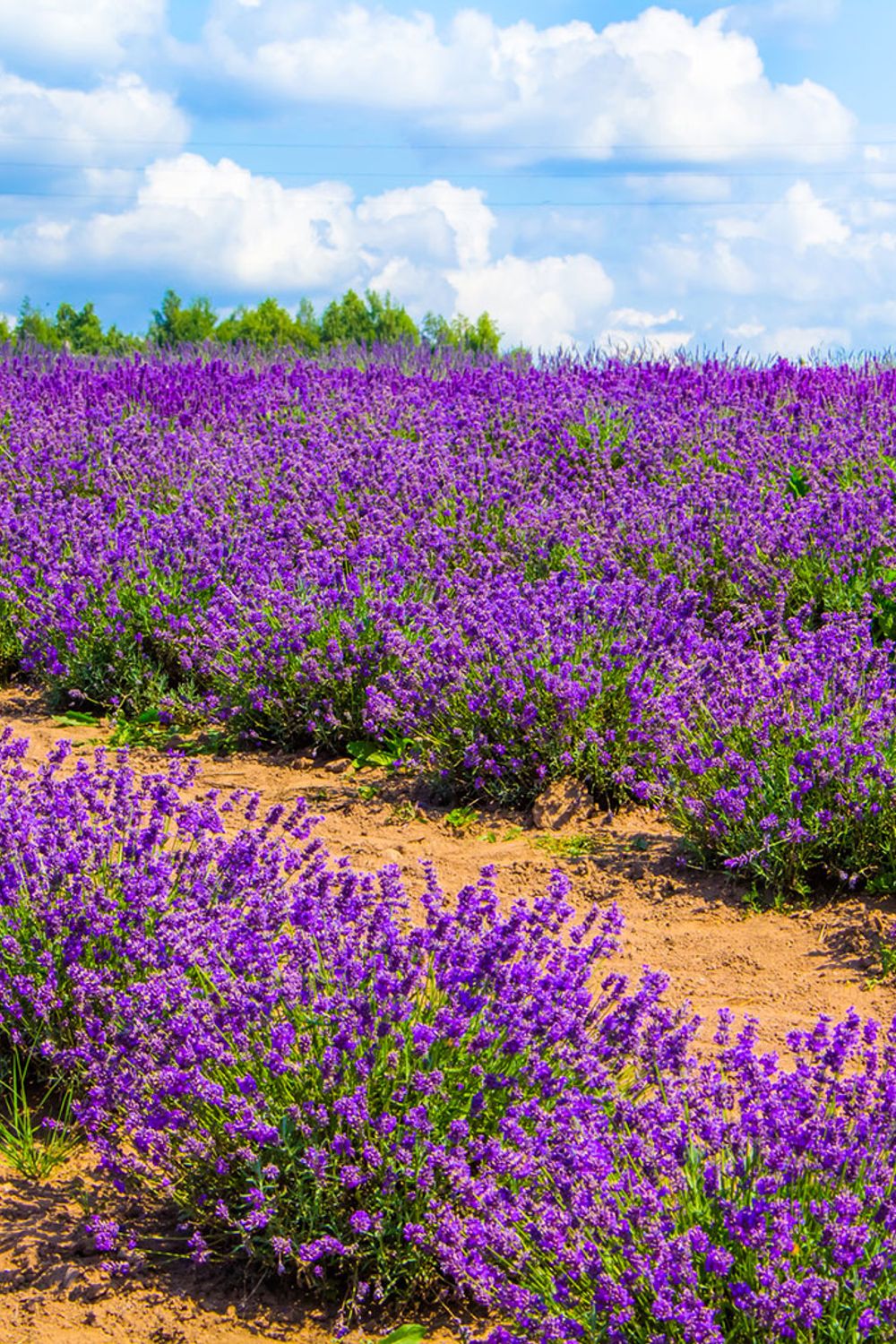
When selecting plants for a sandy soil environment, opt for species like lavender, tickseed, sedums, cacti, succulents, and yarrow that are well-suited to thrive in such conditions.
Sandy soil presents unique challenges due to its low nutrient content and fast drainage capabilities. Plants adapted to sandy environments have evolved mechanisms to thrive under these conditions. These plants often have specialized root systems that can efficiently extract nutrients from the soil, as well as adaptations that help them conserve water.
Plants like lavender and yarrow have developed deep root systems that can reach nutrients deeper in the soil, compensating for the lack of nutrients near the surface. Tickseed and sedums are known for their ability to store water in their leaves, reducing their dependence on frequent watering. Cacti and succulents, on the other hand, have thick, fleshy stems that store water for extended periods, making them ideal choices for sandy soil environments where water retention is crucial.
Improving Soil Quality
To enhance the quality of sandy soil, incorporate organic matter such as compost or manure to boost nutrient levels and water retention.
By fostering the growth of beneficial microbes through organic matter, nutrient breakdown and availability for plants can significantly improve.
Additionally, applying mulch regularly can help maintain moisture content and provide essential nutrients for plant growth in sandy soil.
Soil Amendment Options
Enhance the quality of sandy soil by incorporating organic matter such as compost or manure to boost nutrient levels and moisture retention for optimal plant growth. Organic matter like compost and manure plays a crucial role in improving sandy soil conditions by increasing nutrient content and enhancing moisture retention.
These organic materials foster the growth of beneficial microbes that aid in breaking down nutrients, making them more accessible to plants in sandy environments. Additionally, regularly adding mulch to sandy soil can help maintain moisture levels and provide essential nutrients for plant growth.
When amending sandy soil, it’s important to select plants that are naturally suited to such conditions. By choosing plant species adapted to sandy environments, you can reduce maintenance efforts and increase the chances of successful growth in sandy soil.
Selecting the right plants for your sandy soil can lead to healthier, thriving vegetation with minimal intervention.
Nutrient Deficiency Solutions
Incorporating nutrient-rich organic matter like compost or manure can effectively address nutrient deficiencies in sandy soil, thereby enhancing soil quality for optimal plant growth.
Organic matter serves as a vital source of nutrients and encourages the proliferation of beneficial microbes that aid in nutrient breakdown for improved plant absorption.
Additionally, the regular application of mulch assists in maintaining adequate moisture levels within the sandy soil while also supplementing essential nutrients.
Water Management Strategies
When managing water in sandy soil, it’s crucial to pay attention to proper watering techniques and the importance of drainage.
Ensuring adequate drainage helps prevent waterlogging, which can be detrimental to plant health in sandy environments.
Proper Watering Techniques
To ensure optimal growth and health of plants in sandy soil, it’s essential to implement efficient water management strategies such as drip irrigation or soaker hoses.
Drip irrigation delivers water directly to the plant’s roots, minimizing evaporation and ensuring efficient water usage. Soaker hoses also provide targeted watering, reducing water waste and promoting deep root growth.
When watering plants in sandy soil, it’s crucial to adjust the frequency and amount of water based on the specific needs of the plants. Sandy soil drains quickly, which may necessitate more frequent watering to maintain adequate moisture levels.
Proper watering techniques also involve considering factors like wind erosion and water runoff. Using vegetation and mulch can help retain moisture in sandy soil by reducing evaporation and stabilizing the soil.
Additionally, selecting plants that are adapted to dry conditions and require less water can optimize water usage in sandy soil gardens. By incorporating these practices, you can effectively manage water in sandy soil environments, promoting healthy plant growth while conserving water resources.
Importance of Drainage
Proper drainage plays a pivotal role in maintaining the health and vitality of plants growing in sandy soil. Without adequate drainage, waterlogging can occur, leading to root rot and suffocation of plant roots.
Implementing effective water management strategies is essential to regulate moisture levels in sandy soil. Techniques such as mulching and selecting drought-tolerant plants help in maintaining optimal moisture levels.
The quick drainage characteristic of sandy soil necessitates efficient water retention methods like rainwater harvesting and drip irrigation systems to ensure plants receive an adequate water supply. By focusing on water management, gardeners can create a healthy balance between water availability and drainage, promoting robust plant growth.
Effective water management practices not only prevent issues like water stress and nutrient leaching but also contribute to the overall well-being of plants cultivating in sandy soil.
Fertilization Techniques
Consider using slow-release fertilizers to effectively nourish plants growing in sandy soil while minimizing nutrient washout. These fertilizers gradually release nutrients over time, ensuring a steady supply for the plants without the risk of leaching away in the porous sand. Additionally, incorporating compost into the sandy soil can significantly enhance its nutrient content, providing essential elements for plant growth. Organic mulches also play a crucial role in sandy soil by not only improving water retention but also by decomposing and enriching the soil with nutrients beneficial for plant development. It’s important to tailor your fertilization approach to the specific needs of the plants and the deficiencies present in sandy soil. Adjusting the type and frequency of fertilization based on individual plant requirements and soil conditions will help optimize growth in this challenging medium.
| Fertilization Technique | Benefits |
|---|---|
| Slow-release fertilizers | Minimize nutrient washout |
| Compost | Enhance nutrient content |
| Organic mulches | Improve water retention |
Plant Growth Medium
When establishing an optimal environment for plant growth in sandy soil, the incorporation of silt particles is crucial to enhance water and nutrient retention. Sand particles, while providing good drainage and root aeration, lack the ability to retain water and nutrients effectively.
By adding silt particles to the sandy soil, you can create a balanced plant growth medium that offers improved water and nutrient-holding capacity.
To further enhance the plant growth medium, consider mixing in organic materials such as compost or manure. These organic additions not only contribute essential nutrients but also help in improving soil structure and promoting beneficial microbial activity.
The combination of sand, silt, and organic matter creates a well-rounded growth medium that supports plant development in sandy environments.
Pros and Cons
When growing plants in sand, you benefit from its excellent drainage properties, which help prevent waterlogging and promote early planting.
However, the downside lies in the rapid drying out of sandy soil, leading to challenges like nutrient deficiencies and hindered plant growth.
To address these issues, regular amending with organic matter is essential to enhance water retention and provide necessary nutrients for optimal plant development.
Sand’s Drainage Benefits
Sand’s drainage benefits for plants are evident in its ability to reduce the risk of waterlogged roots and promote aeration. However, this drainage advantage comes with a downside; the rapid draining nature of sand can lead to plants drying out quickly, necessitating more frequent watering.
Here are a few key points to consider:
- Prevention of Waterlogged Roots: Sand’s quick drainage prevents water from pooling around the roots, reducing the risk of root rot and other water-related issues.
- Enhanced Aeration: The loose structure of sandy soil allows for better air circulation around the roots, promoting healthier root systems and overall plant growth.
- Quick Warm-up in Spring: Sandy soil warms up faster in the spring, providing a conducive environment for early planting and encouraging robust root development.
Nutrient Challenges in Sand
With its rapid drainage capabilities, sandy soil presents notable challenges when it comes to nutrient retention for plants. The low organic matter content in sand often leads to nutrient deficiencies, particularly in essential elements like nitrogen, phosphorus, and potassium.
As a result, plants growing in sandy soil require regular fertilization to compensate for these deficiencies. Fertilizers rich in these key nutrients can help support healthy plant growth in nutrient-poor sandy soil.
To address the nutrient challenges in sand, incorporating organic amendments such as compost, manure, or other organic matter can significantly improve nutrient levels. These organic materials enhance the soil structure, increase water retention, and provide a slow-release source of nutrients for plants.
Amending Sandy Soil
How can you effectively improve water retention and nutrient content in sandy soil for optimal plant growth?
To enhance the quality of sandy soil and promote healthy plant growth, consider the following steps:
- Incorporate Organic Matter:
Add organic materials such as compost, manure, or leaf mold to sandy soil. Organic matter helps improve water retention and enriches the soil with essential nutrients vital for plant growth.
2. Utilize Organic Mulches:
Enhance soil structure and fertility by incorporating organic mulches like wood chips or grass clippings. Mulches help reduce water evaporation, suppress weed growth, and provide a steady release of nutrients to plants.
3. Implement Raised Beds:
Construct raised beds to create a controlled environment with improved drainage and moisture retention. Raised beds offer better growing conditions for plants in sandy soil, allowing for easier root penetration and access to nutrients.
Recommended Plants
Plants well-suited to sandy soil conditions include lavender, tickseed, sedums, cacti, succulents, and yarrow due to their adaptability and resilience in such environments. These plant species are native species that are adapted to sandy soils and thrive with less water, making them ideal choices for sandy landscapes. Here is a table showcasing some recommended plants for sandy soil:
| Plant Species | Native Species | Water Efficiency |
|---|---|---|
| Lavender | Yes | Low |
| Tickseed | Yes | Low |
| Sedums | Yes | Low |
| Cacti | Yes | Very Low |
| Yarrow | Yes | Low |
Choosing plants that are well-suited to sandy conditions not only ensures their survival but also reduces the need for constant maintenance and watering. These plants have evolved to thrive in sandy environments, making them excellent choices for your sandy soil gardening needs.
Protecting Plants From Pests
To safeguard your plants thriving in sandy soil from pests, employing natural pest control methods and vigilant monitoring is key. Here are some effective strategies to protect your plants:
- Beneficial Insects: Introduce beneficial insects like ladybugs, lacewings, or predatory mites to your garden. These insects prey on common plant pests such as aphids, mites, and caterpillars, helping to keep pest populations in check without the need for harmful chemicals.
- Companion Planting: Utilize companion planting by intermixing pest-repelling plants with your main crops. Plants like marigolds, basil, and garlic can naturally deter pests and create a more diverse and pest-resistant environment for your plants growing in sandy soil.
- Neem Oil: Consider using neem oil, a natural insecticide derived from the neem tree. Neem oil is effective against a wide range of plant pests, including aphids, mealybugs, and spider mites, while being safe for beneficial insects and the environment.
How Sand Affects Growth
When gardening in sand, you’ll encounter challenges due to its quick drainage, which can lead to poor nutrient retention and dry conditions for plants.
The lack of essential nutrients in pure sand may hinder root development and overall plant growth. Additionally, the mineral composition of sand, such as quartz crystals, may not effectively hold the necessary nutrients required for healthy plant development.
Sand’s Drainage Impact
Sand’s rapid drainage capabilities pose a significant challenge for plant growth by causing nutrient depletion and water scarcity. When plants are grown in sandy soil, the quick drainage can wash away essential nutrients, leaving the plant deprived of vital elements for healthy growth.
Additionally, the inability of sandy soil to retain water exacerbates the issue, leading to water scarcity for plant roots.
To address the impact of sand’s drainage properties on plant growth, consider the following:
- Nutrient Loss: The rapid drainage of sandy soil can result in the leaching of nutrients, making it hard for plants to access the necessary elements for their development.
- Water Retention: Sandy soil’s poor water retention capability can lead to drought-like conditions for plant roots, hindering their growth and overall health.
- Root Access: Plant roots in sandy soil may struggle to reach essential nutrients due to the fast-draining nature of sand, affecting their ability to thrive and flourish.
Understanding how sand’s drainage properties affect plant growth is crucial in implementing strategies to mitigate these challenges and foster healthy plant development.
Nutrient Retention Challenge
The challenge of nutrient retention in sandy soil significantly impacts plant growth due to the rapid drainage properties of sand. When water flows through sand, it carries essential nutrients away, making it difficult for plants to absorb what they need to thrive.
Quartz crystals found in sand are ineffective at holding onto vital plant nutrients, further exacerbating the issue of nutrient deficiency.
To overcome these challenges, it’s crucial to practice careful watering and fertilizing. By ensuring that water and nutrients are applied strategically, plants can have a better chance of uptake before they’re leached away.
Supplementing sandy soil with organic matter can also help improve nutrient retention and support plant growth. Organic matter acts as a reservoir for essential nutrients, providing a more stable environment for plants to thrive in sandy conditions.
Root Development in Sand
Sand’s unique properties significantly influence root development in plants growing in sandy soil, impacting their ability to thrive in this particular environment. When considering root development in sand, it’s essential to understand how this type of soil affects plant growth:
- Easy Root Penetration and Aeration: The loose structure of sandy soil allows roots to penetrate easily, promoting better aeration. This facilitates healthy root development and overall plant growth.
- Risk of Poor Anchor and Nutrient Loss: Plant roots in sandy soil may struggle to anchor themselves due to the lack of compactness, requiring additional support. Moreover, the quick drainage characteristic of sand can lead to rapid nutrient loss, necessitating regular fertilization to ensure plants receive essential nutrients for optimal growth.
- Reduced Waterlogging and Root Rot: The porous nature of sandy soil prevents waterlogging, reducing the risk of root rot. However, this also means that plants in sandy soil require more frequent watering to ensure they receive an adequate water supply for healthy root development.
Hydroponics in Sand
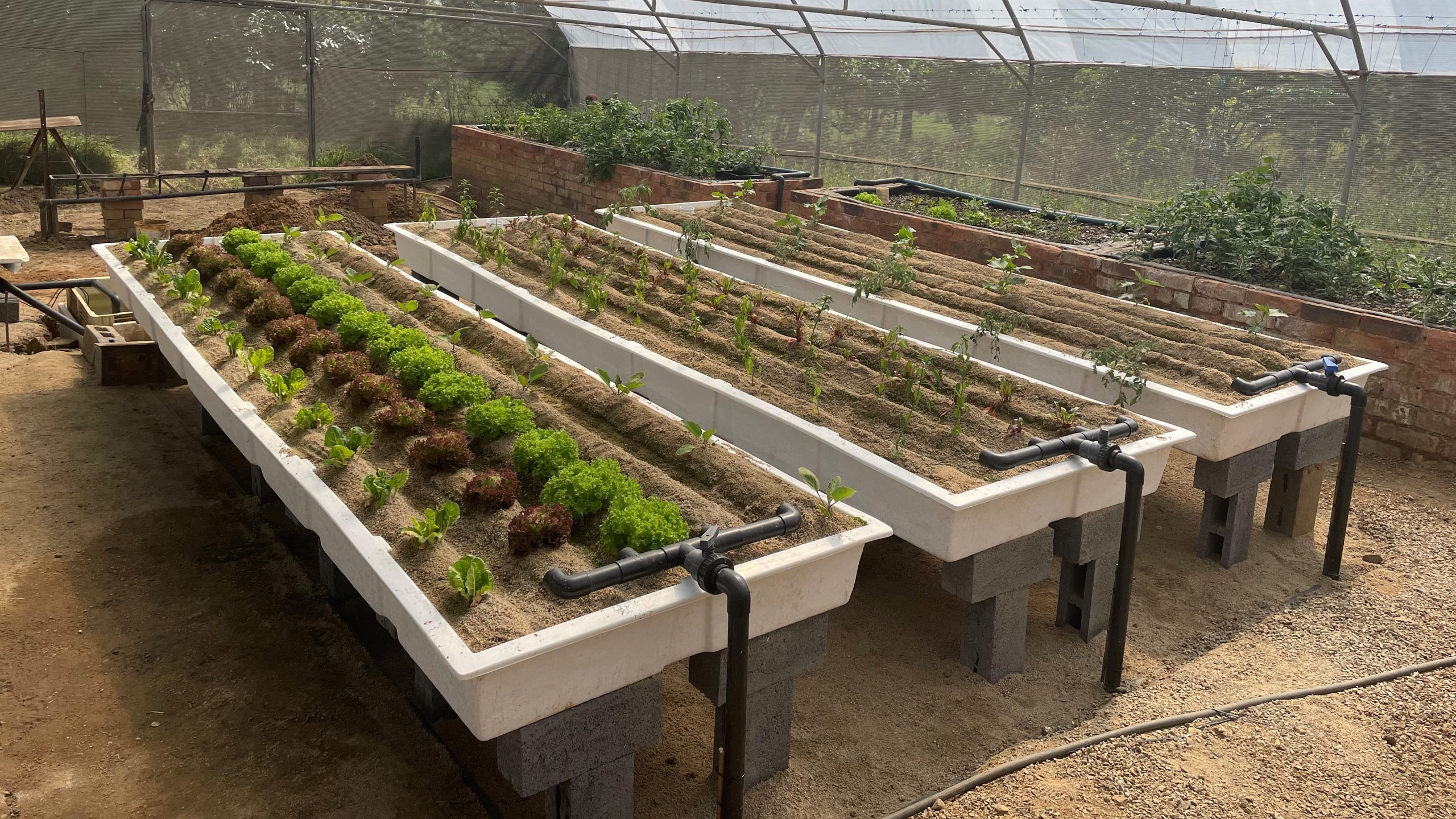
Growing plants hydroponically in sand offers a unique and efficient method for cultivating crops without traditional soil. Hydroponics in sand involves utilizing a nutrient solution to provide plants with essential minerals for growth. The key to successful hydroponic systems in sand lies in maintaining the correct nutrient solution and monitoring pH levels to ensure optimal plant development.
Sand’s excellent drainage and aeration properties make it a suitable growing medium for hydroponics, promoting healthy root systems and efficient nutrient uptake.
Implementing hydroponic systems in sand can be advantageous for those looking to save space and resources while maximizing crop yield. Customizable setups allow for adaptation to different plant varieties and growth stages, offering flexibility in cultivation practices. By fine-tuning nutrient solutions and closely monitoring pH levels, plants can thrive in sand-based hydroponic systems, demonstrating robust growth and productivity.
This method presents a modern and innovative approach to cultivating plants, harnessing the benefits of hydroponics in a sand medium for sustainable agriculture.
Sandy Soil Challenges
A challenge presented by sandy soil is its limited capacity to retain moisture and nutrients, necessitating frequent watering and fertilization for plant growth.
When dealing with sandy soil challenges, consider the following:
- Nutrient Leaching: Sandy soil is prone to nutrient leaching, where essential plant nutrients are washed away quickly. To combat this, monitor nutrient levels regularly and supplement as needed to ensure plants receive adequate nutrition.
- Root Development: Plant roots may struggle to establish and grow in pure sand due to its lack of stability and anchorage. Choose plants that are well-adapted to sandy soil conditions or consider adding organic matter to improve soil structure and root support.
- Soil Erosion: Sandy soil is susceptible to seepage and runoff, impacting plant health. To mitigate this, consider adding organic materials like compost or mulch to improve soil moisture retention and reduce erosion risks.
Enhancing Fertility
Incorporating organic matter into sandy soil is crucial for enhancing fertility and improving nutrient content to support plant growth effectively.
Adding compost, manure, or leaf mold helps replenish essential nutrients that sandy soil lacks.
Mulches play a significant role in enhancing fertility by improving moisture retention and adding nutrients back into the soil.
Utilize materials like straw, wood chips, or grass clippings to create a protective layer over the soil.
Consider planting cover crops such as clover or vetch to naturally boost soil fertility by fixing nitrogen.
These cover crops not only enrich the soil but also prevent erosion.
Additionally, slow-release fertilizers are beneficial in sandy soil as they provide a steady supply of nutrients over time without the risk of leaching.
Adjusting Ph Levels
Testing the pH level of sandy soil is essential to determine its acidity or alkalinity for optimal plant growth. Here’s what you need to know about adjusting pH levels in your sandy soil:
- Identify pH Level: Use a pH testing kit to assess if your sandy soil is acidic (below 7) or alkaline (above 7). This step is crucial in understanding the current soil conditions.
- Raise pH in Acidic Soil: If the pH level is acidic, below the desired range for most plants, consider adding lime to increase the pH level. This helps neutralize the acidity and creates a more favorable environment for plant growth.
- Lower pH in Alkaline Soil: In the case of alkaline sandy soil, where the pH is too high, you can use elemental sulfur to lower the pH level. This adjustment aids in making essential nutrients more available to plants, promoting healthier growth.
Gardening Help
To enhance gardening success in sandy soil, consider selecting plant species that are well-suited to such conditions, like succulents, lavender, and yarrow. These plants have adapted to thrive in sandy soil types, making them ideal choices for your garden.
Additionally, improving sandy soil quality can be achieved by incorporating organic matter such as compost or manure to enhance nutrient content, promoting better plant growth.
When growing plants in sand, implementing water management strategies is crucial. Drip irrigation systems can help efficiently water plants in sandy soil, ensuring they receive adequate moisture without leading to waterlogging.
The drainage properties of sand can benefit plant cultivation by promoting root growth and aiding in soil aeration, contributing to overall plant health.
For successful gardening in sandy soil conditions, opt for water-wise gardening techniques and choose plant varieties that are well-suited to thrive in such environments. By following these guidelines, you can create a flourishing garden even in sandy soil.
Conclusion
In conclusion, growing plants in sand is possible with the right techniques and strategies in place.
By selecting the appropriate plant species, improving soil quality, implementing water management strategies, utilizing fertilization techniques, and addressing sandy soil challenges, you can create a successful garden in sandy soil.
With proper care and attention, plants can thrive in sand and provide a beautiful and productive landscape for you to enjoy.