

Inspect your garden soil for color and texture variations to identify insect eggs. Utilize online guides for egg recognition. Prevent infestations by maintaining soil health, incorporating organic practices, and using neem oil with azadirachtin. Implement Integrated Pest Management techniques for effective pest control. Monitor regularly for signs of insect eggs. Neem oil disrupts egg growth and is safe for the soil environment. Encourage natural predators and select pest-resistant plant varieties. Set action thresholds and minimize chemical interventions for a thriving garden. More tips await you for maintaining a healthy garden ecosystem.
Common Garden Pests Egg Identification
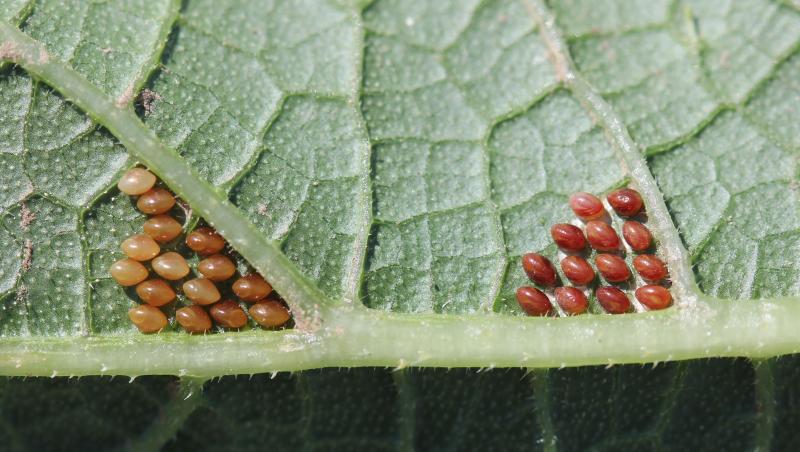
To successfully identify common garden pests’ eggs in the soil, begin by examining their distinct color, texture, and size characteristics. Integrated Pest Management (IPM) strategies emphasize the importance of early detection and intervention in managing pest populations effectively. Differentiating between the eggs of various garden pests is crucial for implementing targeted control measures.
For instance, squash bug eggs are bronze and oval-shaped, typically found in clusters on the undersides of leaves. In contrast, cabbage white butterfly eggs are small, yellow, and cylindrical, usually laid individually on host plants. By understanding these specific characteristics, you can proactively address potential pest threats before they become a significant issue.
Regularly monitoring and identifying insect eggs in the soil enables you to take preventative actions, such as removing or destroying the eggs, disrupting the pests’ life cycle, and preserving the health of your garden ecosystem. By being observant and knowledgeable about common garden pests’ egg identification, you can effectively protect your plants and promote thriving growth.
Signs of Insect Eggs in Soil
:max_bytes(150000):strip_icc()/SlugEggs-1de13e7f31914764a7ad4aec606ba6bc.jpg)
When inspecting garden soil for signs of insect eggs, pay attention to any small, round clusters or balls that vary in color. These eggs could belong to harmful insects such as cutworms, whiteflies, or spider mites, which can negatively impact plant health. Early identification of insect eggs is crucial to implementing preventive measures and safeguarding your garden from potential infestations.
Egg Identification Methods
How can you effectively identify signs of insect eggs present in garden soil?
- Egg Identification Tricks: Carefully inspect the soil for clusters or individual eggs. Different insects lay eggs in various patterns and sizes, so familiarize yourself with the common characteristics of eggs from pests like spider mites, aphids, cutworms, and whiteflies.
- Egg Monitoring Strategies: Regularly check the undersides of leaves, stems, and the soil surface for any signs of insect eggs. Utilize tools like magnifying glasses or hand lenses to aid in spotting these tiny eggs effectively.
- Egg Elimination Tips: Once identified, remove the eggs promptly using techniques like scraping them off the soil surface or physically crushing them. Implement egg protection methods, such as applying neem oil with azadirachtin, to deter pests and prevent hatching. Effective egg hatching prevention is key to avoiding infestations and maintaining a healthy garden ecosystem. Early intervention is crucial to safeguard your plants and promote a pest-free environment.
Soil Infestation Prevention
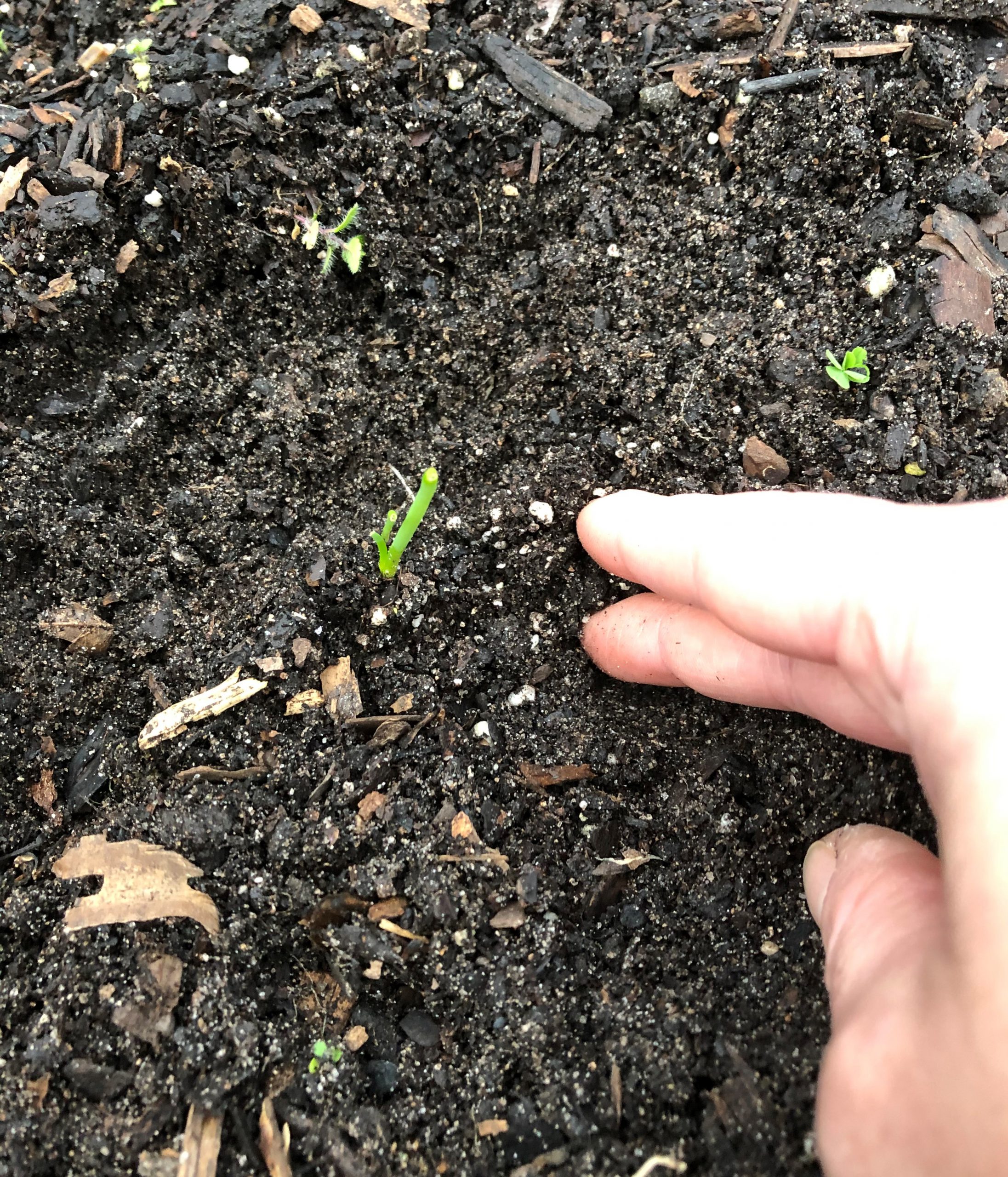
Inspecting the soil for signs of insect eggs is crucial in preventing soil infestations and protecting your garden from potential damage. Maintaining soil health is key to deterring pests naturally. By incorporating organic gardening practices and encouraging the presence of beneficial insects, you create a balanced ecosystem that can help control pest populations. One effective method for soil infestation prevention is using neem oil, which contains azadirachtin, a compound known for its pest-repelling properties. Neem oil not only targets soil pests but also maintains the safety of earthworms and beneficial microbes in the soil. This sustainable pest management approach aligns with Integrated Pest Management (IPM) techniques, which focus on identifying and addressing pest issues through environmentally friendly means. By staying vigilant and implementing these strategies, you can effectively prevent soil infestations and promote a healthy garden environment for your plants to thrive.
Identifying Common Garden Insect Eggs

Uncover the diverse array of common garden insect eggs by examining their distinct coloration and texture variations. Identifying these eggs is essential for implementing effective prevention strategies to maintain soil health and manage pests in your garden. Here are three key points to help you identify common garden insect eggs:
- Egg Morphology: Pay attention to the shape, size, and texture of the eggs. For example, squash bug eggs are bronze and oval-shaped, while cabbage looper eggs are dome-shaped and light green. Understanding these differences can aid in early detection and targeted pest management.
- Soil Health and Insect Lifecycle: Recognize that different insect eggs have varying impacts on soil health and plant vitality. By identifying these eggs, you can intervene at the right time in the insect lifecycle to prevent damage and promote a healthier garden ecosystem.
- Pest Management and Environmental Impact: Prompt identification of insect eggs allows for the implementation of appropriate pest management strategies, reducing the environmental impact of chemical interventions and safeguarding the overall health of your garden.
Recognizing Pest Eggs in Garden

When inspecting your garden soil, pay close attention to the color and texture of insect eggs, as yellow eggs are often linked to spider mites and aphids, while white eggs may indicate cutworms and whiteflies. Early recognition and removal of pest eggs are crucial in preventing potential infestations and protecting your plants. Utilizing neem oil with azadirachtin can effectively eliminate pest eggs without harming the environment.
Identifying Insect Eggs
You may frequently encounter various types of insect eggs in your garden soil, each indicating the presence of potential pests that can impact your plants and ecosystem. To identify these eggs effectively, consider the following:
- Egg Morphology: Different insect species lay eggs with distinctive characteristics. Yellow eggs, often associated with spider mites and aphids, are tiny and oval-shaped, while white eggs from cutworms and whiteflies may appear as clusters or individually laid on leaves or soil.
- Soil Health: The presence of insect eggs in soil can be an indicator of soil health. Healthy soil with balanced nutrients and microbial activity can naturally deter pests and reduce the likelihood of egg infestations.
- Natural Predators: Encouraging natural predators like ladybugs, lacewings, and predatory mites in your garden can help control pest populations by feeding on insect eggs, larvae, and adults, thus maintaining a balanced ecosystem.
Preventing Pest Infestations
To effectively prevent pest infestations in your garden, it is important to recognize and understand the significance of identifying various types of insect eggs present in the soil. Maintaining soil health is crucial as healthy soil can support beneficial insects that naturally control pest populations. Implementing organic solutions like neem oil, which contains azadirachtin, can effectively deter soil pests while being safe for earthworms and soil microbes.
Regularly monitoring your garden soil for signs of insect eggs, such as the yellow eggs of spider mites or the white eggs of cutworms, is essential for early detection and prompt action. Integrated Pest Management (IPM) practices play a vital role in preventing and managing pest infestations in the soil. By adopting a proactive approach and incorporating these techniques into your gardening routine, you can help ensure the health and vitality of your plants while minimizing the risk of pest-related issues.
Preventing Insect Egg Infestation
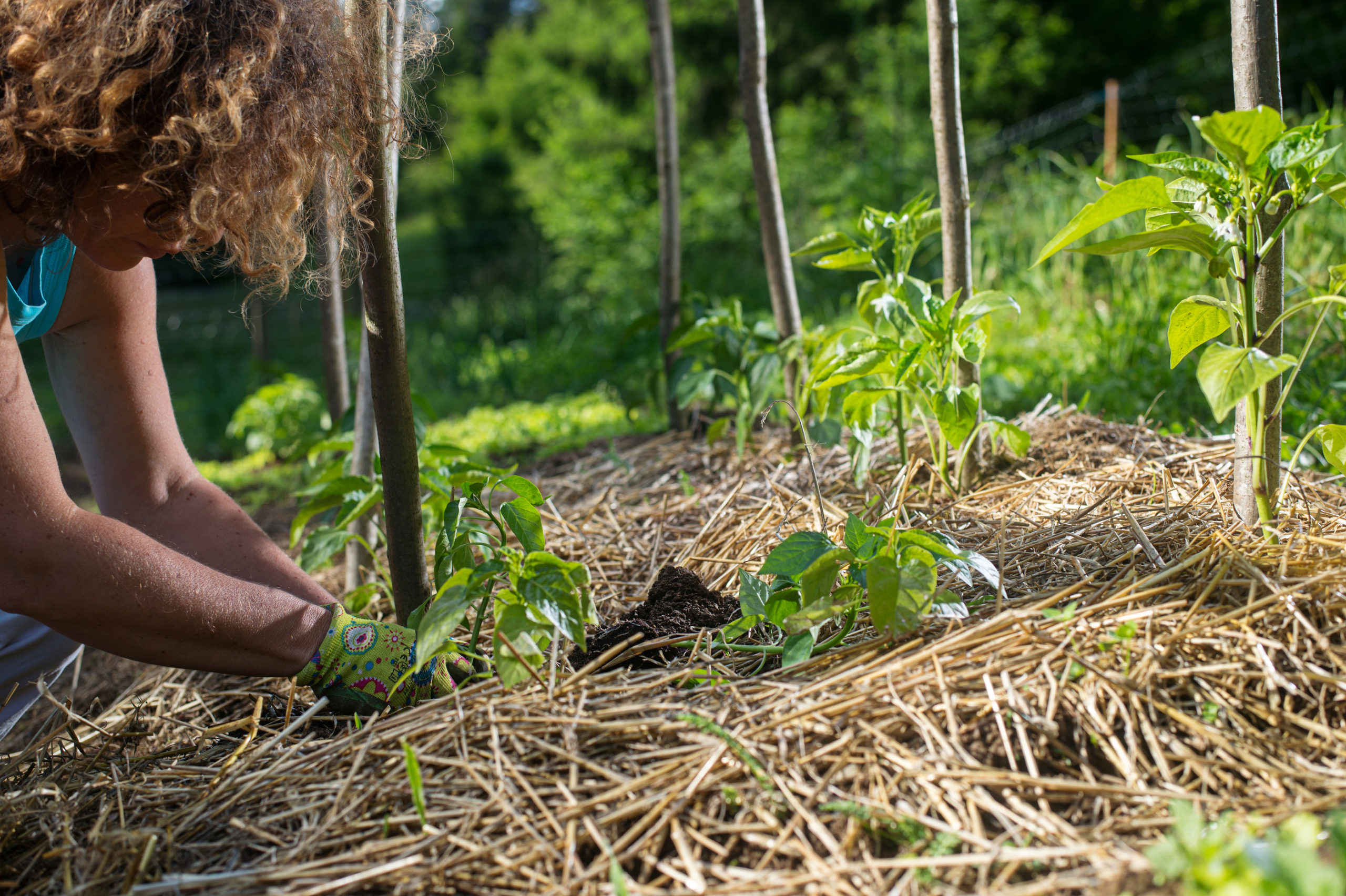
One effective method to prevent insect egg infestation in garden soil is by implementing crop rotation and companion planting techniques. These methods help disrupt the life cycle of insects that lay eggs in the soil, reducing the chances of infestation. In addition to crop rotation and companion planting, there are other strategies you can employ to protect your garden from insect eggs:
- Use organic mulch and cover crops: Creating a physical barrier can deter egg-laying pests from accessing the soil.
- Practice good garden hygiene: Removing debris and dead plant material eliminates potential egg-laying sites for insects.
- Introduce beneficial insects and natural predators: Ladybugs, parasitic wasps, birds, and toads are valuable allies in controlling pest populations and preventing egg infestations naturally.
Managing Insect Eggs in Soil
To effectively manage insect eggs in your garden soil, start by identifying the types of eggs present. Once identified, remove them using targeted methods like neem oil with azadirachtin, known for its effectiveness in controlling insect eggs. To prevent future infestations, consider implementing Integrated Pest Management techniques, regular monitoring, and practices that promote genetic resistance against soil pests.
Identify Insect Eggs
How can you effectively identify insect eggs present in your garden soil? Here are some key points to consider:
- Egg Identification Guides:
- Utilize online resources, gardening books, or local agricultural extension services to identify common insect eggs found in garden soil.
- Look for specific characteristics like size, shape, color, and texture to differentiate between different types of insect eggs.
- Soil Pest Prevention Strategies:
- Implement cultural practices such as crop rotation and proper plant spacing to reduce the likelihood of soil pests laying eggs in your garden.
- Use barriers like floating row covers to protect plants from adult pests that may lay eggs in the soil.
- Early Detection Methods:
- Regularly inspect the soil surface and plant leaves for signs of insect eggs.
- Monitor plant health for any sudden changes that could indicate the presence of insect eggs and take prompt action.
Remove Insect Eggs
Neem oil containing azadirachtin provides an effective solution for removing insect eggs from garden soil while preserving the soil’s beneficial organisms and overall health. When considering egg removal techniques, neem oil stands out for its ability to disrupt the growth and development of insect eggs. This natural approach is safe for earthworms and beneficial microbes in the soil, ensuring that the ecosystem remains balanced. Additionally, neem oil application not only targets existing insect eggs but also helps prevent future infestations, making it a valuable tool for maintaining soil health.
Prevent Future Infestations

Utilize integrated pest management techniques to effectively manage and control insect eggs in garden soil for long-term soil health and pest prevention. To prevent future infestations, consider the following strategies:
- Egg Hatching: Implementing neem oil with azadirachtin can target soil pests and their eggs efficiently while preserving the soil’s ecosystem, including earthworms and beneficial microbes. This natural solution acts as a preventative measure against potential pest infestations, inhibiting egg hatching and disrupting the pests’ life cycle.
- Soil Sanitation: Maintaining soil cleanliness is crucial in preventing the buildup of pest populations. Regularly remove debris, weeds, and decaying matter from the garden bed to eliminate potential habitats for pests to lay eggs and thrive.
- Pest Exclusion: Employing Integrated Pest Management (IPM) techniques can aid in excluding pests from the garden soil. Consulting with experienced landscaping teams can provide valuable insights into effective pest control methods, ensuring early intervention and proactive measures to deter pests and manage insect eggs effectively.
Effective Pest Egg Monitoring Techniques
To effectively monitor pest egg activity in your garden soil, start by regularly inspecting the top layer for any signs of tiny balls or clusters of insect eggs. Early detection is key in preventing infestations. These eggs can vary in color and texture, so using a magnifying glass for a closer examination is beneficial. Maintaining good soil health through sustainable practices can also deter pests from laying eggs in your garden.
Integrated pest management (IPM) techniques are essential for monitoring and controlling insect populations. Removing eggs from the soil can help prevent future infestations. Consider incorporating natural pest control methods like beneficial insects or nematodes to keep insect eggs from hatching in the soil. Tracking changes in your garden soil and plant health is crucial for detecting early signs of pest infestation and taking prompt action to address the issue effectively. By implementing these pest egg monitoring techniques, you can protect your garden from potential damage caused by insect pests.
Importance of Accurate Pest Identification

Accurately identifying pests in garden soil is crucial for determining the specific type of insect eggs present and implementing targeted prevention methods effectively. When it comes to managing insect eggs in the garden, understanding the importance of accurate pest identification is key. Here’s why:
- Early detection: Identifying insect eggs accurately at an early stage can help prevent potential damage to your plants and the overall ecosystem.
- Targeted removal: Proper identification allows for the implementation of precise removal methods tailored to the specific type of insect eggs present, leading to more effective prevention of infestations.
- Sustainable practices: Recognizing and accurately identifying insect eggs can guide gardeners towards sustainable pest management practices. By using targeted prevention methods, you can reduce the need for harmful pesticides and promote a healthier garden ecosystem in the long run. By prioritizing accurate pest identification, you pave the way for a more harmonious and thriving garden environment.
Cultural Practices for Pest Prevention
Implementing cultural practices for pest prevention in your garden involves utilizing techniques such as crop rotation, companion planting, mulching, proper sanitation, and encouraging biodiversity. Crop rotation helps disrupt pest life cycles by changing the plant families grown in specific areas each season, reducing the buildup of pests that target certain crops. Companion planting involves strategically placing plants that benefit each other, such as repelling pests or attracting beneficial insects. Mulching not only retains soil moisture and suppresses weeds but also acts as a barrier against soil-dwelling pests. Proper sanitation practices, like removing plant debris and weeds, eliminate hiding spots for pests to thrive. Encouraging biodiversity by planting a variety of crops creates a balanced ecosystem where pests are naturally controlled. Additionally, maintaining soil fertility through organic amendments can boost plant health, making them more resilient to pest attacks. By incorporating these practices, you can effectively prevent pest infestations in your garden while promoting a healthy and thriving growing environment.
Using Natural Predators for Pest Control
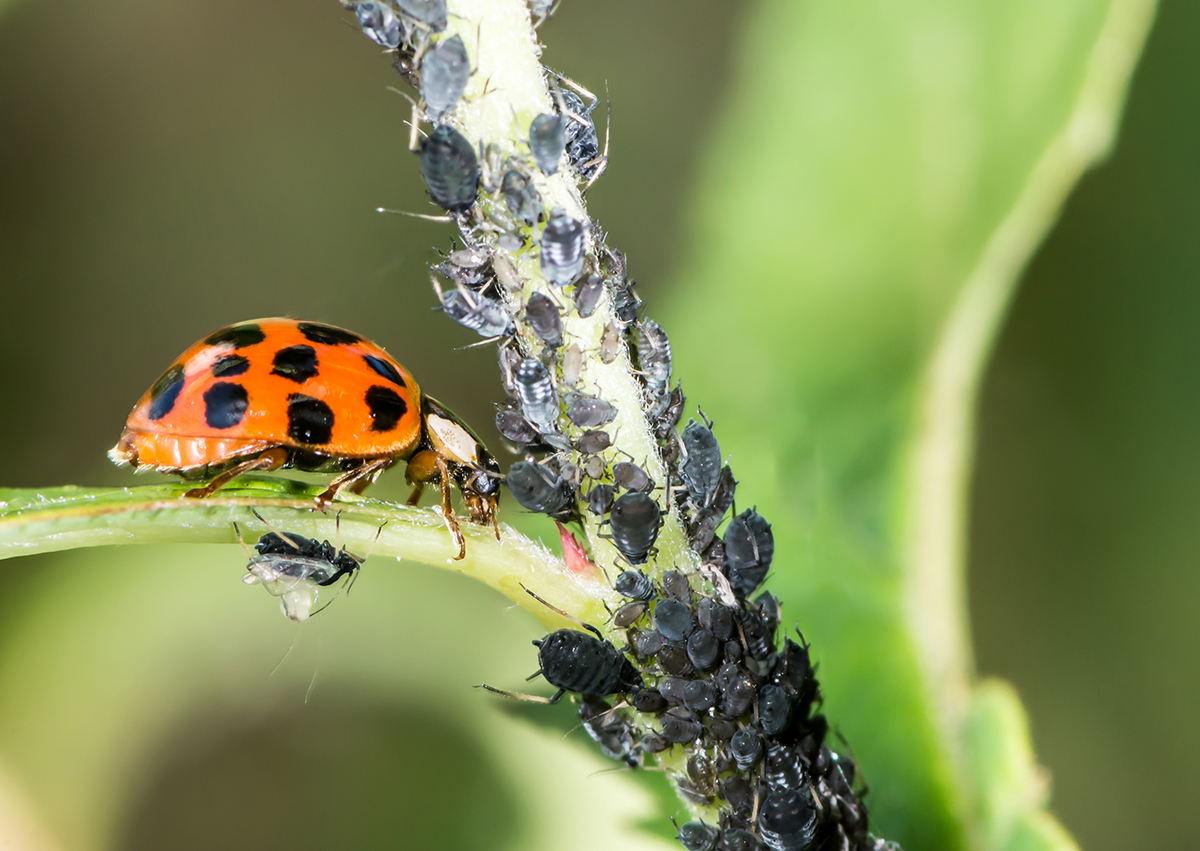
Introducing natural predators into your garden can be an effective method for controlling pest populations and maintaining a balanced ecosystem. These beneficial insects play a crucial role in natural pest control, offering a sustainable alternative to chemical pesticides. Here are three key points to consider when using natural predators in your garden:
- Beneficial Insects: Ladybugs and praying mantises are examples of beneficial insects that can help keep pest populations in check. Ladybugs are particularly skilled at consuming aphids, scale insects, and mites, while praying mantises feast on a variety of garden pests like caterpillars and beetles.
- Natural Pest Control: By harnessing the power of natural predators, you can reduce the reliance on harmful chemicals, promoting a healthier environment for both plants and beneficial insects. These natural pest controllers contribute to a more balanced and sustainable approach to pest management.
- Garden Ecosystem: Supporting a diverse community of natural predators fosters a thriving garden ecosystem where pests are kept at bay, allowing plants to flourish without the need for excessive human intervention. Creating a harmonious balance between predators and pests contributes to the overall health of your garden.
Selecting Pest-Resistant Plant Varieties
When selecting pest-resistant plant varieties for your garden, prioritize those that are naturally resistant to common garden pests to minimize the risk of insect egg infestations in the soil. Opting for plants labeled as ‘pest-resistant’ or ‘low maintenance’ increases the likelihood of steering clear of pest issues. This choice not only reduces the need for chemical insecticides but also aligns with an eco-friendly gardening approach. Seeking advice from local nurseries or extension services can provide valuable insights into pest-resistant plant varieties suited to your region. By investing in these varieties, you contribute to creating a sustainable and low-maintenance garden while decreasing the chances of insect egg infestations.
| Plant Variety | Pest Resistance | Maintenance Level |
|---|---|---|
| Marigolds | Repel nematodes | Low |
| Lavender | Deters aphids | Low |
| Basil | Repels mosquitoes | Low |
| Chrysanthemums | Controls beetles | Medium |
| Catnip | Repels ants | Low |
Setting Action Thresholds for Pest Management
To effectively manage pest populations in your garden, setting action thresholds is crucial for determining when intervention is necessary based on pest population levels and the potential damage they can cause to your plants. Here are some key points to consider:
- Setting Thresholds: Establish specific pest population levels or damage thresholds at which action needs to be taken to prevent significant harm to your plants.
- Monitoring Techniques: Regularly inspect your plants for signs of pest infestation, such as chewed leaves, holes, or eggs, to track pest populations accurately.
- Effective Prevention: Act promptly when pest levels reach the predetermined thresholds to prevent extensive damage. Implement control measures like introducing beneficial insects or using organic pesticides when necessary to manage pest populations effectively.
Minimizing Chemical Interventions
Consider implementing eco-friendly methods to reduce the need for chemical interventions in your garden. By incorporating organic alternatives and sustainable practices, you can effectively minimize the use of harmful chemicals while still managing insect eggs in your garden soil.
One eco-friendly solution is to adopt Integrated Pest Management (IPM) strategies. This approach focuses on using a combination of techniques, such as physical barriers like row covers and netting, to prevent insects from laying eggs in the soil. Additionally, encouraging natural predators like beneficial insects and birds can help control pest populations without resorting to chemical interventions.
Another effective method is to rotate crops regularly. This disrupts pest life cycles and reduces the need for chemical treatments. Furthermore, mulching garden beds with organic materials not only improves soil health but also deters pests from laying eggs in the soil.