

To prevent your plant soil from drying out too fast, try these quick solutions. First, increase your watering frequency by checking moisture levels daily. Second, apply mulch to retain moisture and slow evaporation. Third, repot your plants in larger containers to enhance water absorption. Fourth, adjust sunlight exposure to find the optimal balance. Fifth, use humidity trays to create a humid environment. Sixth, consider soil moisture retaining products to enhance water retention. Lastly, try hydrogel crystals for steady moisture supply. These strategies can help keep your soil moist and support healthy plant growth.
1. Increase Watering Frequency
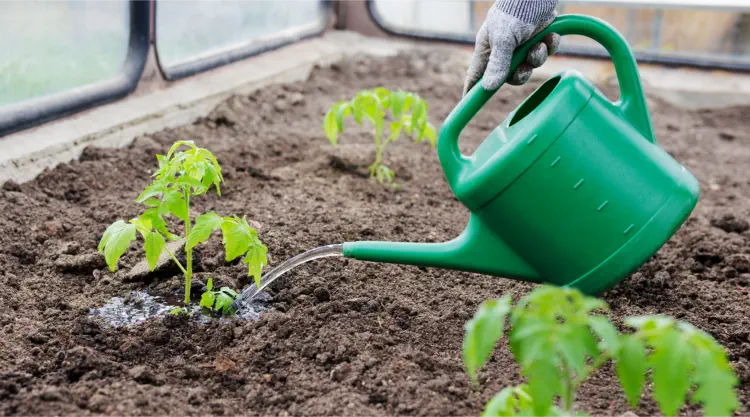
To prevent plant soil from drying out, consider increasing your watering frequency based on daily checks of soil moisture levels. When the soil dries out, it can negatively impact the health of your plants, causing wilting and stunted growth. By ensuring the soil moisture remains at an optimal level, you can promote healthy plant growth and vibrant foliage.
To gauge soil moisture accurately, you can use a moisture meter or simply check if the top inch of soil feels dry to the touch. If the soil feels dry, it’s time to water your plants. Water drains more quickly in warmer weather or if your plants are located in a spot with high airflow. In such cases, you might need to water more frequently to maintain adequate moisture levels.
Adjust your watering schedule based on the type of plant, its size, and the environmental conditions it’s exposed to. By maintaining a consistent watering routine tailored to your plants’ needs, you can prevent the soil from drying out too fast and keep your plants thriving.
2. Apply Mulch for Moisture Retention

Increase the effectiveness of your watering routine by applying mulch around your plants to enhance moisture retention in the soil. Mulch plays a crucial role in maintaining soil moisture levels by acting as a protective barrier that reduces water evaporation. By applying 2 to 4 inches of mulch around your plants, you can significantly slow down the rate at which the soil dries out. This layer of mulch not only keeps the soil surface cool and moist but also creates an environment conducive to water retention.
To maximize the benefits of mulch for moisture retention, consider using it in a donut-like fashion around your plants. This technique helps concentrate water towards the plant roots while keeping the surrounding soil adequately moist. Additionally, mulch aids in regulating soil temperature, preventing extreme fluctuations that can contribute to faster soil drying. By incorporating mulch into your gardening routine, you not only improve moisture retention but also suppress weed growth, creating a healthier environment for your plants.
3. Repot Plants in Larger Containers
:max_bytes(150000):strip_icc()/how-to-repot-plants-getty-0223-2000-be605fa25977453288a64a063e0cb6b9.jpg)
Consider repotting your plants in larger containers to provide ample space for root growth and enhanced water absorption capabilities. When soil dries out too fast, transferring your plants to bigger pots can help retain moisture. Larger containers hold more soil, which reduces the frequency of drying out by maintaining moisture levels for longer periods. This upgrade also decreases competition among roots for water and nutrients, allowing them to spread out and access water more efficiently. By preventing overcrowding, repotting in larger containers contributes to overall plant health. The increased soil volume in bigger pots assists in maintaining adequate moisture in the soil, supporting plant growth and vitality. So, if you notice your soil drying out quickly, consider repotting your plants in larger containers to create a more favorable environment for water retention and root development.
4. Adjust Sunlight Exposure
:max_bytes(150000):strip_icc()/indirect-light-for-houseplants-getty-0923-4f533b2d9c8a4301986971543608e1e5.jpg)
To prevent soil from drying out too quickly, you can adjust the sunlight exposure your plants receive. Consider relocating them to a spot with less intense light or providing partial shade using sheer curtains. Experiment with different positions throughout the day to find the optimal balance between light levels and soil moisture.
Proper Light Levels
Adjusting sunlight exposure for your plants based on their requirements is crucial to prevent the soil from drying out too quickly. When plants receive excessive direct sunlight, the soil tends to dry out faster as the high light levels increase evaporation rates. To maintain optimal soil moisture levels, consider moving your plants to a location with indirect light. This adjustment will help regulate the rate at which the soil dries out, allowing your plants to absorb the water they need without becoming waterlogged.
Monitoring your plants’ response to light levels is essential. If you notice that the soil is drying out too quickly, consider using sheer curtains or blinds to filter the sunlight. This way, you can still provide adequate light for your plants while reducing direct exposure that accelerates soil drying. By balancing light levels effectively, you can ensure that your plants remain healthy and the soil retains the necessary moisture for their growth.
Shading Options
To effectively control the amount of sunlight your plants receive and prevent rapid soil drying, exploring shading options is a practical approach. Consider using shade cloth or temporary structures to reduce direct sunlight exposure. Placing potted plants in areas with partial shade or filtered sunlight can help maintain soil moisture levels. Additionally, adjusting the location of your plants to receive the gentler morning sun and afternoon shade can provide a more balanced light exposure.
You can also utilize taller plants or structures strategically to create natural shade for more vulnerable plants. Monitoring your plants regularly and rotating them to ensure they receive optimal sunlight without experiencing excessive drying is crucial for their health. By implementing these shading options, you can help your plants thrive by providing them with the right amount of sunlight while preventing their soil from drying out too quickly.
Light Exposure Schedule
:max_bytes(150000):strip_icc()/indirect-light-for-houseplants-direction-getty-0923-46bd9f6885f44f1aa979b492e1f9a39d.jpg)
Consider relocating your plants to an area with reduced direct sunlight exposure to adjust their light exposure schedule and prevent rapid soil drying. By moving your plants to a spot with less intense sunlight during peak hours, you can help regulate the drying out of the soil. Utilizing sheer curtains or blinds can assist in filtering the sunlight, reducing its intensity, and creating a more suitable environment for your plants. Remember to rotate your plants regularly to ensure uniform sunlight exposure on all sides, preventing uneven drying of the soil. Keep an eye on the temperature of the location where your plants are situated, as higher temperatures can contribute to faster soil drying. Experimenting with different light exposure schedules can help you find the right balance that meets your plants’ requirements while also preventing the soil from drying out too quickly. Adjusting the sunlight exposure is a practical step in managing your plants’ light exposure schedule and maintaining optimal soil moisture levels.
5. Utilize Humidity Trays
:strip_icc()/bhg-filling-pebble-tray-101712504-3d1abc995cfd4f5ab73e34291d6349fa.jpg)
Place humidity trays under your plant pots to help control moisture levels effectively. These trays create a humid microclimate by evaporating water, ideal for plants that need consistent moisture. Refill the trays regularly to ensure your plants thrive in the right environment.
Tray for Humidity
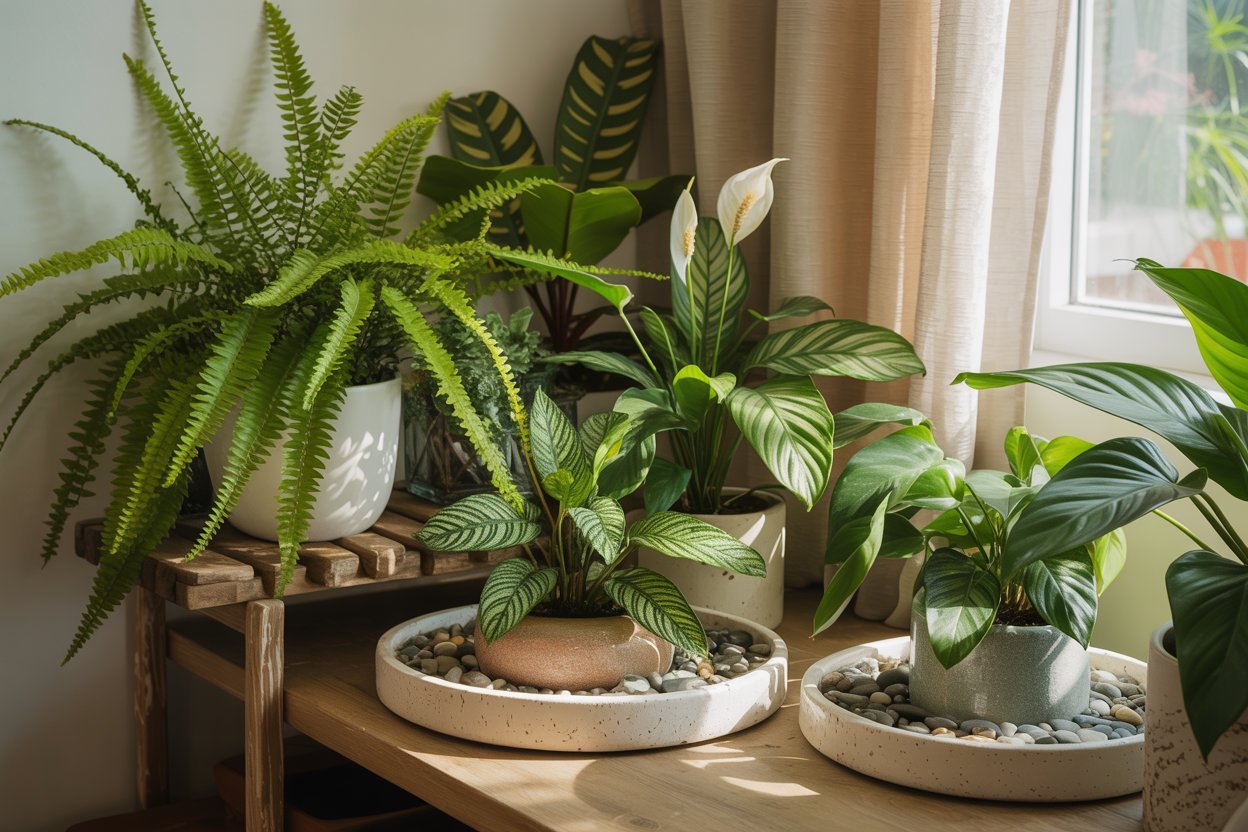
Utilize humidity trays as a practical solution for maintaining optimal moisture levels around your plants. These trays are simple yet effective tools for increasing humidity by using water. Placing your plant pots on humidity trays filled with water creates a humid microclimate around the plants. The evaporating water helps prevent the soil surface from drying out too quickly, ensuring your plants receive the moisture they need.
Humidity trays are especially beneficial for plants that thrive in high humidity environments, such as tropical plants or those sensitive to dry conditions. By utilizing these trays, you can mimic their natural habitat and promote healthier growth. Remember to regularly refill the trays to keep up the humidity levels consistently. This straightforward method can make a significant difference in the well-being of your plants, providing them with the ideal environment to flourish.
Control Moisture Levels
Control moisture levels effectively by incorporating humidity trays into your plant care routine. Humidity trays are shallow containers filled with water that create a humid microenvironment around your plants, helping to maintain optimal moisture levels and preventing the soil from drying out too rapidly. Here are some key tips for utilizing humidity trays to control moisture levels:
- Place your plants on humidity trays to ensure they benefit from the increased humidity levels.
- Regularly check and replenish the water in the trays to maintain a consistent level of moisture for your plants.
- Consider using soil amendments such as organic matter in your potting mix to help retain moisture in conjunction with humidity trays.
- Monitor your plants’ sensitivity to dry conditions and adjust the humidity levels as needed to provide the ideal environment for their growth.
Incorporating humidity trays into your plant care routine can significantly contribute to controlling moisture levels and promoting healthy plant growth.
6. Use Soil Moisture Retaining Products

Enhance your plant’s ability to retain moisture by incorporating soil moisture-retaining products like Retain, which have the capacity to absorb up to 40 times their weight in water. These products, when mixed with peat moss in the potting soil, can significantly increase the water-holding capacity of the soil by up to 60%. This means that your potted plants will have access to much more water over an extended period.
To help you understand the benefits of using soil moisture-retaining products, take a look at the table below:
| Benefits of Using Soil Moisture-Retaining Products |
|---|
| Absorbs up to 40 times its weight in water |
| Increases soil water-holding capacity by 60% |
| Helps potted plants retain moisture for longer |
| Reduces excess water drainage |
7. Consider Hydrogel Crystals

Consider incorporating hydrogel crystals into your potting mix to effectively retain moisture in the soil and reduce the frequency of watering for your plants. These water-absorbing crystals can make a significant difference in maintaining optimal moisture levels in your plant containers. Here are some key points to keep in mind:
- Superior Moisture Retention: Hydrogel crystals have the ability to absorb and hold up to 400 times their weight in water, ensuring that your plants receive a steady supply of moisture.
- Reduced Watering Frequency: By incorporating hydrogel crystals into your potting mix, you can minimize the need for frequent watering sessions, especially in hot and dry conditions.
- Safe and Non-Toxic: These crystals are safe to use around plants, providing a convenient and worry-free solution for soil that tends to dry out quickly.
- Ideal for Various Planting Containers: Hydrogel crystals are particularly beneficial for containers, hanging baskets, and raised beds, where maintaining consistent soil moisture levels can be a challenge.