

For a flourishing hugelkultur garden, steer clear of cedar, black walnut, and black locust woods, harmful to plants and soil. Opt for pine, oak, maple, or fruit tree species instead. These sustainable alternatives promote healthy plant growth and soil vitality. Embrace the benefits of maple for long-term soil fertility and apple wood for balanced decomposition and nutrient richness. Consider sweetgum for structural stability and oak for enhanced soil structure. Pine aids efficient decomposition. Use a diverse mix for effective breakdown and soil enrichment. Make thoughtful wood choices to nurture a thriving hugelkultur ecosystem.
Harmful Woods for Hugelkultur Beds

Avoid using harmful woods for hugelkultur beds, such as cedar, camphor, black locust, black cherry, and black walnut, due to their negative effects on plant growth and soil health. Specifically focusing on black walnut and black locust, these woods pose significant challenges in a sustainable gardening approach. Black walnut, containing juglone, acts as a natural herbicide, inhibiting the growth of various plant species. This can severely limit the diversity of plants that can thrive in your hugelkultur bed. On the other hand, black locust wood, rich in tannins, can adversely affect plant growth and overall soil health within the hugelkultur system. By avoiding these woods, you are ensuring a more conducive environment for your plants to flourish and for the soil to remain healthy and fertile. Opting for alternative woods that decompose readily and do not contain harmful substances will contribute to a more sustainable and thriving hugelkultur garden.
Avoid Cedar and Black Walnut

When considering materials for your hugelkultur beds, it is crucial to steer clear of cedar and black walnut due to their adverse effects on plant growth and soil health. Cedar’s natural fungicides can hinder plant development within the hugelkultur system, while black walnut releases juglone, a compound toxic to many plants, making it unsuitable for gardening. These woods, with their allelopathic properties, are better suited for purposes like furniture making or firewood. Instead, opt for alternative woods such as pine, oak, maple, or fruit tree species. These alternatives decompose effectively, supporting healthy plant growth in hugelkultur beds without the risk of inhibiting the development of your plants. By choosing the right materials for your hugelkultur beds, you can create a sustainable and thriving environment for your plants to flourish.
Concerns With Black Locust
Consider the potential drawbacks of utilizing black locust wood in your hugelkultur beds to ensure optimal plant growth and soil health. While black locust is a durable wood, its high tannin levels can hinder plant growth and decomposition processes within the hugel bed. The allelopathic properties of black locust can negatively affect surrounding vegetation and soil, impacting the overall biodiversity of your garden. Due to these characteristics, it is advisable to avoid using black locust wood in your hugelkultur system to maintain a healthy and thriving ecosystem.
Instead of black locust, opt for alternative woods like pine, oak, or maple for your hugelkultur beds. These woods offer structural integrity while promoting better nutrient availability and decomposition. By selecting more suitable wood types, you can create a balanced environment that supports the growth of various plants, including vegetables and herbs. Making informed choices about the materials used in your hugelkultur beds can lead to improved soil fertility and long-term sustainability in your garden.
Rot-Resistant Woods to Steer Clear Of

Opt for alternative woods over cedar, camphor wood, black locust, black cherry, and black walnut in your hugelkultur beds to ensure optimal nutrient release and plant growth. While these woods are known for their rot-resistant properties, they decompose slowly, hindering the breakdown process crucial for nutrient release in hugel beds. Cedar, for example, can inhibit the decomposition cycle, affecting the availability of nutrients for your plants. Additionally, woods like black walnut release juglone, a substance harmful to many plants, which can significantly impact the productivity of your hugelkultur bed. It is essential to steer clear of these rot-resistant woods to create a thriving hugelkultur garden. By avoiding allelopathic woods such as black walnut and selecting more suitable alternatives, you can promote a sustainable and resourceful environment in your hugel beds, fostering healthier plant growth and maximizing the benefits of your gardening efforts.
Optimal Wood Species for Hugelkultur

Selecting wood species with suitable decomposition rates is crucial for optimizing nutrient release and plant growth in hugelkultur beds. Optimal choices include oak, maple, apple, sweetgum, and most tree species due to their balanced decomposition rates. Softwoods like pine are also favored for faster breakdown, endorsed by experts like Sepp Holzer. However, steer clear of allelopathic woods such as black walnut, black locust, and cedar, which can hinder plant growth in hugelkultur systems. Pine wood, despite having acidic needles, can benefit acid-loving plants like blueberries when used in hugel beds. Remember, different woods decompose at varying speeds, so utilizing any available logs and branches for hugelkultur beds is beneficial. Over time, these organic materials will break down, enriching the soil and fostering a sustainable environment for your plants to thrive.
Suitable Wood Alternatives
When seeking suitable wood alternatives for hugelkultur, prioritize species like pine, oak, maple, sweetgum, and apple trees to enhance nutrient release and plant growth in your beds. These organic materials contribute to a rich environment for your plants to thrive. Remember, the goal is to create a diverse mix of woods to promote decomposition and nutrient cycling effectively.
- Pine: A softwood choice that decomposes relatively quickly, aiding in the breakdown of organic material.
- Maple: Adds a touch of sweetness to the decomposition process, enriching the soil with nutrients.
- Apple Trees: Their wood can infuse a subtle fruity essence into your hugel beds while providing structural support.
Utilizing these suitable wood alternatives ensures a balanced and sustainable hugelkultur system. By incorporating a variety of woods like pine, oak, maple, sweetgum, and apple trees, you can create a black, nutrient-rich environment that fosters healthy plant growth and vitality.
Pine in Hugel Beds

Incorporating pine wood into your hugel beds offers a quick decomposition rate and benefits acid-loving plants like blueberries, making it a versatile and accessible choice for building a thriving hugelkultur system. Pine wood, with its rapid decomposition properties, is an excellent addition to hugel beds. While pine needles are acidic, they do not significantly alter the soil acidity when used in hugelkultur setups. However, it is advisable to avoid green pine needle bales due to potential acidity issues. Pine wood can create a nutrient-rich environment ideal for acid-loving plants such as blueberries, enhancing the overall productivity of your hugel beds.
| Pine in Hugel Beds | ||
|---|---|---|
| Benefits | Considerations | Recommendations |
| Quick decomposition rate | Pine needles are acidic | Avoid green pine needle bales |
| Benefits acid-loving plants like blueberries | Minimal impact on soil acidity | Use seasoned pine wood for best results |
| Versatile and accessible choice | Nutrient-rich environment | Monitor pH levels when introducing pine wood |
Benefits of Oak in Hugelkultur
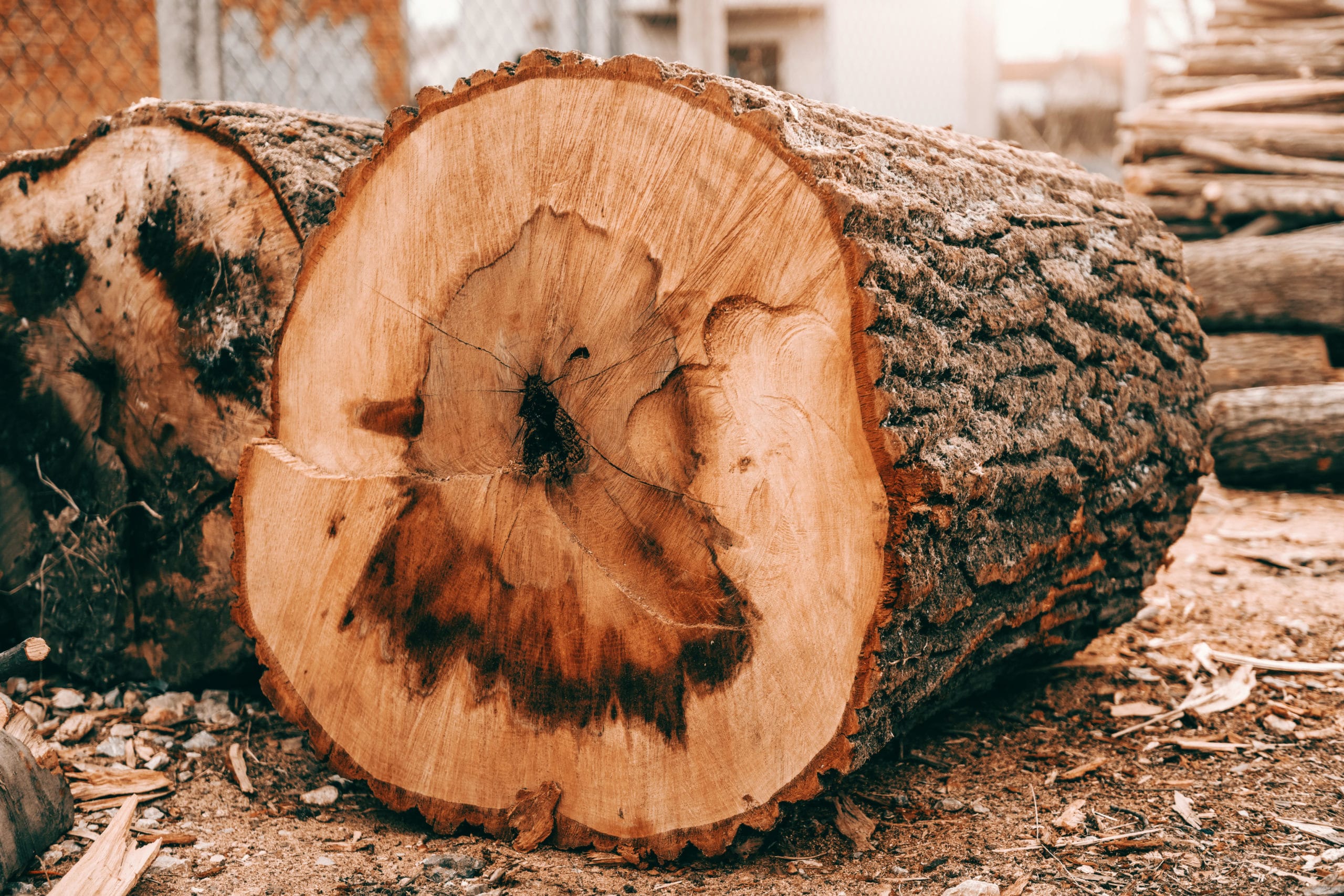
Embrace the numerous advantages of utilizing oak wood in your hugelkultur system for long-lasting structure, moisture retention, nutrient enhancement, and natural pest deterrent properties. Oak wood’s slow decomposition rate provides a sturdy foundation for your hugel beds, while its dense nature aids in water retention, creating an ideal environment for robust root systems to thrive. The nutrient-rich properties of oak contribute to soil fertility over time, supporting healthy plant growth and bountiful harvests. Moreover, oak’s durability ensures the structural integrity of your hugelkultur setup, sustaining the weight of soil and plantings effectively. The natural tannins present in oak wood also act as a deterrent to pests and pathogens, safeguarding your garden’s health. By incorporating oak into your hugelkultur design, you not only enhance water retention and root development but also create a sustainable and resilient growing environment for your plants.
Maple for Sustainable Hugelkultur
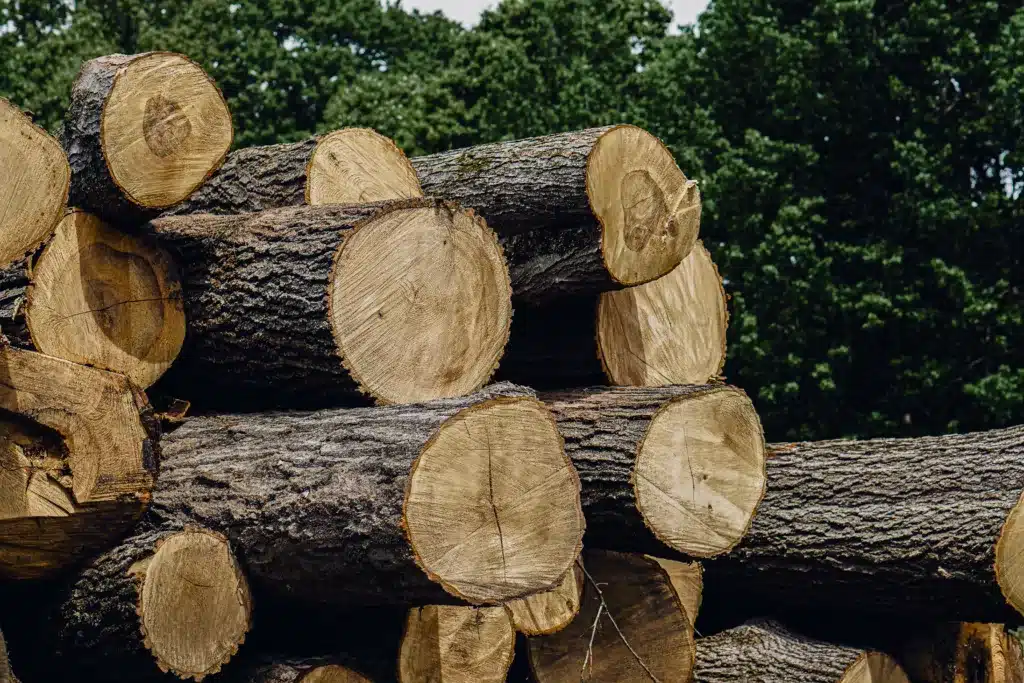
To continue building upon the benefits of utilizing specific woods in hugelkultur systems, consider the sustainable advantages of incorporating maple for long-term soil fertility and healthy plant development. Maple wood is an excellent choice for hugel beds due to its moderate decomposition rate and nutrient-rich content. The balanced mix of carbon and nitrogen in maple supports beneficial microbial activity in the soil, breaking down steadily and releasing nutrients gradually for sustained plant growth. The fibrous nature of maple wood enhances soil aeration and water retention within the log pile, promoting optimal growing conditions for plants. By incorporating maple into your hugelkultur system, you can create a nutrient-rich environment that fosters healthy plant development over the long term. Embracing maple as a foundational element in your hugel bed not only supports sustainable gardening practices but also contributes to the overall health and vitality of your garden ecosystem.
Sweetgum’s Role in Hugel Beds
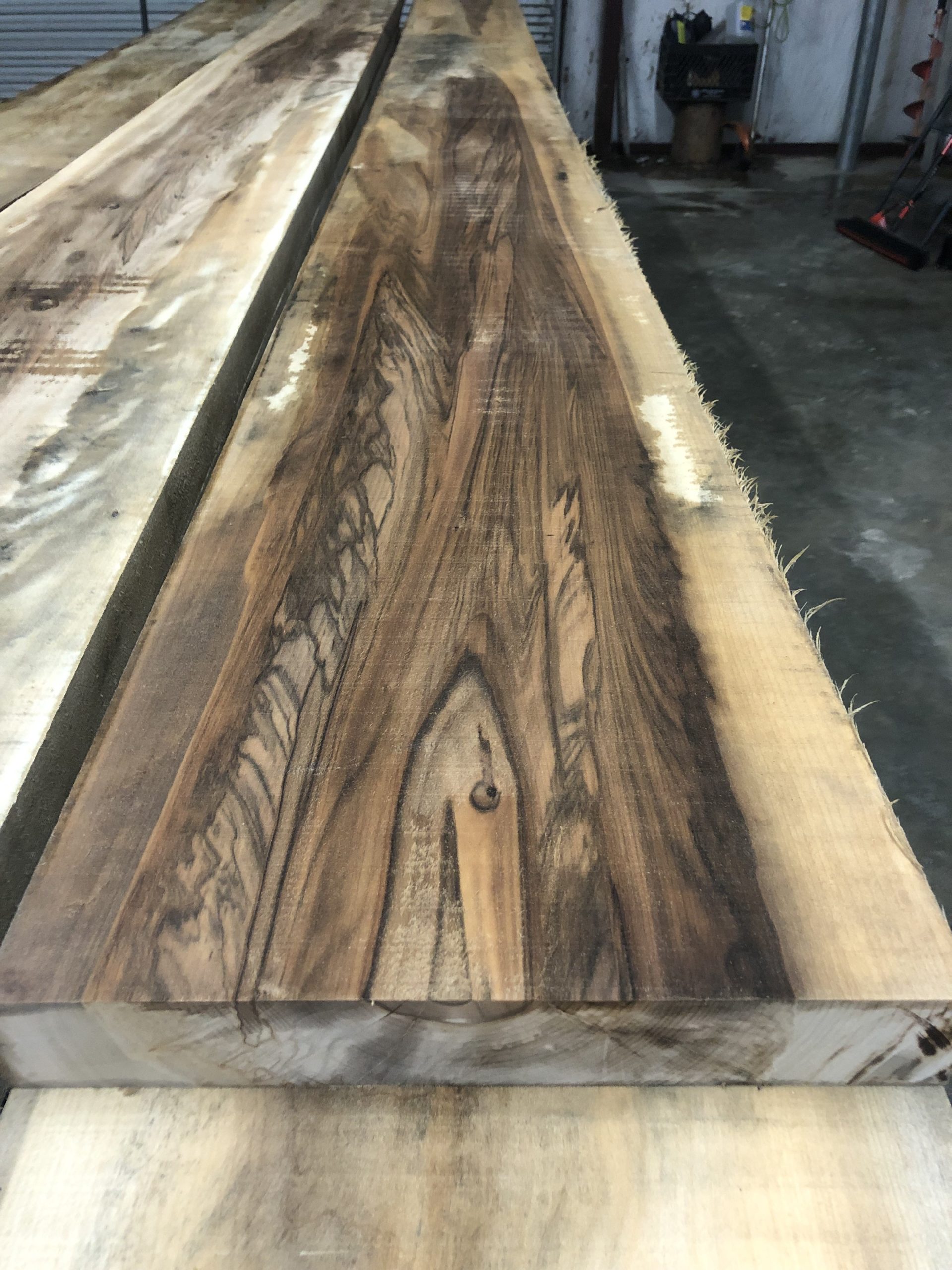
Consider sweetgum wood as a valuable resource for enhancing the sustainability and vitality of your hugel beds. Sweetgum wood’s moderate decomposition rate and nutrient contribution make it an ideal choice for raised beds. Here are three reasons why sweetgum plays a crucial role in creating a thriving hugel bed ecosystem:
- Structural Stability: Sweetgum wood provides a sturdy foundation within the raised bed, supporting plant growth and preventing soil erosion.
- Fungal Growth Support: The presence of sweetgum wood encourages the growth of beneficial fungi, aiding in nutrient absorption and plant health.
- Long-Term Nutrient Cycling: As the sweetgum wood slowly breaks down over time when buried, it releases nutrients into the soil, promoting sustainable soil enrichment and long-term plant growth.
Apple Wood: A Viable Option
Apple wood offers a sustainable and nutrient-rich alternative for enhancing the vitality of your hugel beds. When considering materials for your raised bed, fruit trees like apple wood stand out for their ability to provide a balanced decomposition rate, combining the durability of hardwood with the beneficial properties of softwood. As apple wood breaks down, it enriches the soil with essential nutrients, creating an optimal environment for plant growth in your hugelkultur garden. The moderate rotting speed of apple wood ensures a gradual release of nutrients over time, supporting a healthy soil ecology and promoting long-term sustainability in your gardening practices. By opting for apple wood in your hugel beds, you are not only choosing a versatile material but also contributing to the overall health and productivity of your garden. Embrace the benefits of apple wood and watch your plants thrive in this nutrient-rich environment.
Accessible Tree Species for Hugelkultur

Opt for readily available tree species like pine, oak, maple, sweetgum, and apple when constructing your hugelkultur beds for optimal sustainability and soil enrichment. These trees are accessible options that can enhance the health of your garden over time.
- Pine: Pine is a softwood species that decomposes relatively quickly in hugel beds, aiding in the breakdown process and enriching the soil efficiently.
- Oak: Oak, a hardwood species, decomposes at a slower rate compared to pine, providing long-term benefits for your hugelkultur bed’s soil structure and fertility.
- Maple: Maple trees offer a balanced decomposition rate, making them a versatile choice for incorporating into your hugelkultur beds alongside other wood varieties.