

Embark on a comprehensive journey through the 8 lemon tree growth stages from seed to harvest. Witness the germination stage where seeds break free, initiating the foundation for the lemon tree. Discover the crucial seedling growth phase, requiring specific care for healthy development and a strong root system. Unveil the vegetative growth period focusing on root system establishment and growth promotion through watering, sunlight, and pruning. Then, immerse yourself in the flowering phase, essential for fruit production, followed by fruit development with its transformative ovary-to-fruit process. The annual growth cycle awaits, leading to harvesting ripe, glossy lemons for optimal yield.
1. Germination Stage

Lemon seeds typically germinate within 5 to 7 days, showcasing tiny leaves as they begin to sprout. This marks the crucial germination stage in the lemon tree’s growth journey. During germination, the lemon seed breaks free from its shell, seeking refuge in moist soil. To successfully germinate, these seeds require warmth and moisture. The initial stage of growth is vital as it sets the foundation for the lemon tree’s development. Ensuring the soil is kept consistently moist and providing a warm environment will aid the lemon seeds in sprouting. This stage is where the magic begins, as the dormant seed starts its transformation into a thriving plant. Witnessing the tiny leaves emerging from the soil is a testament to the successful germination process. The lemon seed’s ability to transition from dormancy to growth in such a short period is truly remarkable.
2. Seedling Growth

During the seedling growth stage of a lemon tree, young plants require specific care to ensure healthy development. Lemon tree seeds sprout tiny leaves within 5 to 7 days of germination, signifying the start of their growth journey. Adequate water, sunlight, and eventual transplanting are crucial for their healthy growth. As seedlings progress, they develop green leaves, a sign of their increasing vitality. Providing proper care at this stage is essential for establishing a strong root system, which is foundational for robust growth later on. To support their development, seedlings should be transplanted to larger containers once they have several leaves, ensuring they have enough space to continue flourishing. By giving your young lemon tree the attention it needs during the seedling stage, you set the stage for a healthy and prosperous tree in the future.
3. Vegetative Growth
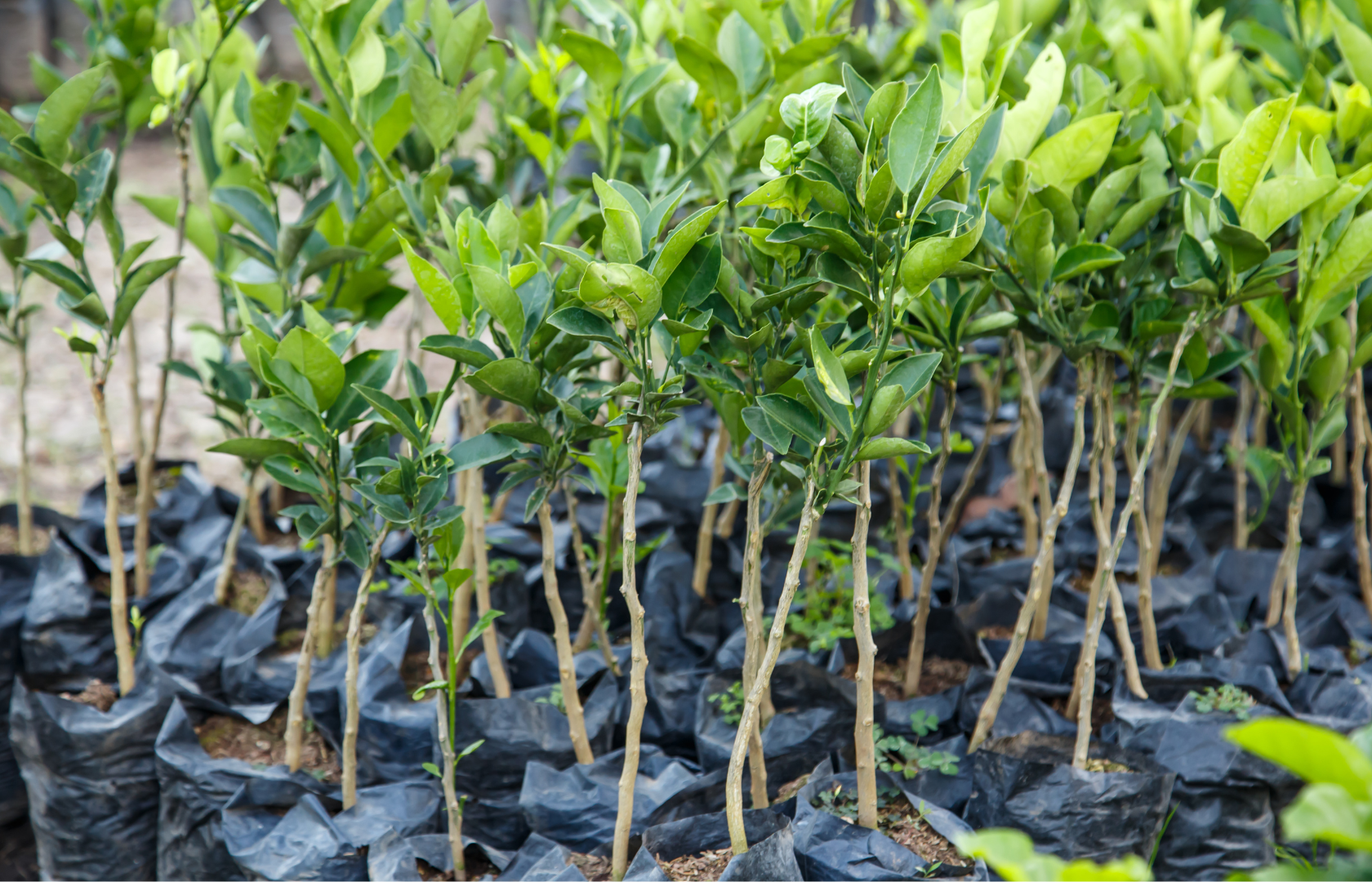
In the vegetative growth stage of a lemon tree, the focus is on establishing a robust root system and promoting the growth of stems, leaves, and branches. This stage is instrumental in laying the foundation for the tree’s future development and productivity. Adequate watering, sufficient sunlight exposure, and essential nutrients are crucial during this period to support healthy growth. Furthermore, implementing proper pruning techniques can help shape the tree and encourage optimal growth patterns. By ensuring the tree’s root system is well-established and the above-ground structures are flourishing, the lemon tree can effectively carry out photosynthesis, a vital process for its survival and productivity. Here is a table summarizing key aspects of the vegetative growth stage:
| Aspects | Importance |
|---|---|
| Root System | Establishes foundation |
| Above-ground Growth | Promotes stems, leaves, and branches |
| Watering | Essential for hydration |
| Sunlight | Vital for photosynthesis |
| Pruning | Shapes tree for optimal growth |
4. Flowering Phase

The transition to the flowering phase in a lemon tree marks a crucial stage in the tree’s reproductive cycle. Lemon tree flowers, known for their fragrant aroma, are key to fruit production. At this stage, pollinators are attracted to the flowers, aiding in the pollination process essential for healthy fruit production. The duration of the flowering phase can vary but typically occurs after 3-5 years of growth. Once pollinated, lemons take approximately 4-9 months to ripen, depending on various factors such as climate and care. Proper care during this phase is vital to ensure successful fruit development.
During the flowering phase, it is important to provide the necessary conditions for pollinators to thrive and carry out effective pollination. This includes ensuring the tree is well-watered and receiving adequate sunlight. Additionally, monitoring for any signs of pests or diseases that could affect the flowering process is crucial for optimal lemon tree growth.
5. Fruit Development

How does successful pollination initiate the process of fruit development in lemon trees? Fruit development in lemon trees begins with the transformation of the ovary into a fruit after successful pollination. This marks the start of the ripening process, which typically lasts between 4 to 9 months from the initial fruit formation. During this period, adequate watering and nutrient supply are crucial to support the growth and ripening of the lemons on the tree.
Monitoring the ripeness of lemons is essential for determining the optimal harvest timing. This can be done by assessing the firmness and color of the fruit. Mature lemon trees have the capacity to yield fruit for decades, providing a consistent source of vibrant yellow and zesty lemons. As the lemon tree enters the fruit development stage, it is important to pay close attention to the ripening process to ensure a successful lemon harvest and maximize the lemon tree yield.
6. Dormancy Period

Successful pollination initiates the dormancy period in lemon trees, a crucial phase characterized by slowed growth and energy conservation during the winter months. Reduced sunlight and temperature drops trigger this dormancy, signaling the tree to slow its metabolic processes and conserve resources. During this period, water intake decreases significantly as the tree enters a restful state. Winter care practices such as pruning and protection are essential to shield the tree from harsh weather conditions and ensure its survival through dormancy. Pruning helps remove dead or diseased branches, promoting overall tree health. Providing protection from frost or extreme cold can prevent damage to the tree. Proper winter care is vital to maintaining the health of lemon trees during dormancy, ensuring they are ready for vigorous growth in the spring when the conditions are optimal for renewed growth and fruit production.
7. Annual Growth Cycle
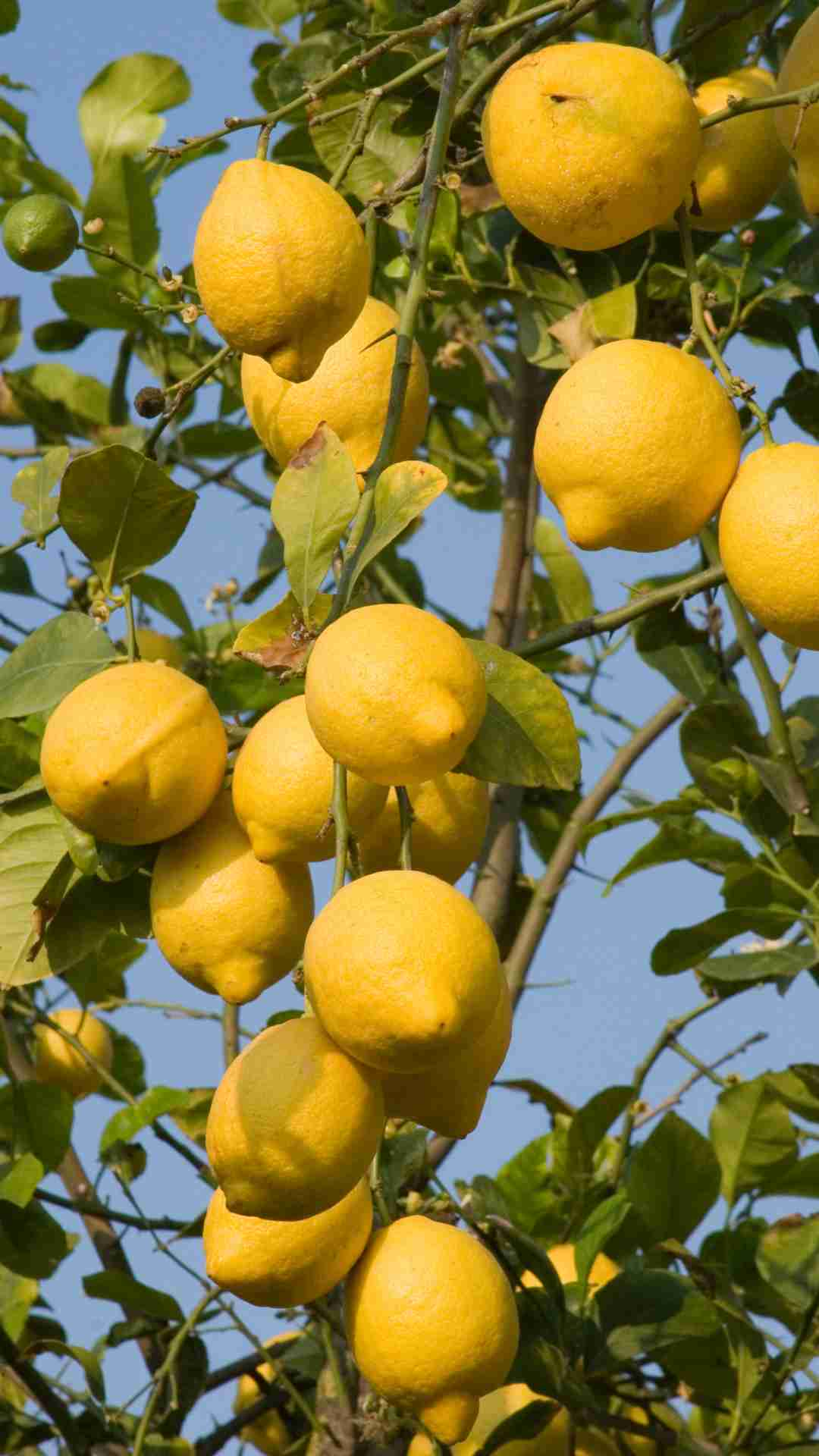
Throughout the year, lemon trees progress through distinct stages in their annual growth cycle, each crucial for the development of fruit-bearing branches. Understanding this cycle is essential for ensuring a bountiful harvest. Here are four key aspects of the lemon tree’s annual growth cycle:
- Flowering: Lemon trees bloom in spring, producing fragrant white flowers. These flowers are essential for pollination and the subsequent fruit set.
- Fruit Development: After successful pollination, small green lemons begin to form. Adequate sunlight and consistent watering are crucial during this stage to foster healthy fruit development.
- Ripening: As the lemons grow, they gradually change color from green to yellow. This process can take anywhere from 4 to 9 months, depending on the lemon variety and growing conditions.
- Fertilization: Regular fertilization throughout the growth cycle is vital to provide the necessary nutrients for healthy tree development and fruit production. Proper fertilization contributes to the maturation of lemons and ultimately, successful harvests.
8. Harvesting Lemons

When it comes to harvesting lemons, timing is crucial to ensure optimal fruit quality and yield. Ripe lemons are characterized by firm, glossy skin and typically measure 2 to 3 inches in size. Lemons require approximately 4 to 9 months to grow and ripen on the tree before they are ready for harvesting. It is important to handle the harvesting process with care to prevent any damage to the fruit.
After harvesting, there are various ways to make the most out of your lemons. Preserving lemons is a popular option and can be achieved by creating flavorful items such as limoncello, lemonade, or lemon curd. These preservation methods not only extend the use of your lemon harvest but also allow you to enjoy the fruits of your labor in different culinary delights. Remember, citrus trees, like lemon trees, have the capacity to produce fruit continually throughout their lifespan.