

Prevent mulch from blowing away by using these five proven methods. Apply a thick layer of mulch, 3 to 6 inches deep, to anchor it effectively and promote nutrient retention and weed suppression. Opt for natural materials like wood chips and leaves to enhance soil health and reduce mulch replacement. Implement edging or curbing to stabilize beds and maintain a neat appearance. Plant wind-barrier gardens strategically with dense foliage for optimal wind blockage. Consider using ground cover plants and mulch glue for extra stability in windy conditions. Upgrade your mulch retention strategy for long-lasting landscaping benefits.
Apply Thick Layer of Mulch
To prevent mulch from blowing away, ensure you apply a substantial layer, ideally 3 to 6 inches deep. This thicker layer of mulch serves as an anchor, reducing the chances of displacement and providing insulation for the soil.
The adequate mulch depth not only prevents blowing away but also promotes decomposition, aiding in nutrient retention and overall soil health. Additionally, a thicker layer of mulch plays a vital role in weed suppression, as it creates a barrier that inhibits weed growth.
Use Natural Materials

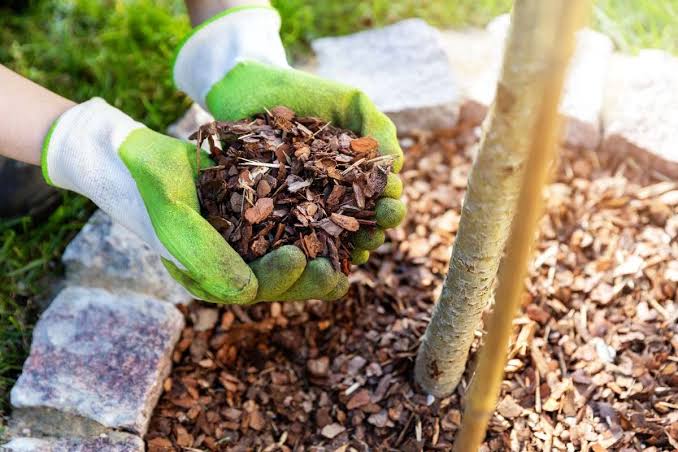
Consider incorporating natural materials such as wood chips, straw, and leaves for your mulching needs to enhance soil health and reduce the risk of mulch blowing away in windy conditions. When using natural materials, you’re choosing a sustainable option that benefits both your garden and the environment. Here are some reasons why using natural materials for mulching can be advantageous:
- Enhanced Soil Health: Natural materials like wood chips and leaves decompose slowly, enriching the soil with essential nutrients over time.
- Reduced Replacement Needs: Organic mulches made from natural materials tend to last longer, reducing the frequency of mulch replacement.
- Improved Moisture Retention: Wood-based mulches such as bark or chips help the soil retain moisture, promoting healthier plant growth.
- Stability in Harsh Conditions: Heavier natural mulch options stay in place better during inclement weather, ensuring your garden beds remain covered and protected.
Implement Edging or Curbing
Enhance the stability of your mulch beds by implementing edging or curbing to prevent mulch from blowing away. Installing edging creates a physical barrier that helps keep the mulch in place. Materials such as metal, plastic, or stone can be used for edging to define the edges of your mulch beds effectively. This prevents mulch from spilling over onto walkways or lawns, maintaining a neat appearance in your landscaping.
Edging serves to separate the mulch from surrounding areas, reducing the likelihood of displacement due to wind or foot traffic. By creating a defined border with edging, you can contain the mulch within the designated area, preventing it from blowing away during windy conditions.
Additionally, edging provides a clean and tidy look to your landscaping while offering practical benefits in mulch retention. Consider incorporating edging or curbing as a long-term solution to keep your mulch beds intact and visually appealing.
Plant Wind Barrier Garden
Implementing wind barriers such as dense shrubs or tall plants strategically around your garden can effectively shield your mulch from strong winds. These barriers not only prevent mulch from blowing away but also contribute to creating a more favorable microclimate for your plants.
Here are some key points to consider when establishing a plant wind barrier garden:
- Choose Wisely: Opt for plants with sturdy structures and dense foliage to maximize their effectiveness in blocking wind and protecting your mulch beds.
- Strategic Placement: Position your wind barriers in a way that provides the most coverage for your garden while still allowing for airflow and sunlight to reach your plants.
- Maintenance: Regularly trim and care for your wind barriers to ensure they remain healthy and robust in their wind-blocking capabilities.
- Aesthetic Appeal: Select plants that not only serve as functional wind barriers but also enhance the visual appeal of your garden, creating a harmonious outdoor space.
Consider Ground Cover and Mulch Glue
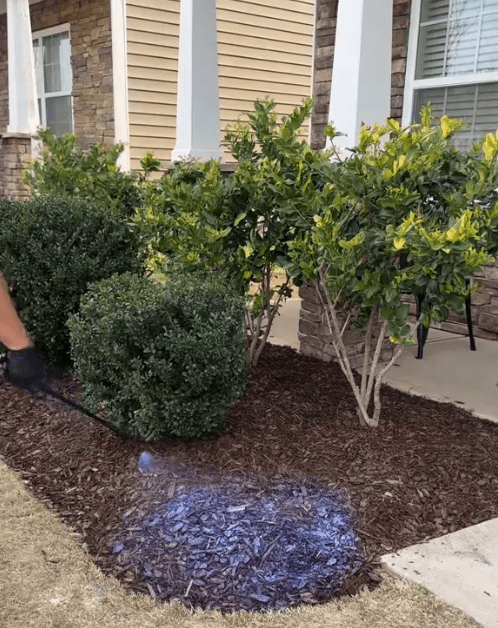
Using ground cover plants and mulch glue can be effective strategies in securing your mulch and preventing it from blowing away in windy conditions. Ground cover plants such as low-growing shrubs or spreading perennials serve as a natural way to anchor mulch, reducing the risk of displacement.
Additionally, applying mulch glue creates an adhesive layer that enhances mulch adhesion and stability during windy weather. Combining ground cover with mulch glue offers a dual approach to maintaining mulch in place and preventing erosion.
When selecting a mulch glue product, opt for a high-quality option to ensure better adhesion and mulch stability. These products vary in effectiveness, so choosing a reliable brand is crucial for long-lasting results.
Ground cover plants not only contribute to the aesthetic appeal of your garden but also play a functional role in securing mulch and preventing displacement. By utilizing both ground cover and mulch glue, you can enhance the effectiveness of your mulch retention strategy in windy conditions.
Conclusion
In conclusion, preventing mulch from blowing away can be achieved through various proven methods such as:
- Applying a thick layer of mulch
- Using natural materials
- Implementing edging or curbing
- Planting wind barrier gardens
- Considering ground cover and mulch glue
By taking these steps, you can keep your mulch in place and maintain a tidy and visually appealing landscape. Remember to regularly check and adjust your mulch as needed to ensure it stays put.