

In the summer, change hummingbird food every 1-2 days to prevent spoilage and maintain their health. High temperatures speed up nectar spoilage, and exposure to sunlight increases the risk of fermentation. Bacterial growth thrives in warm weather, leading to mold formation in stagnant nectar. Fresh nectar is vital for hummingbirds’ well-being, ensuring they stay healthy and energetic. By keeping their food source fresh, you help support their health and continue enjoying their presence in your surroundings.
Importance of Fresh Hummingbird Nectar
:max_bytes(150000):strip_icc()/hummingbird-nectar-recipe-6-6e0cd82522484da7829435fbba1f239c.jpg)
During the summer months, changing hummingbird food frequently is crucial for the health and well-being of these energetic birds. Hummingbirds rely on nectar as their primary source of energy, making fresh nectar essential. In hot summer weather, the rate of fermentation and spoilage of hummingbird food increases, emphasizing the need to change the nectar every 1-2 days. Spoiled nectar can be harmful to hummingbirds, causing digestive issues and potentially deterring them from returning to your feeder.
Regularly changing hummingbird food not only ensures a fresh and reliable food source for these beautiful birds but also plays a vital role in maintaining feeder cleanliness. Clean feeders are more attractive to hummingbirds, increasing the chances of them visiting your yard. By providing fresh nectar and preventing spoilage, you create an inviting environment that encourages hummingbirds to frequent your feeder, benefiting both the birds and your enjoyment of watching these tiny marvels of nature.
Daily Nectar Changes in Summer
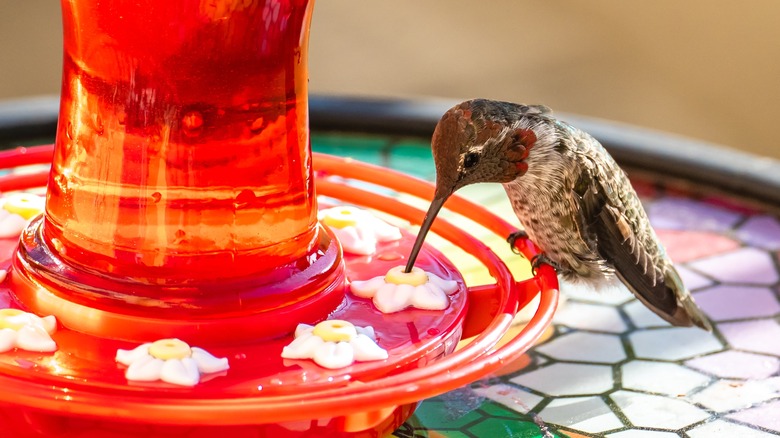
Frequent daily changes of hummingbird nectar in summer are essential to maintain freshness and prevent spoilage due to high temperatures and sunlight exposure. Hummingbirds depend on your feeders for their energy needs, making it crucial to provide them with a clean food source. Daily nectar changes in hot weather help prevent fermentation, bacterial growth, and mold formation, ensuring the nectar remains safe for the hummingbirds to consume.
To emphasize the importance of daily nectar changes in summer, consider the following table:
| Aspects to Consider | Effects on Nectar |
|---|---|
| High Temperatures | Accelerates spoiling process |
| Sunlight Exposure | Increases risk of fermentation |
| Bacterial Growth | Promoted in warm conditions |
| Mold Formation | Common in stagnant nectar |
| Hummingbird Health | Directly impacted by nectar quality |
Preventing Mold Growth in Nectar

To prevent mold growth in hummingbird nectar during the hot summer months, it is crucial to change the food every 1-2 days and clean feeders regularly with warm, soapy water. Mold in nectar can be harmful to hummingbirds, so ensuring the nectar is clear and free of any cloudiness is essential. Mold growth can occur rapidly in the heat, making frequent nectar changes and feeder cleanings imperative in maintaining a healthy feeding environment for these delicate birds.
Regularly changing the hummingbird food helps prevent the formation of mold, which can not only affect the nectar but also pose a risk to the hummingbirds’ health. By cleaning the feeders with warm, soapy water, you can effectively remove any potential mold buildup and maintain a hygienic feeding station for the birds. Remember, a proactive approach to keeping the nectar fresh and the feeders clean is key to preventing mold growth and ensuring the well-being of your hummingbird visitors.
Maintaining Feeder Cleanliness
Maintaining feeder cleanliness plays a vital role in preventing mold growth and ensuring the freshness of nectar for hummingbirds in the summer heat. To keep the nectar fresh and free from contamination, it is essential to regularly clean the feeder. In hot weather, the combination of high temperatures and sugar-rich nectar can lead to rapid fermentation and bacterial growth, making frequent changes crucial. Mold growth can occur when feeders are not cleaned regularly, posing a threat to the health of hummingbirds. Ensuring that the feeder is clean and free from debris is paramount in attracting these delicate birds and providing them with a safe feeding environment. Rinse the feeder with hot water and scrub it thoroughly to remove any buildup that could lead to spoilage. Additionally, keeping the feeding ports clean and unobstructed is key to facilitating easy access for hummingbirds and maintaining their well-being. Regular maintenance and cleanliness of feeders are essential practices for supporting the health and vitality of hummingbirds during the summer months.
Ensuring Hummingbird Health
Ensuring the health of hummingbirds during the summer months is crucial for their well-being and continued visitation to your feeder. To safeguard the health of these delicate creatures, follow these essential steps:
- Change your hummingbird nectar frequently: In hot weather, nectar can spoil rapidly, leading to fermentation. To prevent harm to the hummingbirds and maintain their attraction to your feeder, replace the nectar every 1-2 days.
- Make sure to use the right nectar recipe: Prepare the nectar using a solution of four parts hot water to one part white sugar or a mixture of one part brown sugar to four parts hot water. Avoid using honey, artificial sweeteners, or red food coloring, as these can be harmful to hummingbirds.
- Clean your hummingbird feeder regularly: Thoroughly clean the nectar feeder with hot water and a bottle brush every time you change the nectar. This practice helps prevent the growth of mold and bacteria, ensuring the hummingbirds have access to fresh and safe nectar.

Attractiveness to Hummingbirds
Attracting hummingbirds to your feeder relies heavily on the freshness of the nectar provided. Hummingbirds are naturally drawn to the sweet taste of sugar water, making the regular change of nectar a key factor in maintaining their interest. In the summer months, when temperatures are higher, the rate of spoilage increases, necessitating more frequent changes to uphold the nectar’s freshness. Spoiled nectar not only repels hummingbirds but can also harm their health and disrupt their feeding patterns. By consistently changing the nectar every 1-2 days and keeping feeders clean, you ensure a continuous attraction of hummingbirds to your feeding station. This maintenance routine establishes your feeder as a reliable food source for these delightful creatures during the summer season, creating a welcoming environment for their visits and enhancing your opportunities to observe these fascinating birds up close.
Summer Feeding Best Practices
To optimize the feeding process for hummingbirds during the summer months, it is imperative to adopt specific strategies that address the challenges posed by high temperatures and rapid nectar spoilage. Here are three summer feeding best practices to ensure your hummingbird feeders attract and support these delicate creatures effectively:
- Frequent Nectar Changes: In hot weather, nectar can spoil quickly. Change the hummingbird food every 1-2 days to prevent fermentation and bacterial growth, maintaining freshness for the birds.
- Regular Feeder Cleaning: Rinse feeders with hot water and clean feeding ports regularly to prevent mold and bacterial buildup. This practice helps ensure the nectar remains fresh and safe for consumption.
- Strategic Feeder Placement: Shield feeders from direct sunlight and heat to slow down the spoiling process. Placing feeders in shaded areas can help maintain nectar quality for a longer duration, attracting more hummingbirds to your yard.