

If you’ve noticed tiny holes in your cucumbers, pests like slugs, cucumber beetles, and caterpillars are likely the cause. These critters can harm your plants and impact growth. Slug bait can deter slugs, while handpicking and row covers help combat cucumber beetles. Preventing holes with row covers can shield your plants from pests. Regular inspection and using natural repellents like neem oil are key. Effective pest management is crucial for healthy cucumber growth. Mastering pest control techniques is essential for your garden’s well-being. Further information on strategies for hole prevention and enhancing your crop awaits.
Common Pests That Cause Holes

Slugs in the Pacific Northwest are notorious for drilling holes in cucumbers, leading to significant damage in crop yields. Alongside slugs, cucumber beetles pose a significant threat to cucumber plants in the region. These damaging pests not only affect cucumbers but also target melons, pumpkins, and squash by feeding on foliage, flowers, and fruit. Cucumber beetles can cause extensive damage to crops, affecting both the quantity and quality of the produce.
To combat the impact of cucumber beetles, farmers can employ various strategies. Handpicking these pests, using row covers to protect plants, and encouraging natural predators like ladybugs can help control cucumber beetle populations and minimize the damage they cause to cucumber plants. By implementing these proactive measures, farmers can protect their crops and ensure healthier yields.
Understanding the behavior and impact of cucumber beetles is crucial in developing effective pest management strategies for cucumber crops in the Pacific Northwest. By addressing the threat posed by these pests, farmers can safeguard their cucumber plants and optimize crop production.
Caterpillars and Their Impact
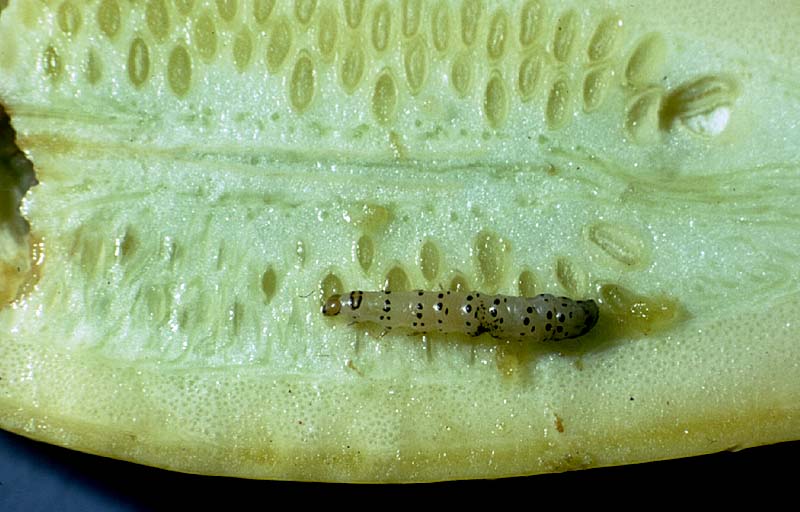
Pickleworms, a type of caterpillar, tunnel into cucumbers, causing visible holes and damage to the fruit. These caterpillars, particularly pickleworm larvae, have the ability to bore into the fruit, rendering it inedible. Infestations of caterpillars like pickleworms can result in substantial crop losses if not properly managed. To mitigate the impact of caterpillars on cucumber plants, early detection and preventive measures are essential. Implementing strategies such as insecticide treatments or natural controls can effectively reduce the damage caused by caterpillars, safeguarding the cucumber crop. By addressing caterpillar infestations promptly and employing appropriate control methods, you can protect your cucumber plants from significant harm and ensure a healthy yield. Stay vigilant for any signs of caterpillar damage, as swift action is key to preserving the quality and productivity of your cucumber harvest.
Slug Infestations in Cucumbers

In the Pacific Northwest, cucumber plants are frequently plagued by slug infestations that lead to significant damage and reduced crop yields. Slugs in this region are known for drilling holes in cucumbers, targeting both green and ripe fruits with their voracious appetites. To combat this issue, utilizing slug bait can serve as an effective deterrent, preventing slugs from damaging cucumber plants and helping to safeguard crop quality.
Implementing proactive measures like using slug bait is crucial in managing slug populations and protecting cucumber crops from extensive harm. Regular monitoring for slug activity and applying control methods can aid in preventing infestations and preserving the health of cucumber plants. By incorporating slug bait into your gardening routine, you can reduce the risk of slug-related damage and ensure a healthier cucumber harvest. Remember, staying vigilant and proactive against slug infestations is key to maintaining the integrity of your cucumber crop.
Beetles: Culprits of Cucumber Holes
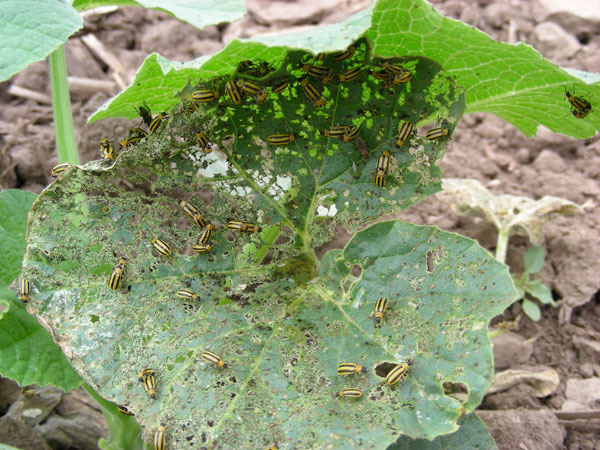
As cucumber plants in the Pacific Northwest face the challenge of slug infestations, another significant threat to their health and yield arises from cucumber beetles, notorious culprits known for causing holes in cucumber fruits. Cucumber beetles are damaging pests that feed on cucumber foliage, flowers, and fruit, causing scarring and transmitting bacterial wilt. Various species of cucumber beetles exist, each with distinct physical characteristics and behaviors. To control cucumber beetle populations in gardens, consider implementing strategies such as handpicking, using row covers, and encouraging natural predators. Additionally, chemical pesticides like Neem oil and Pyrethrin can be effective options for managing cucumber beetles. Identifying and addressing cucumber beetle infestations early is crucial to protect cucumber plants from damage, safeguarding both the current yield and the long-term health of the crop.
Preventing Holes With Row Covers
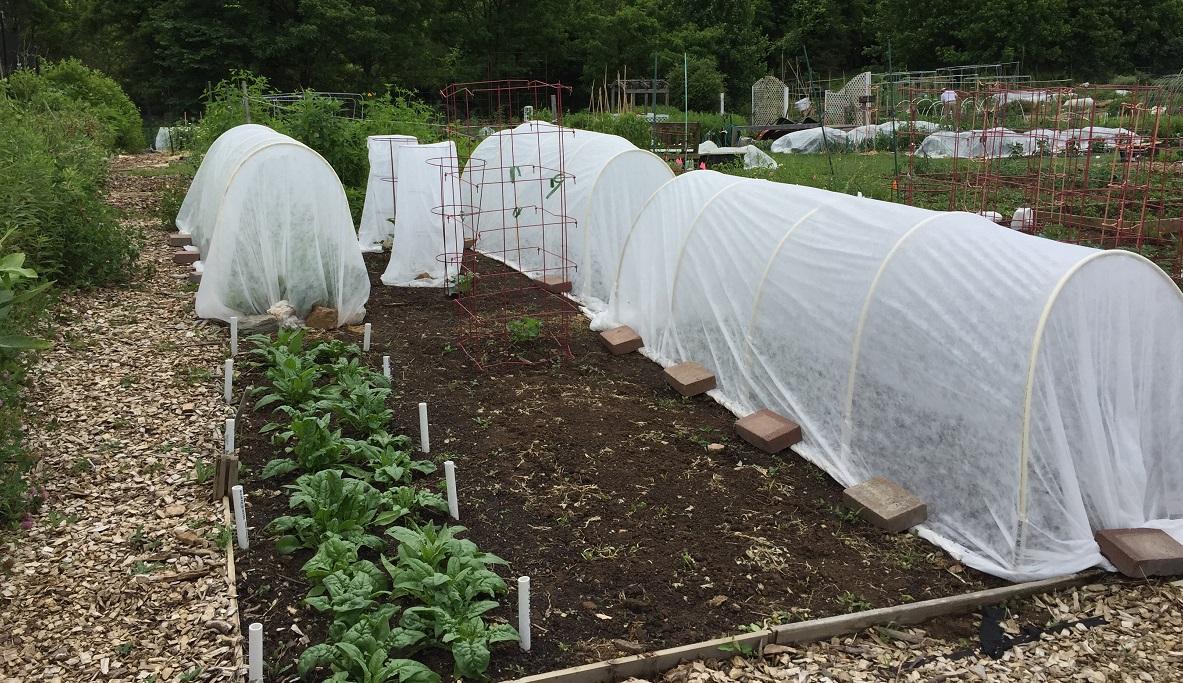
Utilizing row covers is a practical and effective method to prevent pests from causing holes in cucumber plants. These covers serve as physical barriers, blocking out pests like pickleworms and cucumber beetles that can damage the plants. Being lightweight and breathable, row covers allow essential elements like sunlight, air, and water to reach the cucumber plants while keeping harmful insects at bay.
For optimal protection, it is crucial to apply row covers early in the growing season, especially during the vulnerable stages of cucumber growth. By utilizing row covers, gardeners can reduce the reliance on chemical pesticides, creating a healthier and more pest-resistant environment for their cucumber crops.
Regular monitoring and maintenance of row covers are essential to ensure they remain securely in place and effective in safeguarding cucumber plants. This proactive approach can significantly contribute to preventing holes in cucumbers caused by pest infestations.
Importance of Garden Hygiene
Proper maintenance of garden hygiene plays a crucial role in safeguarding cucumber plants against pests and diseases. By following good garden hygiene practices, you can significantly reduce the risk of fungal and bacterial infections on your cucumber plants. Here’s why garden hygiene is essential:
- Preventing Pest and Disease Buildup: Removing plant debris, weeds, and fallen fruits helps eliminate hiding spots for pests and reduces the chances of diseases spreading.
- Tool Sanitization: Regularly cleaning and sanitizing your gardening tools is vital to prevent the transmission of diseases between plants, ensuring a healthy growing environment.
- Deterring Pests: Keeping your garden clean and free of debris can discourage pests like slugs and snails from infesting your cucumber plants, protecting your crop from damage.
Maintaining garden hygiene is a proactive approach to promoting plant health and enhancing the overall success of your cucumber harvest.
Signs of Infestation to Watch
To identify potential pest infestations on your cucumber plants, observe for specific signs such as small holes or tunnels in the cucumber skin, presence of frass near these openings, slime trails from slugs or snails, cucumber beetles feeding on foliage and flowers, and damage caused by pickleworm larvae tunneling into the cucumbers. Small holes or tunnels in the cucumber skin are indicative of pest activity, with frass nearby confirming an infestation. Slime trails on the plants signal the presence of slugs or snails, which can also harm your crop. Keep a watchful eye for cucumber beetles munching on the foliage and flowers, as they can cause significant damage if left unchecked. Furthermore, inspect for damage caused by pickleworm larvae tunneling into the cucumbers, leading to internal harm. By being vigilant and recognizing these signs, you can take prompt action to protect your cucumber plants from these pests, ensuring a healthy and bountiful harvest.
Natural Predators for Pest Control
Ladybugs, lacewings, hoverflies, parasitic wasps, and praying mantises are effective natural predators for controlling pests in your cucumber plants. By attracting these beneficial insects to your garden through companion planting strategies and providing organic pest repellents, you can create a balanced ecosystem that helps protect your cucumbers from infestations. Understanding the role of these predators and implementing proactive measures can significantly reduce the need for chemical interventions and promote a healthier garden environment.
Beneficial Insects for Cucumbers
Beneficial insects play a crucial role in naturally controlling pests that can damage cucumber plants, with predators like lacewings, hoverflies, and parasitic wasps targeting specific pests to maintain plant health. These insects act as natural pest control agents by preying on harmful pests like aphids, cucumber beetles, and other destructive insects. Ladybugs, for example, are known to feed on aphids, thrips, and mites, helping to keep these pests in check. Lacewings are effective at consuming cucumber beetle eggs and larvae, reducing their populations and safeguarding cucumber plants. Hoverflies also play a significant role by feeding on aphids and other soft-bodied insects that pose a threat to cucumber plants. Additionally, parasitic wasps are valuable allies in pest management as they lay eggs inside cucumber beetle larvae, pickleworms, and other pests, ultimately leading to their demise.
- Ladybugs prey on aphids, thrips, and mites.
- Lacewings consume cucumber beetle eggs and larvae.
- Hoverflies feed on aphids and other soft-bodied insects.
Companion Planting Strategies
Several companion planting strategies can effectively attract natural predators for pest control in cucumber crops. Marigolds, known for their strong scent, can help deter cucumber beetles and other pests when planted alongside cucumbers. Dill is another beneficial companion plant as it attracts insects like ladybugs and lacewings that feed on cucumber beetle larvae. Nasturtiums, with their ability to repel cucumber beetles and squash bugs, are also recommended for interplanting with cucumbers. Additionally, radishes can be interplanted with cucumbers to confuse cucumber beetles, reducing the damage they cause. Basil is another useful companion plant that helps deter pests like aphids and spider mites, ultimately promoting a healthier cucumber crop. By strategically utilizing these companion planting techniques, you can create a more balanced ecosystem in your cucumber garden, attracting beneficial insects that naturally control pest populations.
Organic Pest Repellents
The utilization of natural predators as organic pest repellents plays a crucial role in maintaining a balanced ecosystem and controlling common cucumber pests. When considering pest control in your cucumber garden, introducing beneficial insects can be an effective and environmentally friendly solution. Here are some natural predators that can help protect your cucumber plants:
- Ladybugs: These helpful insects feed on aphids, spider mites, and other pests that commonly infest cucumber plants, keeping their populations in check.
- Lacewings: Beneficial lacewings prey on aphids, caterpillars, and other harmful pests, offering a natural and sustainable method of pest control in your garden.
- Praying Mantises: Known for their voracious appetite, praying mantises target a wide range of garden pests, including cucumber beetles and caterpillars, helping to protect your cucumber crop without the need for harmful chemicals.
Organic Pest Control Methods
When tackling organic pest control in your cucumber garden, remember that natural predators and companion planting can play crucial roles in managing pests effectively. By encouraging beneficial insects and planting pest-repelling companions, you can create a more balanced ecosystem that naturally reduces pest populations. Understanding the interplay between these elements is key to implementing successful organic pest control methods.
Natural Predators for Pests
Utilizing natural predators for pest control is an effective and environmentally friendly method to manage unwanted insects in your garden. These natural predators play a crucial role in maintaining a balanced ecosystem by preying on common garden pests. Here are some beneficial predators to consider introducing to your garden:
- Ladybugs: These charming insects are voracious aphid-eaters, helping to keep aphid populations in check without the need for harmful chemicals.
- Lacewings: With a diverse diet that includes mites, aphids, and caterpillars, lacewings are valuable allies in the fight against garden pests.
- Parasitic wasps: These tiny wasps lay their eggs inside pest insects like caterpillars, eventually leading to the demise of the host and a reduction in pest numbers.
Companion Planting Benefits
Introducing companion planting benefits as a strategic approach to organic pest control methods can significantly enhance the health and productivity of your garden. Companion planting involves strategically pairing plants that provide mutual benefits to each other, such as deterring pests or attracting beneficial insects. Specific companion plants like marigolds, nasturtiums, and basil are known to repel pests that often cause holes in cucumbers. For instance, planting dill near cucumbers can attract beneficial insects like ladybugs and lacewings, which prey on common cucumber pests. Additionally, interplanting cucumbers with radishes can confuse and deter pests like cucumber beetles and pickleworms, reducing the likelihood of hole formation in cucumbers.
Managing Pest Populations Effectively
To effectively manage pest populations on cucumber plants, implementing a combination of natural controls, insecticides, and row covers is essential for preventing damage caused by pickleworms, cucumber beetles, and slugs. Early detection and prevention play a vital role in addressing infestations before they escalate. Here are some strategies to help you tackle these troublesome pests:
- Natural Controls: Introduce beneficial insects like ladybugs or lacewings that feed on pest larvae. Planting companion plants like marigolds can also deter pests due to their strong scent.
- Insecticides: Use organic insecticides such as neem oil or diatomaceous earth to target cucumber beetles and pickleworms effectively. Always follow the instructions carefully to ensure safe application.
- Row Covers: Covering your cucumber plants with row covers can act as a physical barrier, preventing pests like pickleworms and cucumber beetles from reaching the plants.
Impact of Holes on Cucumber Growth
The presence of holes in cucumbers can significantly impact their growth and overall health, potentially leading to reduced yield and quality. Pest infestations causing these holes not only weaken cucumber plants but also make them more susceptible to diseases and spoilage. When cucumber plants are infested by damaging insects like pickleworms or cucumber beetles, they create holes in the cucumbers as they feed on the foliage and fruits. These holes not only affect the aesthetic appeal of the cucumbers but also disrupt the plant’s ability to photosynthesize efficiently, reducing its growth potential. Additionally, the wounds created by these pests provide entry points for pathogens, increasing the risk of infections that can further harm the plant. Therefore, proper pest management practices are essential to prevent holes, protect cucumber plants from damage, and ensure healthy growth and development. By addressing pest infestations effectively, you can safeguard your cucumbers and promote optimal productivity in your garden.
Maintaining Fruit Quality
Maintaining fruit quality in cucumbers is key to ensuring a bountiful harvest and maximizing the overall productivity of your garden. To achieve this, it is essential to follow specific guidelines:
- Monitor and Remove Damaged Fruit: Regularly inspect your cucumber plants for any signs of damage, such as holes or rot. Promptly remove any affected fruit to prevent further spread of pests or diseases.
- Implement Pest Control Measures: Utilize slug baits, row covers, and natural predators to deter common cucumber pests like cucumber beetles and pickleworms. Early detection and intervention can help safeguard your cucumber plants from holes.
- Adopt Good Gardening Practices: Maintain a clean garden by weeding regularly and practicing proper sanitation. Additionally, consider selecting cucumber varieties that are resistant to common pests and diseases to ensure the quality of your fruit remains high.
Solutions for Hole Prevention
To prevent holes in cucumbers, ensure you water your plants properly, as over or under-watering can lead to stress and susceptibility to pests. Utilize natural pest repellents like neem oil or diatomaceous earth to deter common cucumber pests without resorting to harsh chemicals. Rotate your crops annually to disrupt pest and disease cycles, promoting healthier cucumber plants and reducing the likelihood of hole formation.
Proper Watering Techniques
Consistently providing cucumbers with the right amount of water is crucial in preventing hollow fruits. Proper watering techniques play a significant role in ensuring the health and quality of your cucumber crop. Here are some key strategies to help you maintain optimal soil moisture levels and prevent hole development in cucumbers:
- Avoid Overwatering: Excess water can lead to waterlogged soil, creating conditions that are favorable for hole formation in cucumber fruits.
- Deep Watering During Dry Periods: Providing a deep soak to your cucumber plants during dry spells helps them develop strong root systems and reduces the risk of fruit damage.
- Mulch Application: Mulching around cucumber plants helps retain soil moisture, preventing fluctuations that could contribute to the development of holes in the fruits.
Natural Pest Repellents
Implementing natural pest repellents is a proactive approach to preventing holes in cucumbers caused by insect damage. Neem oil, known for its insecticidal properties, can be an effective natural solution to deter pests from damaging cucumber plants. By applying neem oil regularly on cucumber leaves, you create a protective barrier that repels insects like aphids, mites, and beetles that may create holes in the fruit. Additionally, using garlic spray as a natural repellent can also help in keeping pests at bay. Planting companion plants such as marigolds and basil around cucumber crops can further aid in repelling insects that cause damage.
Introducing beneficial insects like ladybugs and lacewings to your garden is another eco-friendly method to control pest populations naturally and prevent holes in cucumbers. Moreover, applying diatomaceous earth around cucumber plants acts as a physical barrier against pests, reducing the likelihood of hole formation. Utilizing row covers and netting can also be effective in preventing insects like cucumber beetles and pickleworms from accessing cucumber plants and causing damage. By incorporating these natural pest repellents, you can safeguard your cucumber crop from hole-inducing insects effectively.
Crop Rotation Benefits
Crop rotation benefits play a crucial role in preventing holes in cucumbers by disrupting pest cycles and reducing soil-borne diseases. By implementing a strategic crop rotation plan, you can effectively protect your cucumber plants from common pests and diseases. Here’s why crop rotation is beneficial:
- Diversification: Planting different crops in the same area each season helps break the life cycles of pests specific to cucumbers, reducing their populations over time.
- Soil Health: Rotating cucumbers with crops like beans, corn, or lettuce can improve soil quality, making it less hospitable for pests and diseases that target cucumbers.
- Nutrient Enhancement: Proper crop rotation enhances nutrient availability in the soil, promoting overall plant health and vigorous cucumber growth.
Inspecting Plants Regularly
Regularly checking cucumber plants for signs of pest damage, such as holes, is crucial for early detection and effective pest management. Through close observation, you can identify common culprits like pickleworms, cucumber beetles, or slugs that may be causing holes in your cucumbers. Early detection, made possible by consistent inspections, allows you to take prompt action to prevent further damage to your crop. By monitoring your plants for holes and other damage on a regular basis, you can assess the extent of the pest infestation and determine the most appropriate course of action. This proactive approach not only helps in maintaining the health and productivity of your cucumber plants but also enables you to implement targeted interventions if pest issues are detected. Remember, a vigilant eye and a routine inspection schedule are key to safeguarding your cucumber crop from potential pest-related threats.
Effective Pest Management Techniques
Utilizing effective pest management techniques is essential for safeguarding cucumber plants from damage caused by common pests like pickleworms, cucumber beetles, and slugs. To effectively manage these pests, consider the following strategies:
- Slug Control: In regions like the Pacific Northwest, using slug bait can be highly effective in deterring slugs from harming cucumber plants.
- Cucumber Beetle Management: Employ methods such as handpicking, row covers, and encouraging natural predators to control cucumber beetle populations effectively.
- Pickleworm Infestation: To combat pickleworm infestations, early planting and treatments like Bacillus thuringiensis can be beneficial in managing these pests in cucumbers.
Additionally, incorporating diatomaceous earth and targeting slugs and snails during their active feeding hours can help control these pests from munching on cucumber plants. Remember, promptly removing damaged fruit and resorting to insecticide applications when infestations are severe are crucial steps in effectively managing pickleworms in cucumbers.