

For a huge jalapeño harvest in pots, start by selecting compact varieties like Dwarf Jalapeño. Use containers with at least 12-inch diameter and drainage holes. Plant in well-draining potting mix and ensure adequate sunlight. Enhance soil drainage with perlite and opt for pH 6.0-6.8. Water when the top soil is dry, fertilize after 6 weeks, and prune for new growth. Harvest firm, green peppers and store properly. Following these steps will lead to a fruitful harvest and robust jalapeño plants.
1. Selecting Jalapeño Varieties
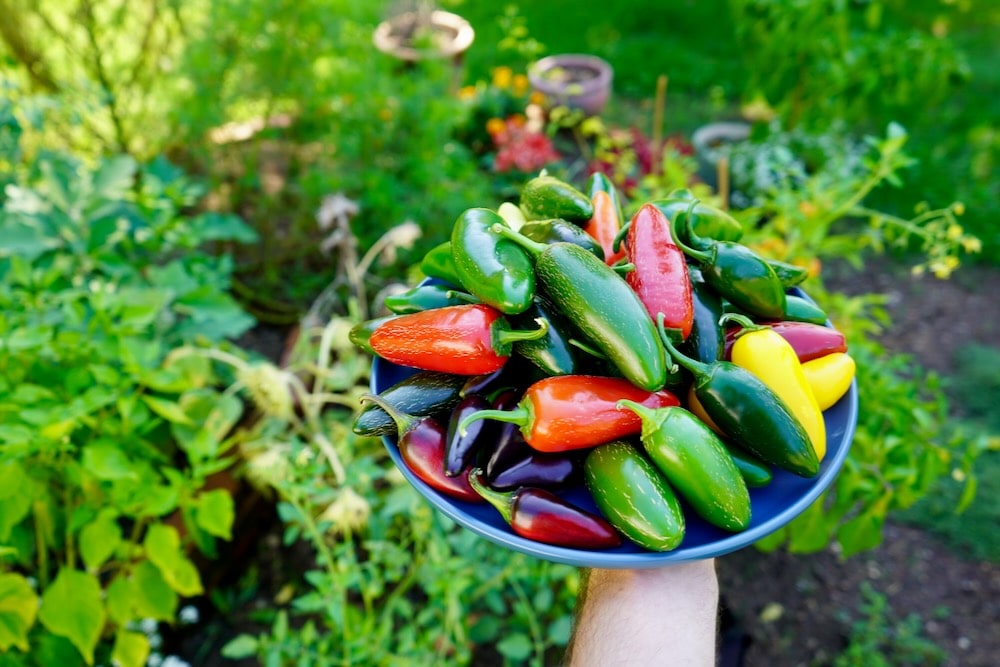
When choosing jalapeño varieties for container gardening, opt for compact options like Dwarf Jalapeño to maximize space efficiency and yield potential. These jalapeños are perfect for small pots and limited spaces. Consider other varieties such as Early Jalapeño, Mucho Nacho, or El Jefe for your container garden. Choose unique options like Purple Jalapeños or Biker Billy to add color and distinct flavors to your harvest.
Select jalapeño varieties based on your heat level preference, whether you prefer mild or hot peppers. For better plant health in pots, look for disease-resistant varieties like Tam Jalapeño. Ensure your plants receive adequate water, especially during hot weather, but be cautious not to overwater as jalapeños prefer well-draining soil. By carefully selecting the right jalapeño varieties for your container garden, you can enjoy a bountiful harvest of flavorful peppers.
2 Choosing Suitable Containers
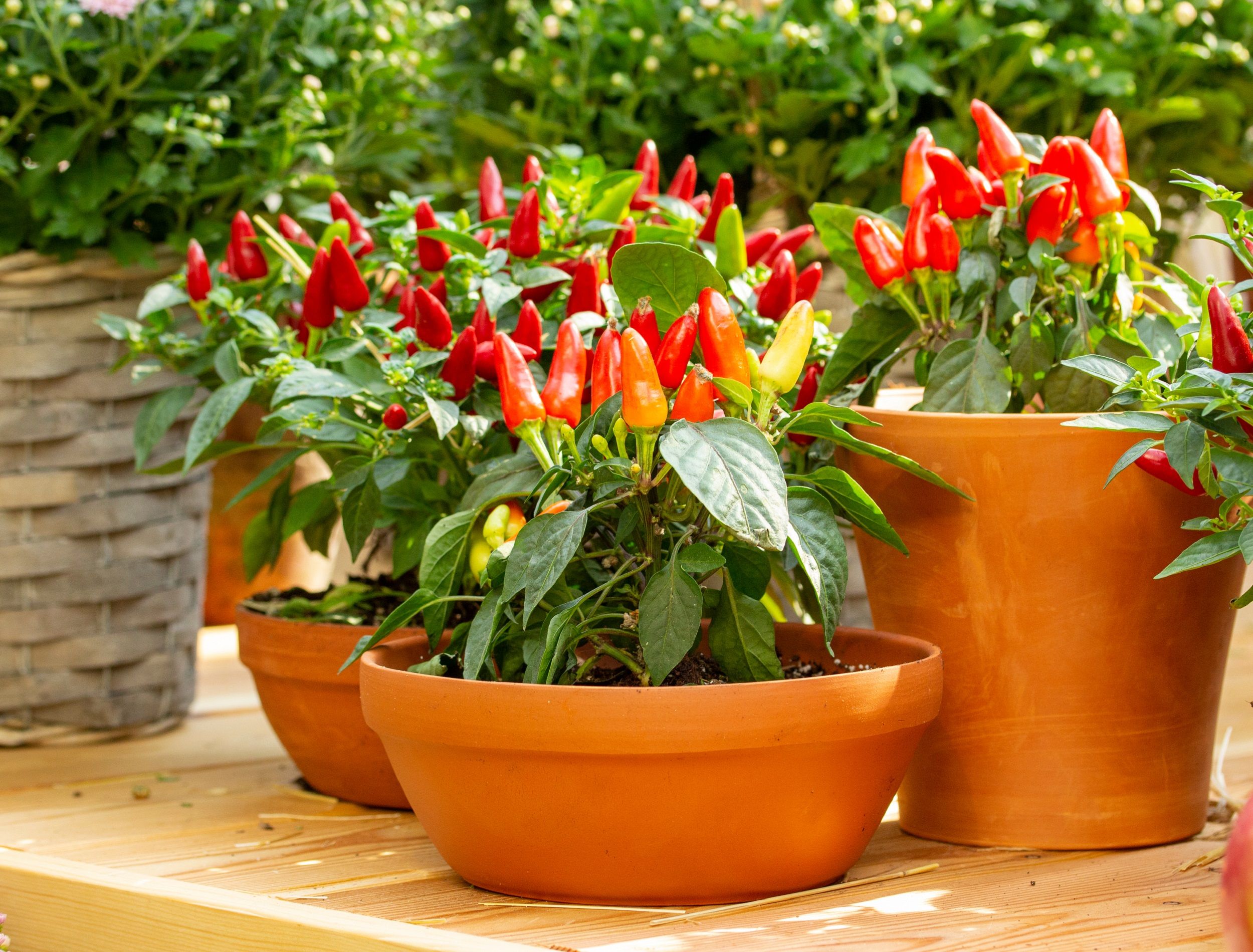
When selecting containers for growing jalapeños, opt for ones with a minimum diameter of 12 inches to allow ample room for root expansion. Ensure the pots have drainage holes to prevent water accumulation, which can lead to root rot. Consider the material of the containers, such as plastic for moisture retention or terracotta for enhanced air circulation around the roots.
Container Size
Select containers with a diameter of at least 12 inches to ensure sufficient space for jalapeños roots to expand and thrive. Proper container size is critical for the successful growth of jalapeños in pots. Larger containers like 5-gallon pots are ideal for accommodating mature jalapeño plants. When choosing pots, opt for those with drainage holes to prevent waterlogging and root rot. Consider the material of the container; plastic containers retain moisture well, while terracotta pots offer better breathability for the roots. Below is a table summarizing the key points for selecting the right container size for growing jalapeños in pots:
| Aspect | Recommendation |
|---|---|
| Diameter | At least 12 inches |
| Drainage | Pots with drainage holes |
| Material | Plastic for moisture retention, terracotta for breathability |
| Container Size | Larger containers like 5-gallon pots |
| Importance | Crucial for successful jalapeño growth |
Drainage Considerations
To ensure proper drainage for your jalapeños, consider the container’s design and material composition. Select pots with drainage holes to prevent waterlogging, which can lead to root rot in your plants. It’s crucial to choose containers that are at least 12 inches in diameter to allow sufficient space for the roots to grow and develop properly. Depending on your watering habits and the environment, opt for plastic or terracotta pots. Plastic containers are lightweight and retain moisture well, while terracotta pots are porous, allowing for better airflow to the roots. Good drainage is essential for maintaining optimal soil moisture levels and preventing issues such as fungal diseases. Elevating your pots on pot feet or bricks can help improve drainage by ensuring excess water can escape freely. By paying attention to these drainage considerations when selecting your containers, you can promote healthier jalapeño plants and maximize your harvest.
3. Planting and Germination Process
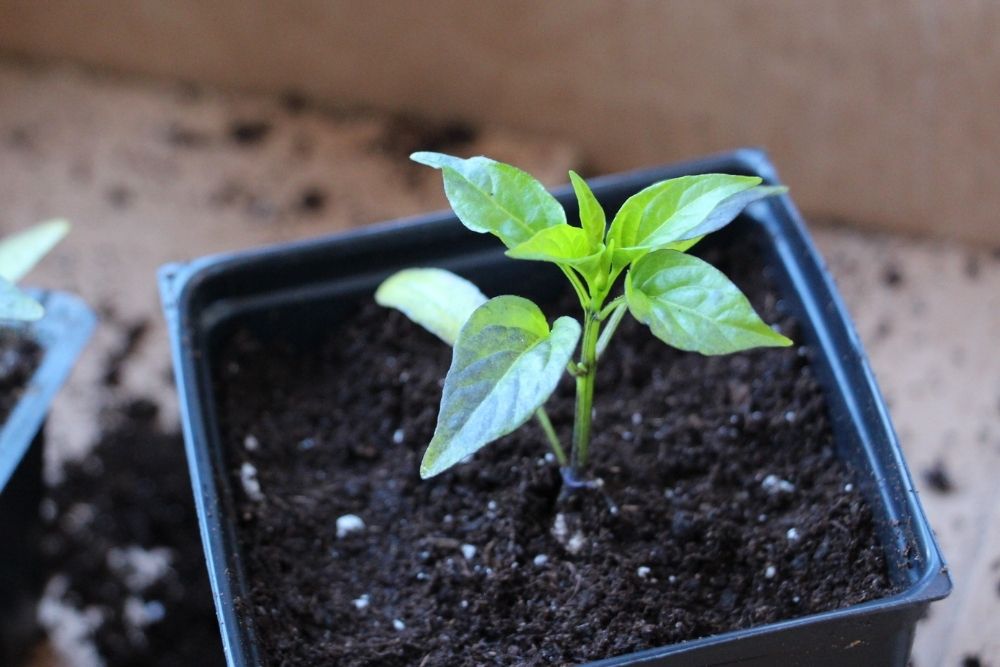
To begin the planting and germination process of growing jalapeños in pots, start by selecting well-draining potting mix and a 4-5 gallon pot with drainage holes. Soak the seeds in lukewarm water before planting them about 1/4 inch deep, ensuring optimal germination within approximately 14 days. Consider using a heated propagator to maintain ideal temperatures and place the pots in a sunny location with 6-8 hours of sunlight daily for healthy plant development.
Soil and Container Selection
For optimal growth of jalapeños in pots, it is crucial to choose a well-draining potting mix containing perlite. Select a container size of at least 12 inches in diameter to provide ample space for the plant’s roots to expand and thrive. Ensure the container has drainage holes to prevent waterlogging, which can lead to root rot in jalapeño plants. When deciding on the type of container, consider using plastic containers for better moisture retention or terracotta pots for improved breathability. Enhance the soil by incorporating organic matter like compost to provide essential nutrients for healthy jalapeño growth. The perlite in the potting mix aids in drainage, preventing the soil from becoming waterlogged and reducing the risk of root diseases. By choosing the right container size, material, and soil components, you create an optimal environment for your jalapeño plants to flourish and produce a bountiful harvest.
Watering and Light Requirements
Ensure that jalapeño plants are exposed to 6-8 hours of direct sunlight daily to promote optimal growth during the planting and germination process. Water deeply when the top inch of soil is dry to prevent overwatering, ensuring consistent moisture levels for successful germination and plant development. It is crucial to use a well-draining potting mix to prevent waterlogging and root rot in potted jalapeño plants. For indoor jalapeño plants, consider supplementing natural sunlight with grow lights to meet their light requirements adequately.
Proper watering and adequate sunlight are essential for the healthy growth of jalapeño plants. By following these guidelines, you can create an environment that supports the plants’ development, from germination to harvest. Remember to monitor the soil moisture regularly and adjust your watering schedule accordingly to prevent issues like overwatering or underwatering. With the right care, your potted jalapeño plants will thrive and reward you with a bountiful harvest.
4. Proper Soil Preparation
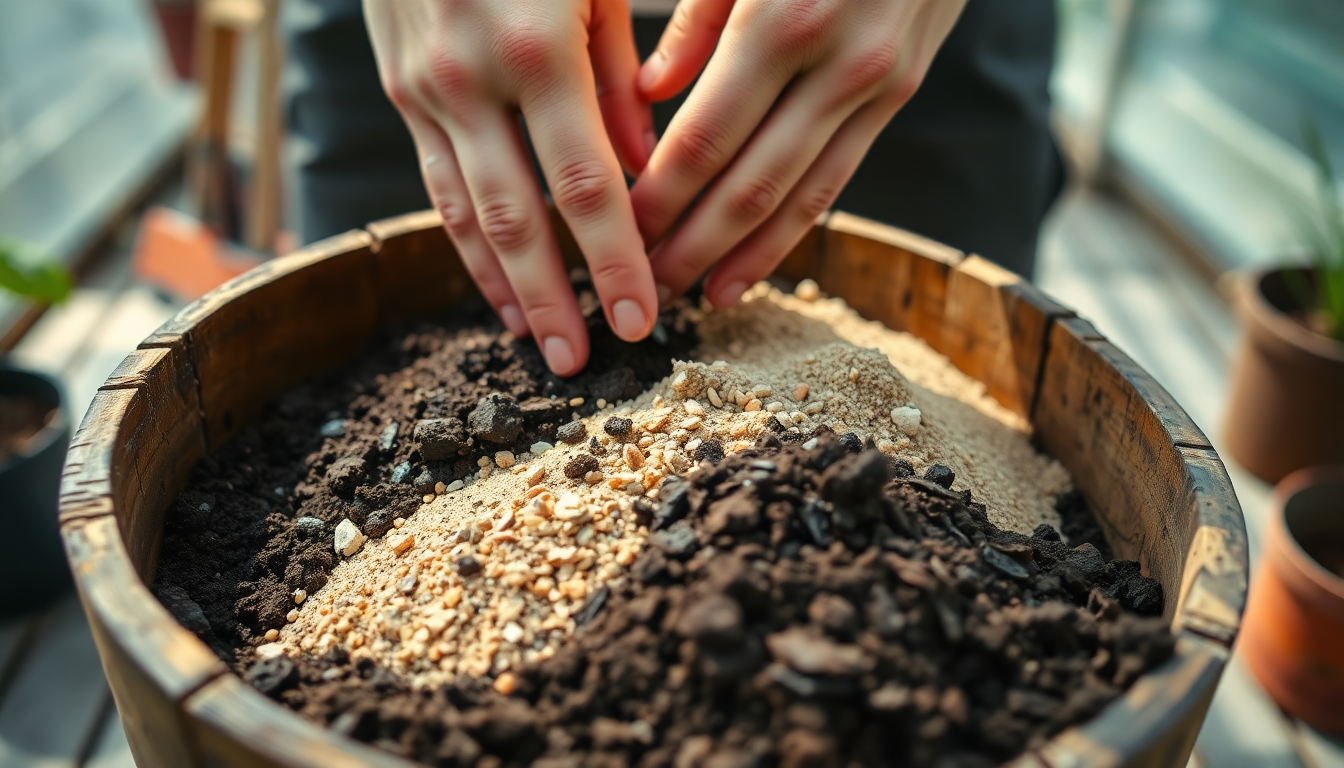
Consider enhancing the drainage of your potting mix by mixing in perlite or sand for optimal jalapeños growth. When preparing the soil for jalapeños in pots, it is crucial to use a well-draining potting mix designed for vegetables. Avoid garden soil as it may lead to poor drainage and compaction issues. Aim for a soil pH level ranging from 6.0 to 6.8 to support the best growth conditions for your jalapeños. To promote healthy root development in the confined space of a pot, ensure the soil is loose and well-aerated. Mixing in perlite or sand can significantly improve soil drainage, allowing excess water to move out efficiently and prevent waterlogging. This aeration is essential for roots to access oxygen and nutrients effectively, contributing to robust jalapeño plant growth. By preparing the soil properly with these considerations, you set a solid foundation for a successful jalapeño harvest in pots.
5. Watering and Fertilizing Routine
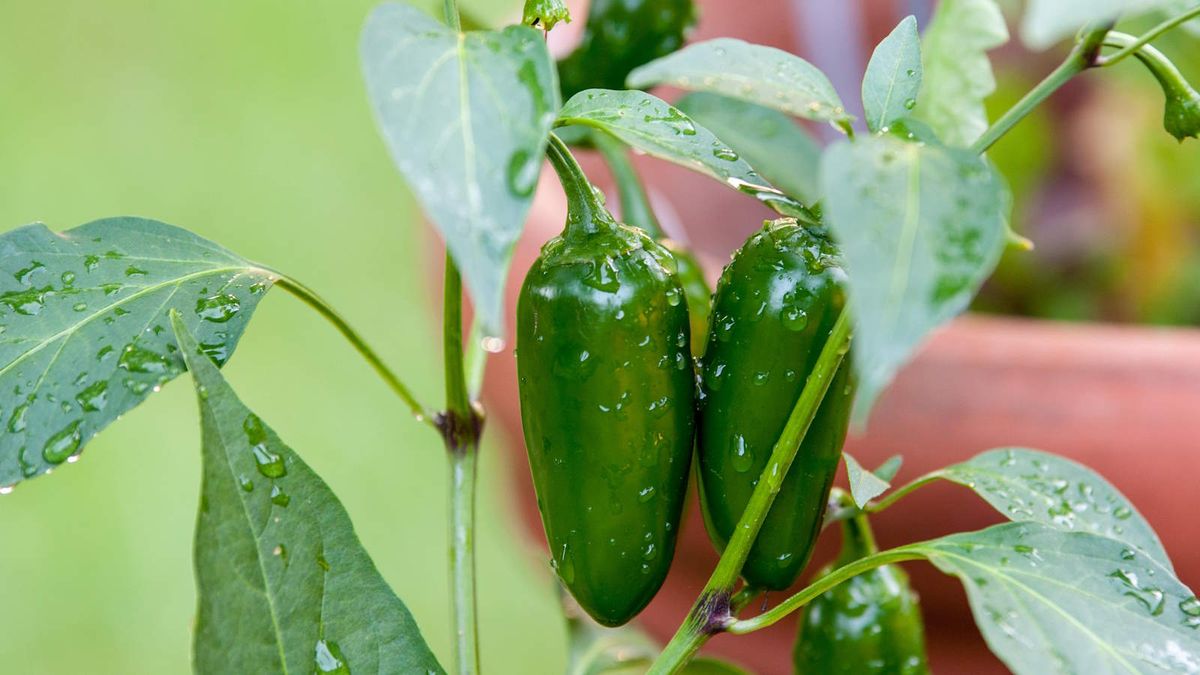
Maintain a consistent watering and fertilizing schedule to support the healthy growth of your jalapeños in pots. Proper watering routine is crucial to prevent overwatering and root rot. Water your jalapeños when the top inch of soil is dry. For fertilizing, use a balanced fertilizer after 6 weeks of growth to ensure healthy development. Consider organic fertilizers like compost or fish emulsion for a more natural approach to plant nutrition. Adjust your watering and fertilizing frequency based on the growth stage of your plants and the environmental conditions they are exposed to for optimal results. Consistency in these routines is key to achieving a bountiful harvest of jalapeños in containers.
| Watering Routine | Fertilizing Routine | Prevention Methods |
|---|---|---|
| Water when top inch of soil is dry | Fertilize after 6 weeks of growth | Prevent overwatering |
| Adjust frequency based on growth | Consider organic fertilizers | Avoid root rot |
| Monitor environmental conditions | Maintain balanced fertilizer | Promote healthy development |
6. Pruning and Support Techniques
:strip_icc()/pruning-pepper-plants-7564223-06227768031a4e40877bad79919b2a4f.jpg)
To effectively promote new growth and maintain the upright structure of your jalapeño plants, pruning and support techniques play a crucial role in optimizing their health and productivity. Pruning jalapeño plants involves the removal of dead or damaged branches, stimulating the growth of new, healthy shoots. This process not only encourages better air circulation around the plant but also increases sunlight exposure, essential for robust growth.
Support techniques such as staking or caging are equally important. They help prevent sprawling, keeping your plants upright as they grow. Proper support not only maintains the plant’s shape but also prevents bending or breaking under the weight of growing peppers. By implementing these techniques, you can boost fruit production, leading to larger and higher quality jalapeños.
7. Harvesting and Preserving Peppers

When harvesting jalapeños, ensure they are firm, green, and have reached the desired size for optimal flavor. To harvest, use a sharp knife or scissors to cut the peppers from the plant, being careful not to damage the stem. After harvesting, store the jalapeños in a cool, dry place. If you want to preserve them for a longer period, consider pickling, canning, or freezing them.
Before storing, inspect the jalapeños and remove any spoiled or damaged ones. This step is crucial to prevent the spread of mold or rot to the rest of your harvest. By discarding spoiled peppers, you ensure the quality of the remaining ones.
To enjoy your homegrown jalapeños in various dishes like salsas, sauces, stuffed peppers, or grilled recipes, proper harvesting and preserving techniques are essential. Following these steps will help you savor the flavor of your peppers long after the harvest season.