

Using baking soda in gardening benefits plants by controlling fungal diseases, deterring pests, adjusting soil pH levels for optimal growth, and providing heat stress relief. It can also repel insects, manage weeds, clean garden surfaces, and preserve cut flowers. Baking soda rejuvenates rose bushes, promotes root growth, and maintains bird baths and recycle bins. Its alkaline properties inhibit powdery mildew, black spot, and aid in heat stress recovery. The versatile uses enhance plant health and sustainability.
1. Fungal Disease Treatment

To effectively combat fungal diseases on your plants, consider utilizing baking soda as a natural treatment option. Baking soda has been found to be effective in treating common fungal infections such as powdery mildew and black spot on various plant species.
The alkaline properties of baking soda play a crucial role in altering the pH levels on the leaves of plants, creating an environment that inhibits fungal growth.
Mixing baking soda with liquid soap and water can enhance its efficacy in preventing flare-ups of fungal spores on your plants. This simple solution can be sprayed onto the affected areas to combat diseases like leaf spot and early blight, particularly on tomatoes.
2. Pest Control
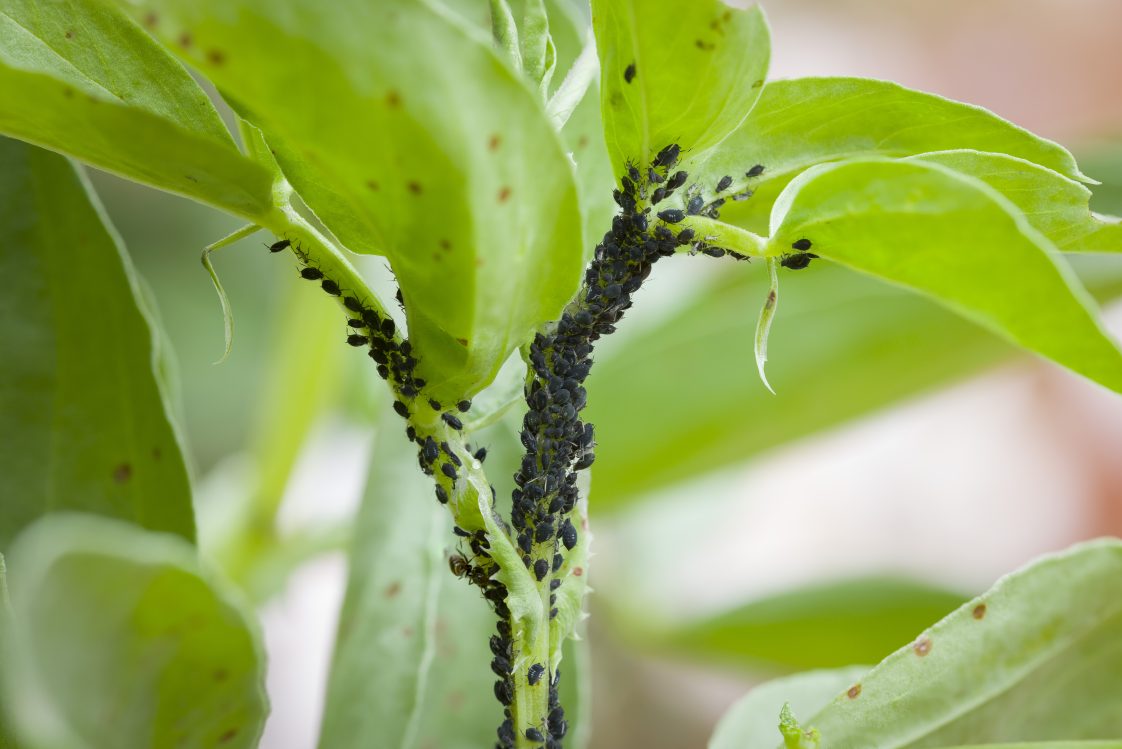
Sprinkling baking soda around your plants can act as a natural pest deterrent, keeping common garden pests like ants and roaches at bay.
By using baking soda sparingly in your garden, you can effectively prevent fungal diseases and protect your plants.
This organic alternative to pesticides is eco-friendly and safe for your garden’s ecosystem, helping maintain plant health while controlling pests.
Natural Pest Deterrent

Using baking soda as a natural pest deterrent in your garden is a safe and effective method to control common pests without harming beneficial insects. Sprinkling baking soda on the soil can help deter pests like ants, roaches, and slugs. This method is both environmentally friendly and cost-effective, making it a popular choice among gardeners.
When applying baking soda for pest control, be cautious not to touch the plants directly to prevent any potential harm. By utilizing baking soda, you can keep pests away from your garden without resorting to harsh chemicals or pesticides. Remember that this natural pest control approach targets specific pests and isn’t a broad-spectrum solution.
Regular monitoring and reapplication may be necessary to maintain its effectiveness. Embracing baking soda as a pest deterrent aligns with sustainable gardening practices and contributes to a healthier ecosystem in your garden.
Fungal Disease Prevention
Applying a baking soda and liquid soap mixture as a spray on your plants can effectively prevent fungal diseases such as powdery mildew and leaf spots. The alkalizing properties of baking soda play a key role in creating an environment on plant leaves that inhibits fungal growth.
By regularly using the baking soda spray, you can help prevent flare-ups of fungal spores on your plants. The alteration of pH levels on plant leaves with baking soda makes them less hospitable to fungi, providing a natural defense mechanism for your plants.
Baking soda is particularly efficient in combating common plant diseases like leaf spot and early blight on tomato plants. By incorporating this simple yet effective method into your plant care routine, you can actively protect your plants from fungal diseases, ensuring their health and vitality.
Organic Pesticide Alternative
Baking soda serves as a natural insect repellent, effectively deterring a variety of pests in the garden, such as ants, aphids, slugs, silverfish, and cockroaches. It can be utilized as an organic pesticide alternative for pest control.
By creating baits with baking soda, you can manage ants and roaches without resorting to harsh chemicals. Sprinkling baking soda on the soil acts as a deterrent for pests like ants, roaches, and slugs, helping protect plant beds. This method is safe and maintains a balance by not harming beneficial insects in the garden.
Using baking soda as a pest control measure offers an eco-friendly alternative to chemical pesticides, promoting a healthier garden environment. Embracing this organic approach not only effectively manages pests but also contributes to a sustainable gardening practice that’s beneficial for both your plants and the environment.
3. Soil Ph Adjustment

To adjust the pH of soil effectively, consider the impact of baking soda on the overall soil environment. Baking soda can be used to raise soil pH levels, reducing acidity and creating a more favorable environment for plant growth.
When adjusting pH with baking soda, it’s important to note that this can also help in deterring fungal diseases such as powdery mildew. However, excessive use of baking soda for soil pH adjustment can potentially lead to nutrient deficiencies in plants. Therefore, it’s crucial to carefully monitor soil pH levels when using baking soda to prevent any harm to your plants.
It’s advisable to consider baking soda’s impact on soil pH in conjunction with other soil amendments to ensure optimal plant growth. By understanding how baking soda affects soil pH and using it judiciously, you can create a balanced environment that promotes healthy plant development.
4. Heat Stress Relief
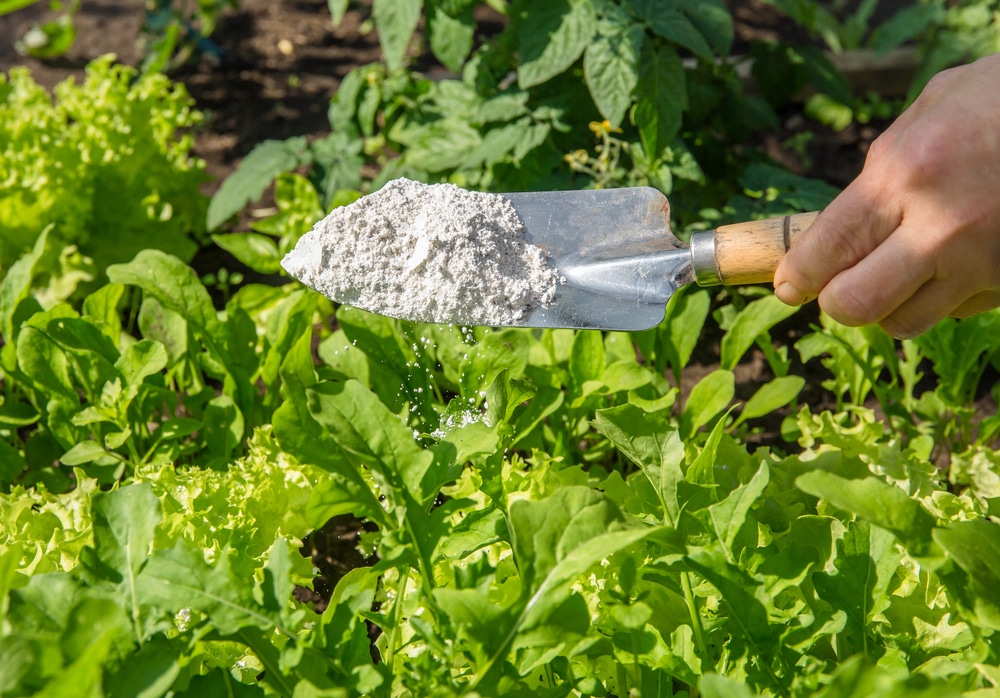
When plants experience heat stress, incorporating baking soda can be a beneficial method to aid in their recovery and overall well-being. Heat stress can severely impact plant vigor, leading to wilting, yellowing of leaves, and stunted growth. By mixing baking soda with water and applying it to plants, you can help alleviate the effects of heat stress and support their recovery process.
Baking soda plays a crucial role in restoring plant vigor and resilience after exposure to high temperatures, as it helps in balancing the physiological processes within the plant.
The application of baking soda for heat stress relief is a natural and cost-effective way to assist plants in thriving in challenging conditions. This method can help mitigate the damage caused by heat stress and promote the overall health of your plants.
5. Insect Repellent
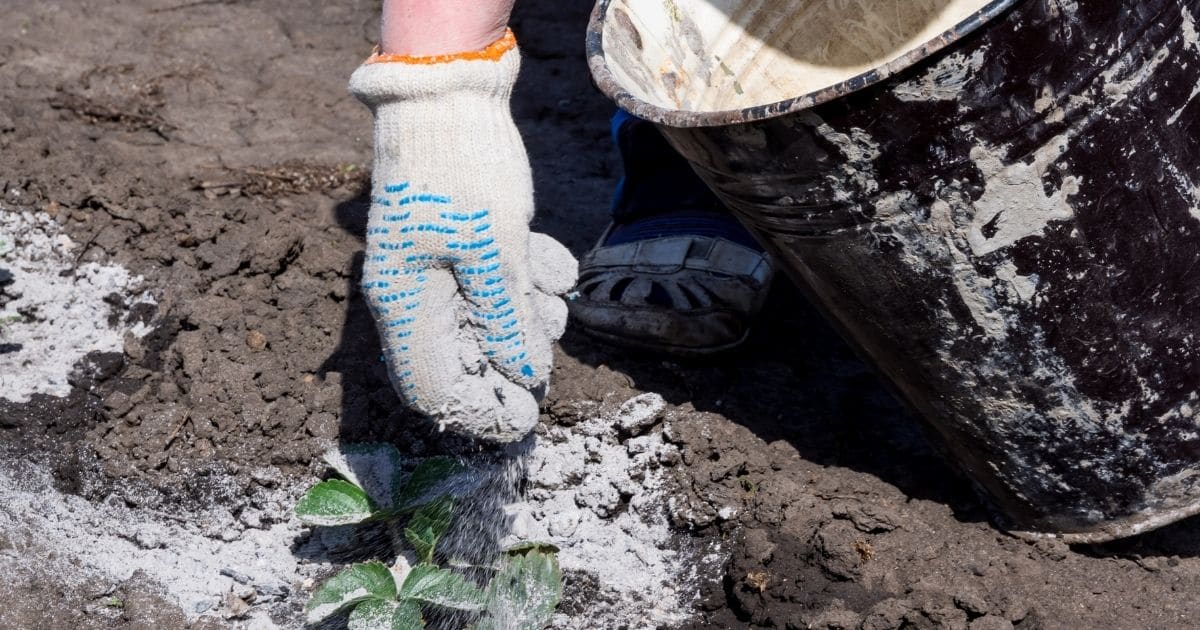
Baking soda serves as a natural insect repellent that effectively deters a variety of common garden pests like ants, aphids, and roaches.
By using baking soda, you can create baits that control these pests without resorting to harsh chemicals.
Sprinkling baking soda on the soil acts as a safe and environmentally friendly method to protect your plants from unwanted insect intruders.
Natural Pest Deterrent
In garden pest management, utilizing baking soda as a natural insect repellent offers a safe and environmentally friendly alternative to harsh chemicals. Baking soda can effectively deter a range of pests like ants, aphids, slugs, silverfish, and cockroaches in your garden.
It can be used to create baits that control ant and roach infestations without resorting to harmful chemicals. Simply sprinkling baking soda on the soil around your plants can help ward off pests like ants, roaches, and slugs, preventing them from causing damage.
One of the significant advantages of using baking soda as a pest deterrent is its safety for beneficial insects in your garden. By opting for this natural method, you can protect your plants without harming the insects that contribute positively to your garden ecosystem.
Embracing baking soda as a pest control solution not only safeguards your plants but also aligns with environmentally friendly practices for sustainable gardening.
Safe Plant Protection
Utilizing baking soda as a natural insect repellent provides a safe and effective method for protecting your plants from a variety of pests. Baking soda can deter ants, aphids, slugs, silverfish, and cockroaches, safeguarding your plants from potential damage.
Creating baits with baking soda is particularly useful for controlling ant and roach populations in your garden. Simply sprinkling baking soda on the soil can help repel pests like ants, roaches, and slugs without causing harm to your plants.
6. Weed Prevention
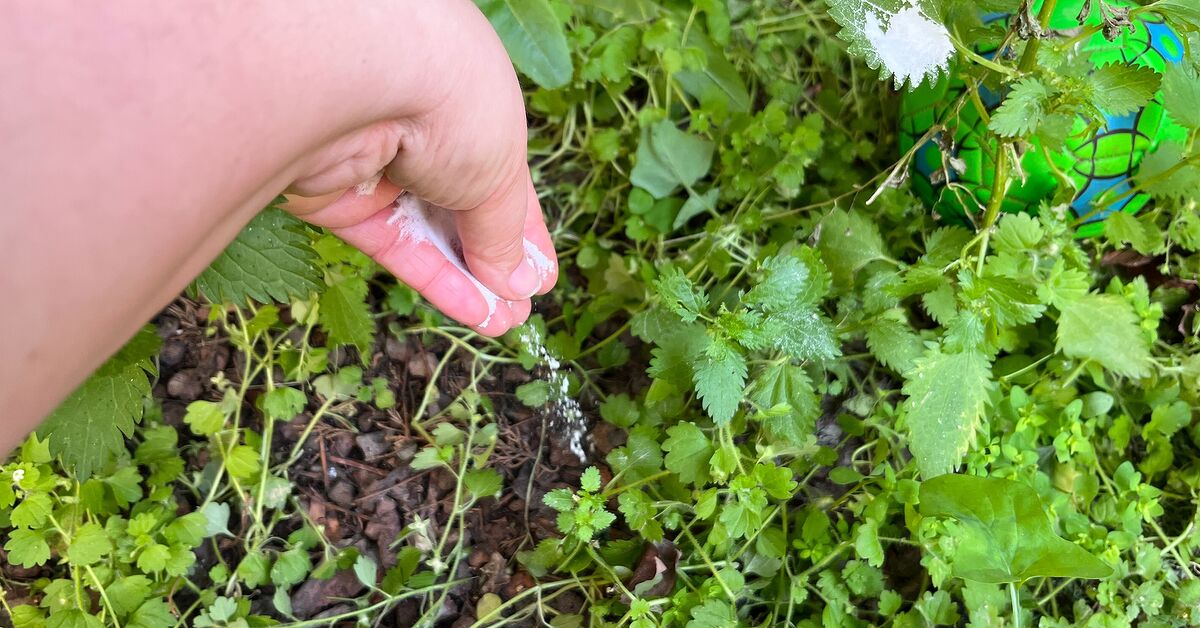
To prevent weeds effectively in your garden, consider using baking soda as a natural and cost-efficient solution. Baking soda can be utilized to kill existing weeds and hinder new weed growth. Its environmentally safe and budget-friendly weed control properties have made it a preferred choice among gardeners.
The alkaline properties of baking soda play a crucial role in eradicating weeds without resorting to harmful chemicals. By sprinkling baking soda into sidewalk cracks or on weed-prone areas, you can effectively manage weed growth in your garden. Regular application of baking soda in these areas can contribute to maintaining a weed-free garden environment.
This simple yet effective method offers an easy solution for weed prevention, ensuring that your plants have ample space, nutrients, and sunlight to thrive without competition from invasive weeds. Incorporating baking soda into your weed management routine is a practical and sustainable approach to keeping your garden healthy and vibrant.
7. Plant Fertilization

Using baking soda for plant fertilization isn’t recommended due to its high salt content, which can lead to nutrient deficiencies and harm your plants.
Instead, focus on adjusting soil pH, enhancing nutrient absorption, and promoting root growth with suitable fertilizers that provide essential nutrients for optimal plant health.
Avoid the potential risks associated with using baking soda as a fertilizer by choosing products specifically designed to support your plants’ growth and development.
Soil Ph Adjustment
Baking soda serves as a beneficial tool for adjusting soil pH levels to enhance plant fertilization. When the soil is too acidic, plants struggle to absorb essential nutrients, hindering their growth. By using baking soda to raise the pH level and create a more neutral environment, you can promote better nutrient availability for your plants. Here is a table illustrating the pH levels of some common substances:
| Substance | pH Level |
|---|---|
| Lemon Juice | 2.0 |
| Vinegar | 3.0 |
| Water | 7.0 |
| Baking Soda | 8.3 |
| Ammonia | 11.0 |
Maintaining the right soil pH is crucial for optimal plant health. Baking soda’s alkaline properties help counteract acidity, supporting nutrient absorption and overall growth. By incorporating baking soda into your gardening routine, you can provide a cost-effective and natural solution to ensure your plants thrive in a balanced pH environment.
Nutrient Absorption Enhancement
Excessive salt content in baking soda can impede the absorption of essential nutrients by plants, potentially leading to growth issues and nutrient deficiencies. When high levels of salt from baking soda are introduced into the soil, it can disrupt the delicate balance required for optimal nutrient absorption by plants. This disturbance may result in nutrient deficiencies, hindering the overall health and development of the plant.
The high salt content in baking soda can interfere with the plant’s ability to uptake vital nutrients, such as nitrogen, phosphorus, and potassium, essential for its growth and metabolic functions. This disruption can manifest as yellowing leaves, reduced flowering, and overall stunted growth.
It is crucial to carefully monitor the application of baking soda to prevent excessive salt accumulation in the soil. By avoiding overuse of baking soda, you can help maintain a favorable environment for nutrient absorption, ensuring that your plants receive the essential elements needed for healthy growth and development.
Root Growth Promotion
Promoting root growth in plants can be effectively achieved through the strategic application of baking soda in the soil. Baking soda has the ability to create a slightly alkaline environment, which is beneficial for root development. By enhancing the alkalinity in the soil with baking soda, nutrient uptake is improved, leading to overall better plant health.
The alkaline conditions created by baking soda support the growth of strong and healthy roots, ultimately resulting in more robust plants.
When using baking soda on plants for root growth promotion, it’s essential to apply it properly to ensure optimal results. The addition of baking soda to the soil can stimulate root growth, providing plants with a solid foundation for growth and development. This natural method of enhancing root development through baking soda isn’t only cost-effective but also environmentally friendly.
8. Garden Furniture Cleaning
:strip_icc()/green-spray-bottle-baking-soda-e77097ca-e2d2a55587f14bf08b8763206dd4c6de.jpg)
How can garden furniture be effectively cleaned using a natural and versatile cleaning agent?
Baking soda offers a gentle yet effective way to clean various surfaces like metal, wood, plastic, and wicker on your outdoor furniture. Its mild abrasive properties can help remove stubborn dirt, grime, and stains, while its alkaline nature aids in breaking down grease and mildew buildup. For a deep clean on wooden furniture or cushions, you can mix baking soda with water to form a paste. Regularly cleaning your garden furniture with baking soda not only restores its appearance but also helps extend its lifespan.
- Gently scrub away dirt and stains without damaging the furniture.
- Enjoy a fresh and clean outdoor space with minimal effort.
- Say goodbye to harsh chemical cleaners and opt for a natural alternative.
- Restore the beauty of your garden furniture with a simple baking soda solution.
- Maintain your furniture regularly to ensure long-lasting durability.
9. Clay Pot Maintenance

To maintain the cleanliness and hygiene of your clay pots effectively, utilize baking soda as a natural and gentle cleaning agent. Baking soda is a versatile solution for clay pot maintenance. It can effectively remove dirt, residue, and odors from the pots.
Due to its mild alkaline properties, baking soda acts as a gentle cleaner that absorbs odors and leaves the pots looking fresh and clean. By regularly cleaning your clay pots with baking soda, you not only enhance their appearance but also promote plant growth by providing a clean environment for your plants to thrive.
This eco-friendly method of cleaning clay pots helps prevent the spread of diseases and pests in your garden, ensuring that your plants remain healthy. Embracing baking soda for clay pot maintenance is a cost-effective and practical way to ensure the longevity of your pots and the well-being of your plants.
10. Bird Bath Cleaning
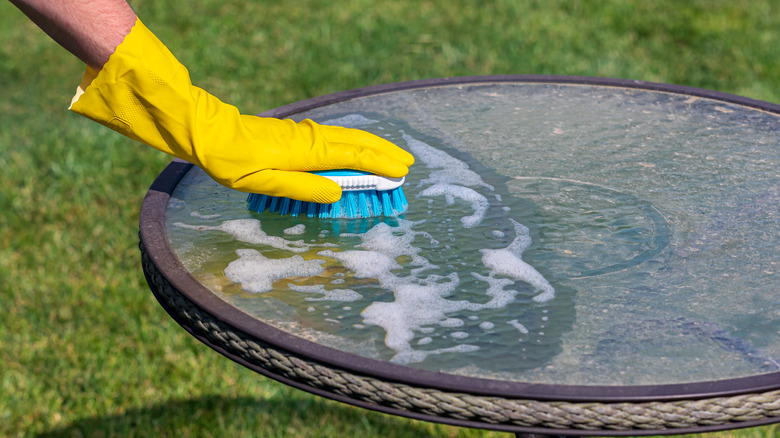
For maintaining the cleanliness and hygiene of your bird bath, consider utilizing baking soda as a natural cleaning solution. Baking soda is good for cleaning bird baths due to its mild abrasive properties that help remove dirt and grime without causing damage to the bird bath’s material.
Using baking soda can effectively deodorize and disinfect the bird bath, creating a safe environment for birds to enjoy. Regular cleaning with baking soda can prevent the growth of algae and bacteria in the bird bath, ensuring a healthy space for your feathered visitors.
A simple rinse after cleaning with baking soda will leave your bird bath clean and inviting for the birds to splash around happily.
- Gentle scrubbing with a baking soda paste ensures thorough cleaning.
- Baking soda’s mild abrasiveness removes dirt effectively.
- Deodorizes and disinfects the bird bath naturally.
- Prevents algae and bacteria growth with regular use.
- Leaves the bird bath clean and safe for birds to enjoy.
11. Recycle Bin Odor Control

Utilize baking soda as a natural and effective method for controlling odors in your recycle bins. Baking soda, known for its odor-absorbing properties, can also act as a mild alkaline cleaner, making it a versatile choice for maintaining a fresh environment in your recycle bins.
By sprinkling baking soda in the bins, you can effectively neutralize and eliminate unpleasant odors, especially those stemming from organic waste. This natural approach not only helps in controlling odors but also minimizes the need for harsh chemicals, promoting a safer waste disposal environment.
Regularly incorporating baking soda in your recycle bin maintenance routine can make a significant difference in odor control and overall cleanliness. The alkaline nature of baking soda helps in neutralizing acidic odors, while its absorption capabilities work to eliminate foul smells, ensuring a fresh and hygienic space for waste disposal.
Embrace the power of baking soda for odor control in your recycle bins to create a more pleasant and sustainable waste management system.
12. Cut Flower Preservation

Enhance the longevity of cut flowers by leveraging the benefits of baking soda in water preservation methods.
When it comes to cut flower preservation, the pH balance of the water is crucial for maintaining their freshness. Here are some practical ways baking soda can help in preserving your cut flowers:
- Bacterial Growth Prevention: Baking soda can inhibit the growth of bacteria in the vase water, keeping the flowers healthy for a longer period.
- Alkaline Properties: With its alkaline properties, baking soda aids in regulating the pH balance of the water, creating an environment where flowers can thrive.
- Freshness Prolongation: Adding a pinch of baking soda to the water can extend the freshness of cut flowers by providing them with the nutrients they need.
- Odor Minimization: Baking soda helps in minimizing odors in the vase water, ensuring that your flowers remain vibrant and fragrant.
- Regular Water Changes: By regularly changing the water and incorporating baking soda, you can significantly enhance the longevity of your cut flowers.
13. Rose Bush Rejuvenation

To rejuvenate your rose bushes and prevent fungal diseases like black spot, consider leveraging the benefits of baking soda in a simple yet effective foliar spray. Baking soda, when mixed with water and horticultural oil, can create a potent solution that alters the pH on rose leaves, making them less hospitable to fungal spores. This alteration helps combat diseases like black spot, powdery mildew, leaf spot, and early blight on your rose bushes.
When using a baking soda plant spray, timing is crucial. Apply the foliar spray preventatively, especially during humid weather conditions that promote fungal growth. Reapply the spray after rain to maintain its effectiveness and provide continuous protection to your rose bushes.
Regular applications of the baking soda solution can significantly contribute to the overall health and rejuvenation of your rose bushes. By following proper application techniques and ensuring consistent treatment, you can enjoy beautiful, disease-free roses in your garden.
Conclusion
In conclusion, baking soda is a versatile and cost-effective tool for maintaining healthy plants. From treating fungal diseases to repelling insects, adjusting soil pH to cleaning bird baths, baking soda has a wide range of uses in the garden.
By incorporating baking soda into your gardening routine, you can help ensure your plants thrive and flourish. So why not give it a try and see the benefits for yourself?