

If you’re looking for fast-growing privacy shrubs, I recommend Arborvitae (Thuja ‘Green Giant’) and Leyland Cypress, both of which grow quickly and develop dense foliage. Holly bushes and Thuja ‘American Pillar’ also provide great barriers, while the compact Thuja North Pole is ideal for tighter spaces. Don’t overlook Boxwood and Hibiscus Purple Pillar for added variety! Each plant has unique growth characteristics, and I can share more about their requirements in the following sections.
1. Arborvitae (Thuja ‘Green Giant’)

When considering fast-growing privacy shrubs, Arborvitae (Thuja ‘Green Giant’) stands out as an exceptional choice.
This tree thrives with minimal arborvitae care, reaching heights of up to 60 feet. It’s adaptable to various soils and conditions, providing significant arborvitae benefits like effective windbreaks and dense foliage.
Plus, it’s pest-resistant, ensuring a healthy, low-maintenance addition to your landscape.
2. Leyland Cypress

Leyland Cypress is a standout option for anyone seeking a fast-growing privacy screen. It can reach heights of 60-70 feet and grows 3-5 feet annually.
For optimal leyland cypress care, regular pruning is essential to minimize leyland cypress diseases like canker and to control bagworms.
This adaptable tree thrives in well-drained soil and tolerates various conditions, making it a versatile choice. Ensuring the soil is well-draining potting mix can significantly improve its growth and overall health.
3. Holly Bushes

Holly bushes present an excellent choice for creating a fast-growing privacy screen.
With the potential to grow up to 3 feet per year, these holly varieties can quickly establish a dense hedge.
For optimal holly care, plant them 5 to 6 feet apart in well-drained soil.
They’re adaptable, drought-tolerant, and provide year-round greenery, making them a resilient addition to any landscape. Additionally, incorporating well-drained soil helps ensure healthy growth and longevity of the shrubs.
4. Thuja ‘American Pillar’

Thuja ‘American Pillar’ stands out as an exceptional option for those looking to create a rapid privacy solution in their landscape.
It grows 2-3 feet per year, reaching heights of 20-30 feet. For planting, dig a hole twice the width of the root ball.
Regular watering is crucial initially. Maintenance is minimal—prune only after reaching 10 feet, and enjoy its year-round greenery! Additionally, ensuring healthy soil composition will enhance the growth rate and overall vitality of your Thuja ‘American Pillar’.
5. Thuja North Pole
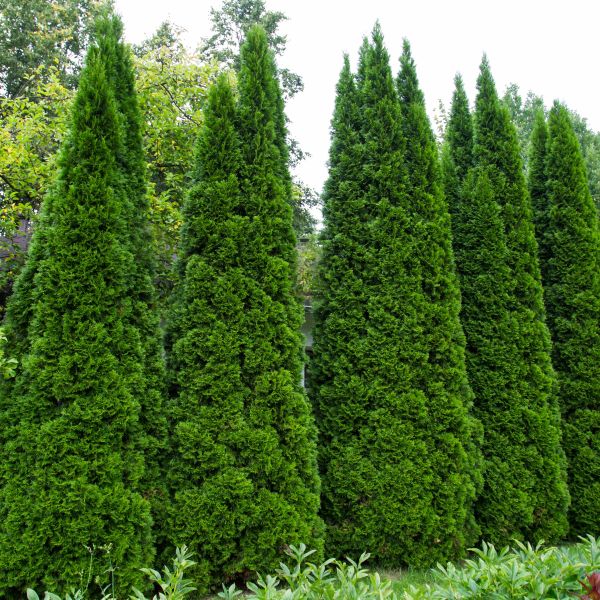
For those seeking an efficient privacy solution, Thuja North Pole offers a strikingly narrow profile that complements tighter landscapes. This evergreen thrives in USDA zones 3-8, requiring average water and adaptable soil. For optimal plant care, prune in spring and keep watered after pruning. Use it for hedges or mixed borders—perfect for providing year-round interest while following essential landscaping tips for narrow growth forms.
6. Common Lilac
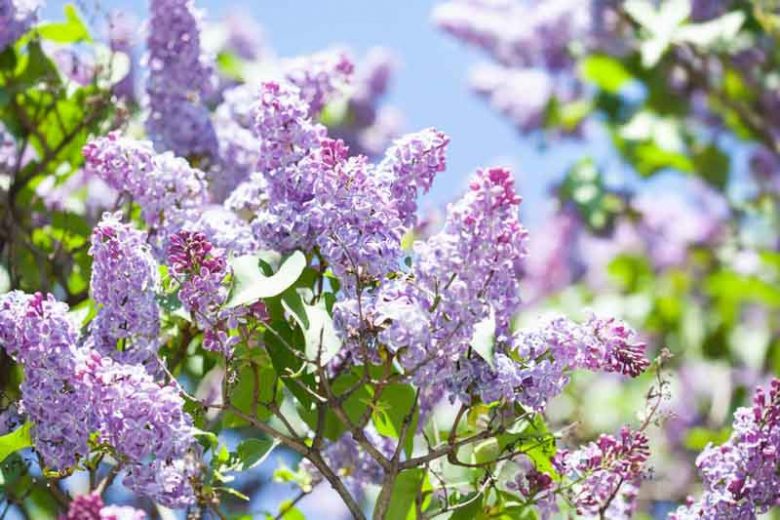
Common Lilac (Syringa vulgaris) stands out as a favorite among gardeners for its stunning blooms and delightful fragrance.
With a moderate growth rate of 12-18 inches per year, it thrives in hardiness zones 3 to 7.
For optimal lilac care, ensure full sun exposure and well-drained soils. Healthy soil supports plant growth and productivity, enhancing the overall beauty of your garden and attracting beneficial pollinators.
Explore various lilac varieties to enhance your garden’s beauty and attract beneficial pollinators.
7. Red Twig Dogwood

While many gardeners seek out plants that provide both beauty and functionality, Red Twig Dogwood (Cornus sericea) emerges as a top choice for creating privacy screens.
This fast-growing shrub reaches 6-10 feet tall and thrives in various soils. For optimal red twig color, ensure it receives 4-6 hours of sunlight.
Regular dogwood care includes annual pruning and occasional watering during dry spells for best results. Additionally, planting in well-draining, nutrient-rich loamy soil can enhance the overall health and growth of the shrub.
8. Pussy Willow

Although you might be drawn to the elegance of flowers, the Pussy Willow (Salix discolor) offers more than just visual appeal; it serves as an exceptional fast-growing privacy shrub. Its soft, fuzzy catkin characteristics bloom in late winter, while the plant thrives in moist, well-drained soil. Loess soil in Northeast Missouri can provide ideal conditions for this shrub, enhancing its growth potential. For optimal growth, I recommend pruning in late winter and monitoring for pests to ensure health.
9. Butterfly Bush

Pussy Willows offer a striking visual appeal, but if you’re looking for vibrant color and wildlife attraction, the Butterfly Bush (Buddleia davidii) is an outstanding choice.
Its fast growth and fragrant blooms provide numerous butterfly bush benefits. For optimal butterfly bush care, prune annually, deadhead spent flowers, and mulch to protect roots.
This adaptable shrub thrives in various conditions, attracting butterflies and pollinators, making it an excellent addition for attracting pollinators to your garden.
10. Forsythia

Forsythia, known for its stunning early spring blooms, quickly captures attention in any landscape.
For effective forsythia planting, ensure well-drained soil and full sun for maximum flowering.
During forsythia care, prune right after blooming to maintain shape and encourage future blooms.
With rapid growth and vibrant yellow flowers, it’s perfect for hedges or vibrant displays, thriving in diverse conditions. Additionally, forsythia is a sustainable garden gift that attracts pollinators, enhancing biodiversity in your garden.
11. Privet
Privet is a versatile and fast-growing shrub that can greatly enhance privacy in any landscape. It reaches 10-15 feet and grows 1 to 2 feet annually.
While it’s prized for privacy, its invasive behavior can lead to unwanted spread. Additionally, privet serves as crucial deer forage, especially in winter, making it a resilient choice in various environments. Regular maintenance is essential to manage its growth. Moreover, incorporating evergreen shrubs for wet soil can provide additional privacy options while supporting local ecosystems.
12. Boxwood
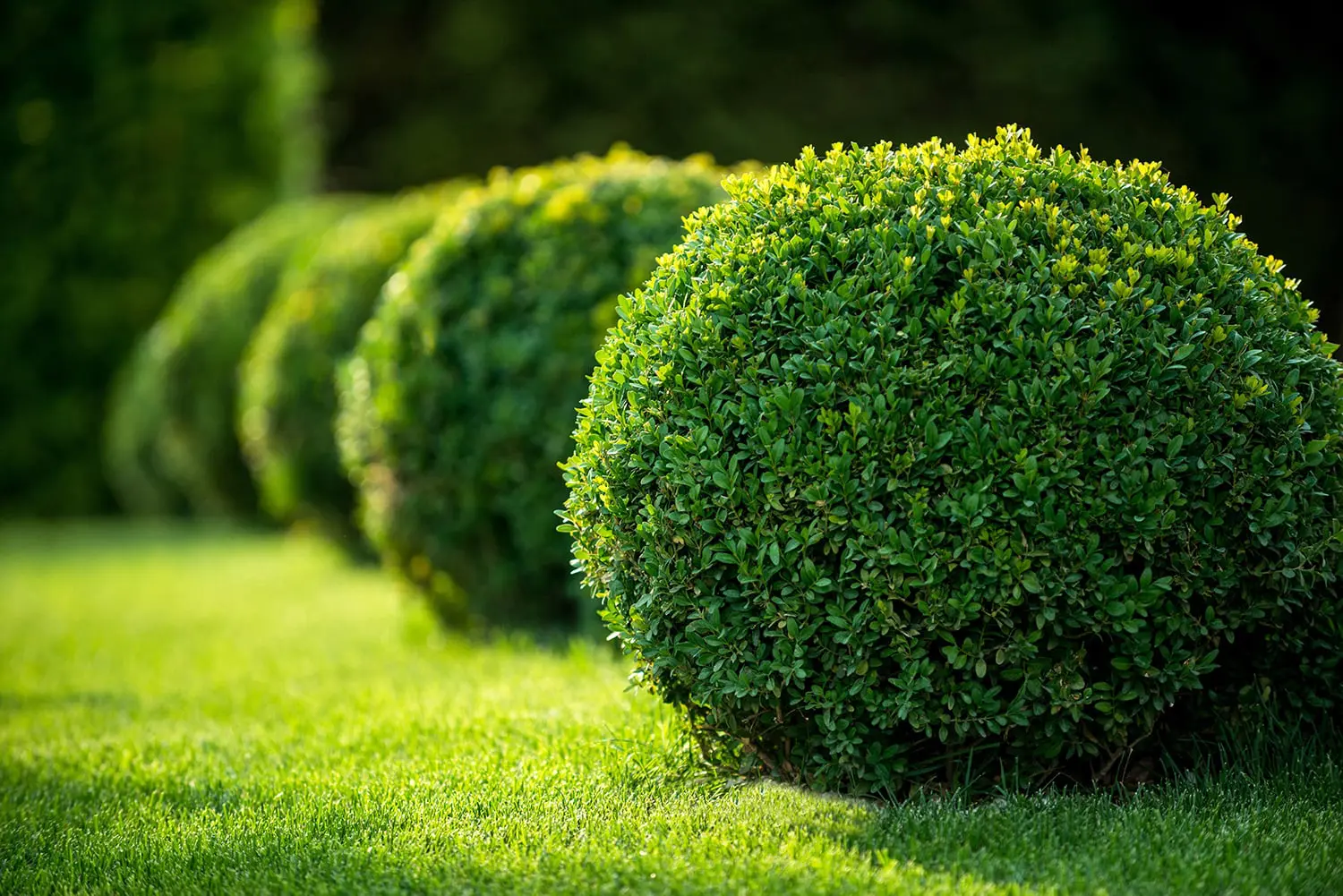
Boxwood, a popular choice among gardeners, offers a refined and structured appearance that enhances any landscape while providing effective privacy.
With various boxwood varieties available, I appreciate their adaptability to different light conditions and soil types.
Boxwood maintenance is minimal once established, requiring little pruning and benefiting from occasional irrigation.
Their cold hardiness makes them ideal for diverse climates, ensuring year-round greenery.
13. Hibiscus Purple Pillar

One standout option for creating a striking privacy screen is the Hibiscus Purple Pillar, which can reach impressive heights of 10 to 16 feet.
This columnar shrub thrives in full sun and attracts pollinators with its semi-double lavender-purple flowers.
Hibiscus care includes deep watering and mulching, ensuring vigorous growth and continuous blooms from early summer to late fall, perfect for small gardens or containers.
14. Burning Bush

After considering options like the Hibiscus Purple Pillar for privacy, you might find the Burning Bush to be another compelling choice.
It thrives in hardiness zones 4-9, reaching heights of 12-15 feet. However, be mindful of burning bush invasiveness, as it crowds out native plants.
Proper burning bush care involves ensuring good drainage and avoiding overwatering to prevent issues like scale infestations.
15. Leyland Cypress (Narrow Spaces)
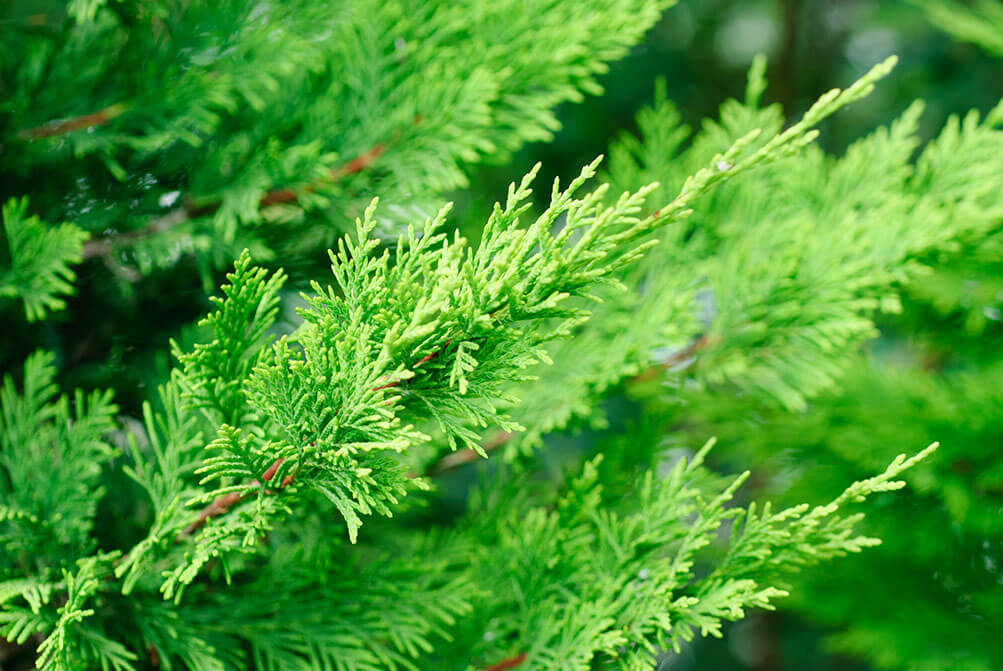
Although I often recommend various privacy shrubs, the Leyland Cypress stands out as an excellent option for narrow spaces due to its remarkable growth rate and adaptability.
With fast growth of 3-4 feet yearly and a height of 6-8 feet in just two years, it provides effective privacy screening.
Ensure well-drained soil and regular pruning to maintain its size while promoting dense foliage.