
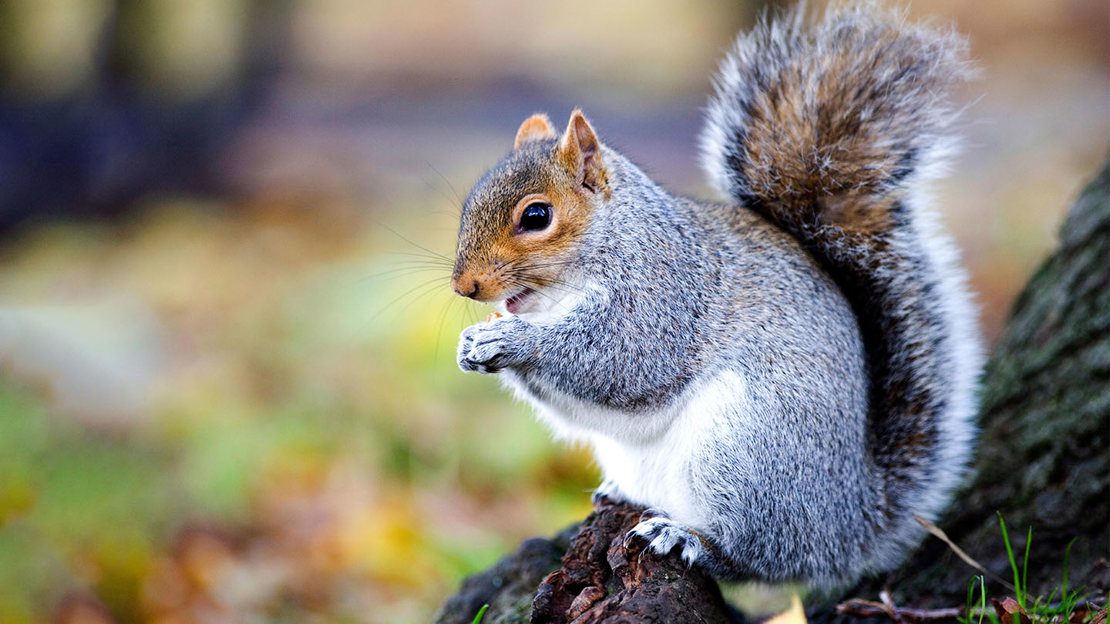
Squirrels’ tails do not grow back. These unique creatures lack the ability to regenerate lost tails, which are vital for balance, communication, and warmth. A squirrel’s adaptation to life without a tail showcases their resilience. Understanding the genetic makeup and anatomical constraints sheds light on their regenerative limitations. The time frame for tail regrowth, factors influencing regeneration, and tail loss prevention tips offer insights into the complexities of squirrel tail health. Further exploration of the importance of tails for squirrels and tail regrowth in different species unveils fascinating details about these remarkable creatures.
Squirrel Tail Regrowth Process
How does a squirrel’s tail regrowth process differ from other animals’ regenerative abilities? Unlike some other animals with regenerative capabilities, squirrels do not have the ability to regrow their tails once lost. The tail is a crucial part of a squirrel’s anatomy, aiding in balance, communication, and warmth. When a squirrel loses its tail, it is a permanent loss as the tail cannot regenerate. Squirrels have adapted to this limitation by relying on other survival mechanisms to thrive without their tails. While some animals like lizards can regrow their tails through a process called autotomy, where they shed a part of their body intentionally, squirrels do not possess this regenerative ability when it comes to their tails. This distinct lack of regrowth in squirrels sets them apart from many other creatures that can regenerate lost body parts, making their tail loss a permanent change that they must adapt to for the rest of their lives.
Factors Influencing Tail Regeneration
Tail regeneration in squirrels is influenced by a combination of genetic factors and anatomical constraints. The inability for squirrels to regrow their tails is due to their unique biology, which lacks the regenerative capabilities seen in other animals like lizards. The tail loss in squirrels is permanent and does not trigger a regrowth process. While the tail serves crucial functions in a squirrel’s life, such as balance and communication, regrowth is not within their biological abilities. Squirrels adapt remarkably well to the loss of their tails, relying on other physical and behavioral adaptations for survival. Below is a table highlighting the key factors that influence tail regrowth in squirrels:
| Factor | Influence on Tail Regrowth |
|---|---|
| Genetic makeup | Regenerative capabilities |
| Anatomical constraints | Limitations on regrowth |
| Biological adaptations | Compensatory mechanisms |
| Tail function | Importance for survival |
| Behavioral adjustments | Coping strategies |
Time Frame for Tail Growth
The time frame for squirrel tail regrowth varies depending on the severity of the injury and the overall health of the squirrel. If a squirrel experiences a partial tail loss, the regrowth process can take several months to a year. Factors such as the extent of the injury and the squirrel’s ability to heal can influence the speed of tail regrowth. During this time, it is crucial to monitor the healing progress and provide a safe environment for the squirrel to prevent further damage.
In some cases, squirrels may not fully regrow their tails, resulting in a shorter or slightly different tail appearance after regrowth. This process is natural and allows the squirrel to adapt to changes and continue with its daily activities. By understanding the time frame required for tail regrowth and supporting the squirrel through this process, you can help ensure a successful recovery for these resilient creatures.
Genetic Adaptations for Regeneration
Squirrels possess a remarkable array of genetic adaptations that contribute to their survival and success in various environments. However, when it comes to regeneration, squirrels lack certain genetic capabilities that would enable them to grow back their tails once lost. Unlike some other animals like lizards or amphibians that have evolved the biological mechanisms for tail regrowth, squirrels have not developed this ability. The permanent loss of a squirrel’s tail not only affects its balance but also impacts its communication and defense mechanisms. This limitation in their genetic makeup means that tail injuries can have lasting consequences for squirrels in the wild. By understanding squirrels’ limited regenerative abilities, it becomes evident that preventing tail injuries is crucial for their overall well-being and survival. Despite their impressive genetic adaptations for various aspects of survival, squirrels have not evolved the capacity to regenerate their tails once they are lost.
Importance of Tails for Squirrels
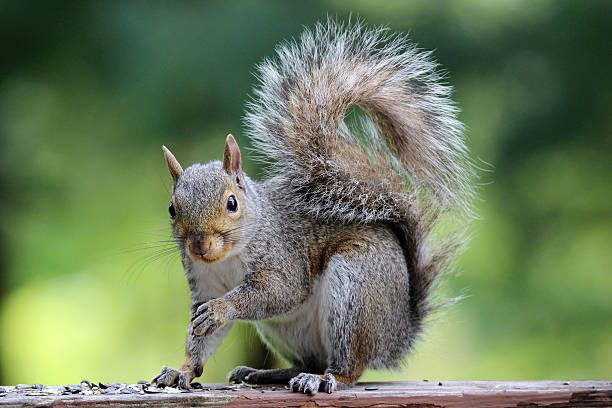
Crucial for maintaining balance, communication, and thermoregulation, the tails of squirrels play a vital role in their daily lives. Squirrels rely on their tails for various essential functions. Firstly, their tails act as a counterbalance, aiding in agile movements across trees and rooftops. Additionally, squirrels use their tails to communicate with one another through subtle movements, signaling danger or marking territory. Furthermore, these bushy appendages help regulate the squirrel’s body temperature, especially during hot summers or cold winters, by providing shade or insulation when needed.
In times of danger, a squirrel’s tail serves as a defense mechanism. When under threat, squirrels can detach their tails if grabbed by a predator, allowing them to escape and survive. While the loss of a tail does not significantly impact a squirrel’s quality of life, it does not regenerate once lost. However, squirrels are remarkably adaptable creatures, capable of adjusting well to having a shorter or no tail, showcasing their resilience in the face of challenges.
Signs of Tail Injury in Squirrels
Signs indicating tail injuries in squirrels can vary from visible external wounds to changes in their usual behaviors. Squirrel tail injuries, often caused by fighting, predator attacks, or accidents, can have significant implications for these animals. An injured tail can impair a squirrel’s balance, communication abilities, and defense mechanisms, making them more vulnerable in their environment. It is important to note that squirrels do not regrow their tails once lost, so monitoring for signs of tail injuries is crucial for their well-being.
Visible signs of tail injuries may include bleeding, exposed vertebrae, or damage to the tail fur. In severe cases, tail injuries can impact a squirrel’s ability to thermoregulate and evade predators effectively. Additionally, changes in a squirrel’s behavior, such as reduced activity, reluctance to climb or jump, or increased aggression, can also indicate a possible tail injury. Being attentive to these signs and seeking appropriate care can help ensure the health and safety of squirrels with tail injuries.
Nutritional Support for Regrowth
Supporting the regrowth of squirrels’ tails through proper nutrition is essential for their overall health and well-being. A balanced diet rich in calcium and essential nutrients plays a crucial role in aiding squirrels to regrow their tails effectively. Supplementing their diet with solid foods and nutritional supplements can also contribute significantly to the regrowth process. While tail strength cannot be improved through diet alone, ensuring squirrels have access to a varied diet is essential for supporting regrowth and maintaining optimal health during this process. Squirrels require diverse food sources to obtain the necessary nutrients for regrowing their tails successfully. By providing the right nutritional support, such as a diet rich in calcium and essential nutrients, you can help facilitate the regrowth of squirrels’ tails and promote their overall well-being. Remember, a well-rounded diet is key to aiding in the regrowth of squirrels’ tails.
Behavioral Changes During Regeneration
During tail regeneration, squirrels may undergo significant behavioral changes as they adapt to the process of regrowing their tails. The impact of tail regrowth on a squirrel’s balance and agility can lead to alterations in their climbing and jumping behaviors. Squirrels may become more cautious or avoid risky situations as they adjust to their changing physical abilities. Signs of discomfort or sensitivity around the regenerating tail, caused by nerve endings and healing tissues, may result in altered grooming behaviors. Squirrels might increase grooming frequency in the regrowth area to aid in healing and prevent infections. This period of tail regrowth, which can span several months, influences not only a squirrel’s individual behavior but also its interactions with other squirrels and the surrounding environment. Adapting to these changes is essential for squirrels to navigate their environment successfully during the process of tail regrowth.
Predation Risks Without a Tail
Squirrels without their tails face heightened risks of predation in their natural habitats, primarily due to compromised balance and agility. The absence of a tail limits their ability to swiftly change direction, maintain stability on branches, and perform agile maneuvers, making them more susceptible to predators. Without this crucial appendage, squirrels lose a vital tool for communication and defense against threats, further increasing their vulnerability to predation. As they struggle to escape and navigate efficiently, predation risks amplify, posing significant challenges to their survival in the wild.
| Predation Risks for Squirrels Without Tails |
|---|
| Reduced Balance and Agility |
| Limited Communication and Defense Mechanisms |
| Challenges in Escaping Predators |
Tail Regrowth in Different Squirrel Species
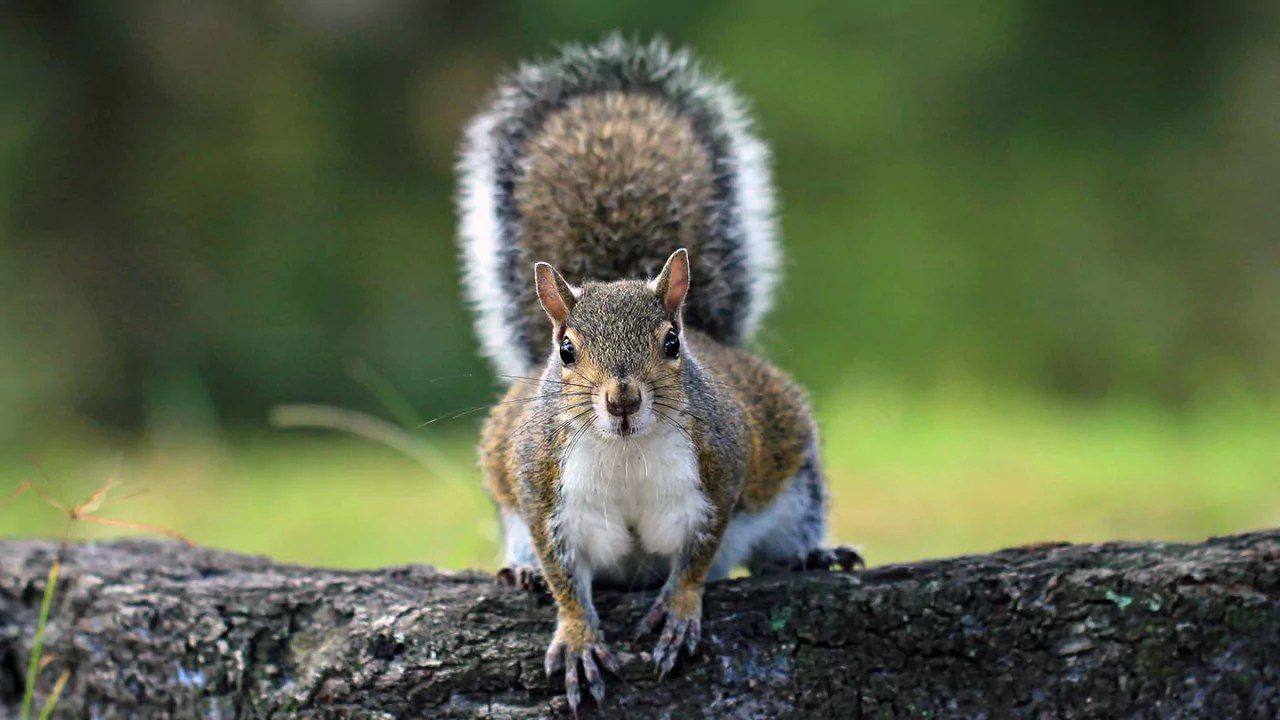
Among different squirrel species, the ability to regrow their tails varies significantly. Gray squirrels, which belong to the Sciuridae family, do not have the capacity to regrow their tails once lost. This permanent tail loss in gray squirrels is attributed to the intricate structure and functionality of their tails. Unlike certain lizards and amphibians that possess regenerative capabilities, squirrels lack the biological mechanisms required for tail regrowth. This unique trait sets squirrels apart from other animals known for their regenerative abilities. Despite the inability to regenerate their tails, gray squirrels have adapted to cope without this feature, relying on alternative survival strategies and behaviors to thrive in their environments. Understanding the limitations of tail regrowth in gray squirrels sheds light on the evolutionary adaptations that have shaped these fascinating creatures’ resilience and survival tactics.
Comparison to Other Animals’ Regeneration
In comparison to species like lizards and starfish known for their regenerative abilities, squirrels do not possess the capacity to regrow their tails once lost. While some animals showcase remarkable regenerative capabilities, squirrels lack the biological mechanisms required for tail regrowth. Unlike certain organisms that can fully regenerate lost limbs, squirrels’ tails, once detached or injured, do not exhibit the same regenerative potential. The loss of a squirrel’s tail is permanent, with no regrowth occurring after damage or severance. Consequently, squirrels must adapt to life without a tail, relying on alternative survival strategies to compensate for this permanent loss. While the ability to regenerate body parts is a remarkable trait seen in various animals, squirrels do not share this capability when it comes to their tails. This distinction highlights the unique biological differences in regeneration mechanisms across different species.
Tail Loss Prevention Tips
To prevent tail injuries in squirrels, ensuring a balanced diet rich in solid foods and supplements is essential. Incorporating calcium into a squirrel’s diet can promote overall health and contribute to tail strength. While tail strength itself cannot be enhanced through diet, providing a nutritious diet can support the squirrel’s well-being, reducing the likelihood of tail loss incidents. Varied food sources and safe environments are crucial preventive measures to minimize tail injuries in squirrels.
Offering a mix of nuts, seeds, fruits, vegetables, and calcium-rich sources like leafy greens can help maintain a squirrel’s health and potentially strengthen their tails. Avoiding feeding squirrels food high in sugar or salt is important in preventing obesity, which can lead to mobility issues and make them more prone to accidents resulting in tail injuries. By proactively focusing on tail loss prevention through proper nutrition and environmental considerations, you can support the health and safety of squirrels in your area.
Monitoring Squirrel Tail Health
Regular monitoring of squirrel tail health is crucial for early detection of any potential issues or injuries. Inspecting the tail regularly allows you to notice any changes in appearance or behavior that may indicate a problem. Look out for signs of infection around the tail area, such as redness, swelling, or discharge. Additionally, observe if the squirrel is grooming its tail excessively or displaying signs of discomfort while doing so. Any alterations in the squirrel’s mobility, balance, or interactions with other squirrels could also be indicators of tail health issues. Should you notice any concerning developments in the squirrel’s tail health, it is advisable to seek professional help promptly. By staying vigilant and proactive in monitoring the squirrel’s tail, you can help ensure early intervention and appropriate care if any problems arise. Remember, a healthy tail is essential for a squirrel’s overall well-being and survival in its natural habitat.