
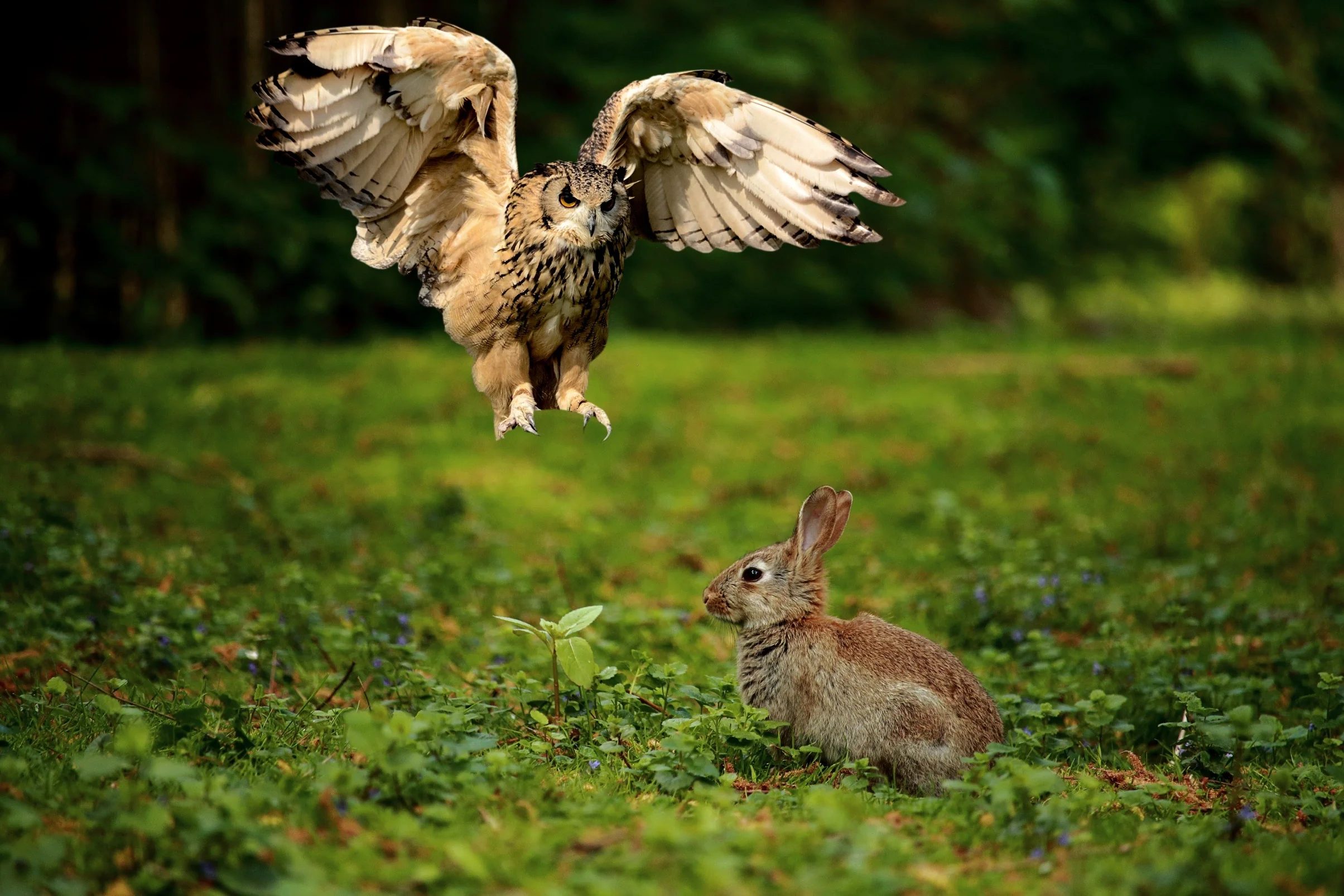
Yes, owls do eat rabbits. They are skilled hunters, using their sharp senses to capture and feed on rabbits efficiently. Various owl species like Great Horned Owls and Barn Owls are known to prey on rabbits, adapting their techniques based on the prey’s size and behavior. Larger owls may also hunt domestic rabbits occasionally, though these incidents are rare. Their role in the ecosystem involves maintaining balance by controlling rabbit populations, preventing overgrazing, and preserving vegetation. Owls showcase diverse feeding strategies, with some focusing on insects and birds, highlighting the intricate relationship between owls and rabbits in nature.
Owl Species That Hunt Rabbits
Among the various owl species, some are particularly known for actively hunting rabbits as a significant part of their diet. Great Horned Owls, with their robust build and sharp talons, are formidable predators capable of taking down full-grown rabbits. Barn Owls, known for their silent flight, are opportunistic hunters that often prey on young rabbits as part of their diverse diet. Long-eared Owls, specialized in ground hunting, are most active at dawn and dusk, making rabbits a staple food source for them. Short-eared Owls, another ground-dwelling species, heavily rely on rabbits as a primary prey item, especially during times of abundant rabbit populations. Even the Great Gray Owls, primarily focused on hunting snowshoe hares, do not shy away from consuming rabbits when the opportunity presents itself. These owl species have honed their hunting skills to target rabbits efficiently, showcasing the adaptability and versatility of these magnificent birds of prey.
Owl Species That Avoid Rabbits
Some owl species, such as Screech Owls, Northern Pygmy Owls, and Flammulated Owls, have specialized diets that exclude rabbits as a prey item, focusing instead on smaller creatures like insects, small birds, and rodents. Screech owls, including the Eastern and Western species, are known for their insectivorous diet, preying on a variety of insects and small birds. Similarly, Northern Pygmy Owls, despite their small size, primarily feed on insects and small birds rather than rabbits. The Flammulated Owl, a small woodland owl, follows suit by consuming insects as its main food source, avoiding rabbits altogether. These small owls have evolved to occupy specific ecological niches by targeting these smaller prey items, which are abundant in their habitats. By specializing in hunting insects, small birds, and rodents, these owl species have adapted to thrive without the need to include rabbits in their diets, showcasing the diverse range of feeding strategies within the owl family.
Owl Hunting Tactics for Rabbits
Owls employ a combination of stealth and precision in their hunting tactics when targeting rabbits in open areas. These nocturnal hunters rely on their keen eyesight and acute hearing to locate their prey. Once a rabbit is spotted, the owl swoops down with incredible speed, using its sharp talons to swiftly capture and kill the unsuspecting rabbit.
In their hunting process, owls exhibit remarkable patience, often perching quietly for extended periods, waiting for the perfect opportunity to strike. Their ability to remain motionless and blend into their surroundings makes them highly effective predators in open spaces where rabbits are vulnerable.
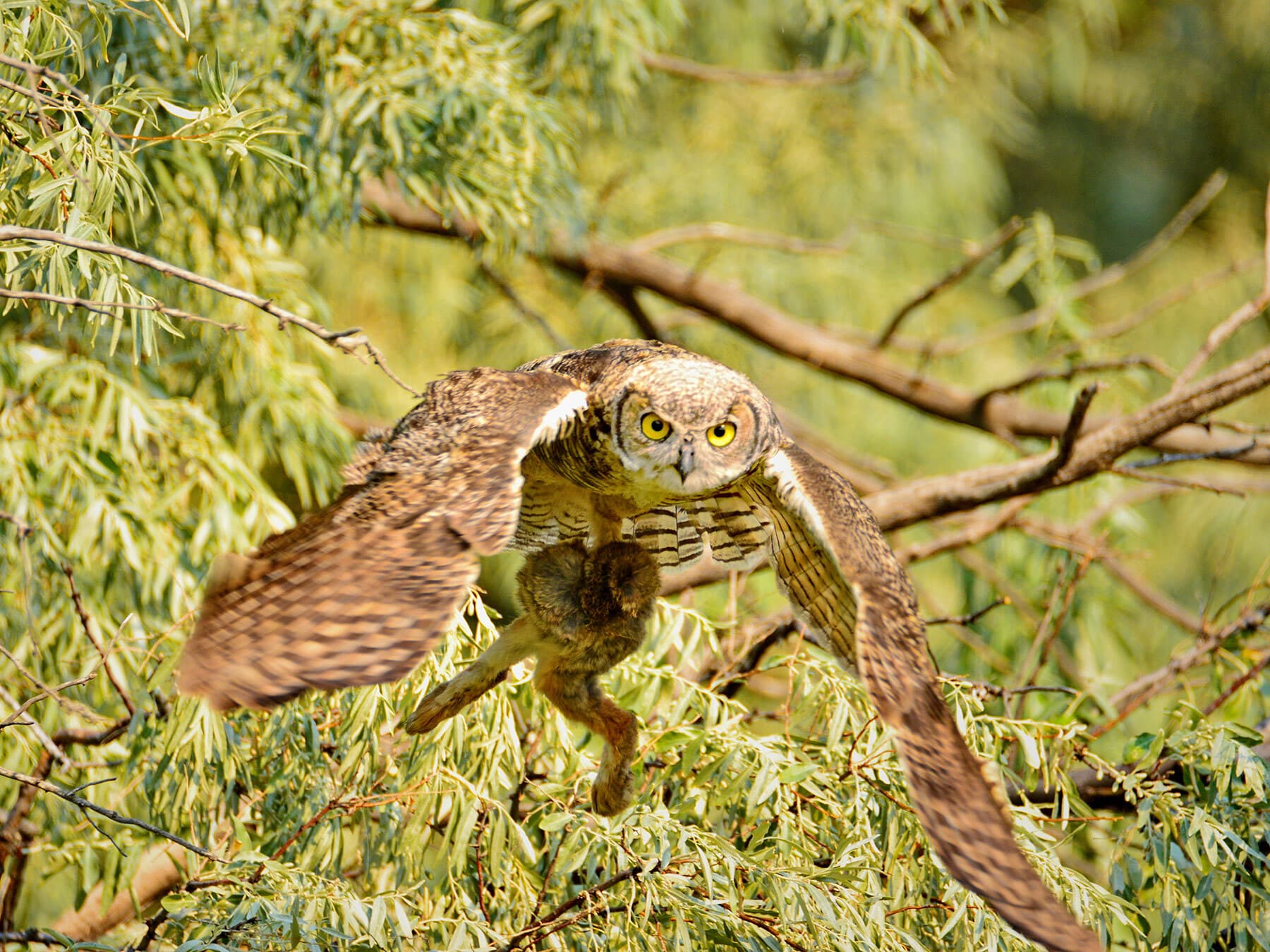
Typically, owls consume their prey on the spot, except when hunting young rabbits. In these cases, the owl may carry the catch back to its nest to feed its young. The combination of speed, precision, and strategic perching positions owls as formidable hunters when it comes to targeting rabbits in their natural habitat.
Owl Predation on Domestic Rabbits
In the context of owl predation behavior, targeting domestic rabbits presents a unique challenge compared to their natural prey in the wild. Larger owls may occasionally hunt domestic rabbits, although such incidents are rare due to the availability of alternative prey in urban environments. To protect your pet rabbits from potential owl attacks, consider the following:
- Secure Housing: Owls are less likely to prey on domestic rabbits kept in secure hutches with roof coverings. Providing a safe and enclosed living space can deter owls from targeting your pets.
- Location Awareness: Predation on domestic rabbits by owls is more common in rural areas where owls are accustomed to human presence. Being aware of your surroundings can help you assess the risk of owl attacks.
- Preventive Measures: Ensuring proper protection, such as sturdy hutches and secure enclosures, can minimize the risk of owl attacks on pet rabbits. By taking preventive measures, you can safeguard your domestic rabbits from potential predation by owls.
Owl Predation on Hares
When targeting hares, owls demonstrate a predatory behavior similar to their approach towards rabbits. Owls, being adaptable nocturnal predators, include hares in their diet alongside rabbits. Smaller owl species typically target baby and smaller hares, while larger owls like great horned owls focus on capturing and consuming adult and larger hares due to their size and strength. The hunting techniques employed by owls to capture and kill rabbits are also utilized when preying on hares, showcasing their efficiency in hunting. Hares, with an average weight of around 9 pounds, serve as a substantial food source for owls, complementing their consumption of small mammals and birds. This demonstrates the varied diet of owls and their ability to adapt their hunting strategies based on the size and behavior of their prey. Owls’ predation on hares further highlights their role as effective nocturnal predators in the ecosystem.
Owl Prey Preferences: Mammals
Targeting a diverse range of mammalian prey, owls exhibit a notable preference for hunting and consuming rabbits, particularly focusing on small and young individuals for their size and vulnerability. Owls, including species like the great horned owl, are known for their selective hunting behaviors when it comes to rabbits, showcasing a strategic approach in securing their meals. Here are three key points to consider regarding owl prey preferences for mammals:
- Prey Selection: Owls, especially the great horned owl, are skilled hunters that prioritize small mammals like rabbits due to their abundance and nutritional value.
- Versatility: While young and small rabbits are commonly targeted, larger owl species like the great horned owl are capable of hunting adult rabbits, displaying adaptability in their prey selection.
- Dietary Importance: Rabbits serve as a significant food source for various owl species, contributing substantially to their diet and overall survival in different habitats.
The hunting and consumption of rabbits play a vital role in the ecological balance and sustenance of owl populations worldwide.
Owl Prey Preferences: Birds
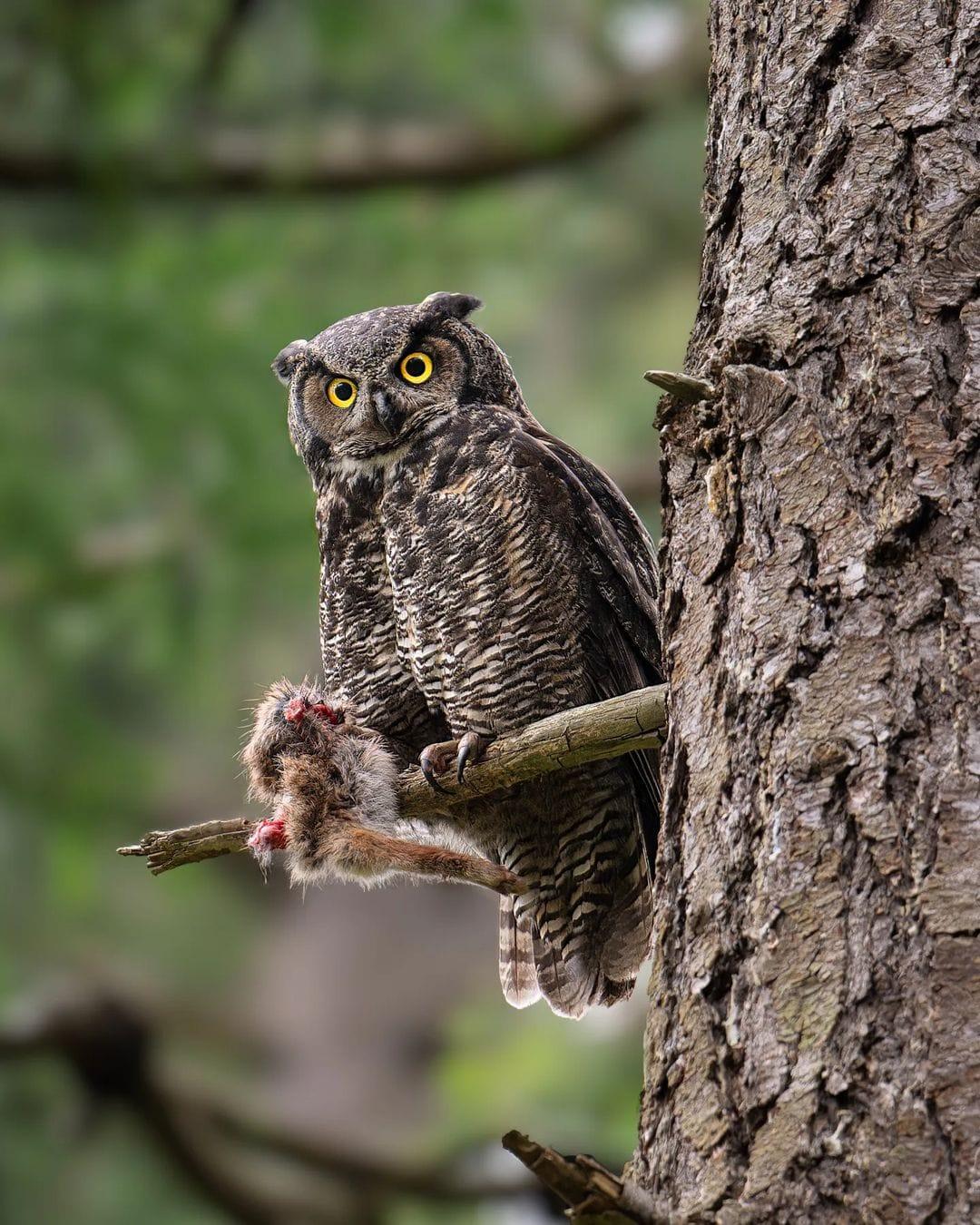
Owls exhibit a diverse diet by preying on various bird species, ranging from small songbirds to larger birds like herons and hawks. These birds serve as essential prey for owls, providing them with necessary nutrients and energy. Small songbirds, including sparrows, finches, and robins, are common targets for many owl species due to their abundance and accessibility. Larger birds like herons and hawks are also on the menu for owls, with formidable hunters like the great horned owl known to take down even seagulls.
Owls employ their exceptional stealth and silent flight to surprise their avian prey, often catching them off guard while perched or nesting. After consuming their catch, owls regurgitate pellets containing indigestible parts like feathers and bones, offering researchers valuable insights into their diet composition. The bird-focused diet of owls can vary depending on their habitat and hunting preferences, showcasing the adaptability and resourcefulness of these skilled predators.
Interactions Between Owls and Rabbits
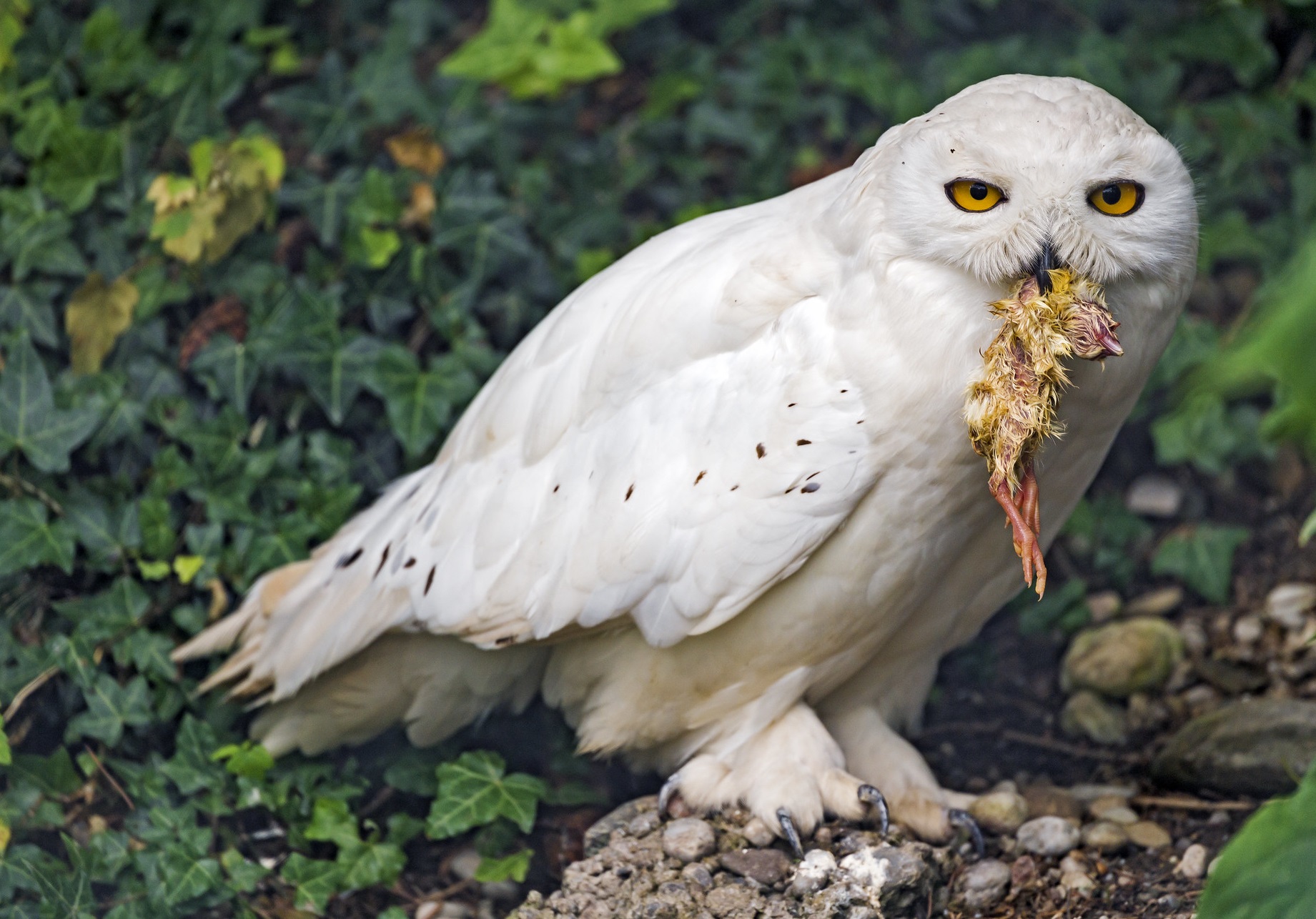
Various owl species are known to prey on rabbits, capturing and consuming both small and adult individuals with their sharp talons. Owls typically exhibit specific hunting tactics when targeting rabbits, utilizing their exceptional vision and silent flight to surprise their prey. When it comes to adult rabbits, larger owl species like great horned owls are capable of hunting and consuming those weighing around 4 pounds. On the other hand, smaller owls may focus on baby rabbits or smaller hare species for their sustenance. The interaction between owls and rabbits is a crucial aspect of the ecosystem, as it maintains a balance in the food chain. Owls play a significant role in controlling rabbit populations, which helps in preserving vegetation and preventing overgrazing. Understanding the dynamics of how owls prey on rabbits sheds light on the intricate relationship between these two species in the wild.
Owl Conservation Concerns
Concerns regarding owl conservation have been raised due to the impact of barred owls on spotted owl populations in the western United States. Conservationists are troubled by the presence of barred owls, an invasive species, which threaten the native spotted owl populations. Biologists advocate for culling operations to control the barred owl numbers and safeguard the endangered spotted owls. Genetic studies reveal significant genetic isolation between the western and eastern barred owl populations, exacerbating conservation challenges. Barred owls have extended their range into states like Washington, Oregon, California, and Alaska, leading to conflicts in conservation efforts.
| Conservation Concerns | Implications | Solutions |
|---|---|---|
| Barred owls vs. Spotted owls | Threaten spotted owl populations | Culling operations |
| Genetic studies | Highlight genetic isolation between barred owl populations | Management strategies |
Conservationists are actively striving to address the complexities arising from the interaction between barred and spotted owls through strategic interventions and genetic monitoring to ensure the long-term survival of the threatened spotted owl populations.