

Yes, deer do eat elderberry plants. They are attracted to the leaves, buds, and especially the nutritious berries of elderberry bushes. The sweet flavor and nutritional value make elderberries a popular choice for deer browsing. Their feeding habits often target elderberry plants due to the abundance of enticing food sources. Understanding deer behavior and preferences can help in managing landscapes effectively. If you want to learn more about how to protect your elderberry bushes from deer and maintain their health, further insights are available regarding deer-resistant properties, protective measures, and strategies for establishing a deer-resistant landscape.
Elderberry Plant Overview

The Elderberry plant, a deciduous shrub known scientifically as Sambucus nigra, produces dark purple to black berries in late autumn. While commonly found in Europe, it is interesting to note that some varieties of elderberry are actually native to North America. This plant, belonging to the Adoxaceae family, thrives in various habitats such as hedges, waste-ground, and woods. Noteworthy cultivars like S. nigra laciniata and S. nigra porphyrophylla have received awards for their ornamental foliage.
Despite the toxic properties of its seeds and green parts, elderberries are utilized in culinary dishes and traditional medicine. Birds and insects are particularly drawn to elderberries, with the plant playing a crucial ecological role as a food source. It serves as a vital attraction for pollinators, contributing to the biodiversity of its surrounding environment. Additionally, elderberries offer shelter for various forms of wildlife, showcasing the plant’s significance beyond its aesthetic appeal.
Deer Feeding Behavior
Deer exhibit a distinct feeding behavior that includes browsing on elderberry plants for their leaves, buds, and berries. These animals are attracted to the sweet and nutritious berries produced by elderberry bushes, making them a common target for deer browsing. The high deer populations in certain areas may necessitate protective measures such as fencing to prevent damage to elderberry plants. Monitoring deer activity around elderberry bushes can provide valuable insights into the extent of browsing and help determine the effectiveness of deterrent methods.
Understanding deer feeding behavior is crucial for preserving elderberry populations. Implementing deer-resistant strategies can play a significant role in safeguarding elderberry plants from excessive browsing damage. By observing and analyzing deer behavior patterns in relation to elderberry consumption, researchers and conservationists can develop targeted approaches to mitigate the impact of deer feeding on these valuable plants. It is essential to strike a balance between wildlife management and the conservation of elderberry habitats to ensure the sustainability of both deer populations and elderberry plant communities.

Deer Preferences in Landscapes
In various landscapes, elderberry plants are frequently targeted by deer for their nutritious berries and tasty foliage. Deer have been observed consuming various parts of elderberry bushes, including the leaves, buds, and berries. The attractiveness of elderberry to deer is likely due to the combination of flavorful foliage and the nutritional value of the berries. In areas with high deer populations, elderberry plants may require protective measures such as fencing to prevent damage from browsing. Monitoring deer behavior towards elderberry can provide insights into the level of protection needed to safeguard these plants effectively. Implementing deer deterrent methods can help minimize the impact of deer browsing on elderberry growth and production.
| Deer Preferences in Landscapes | |
|---|---|
| Observation | Data-Driven |
| Scientific | Nutritious |
| Attractiveness | Protection |
| Deterrent Methods |
Understanding Deer-Resistant Plants
Elderberry is not typically classified as a deer-resistant plant due to observed browsing behavior by deer. Deer show a keen interest in elderberry, consuming leaves, buds, and berries, which can significantly impact plant growth and fruit production. To mitigate deer damage, employing deer deterrent methods such as fencing or repellents is advisable. Regularly monitoring elderberry bushes for signs of deer activity is crucial to prevent extensive browsing. Despite deer’s attraction to elderberry, mature plants have the ability to grow tall, potentially out of reach for deer, reducing the risk of excessive browsing. Understanding that deer eat elderberry emphasizes the importance of proactive measures to safeguard these plants from deer-related harm. By implementing protective strategies and staying vigilant, it is possible to maintain elderberry bushes and their yield despite deer’s inclination towards consuming them.

Factors Affecting Deer Feeding Habits
Factors influencing the feeding habits of deer include plant availability, population density, and seasonal food preferences. When deer populations are high, elderberry plants become susceptible to deer damage due to their attractiveness as a food source. Elderberry leaves, buds, and berries are all potential targets for browsing deer, impacting the growth and production of elderberry plants. Similarly, plants like silky dogwood, favored by deer, may also require protection from deer browsing. Monitoring deer behavior towards elderberry can provide valuable insights into the extent of deer damage and help in determining the necessity of implementing deer deterrent methods to safeguard the plants. In areas with dense deer populations, protective measures such as fencing may be necessary to prevent deer from decimating elderberry plants. Understanding these factors is crucial in mitigating deer damage and preserving the health and productivity of elderberry and other vulnerable plant species.
Identifying Deer Damage on Plants
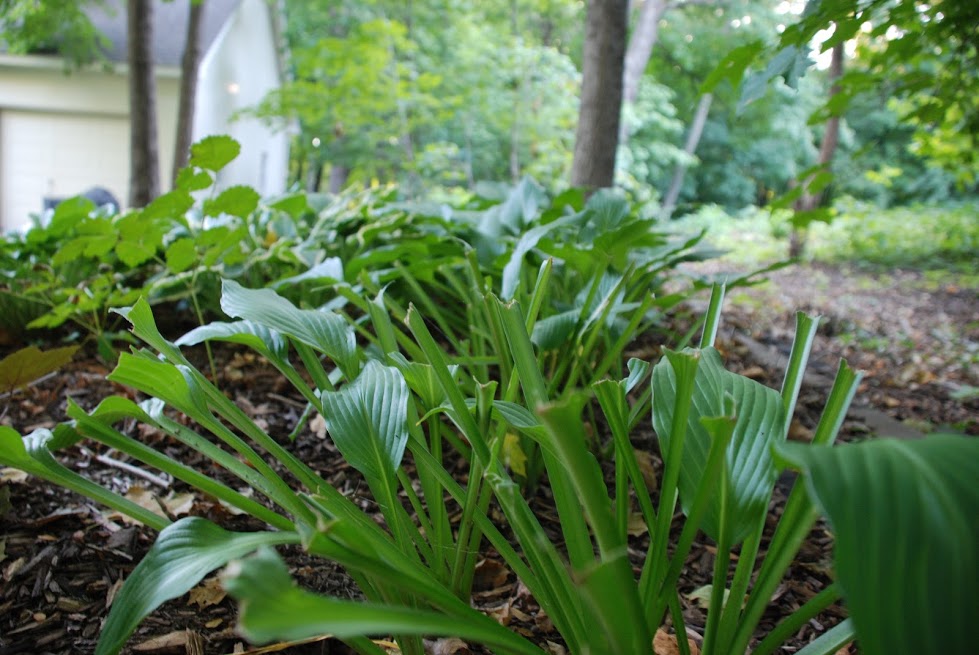
When assessing deer damage on plants, look for distinct signs such as torn leaves, broken stems, and nibbled fruits. Deer browsing on elderberry bushes can leave behind clear indicators of their presence. Torn leaves with jagged edges, broken stems where branches have been snapped or partially severed, and fruits with bite marks are common telltale signs of deer damage. Monitoring the extent of deer browsing can help gauge the impact on elderberry growth and fruit production.
Deer feeding on elderberry plants can hinder their development and diminish the yield of berries. Understanding how to identify deer damage is crucial in implementing effective protective measures to mitigate the impact. By recognizing the specific signs of deer presence, such as the distinctive patterns of leaf damage or the way stems are broken, gardeners and farmers can take proactive steps to deter deer and safeguard their elderberry plants. Regular observation and prompt action are key in managing deer damage and preserving the health of elderberry crops.
Elderberry Plant Characteristics

Observing the deciduous nature of Sambucus nigra, one can note its production of dark purple to black berries. These elderberry bushes, belonging to the Adoxaceae family, are native to Europe and have different subspecies like S. nigra subsp. canadensis and S. nigra subsp. cerulea. Elderberries are versatile, finding uses in culinary delights such as jams, wines, and liqueurs, with additional traditional medicinal applications. Despite their nutritional value, elderberries contain toxic compounds in their seeds and green parts, making them unsuitable for consumption raw. However, once cooked, elderberries and their derived products are safe for consumption. The shrub’s clusters of berries are a distinctive feature, attracting birds and pollinators, contributing to the plant’s ecological importance. The elderberry bushes can reach heights of up to 10 meters and are known for their resilience and ability to adapt to various soil conditions, making them a popular choice for gardens and landscapes.
Deer-Proofing Your Garden
To protect your elderberry plants from deer browsing, various deterrent methods can be implemented effectively. Deer are known to browse on elderberry plants, consuming leaves, buds, and berries, which can significantly impact the growth and yield of elderberries. Implementing deer-proofing measures such as fencing, repellents, or natural deterrents can help safeguard elderberry plants from deer damage. Regular monitoring of elderberry bushes for deer activity is crucial to evaluate the efficacy of these deer-proofing strategies.
Furthermore, planting elderberry bushes in areas less frequented by deer can also reduce browsing and promote successful growth. Properly managing deer interactions with elderberry plants not only protects your garden but also contributes to creating a better wildlife habitat. By implementing these deer-proofing methods, you can help preserve elderberry yields and ensure that your plants thrive without being compromised by deer browsing.
:max_bytes(150000):strip_icc()/fenced-vegetable-garden-getty-0821-2000-867087080d8f49d6a00ba0e85f4aced9.jpg)
Effective Deer Deterrent Methods
Consider utilizing a combination of natural deer repellents and physical barriers to effectively deter deer from consuming elderberry plants. Ready-to-use deer repellent sprays containing natural ingredients can be a practical option to discourage deer from feeding on elderberries. These sprays often contain scents that deer find unpleasant, deterring them from approaching the plants. Creating a natural deer repellent using pungent herbs like thyme, oregano, and rosemary can also mask the scent of elderberry, making it less attractive to deer. Additionally, planting marigolds around the elderberry bush can serve as a natural deterrent since deer tend to avoid plants with strong scents like marigolds. Herbs planted around the perimeter of the elderberry plant can act as additional natural repellents against deer. For a more permanent solution, installing fencing around the elderberry bush can effectively keep deer at bay and safeguard the plant from browsing. By implementing these deer deterrent methods, you can help protect your elderberry plants from deer damage.
Natural Deer Repellents for Elderberry
Several natural deer repellents can be effectively utilized to protect elderberry bushes from browsing deer. Pungent herbs such as thyme, oregano, and rosemary emit strong scents that deter deer from approaching the elderberry bushes. Additionally, planting marigolds around the elderberry bushes can help in deterring deer due to their potent aroma. Herbs like lavender and mint can also be strategically placed around the elderberry bush, as deer tend to avoid these fragrances. If looking for a more permanent solution, installing fencing around the elderberry bush is a reliable method to keep deer away from the plant. For added protection, applying ready-to-use deer repellent specifically formulated for elderberries can serve as an effective deterrent. By incorporating these natural deer repellents, you can help safeguard your elderberry bushes from deer browsing and ensure they thrive undisturbed.

Creating a Deer-Resistant Landscape
Deer browsing on elderberry bushes can significantly impact their growth and berry production, necessitating the creation of a deer-resistant landscape. Elderberry plants are not naturally deer-resistant, making them vulnerable to deer feeding. To protect elderberry bushes, implementing deer deterrent methods is crucial. Fencing, repellents, or selecting deer-resistant plants can help safeguard elderberries from browsing. Monitoring deer activity is essential to assess the effectiveness of protective measures and make adjustments accordingly. Since elderberry bushes can also attract birds that compete with deer for berries, proper landscape management is key. Establishing strong root systems in elderberry plants is vital, as it allows for the removal of protective cages once the plant is well-established. By creating a deer-resistant landscape with strategic deterrents and plant selection, you can help preserve the growth and berry production of elderberry bushes.
Elderberry Protection Strategies
To safeguard elderberry bushes from deer browsing, implementing a combination of deer repellents and physical barriers is essential. Here are some effective strategies to keep deer away from your elderberries:
- Deer Repellents: Utilize ready-to-use sprays or natural repellents containing pungent herbs like garlic or hot pepper. These scents deter deer from approaching and feeding on elderberry bushes.
- Physical Barriers: Erect fencing around elderberry plants or plant marigolds and herbs around the perimeter to create a natural barrier. These barriers make it more challenging for deer to access the elderberries, reducing the likelihood of browsing damage.
- Regular Monitoring: Stay vigilant and regularly inspect elderberry plants for signs of deer activity. Adjust protection methods as needed based on the level of browsing observed, ensuring continued effectiveness in keeping deer away from your elderberries.

Preventing Deer Browsing on Elderberry
When it comes to preventing deer browsing on elderberry bushes, implementing effective deterrent methods such as fencing, repellents, or natural barriers is crucial in safeguarding the plants from potential damage. Deer are known to target elderberry leaves, buds, and berries, posing a threat to the plants. To protect elderberries from deer browsing, it is vital to employ strategies that deter these animals. Regular monitoring of elderberry plants for deer activity is essential to prevent damage and ensure healthy growth. Elderberries are enticing to deer due to their palatable foliage and berries, underscoring the necessity of protection measures for successful cultivation. Deer browsing on elderberry can significantly impact plant growth and berry production, emphasizing the importance of deterring deer to preserve the harvest.
| Deterrent Method | Description | Effectiveness |
|---|---|---|
| Fencing | Physical barrier to keep deer away | High |
| Repellents | Chemical substances that deter deer | Moderate |
| Natural Barriers | Planting deer-resistant species around elderberry bushes | Low |
Maintaining Elderberry Plant Health

Pruning damaged or diseased limbs from elderberry bushes is essential for maintaining plant health. This practice helps prevent the spread of diseases and encourages healthy growth. Additionally, applying fertilizer in early spring can promote new growth and aid in the overall recovery of elderberry plants. Ensuring the bushes receive adequate nutrients is crucial for their long-term health and productivity.
Here are three key tips for maintaining elderberry plant health:
- Regular Monitoring: Keep a close eye on your elderberry bushes for any signs of deer browsing. Promptly addressing any damage can prevent further harm and promote plant resilience.
- Protective Measures: Implement protective measures such as fencing or natural repellents to safeguard young elderberry plants from deer. This proactive approach can help sustain the health of your plants.
- Companion Planting: Consider planting deer-resistant species around your elderberry bushes to deter deer and maintain the overall health of your elderberry crop. Companion planting can create a natural barrier against browsing deer, enhancing the well-being of your elderberries.