

Deer love to munch on acorns, essential for their diet and energy. These nuts have a critical role in deer survival, impacting their behavior and movement. Factors like tannic acid levels, acorn quality, and availability influence deer preferences. White oak acorns are a top choice due to lower tannic acid content, while red oak ones are less favored. Acorns attract and sustain deer populations, guiding habitat management practices. Using acorns strategically can enhance deer encounters for hunting. Understanding deer-acorn relationships leads to successful deer conservation and sustainable habitats. Curious about the intricate interplay between deer and acorns?
Deer Foraging Behavior During Fall

During the fall season, deer actively seek out acorns as a primary source of essential nutrients and energy, influencing their foraging behavior significantly. Acorns, which are the fruit of oak trees, serve as a critical food source for deer, providing them with carbohydrates, fats, and proteins essential for their survival and energy needs. The production of acorns varies from year to year, affecting the availability of this vital food source for deer populations.
Deer exhibit distinct preferences for acorns based on factors such as the type of oak tree, acorn size, and taste. They are known to selectively feed on certain acorn species over others, showing a nuanced approach to foraging behavior. The abundance of acorns in an area can attract deer, leading to concentrated feeding activity in regions with high acorn production.
Observing deer during the fall can provide valuable insights into their behavior patterns around acorns, shedding light on how these animals adapt their foraging strategies to ensure they meet their dietary requirements. Understanding the intricate relationship between deer and acorns is essential for wildlife management practices and conservation efforts.
Factors Influencing Deer Acorn Preferences
Deer acorn preferences are influenced by various factors, including acorn quality, tannic acid content, and availability. When it comes to oak species, deer display a preference for acorns with lower tannic acid levels. For instance, certain oak species like sawtooth oaks are highly favored by deer due to their reduced tannic acid content. This preference is evident in deer’s foraging behavior, where they may leave red oak acorns until later in the season, opting for varieties with lower levels of this bitter compound initially.
Additionally, factors such as soil type, worm infestations, and acorn size play a role in shaping deer acorn preferences. Understanding these elements can aid in identifying productive acorn trees that align with deer’s tastes. For hunters and wildlife enthusiasts, scouting for oak species that are preferred by deer can enhance the appeal of hunting grounds and contribute to a better understanding of deer acorn preferences.
Oak Species Favored by Deer
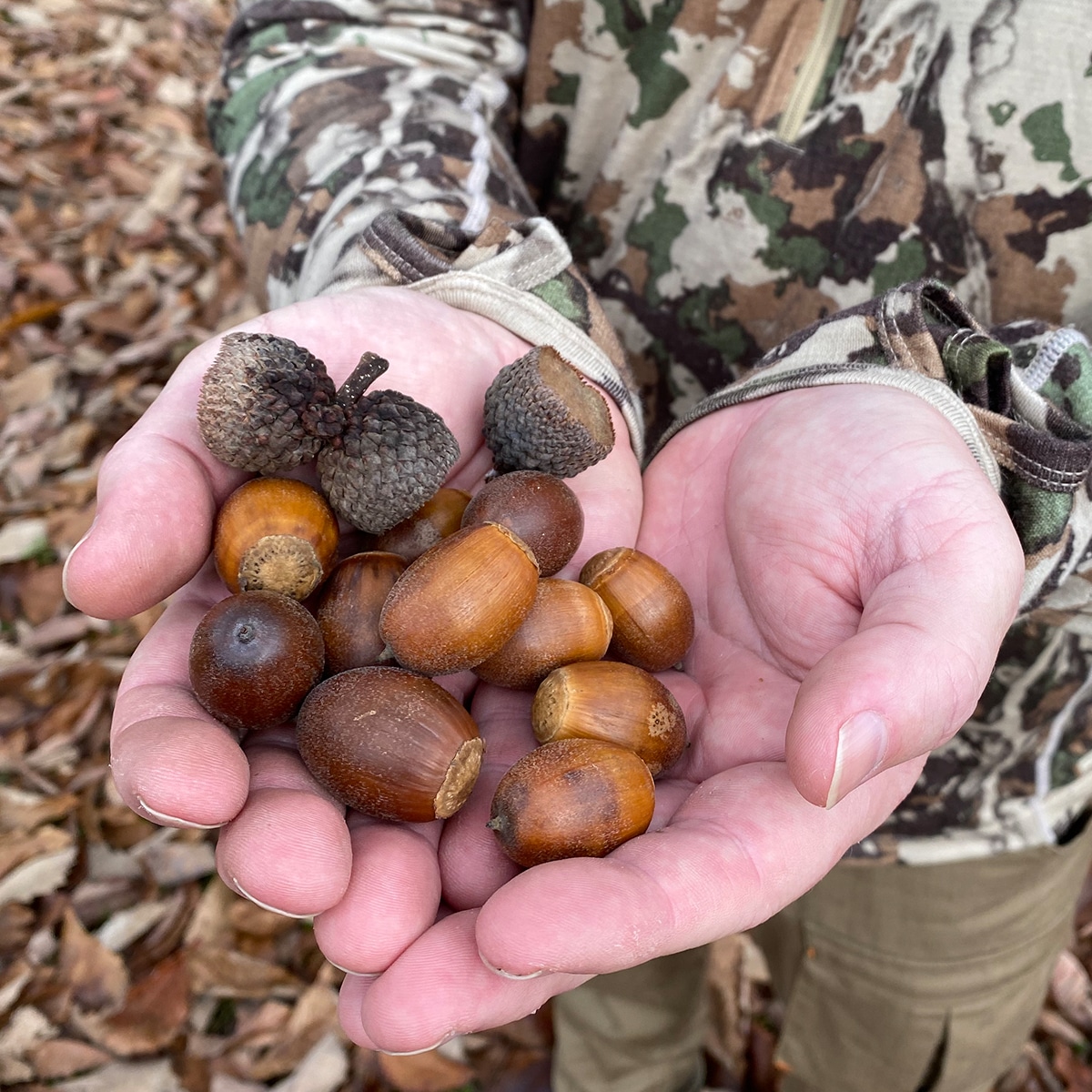
Factors such as tannic acid content and nutritional value heavily influence deer’s preferences for specific oak species when it comes to consuming acorns. Among these, white oak acorns stand out as a top choice for deer due to their low tannic acid content, making them highly favored. Sawtooth oak acorns also rank high on the deer’s list, valued for their nutritional richness and early availability during the season. While red oak acorns are less preferred due to their bitterness and higher tannin levels, they become a late-season food source for deer. Live oak acorns become desirable for deer, especially after a summer of greens, providing an early food source. Water oak acorns, despite their small size and bitterness, serve as an early-season food source that deer in certain regions favor. Understanding the preferences of deer towards these different oak species can aid in managing habitats to support their dietary needs effectively.
Impact of Acorns on Deer Diet

The consumption of acorns plays a significant role in shaping the dietary habits of deer, impacting their overall health and well-being. Acorns are a crucial component of a deer’s diet due to their high nutritional value, providing essential fats and carbohydrates necessary for their survival. Here are some key observations regarding the impact of acorns on deer diet:
- Nutritional Value: Acorns are rich in fats and carbohydrates, offering deer a vital food source during fall and winter.
- Diet Diversity: Deer heavily rely on acorns to diversify their diet, which positively influences their health and well-being.
- Behavioral Impact: The availability of acorns can significantly influence deer behavior, leading to changes in feeding patterns and movement.
- Movement Patterns: Deer exhibit altered movement patterns influenced by the distribution of acorns, affecting their foraging and migration behaviors.
- Population Dynamics: Understanding the role of acorns in deer diet is crucial for managing deer populations effectively and implementing sustainable hunting strategies.
Acorn Availability and Deer Habitat
Acorn availability in deer habitats directly influences the movement and foraging behavior of these animals, shaping their feeding preferences and overall ecological interactions. Deer heavily rely on acorns as a crucial food source, especially during the fall and winter months when other food may be scarce. Understanding the cyclical patterns of acorn production is essential for effectively managing deer populations and conserving their habitats. Acorn-rich areas serve as magnets for deer, drawing them in and influencing their feeding choices.
| Acorn Availability and Deer Habitat | ||
|---|---|---|
| Key Points | Observations | Implications |
| – Acorns impact deer movement | – Deer prefer areas with abundant acorns | – Acorn availability predicts deer presence |
| – Acorns shape foraging behavior | – Deer spend more time foraging in oak-rich environments | – Acorns influence deer feeding preferences |
| – Acorns are crucial food sources | – Deer consume acorns to meet their nutritional needs | – Acorn abundance affects deer populations |
Deer Feeding Patterns in Oak-Rich Environments
Observing deer behavior in oak-rich environments reveals their selective feeding patterns based on acorn preferences. In these areas, deer exhibit discerning behaviors when choosing which acorns to consume, showcasing a hierarchy in their preferences. The following observations shed light on deer feeding patterns in oak-rich environments:
- Deer are particularly fond of acorns from white oaks due to their lower tannic acid content.
- Certain oak species are favored over others, indicating a nuanced selection process by deer.
- Understanding regional variations in oak species and acorn production is key to predicting deer feeding patterns accurately.
- Deer show a preference for specific acorn drop timing and availability, influencing their feeding habits.
- Monitoring these factors is essential for hunters seeking success in oak-rich areas, as deer behavior closely aligns with acorn availability in their environment. Through careful observation and analysis, one can anticipate deer feeding patterns and optimize hunting strategies accordingly.
Importance of Acorns in Deer Nutrition

Deer heavily rely on acorns as a vital source of nutrition, essential for their overall health and energy levels during fall and winter. Acorns are packed with crucial fats and carbohydrates that provide deer with the necessary nutrients to thrive in their habitats. Research indicates that acorns play a significant role in positively impacting deer body weight and overall health. Different oak species produce acorns in a cyclical pattern, ensuring a sustained food source for deer populations. Understanding deer’s preferences for acorns can aid in habitat management practices and hunting strategies, as acorns are a key element in deer nutrition. By recognizing the importance of acorns in the diet of deer, wildlife managers can make informed decisions regarding habitat conservation and enhancement. Ultimately, the availability and quality of acorns in an area can greatly influence the health and population dynamics of deer.
Acorn Planting for Deer Attraction
Planting oak trees can effectively draw deer to specific areas for feeding and browsing, creating sustainable food sources for their populations. When considering acorn planting for deer attraction, it’s essential to understand the significant impact it can have on wildlife management. Here are some key aspects to consider:
- Attracting Deer: Acorn planting serves as a natural magnet for deer, enticing them to specific locations for food and sustenance.
- Sustainable Food Sources: By establishing oak trees that produce acorns, you are providing a reliable and ongoing food source for deer populations.
- Oak Species Variation: Different oak species drop acorns at varying times throughout the year, ensuring a continuous supply of food for deer.
- Strategic Wildlife Management: Acorns are a preferred food source for deer, making acorn planting a strategic tool for managing deer populations effectively.
- Habitat Management: Understanding the regional preferences for acorns can assist in habitat management, creating an environment that maximizes deer attraction and sustenance.
Oak Tree Cultivation for Deer Management
Understanding the cultivation of oak trees plays a significant role in managing deer populations effectively on your property. Oak trees, especially white oaks and sawtooth oaks, are crucial for attracting and sustaining deer due to their acorns. These acorns provide a vital food source for deer, ensuring their nutrition and survival. By planting a variety of oak species, you can extend the availability of acorns, supporting deer through fall and winter when food sources can be scarce. Different oak species drop acorns at varying times, creating a continuous supply of food for deer throughout the seasons. Regional oak species preferences should be considered when planning your oak tree cultivation to optimize deer habitat management. Maintaining a diverse mix of oak trees not only enhances deer habitat but also provides feeding opportunities, contributing to overall wildlife sustainability on your property. By cultivating oak trees strategically, you can create a thriving ecosystem that benefits both deer populations and other wildlife.
Using Acorns to Lure Deer
Using acorns strategically can significantly enhance your ability to attract deer to specific areas for hunting or observation purposes. When considering using acorns to lure deer, it is essential to understand their preferences and movement patterns. Here are some key points to keep in mind:
- Preferred Food: Deer are attracted to acorns as they are a favored food source, especially during a bumper crop year.
- Acorns as Bait: Placing acorns in feeders or specific locations can lure deer back to those areas, increasing your chances of encountering them.
- Good Crop Identification: Identifying areas with a good acorn crop can help in selecting prime locations for luring deer.
- Deer Movement Patterns: Monitoring deer movement patterns can assist in strategically placing acorns to attract them.
- Enhanced Attractability: Understanding the types of acorns deer prefer can enhance the effectiveness of using acorns as bait for deer luring.
Acorns as a Hunting Strategy for Deer

To optimize your hunting success, incorporating acorns strategically into your hunting approach can significantly increase your chances of encountering deer during their feeding times. Hunting near areas with abundant acorns, such as oak trees, can be a fruitful strategy as deer are drawn to these food sources. Placing feeders filled with acorns in specific locations can also attract deer, providing you with a targeted hunting spot.
During the acorn season, understanding deer behavior becomes paramount. Monitoring acorn availability and deer movement patterns allows you to plan your hunts effectively. By adapting your hunting techniques to align with deer feeding habits during this time, you can enhance your chances of a successful hunt. Paying attention to where deer are feeding on acorns and when they frequent these areas can inform your hunting strategy, increasing the likelihood of a successful encounter. In essence, leveraging acorns as part of your hunting strategy can be a strategic approach to capitalize on deer movement patterns during their feeding times.
Enhancing Deer Populations With Acorns
Planting a variety of oak species can effectively boost deer populations by ensuring a continuous and diverse supply of acorns throughout the year. Different types of oaks like sawtooth, white, and willow oaks drop acorns at various times, which helps sustain deer populations by providing a consistent food source. The acorns, rich in essential nutrients, fats, and carbohydrates, are highly preferred by deer, aiding in their weight gain and overall health. This mast choice plays a crucial role in maintaining deer populations, contributing to their reproductive success and diet diversity. Understanding deer’s acorn preferences and behavior can assist in habitat management, hunting strategies, and promoting a healthy deer population.
- Planting various oak species provides a continuous supply of acorns.
- Different oak varieties drop acorns at different times, ensuring a consistent food source.
- Acorns are rich in essential nutrients, fats, and carbohydrates.
- Deer highly prefer acorns, aiding in their weight gain and overall health.
- Acorns play a crucial role in maintaining deer populations and contributing to their reproductive success.