

Crepe myrtles lack nectar, making them less appealing to hummingbirds. These birds thrive on nectar-rich plants like salvia and bee balm. With their high metabolic rate, hummingbirds need consistent access to energy-packed nectar sources. To attract these vibrant creatures, opt for flowers that bloom at different times for a steady food supply. While crepe myrtles attract small birds and insects, they are not a hummingbird’s top choice. Consider planting a variety of nectar-rich plants like salvia and honeysuckle to create a haven for hummingbirds in your garden. Their preferences play a crucial role in landscaping decisions.
Myth: Crepe Myrtles Attract Hummingbirds?
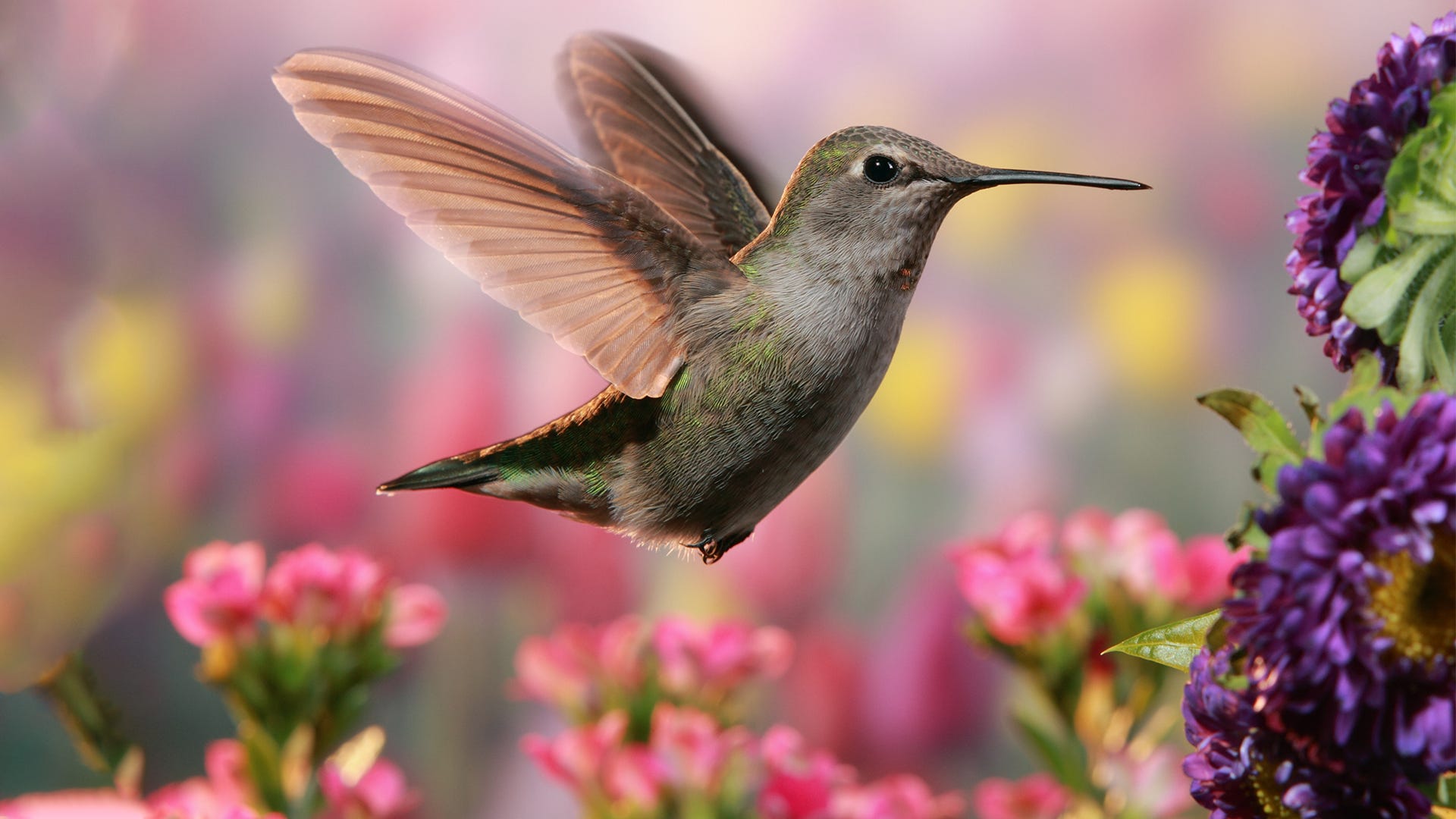
Contrary to popular belief, crepe myrtles do not attract hummingbirds with their flowers’ nectar due to the absence of nectar production in crepe myrtle blooms. While these vibrant flowers may seem like a perfect spot for hummingbirds to feed, they lack the sweet reward these birds seek. Hummingbirds, known for their love of nectar-rich blooms, are more likely to be drawn to flowers like salvias and bee balms for their feeding needs.
The misconception that crepe myrtles attract hummingbirds solely for nectar can be debunked by understanding the biology of these trees. Instead of being a direct food source, crepe myrtles may serve as resting spots or even nesting sites for hummingbirds. These birds might visit crepe myrtles not for the flowers themselves but for the insects that are drawn to the tree, fulfilling a different aspect of their dietary requirements.
Knowing that crepe myrtles do not provide nectar for hummingbirds is crucial in creating a garden that caters to these tiny, nectar-loving creatures. By incorporating nectar-rich plants alongside crepe myrtles, you can attract and support a variety of wildlife in your garden.
Hummingbird Feeding Preferences

Hummingbirds exhibit distinct preferences for flowers that produce nectar, a vital food source due to their high metabolic rate. While they are not specifically attracted to tubular flowers, the presence of nectar-rich blooms plays a crucial role in attracting these fascinating birds. Crepe myrtles, unfortunately, do not produce nectar, making them less appealing to hummingbirds compared to plants like salvia and bee balm which are known for their nectar-rich properties.
Hummingbirds have a rapid metabolism, requiring them to feed frequently on sources rich in energy, such as flower nectar. To cater to their feeding preferences, it is advisable to plant a variety of nectar-producing flowers that bloom at different times. This ensures a continuous and diverse food supply for hummingbirds throughout the seasons. By prioritizing the inclusion of nectar-rich plants in your garden, you can create a welcoming environment that is more likely to attract these delightful aerial acrobats.
Factors Influencing Bird Attraction
Factors influencing the attraction of birds to your garden include the presence of nectar-rich flowers and the variety of blooming plants available. Hummingbirds are particularly drawn to flowers that produce nectar, making them essential for attracting these delightful creatures. While crepe myrtles themselves do not produce nectar, they can still play a role in supporting wildlife indirectly. To enhance the chances of attracting hummingbirds to your garden, consider planting nectar-rich flowers like salvia and bee balm alongside your crepe myrtles. Understanding the specific flower preferences of hummingbirds can guide your landscaping decisions to create a more bird-friendly environment. Below is a table showcasing some nectar-rich flowers that are known to attract hummingbirds:
| Nectar-Rich Flowers | Description |
|---|---|
| Salvia | Tall spikes of tubular flowers in various colors. |
| Bee Balm | Clusters of red, pink, or purple tubular flowers. |
| Trumpet Vine | Long trumpet-shaped flowers in vibrant hues. |
| Honeysuckle | Sweetly scented, tubular flowers in pink, red, or orange. |
| Penstemon | Bell-shaped flowers on tall spikes, attracting hummingbirds with their nectar. |
The Role of Crepe Myrtles

When considering the role of crepe myrtles in attracting wildlife to your garden, it is important to understand their distinct characteristics and how they interact with the ecosystem. Crepe myrtles, known for their vibrant red flowers, do indeed attract small birds and insects due to their blooms and seeds. However, it is essential to note that these trees do not produce nectar, which is a primary source of attraction for hummingbirds. While crepe myrtles may bring some wildlife to your garden, they are not a significant food source for hummingbirds. Hummingbirds are more likely to be drawn to flowers that provide nectar, making plants like salvia and bee balm more effective in attracting these tiny, fast-flying birds. Although crepe myrtles are valued for their stunning blooms and may bring in small birds, they are not specifically known for their ability to attract hummingbirds due to the lack of nectar in their flowers.
Alternative Hummingbird-Friendly Plants
Considering the need to attract hummingbirds to your garden, exploring alternative plants like salvia, bee balm, and honeysuckle can provide nectar-rich flowers that are highly sought after by these swift birds. Hummingbirds are attracted to tubular, brightly colored flowers with long blooming periods, making these plants ideal choices for your garden. Salvia, with its vibrant red, pink, or purple flowers, is a favorite of hummingbirds due to its copious nectar production. Bee balm, also known as Monarda, boasts showy, fragrant blooms that hummingbirds find irresistible. Honeysuckle, with its sweetly scented, tubular flowers, provides a rich nectar source that hummingbirds love.
Diversifying your garden with a variety of hummingbird-friendly plants ensures a continuous food supply for these fascinating birds. By incorporating these nectar-rich flowers, you can create a haven that not only attracts but also sustains hummingbirds in your outdoor space. Make your garden a hummingbird paradise by planting these alternative hummingbird-friendly plants.
Nectar-Producing Plant Recommendations
To attract hummingbirds to your garden, it is crucial to strategically plant nectar-producing flowers that provide ample food sources for these swift birds. Hummingbirds are primarily attracted to nectar-rich flowers with tubular shapes that allow them to access the sweet liquid inside. Some excellent nectar-producing plant options include salvia, bee balm, and honeysuckle. These plants not only offer abundant nectar but also present vibrant and attractive blooms that can enhance the aesthetic appeal of your garden.
Salvia, also known as sage, produces long tubular flowers that are perfect for hummingbirds to feed from. Bee balm, with its colorful and showy blooms, is another favorite among these tiny birds. Honeysuckle, with its fragrant and nectar-filled flowers, is a great addition to any garden aiming to attract hummingbirds. By incorporating these nectar-rich plants into your garden landscape, you can create a welcoming environment that entices hummingbirds to visit and thrive.
Creating a Hummingbird-Friendly Garden

Enhance the presence of hummingbirds in your garden by strategically incorporating nectar-rich flowers, providing feeders with fresh sugar water, and creating a habitat with resting perches. When designing your hummingbird-friendly garden, consider including a variety of flowers that bloom at different times to ensure a continuous food supply for these delightful birds. Additionally, planting crepe myrtles can attract hummingbirds, especially in areas with partial shade. Here is a table showcasing some nectar-rich flowers that you can include in your garden to create a welcoming environment for hummingbirds:
| Flower | Blooming Season | Sun Exposure | Special Notes |
|---|---|---|---|
| Salvia | Summer to Fall | Full Sun | Available in various colors |
| Bee Balm | Summer | Partial Sun | Resistant to mildew |
| Honeysuckle | Spring to Fall | Full Sun | Fragrant flowers attract birds |
| Cardinal Flower | Summer to Fall | Full Sun | Bright red blooms are eye-catching |
Enhancing Ecosystem Diversity
By attracting hummingbirds with their vibrant blooms and nectar-rich flowers, crepe myrtles significantly contribute to enhancing ecosystem diversity. Serving as a foundation plant in many landscapes, crepe myrtles with their upright growth not only provide a picturesque addition but also support a myriad of wildlife. The presence of hummingbirds around these trees adds to the overall biodiversity by attracting other pollinators and predators, creating a balanced ecosystem.
In addition to hummingbirds, crepe myrtles attract various birds and beneficial insects, further enriching the surrounding environment. The nectar produced by crepe myrtles serves as a vital food source for hummingbirds, essential for their survival and reproduction. This interaction highlights the interconnectedness of species in the ecosystem and emphasizes the importance of maintaining diverse plant species. Observing hummingbirds feeding on crepe myrtle flowers can offer educational insights into the intricate relationships within nature, showcasing the significance of these trees in supporting wildlife populations.
Final Thoughts on Hummingbird Habitats
Considering the specific nectar requirements of hummingbirds, creating a habitat that provides ample food sources is crucial for attracting and supporting these fascinating avian visitors. To ensure a thriving hummingbird habitat, keep the following in mind:
- Nectar-Rich Flowers: Hummingbirds are primarily attracted to flowers that provide nectar for feeding. Planting nectar-rich flowers like salvia or bee balm alongside crepe myrtles can enhance the chances of attracting these birds.
- Diversity of Blooms: Understanding the specific flower preferences of hummingbirds can help in designing a garden that appeals to them. Incorporating a variety of nectar-producing flowers can attract a wider range of hummingbird species.
- Sheltering Foliage: Hummingbirds not only seek out nectar sources but also require shelter. Trees and shrubs with dense foliage can provide resting spots and protection for these tiny birds.
- Watch for Powdery Mildew: While crepe myrtles have vibrant blooms, they are susceptible to powdery mildew, which can affect the overall health of the plant. Regularly inspecting the leaves for signs of powdery mildew is essential for maintaining a healthy habitat for hummingbirds.