

In your raised bed garden, ants invade for moisture, food, and nesting. They damage roots, promote aphid growth, and hinder plant health. Look for ant trails and wilted plants as signs. Why are they drawn to raised beds? Nesting spots, decaying matter, and aphid honeydew. To deter ants, keep beds well-drained, tidy, and sturdy. Watch for aphids, water levels, and decaying debris. Employ natural remedies like borax traps, vinegar spray, or citric peels. Dive into preventive measures, traps, and safe deterrents to tackle ant troubles in your garden with ease.
Understanding Ant Behavior in Gardens

Ants in raised bed gardens exhibit specific behaviors driven by their attraction to moisture, food sources, and nesting opportunities. When an ant infestation occurs, it’s often due to the presence of aphids in the garden beds. These aphids produce honeydew, a sugary substance that serves as a food source for ants.
The scavenging behavior of ants is also fueled by decaying organic matter found in the raised garden beds. Ants, in their search for food and water, disrupt plant root systems and potentially spread diseases, indirectly harming the garden plants.
Moreover, the structure and conditions of raised garden beds provide an ideal environment for ant nest building. The elevated nature of the beds offers protection and security for the ant colonies. Understanding these aspects of ant behavior is crucial in effectively managing and controlling ant infestations in raised bed gardens.
Impact of Ants on Plant Health
Raised bed gardens hosting ant populations can significantly impact the health of plants through various mechanisms such as root disturbance and disease spread. Ants in the garden can disrupt plant health in the following ways:
- Root Disturbance: Ants tunneling through the soil in raised beds can disturb plant roots, affecting their ability to absorb water and nutrients.
- Aphid Attraction: Ants are drawn to aphids in raised beds, which can lead to a harmful cycle where ants protect aphids, further damaging plant health.
- Nest Damage: Ant nests established within raised beds can cause physical damage to plant roots, stunting growth and overall plant health.
- Pest Protection: Ants can indirectly harm plants by safeguarding pests like aphids that feed on crops, exacerbating the negative impact on plant health.
Understanding the detrimental effects of ants in raised bed gardens is crucial for maintaining optimal plant health and productivity. By addressing ant infestations promptly, gardeners can mitigate the risks associated with these tiny yet impactful pests.

Signs of Ant Infestation
You can identify signs of ant infestation in raised bed gardens by observing ant trails leading to plant bases. Additionally, visible damage like wilting or yellowing of plants could indicate the presence of ants.
It’s crucial to monitor plant health closely for any potential symptoms of ant infestation in raised garden beds.
Ant Trails
Visible as distinct lines of activity, ant trails in raised bed gardens serve as crucial indicators of potential infestation and foraging behavior. These trails, often seen along the edges of raised beds or near plants, can provide valuable insights into the presence of ants and associated pest issues.
By following ant trails, you can track their movements and locate the source of the infestation, which is typically a nearby nest. Understanding ant trails is essential for effective pest control in raised bed gardens.
Here are some key points to consider:
- Ant trails are pathways ants use to travel between their nest and food sources.
- These trails may lead to areas with aphids or other pests, indicating a symbiotic relationship between ants and pests.
- Disrupting ant trails through physical barriers or natural repellents can help deter ants from infesting your garden.
- Regularly monitoring ant trails and taking proactive pest control measures can prevent further infestations and damage to your plants.

Plant Damage
Detecting signs of ant infestation in raised bed gardens often involves observing plant damage as a key indicator of their presence and impact on plant health. Ants in raised beds can cause plant damage by disrupting root systems, leading to nutrient deficiencies and stunted growth. Additionally, ants may spread diseases among plants, further compromising their health. Here are some common signs of plant damage caused by ants in raised beds:
| Signs of Plant Damage by Ants | Description |
|---|---|
| Wilting plants | Ants disrupting root systems can cause plants to wilt due to a lack of proper nutrient uptake. |
| Yellowing leaves | Plant damage from ants can manifest as yellowing leaves, indicating stress and potential nutrient deficiencies. |
| Deformed growth | Ant infestations in raised beds may result in deformed growth patterns in plants, affecting their overall development. |
| Reduced fruit production | Ants interfering with plant health can lead to reduced fruit production and quality in raised bed gardens. |
| Increased pest presence | Ants in raised beds can attract other pests like aphids, further damaging plant health and growth. |
Observing these signs of plant damage is crucial for identifying ant infestations in raised beds promptly and implementing effective control measures to protect your plants.
Raised Bed Garden Attraction Factors
Raised garden beds exhibit a high level of attractiveness to ants primarily due to the presence of moisture and abundant food sources within their structure. Ants are naturally drawn to these raised environments for various reasons, including:
- Nesting Sites: The structure and soil conditions of raised garden beds make them suitable locations for ant colonies to establish nests.
- Decaying Organic Matter: Ants are attracted to the decaying organic matter present in raised beds as a food source.
- Aphid Honeydew: Aphids commonly found in raised garden beds produce honeydew, a sweet substance that attracts ants in search of food.
- Ideal Habitat: The raised environment of garden beds provides an ideal habitat for ant nest building and foraging activities.
Understanding these factors can help in devising effective strategies to control ant infestations in raised garden beds. By addressing the root causes of attraction, such as moisture levels and food availability, it’s possible to reduce the likelihood of ants disrupting your gardening efforts.
Preventive Measures for Ants
To deter ants from infesting your raised garden beds, it’s essential to implement preventive measures that target their attraction factors and disrupt their ability to thrive in the environment.
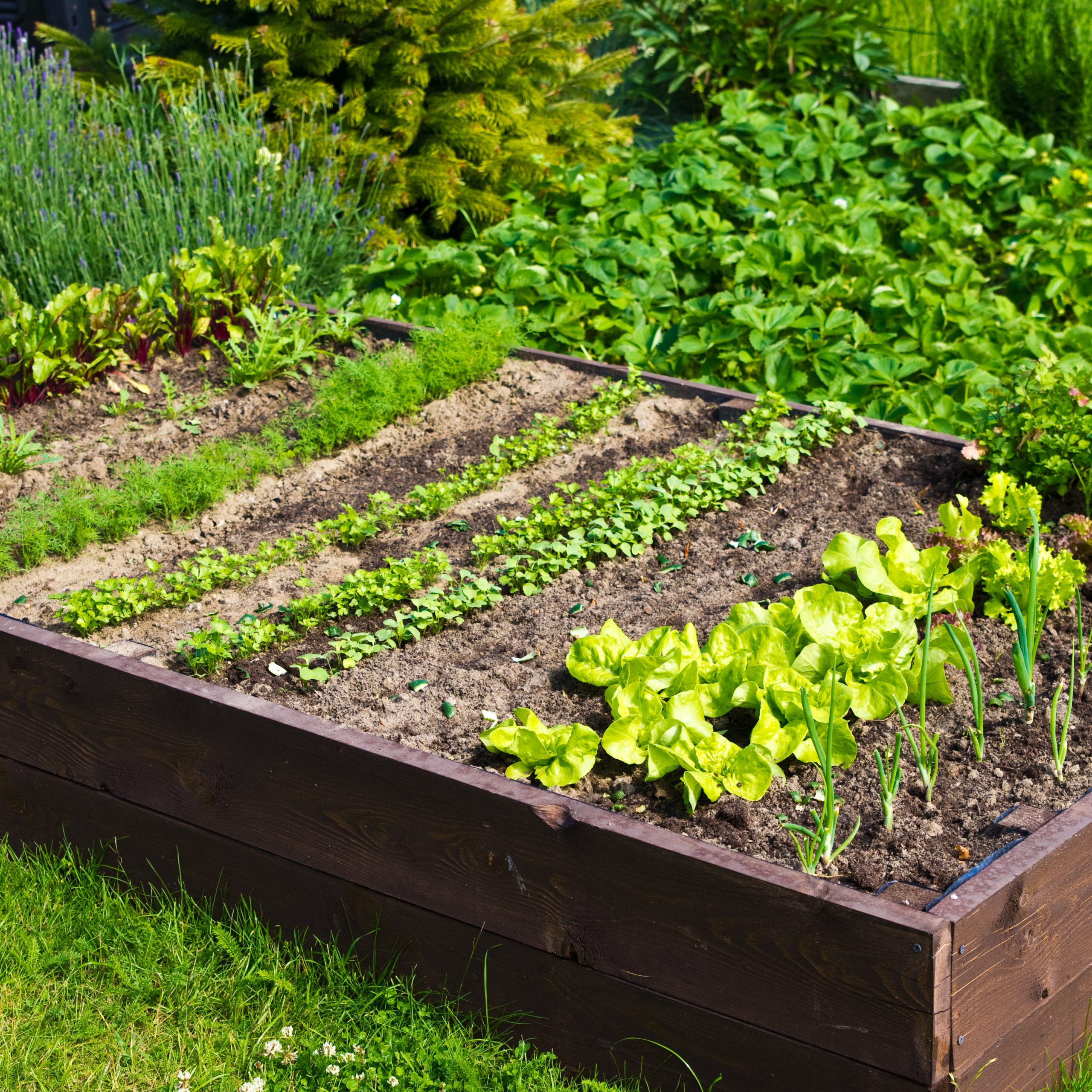
Proper drainage is crucial to prevent excess moisture that attracts ants. Ensure your raised garden bed has adequate drainage holes and use well-draining soil to minimize moisture retention. Regularly cleaning and removing debris from the garden bed will also discourage ant presence by eliminating food sources and hiding spots.
Choosing a raised garden bed with sturdy construction, such as VEVOR, can help deter ant infestations as it reduces potential entry points for ants. Additionally, avoid over-watering plants in raised beds to keep moisture levels low, as ants are attracted to damp environments.
Utilizing drip irrigation or soaker hoses can help water plants efficiently while minimizing soil surface contact with moisture, further deterring ants from colonizing your garden bed. Consider using ant baits strategically placed around the perimeter of the garden bed to target ants directly and prevent infestations.
Choosing the Right Garden Bed
Consider selecting a raised garden bed with robust construction to deter ant infestations and promote a healthy gardening environment. When choosing the right garden bed to prevent ant hills, keep in mind the following tips:
- Opt for a raised garden bed with sturdy construction, like VEVOR, to discourage ants from nesting.
- Look for raised garden beds with proper drainage holes to prevent moisture buildup, which can attract pests.
- Choose a raised garden bed that minimizes soil surface contact with moisture by using drip irrigation or soaker hoses to control ant infestations.
- Select a raised garden bed that’s easy to clean and maintain, ensuring debris and decaying matter are removed regularly to discourage ants.

Maintaining Garden Bed Health
Maintaining the health of your raised garden bed is crucial for preventing ant infestations and ensuring optimal plant growth. Regularly cleaning debris and decaying matter from your raised bed is essential, as these can attract ants looking for food sources.
Additionally, ensuring proper drainage in your raised garden bed helps reduce excess moisture, which ants are drawn to for nesting. Water your plants judiciously to avoid creating overly moist conditions that can invite ants. Consider using drip irrigation or soaker hoses to minimize moisture contact with the soil surface, making the environment less favorable for ant habitation.
When selecting a raised garden bed, opt for a sturdy one with adequate drainage holes to deter ants from establishing colonies. By maintaining your garden bed’s health through these practices, you can significantly decrease the risk of ant infestations and promote a thriving garden ecosystem.
Identifying Ant Infestation Sources

Ant infestation sources in raised bed gardens can be traced back to various factors, including aphids attracting ants with honeydew secretions. These factors contribute to the establishment and persistence of ant colonies within garden beds.
When identifying ant infestation sources, it’s essential to consider the following:
- Aphids Protecting Ants: Aphids excrete a sugary substance known as honeydew, which attracts ants. Ants will protect the aphids from predators in exchange for this sweet substance.
- Moisture Levels: Over-watering or poor drainage in raised garden beds can create a moist environment that attracts ants seeking water sources.
- Organic Matter Decay: Decaying organic matter in garden beds serves as a food source for scavenging ants, encouraging them to establish colonies.
- Nesting Sites: Ants may nest in the structure of raised garden beds, making it challenging to eradicate infestations as they’ve a secure nesting place.
Understanding these sources is crucial for effectively managing ant infestations in raised bed gardens.
Natural Ant Eradication Methods
To combat ant infestations in your raised bed garden, consider utilizing DIY ant traps and vinegar ant spray as effective natural eradication methods.
These options can help control ant populations without the use of harsh chemicals, providing a safe and eco-friendly solution for ant control in your garden.

DIY Ant Traps
Utilizing a combination of borax and sugar, you can create effective DIY ant traps to eradicate ant infestations in raised bed gardens. Borax, a natural mineral consisting of boric acid, disrupts ants’ digestive systems, while sugar attracts them to the trap.
Here’s how you can make your own ant traps:
- Borax-Sugar Bait: Mix equal parts borax and sugar to create a bait solution. Place small amounts near ant trails or entry points.
- Borax-Water Paste: Combine borax, sugar, and water to make a paste. Apply this paste in areas where ants frequent.
- Borax-Sugar Trap: Fill small containers with a mixture of borax and sugar dissolved in water. Ants will be lured in and poisoned by the solution.
- Diatomaceous Earth Addition: Enhance your DIY ant traps by adding food-grade diatomaceous earth. This powder can physically eliminate ants when they come in contact with it.
Vinegar Ant Spray
To naturally control ants in raised bed gardens, consider utilizing vinegar ant spray as an effective and eco-friendly method. Vinegar ant spray is a natural solution that disrupts ants’ communication and foraging patterns due to its strong smell, deterring them from garden beds.
By mixing equal parts of vinegar and water, you can create a potent ant spray that can be applied directly to ant trails and entry points in the garden. One of the key advantages of using vinegar ant spray is that it’s safe for plants, pets, and humans, making it a popular choice for those looking for eco-friendly ant eradication methods.
Regularly applying vinegar ant spray can help maintain an ant-free environment in raised bed gardens, ensuring that your plants remain undisturbed by these pesky pests. Consider incorporating vinegar ant spray into your gardening routine to keep ants at bay and preserve the harmony of your garden.
Organic Ant Control Solutions
Consider incorporating natural repellents like cinnamon, citrus peels, and cayenne pepper as effective organic solutions for controlling ants in your raised bed garden.
In addition to these alternatives, you can use a mixture of boric acid and sugar to create traps that effectively eliminate ants in an eco-friendly way.
Another method is to carefully handle a mixture of borax acid and water to deter ants in raised beds, remembering that it can be harmful to humans if not used properly.
Moreover, pouring boiling water onto ant nests can serve as an environmentally friendly approach to eradicating ants in your raised garden beds.
Lastly, vinegar can be a useful organic solution to repel and deter ants from infesting your raised bed gardens.
:max_bytes(150000):strip_icc()/GettyImages-1406075213-972a7753055b449895a9595a32111cd8.jpg)
Effective Ant Control Techniques
To effectively control ants in your raised bed garden, consider using natural repellents like citrus peels, cayenne pepper, and cinnamon.
Implement preventive measures such as regularly monitoring the garden for signs of re-infestation, and promptly addressing any ant problems that arise.
Natural Ant Repellents
Using natural substances like citrus peels, cayenne pepper, and cinnamon can effectively repel ants in raised bed gardens. These items disrupt the ants’ scent trails, making them avoid your garden.
Here are some other natural ant repellents you can try:
- Borax acid mixed with sugar and water: Create ant traps using this mixture to deter ants from your garden beds effectively.
- Essential oils like lavender and vinegar: The strong scents of these oils repel ants naturally, keeping them away from your plants.
- Boiling water: Pouring boiling water directly into ant nests can eliminate colonies and prevent further infestations in your raised bed garden.
- Food grade diatomaceous earth: This eco-friendly option works by dehydrating and killing ants on contact, providing a safe way to control ant populations in your garden.
Remember to use these repellents consistently for best results in keeping your garden ant-free.
Preventive Garden Measures

Maintain proper drainage in raised garden beds to minimize moisture levels that attract garden ants. Adequate drainage prevents water accumulation, reducing the appeal of the raised bed as a nesting site for ants. Regularly cleaning and removing debris from raised garden beds is essential in preventing ant infestations. Clearing away organic matter eliminates potential food sources for ants, discouraging them from colonizing the area. Utilizing natural ant repellents such as citrus peels, cayenne pepper, or cinnamon can help deter garden ants from establishing colonies in raised beds. These substances interfere with ants’ ability to communicate and locate food sources, making the environment less hospitable for them. Additionally, avoiding over-watering plants in raised beds is crucial to prevent excess moisture accumulation, which is a primary attractant for ants. Selecting a raised garden bed structure with sturdy construction, like VEVOR, can also help deter ant infestations by providing fewer opportunities for nesting.
| Preventive Measure | Description | Benefit |
|---|---|---|
| Proper Drainage | Minimize moisture levels to deter garden ants from nesting in raised beds. | Reduces attraction for ant infestations. |
| Regular Cleaning | Remove debris to eliminate food sources for ants, discouraging them from colonizing the area. | Prevents ant colonies from establishing in beds. |
| Natural Repellents | Use substances like citrus peels, cayenne pepper, or cinnamon to deter ants from the beds. | Interferes with ant communication and foraging. |
| Controlled Watering | Avoid over-watering to prevent excess moisture that attracts ants to the raised garden beds. | Reduces the moisture levels, making it less appealing for ants. |
Trapping Ants in the Garden
Trapping ants in your garden can be effectively achieved by utilizing a mixture of borax and sugar to attract and eliminate the ants. This method is a popular DIY solution for controlling ant populations in raised bed gardens.
Consider the following tips to trap ants successfully:
- Strategic Placement of Ant Baits: Position ant baits strategically around the raised bed garden to lure and trap the ants effectively.
- Homemade Traps: Utilize household items like vinegar, essential oils, or citrus peels to create homemade traps that can aid in trapping ants.
- Boiling Water Method: Pour boiling water directly onto ant hills or nests in the garden to trap and eliminate ants swiftly.
- Diatomaceous Earth Barrier: Create a physical barrier using diatomaceous earth around the garden bed to trap and deter ants from entering the raised bed.
Ant-Repelling Smells
Ants in raised bed gardens can be effectively deterred by incorporating natural scents that repel these insects. Borax acid is a well-known repellent for ants due to its odor, making it a useful tool in keeping ants away from garden beds.
Additionally, the scent of lavender, essential oils, and vinegar are also effective in repelling ants, serving as natural alternatives to chemical insecticides. Citrus peels and cayenne pepper emit odors that ants find unpleasant, further aiding in deterring ant infestations in raised garden beds.
Cinnamon, with its strong aroma, is another natural repellent that ants tend to avoid, providing an eco-friendly solution to ant problems in gardens. By incorporating these natural ant-repelling smells, you can create a barrier that discourages ants from inhabiting your raised bed garden, ensuring a pest-free environment for your plants to thrive.

Safe Ant Deterrents
You can effectively repel ants from your raised bed garden using safe deterrents such as cinnamon, citrus peels, and cayenne pepper.
Creating DIY ant traps with natural remedies like borax mixed with sugar can help eliminate ants without posing harm to your garden.
Consider using non-toxic options like essential oils and vinegar to keep ants at bay in an eco-friendly manner.
Natural Ant Repellents
In the realm of natural ant repellents for raised bed gardens, utilizing citrus peels, cayenne pepper, and cinnamon has shown efficacy in deterring these insects. These ingredients disrupt the ants’ pheromone trails and make the area less appealing to them.
Additionally, essential oils like lavender and vinegar can be strategically placed to create scents that ants find repulsive. Borax, although potent, should be used cautiously as it can be harmful to pets and children. When properly applied, a borax solution mixed with water and sugar can serve as an effective trap to eliminate ants from your raised bed garden.
DIY Ant Traps
When addressing ant infestations in raised bed gardens, opting for DIY ant traps using natural ingredients like borax, sugar, and water is a safe and effective method for controlling these pests. These homemade ant traps serve as eco-friendly alternatives to chemical pesticides, providing a sustainable solution for managing ants in garden beds.
Placing DIY ant traps strategically near ant entry points or along the edges of raised beds can attract and eliminate ants efficiently. The borax and sugar mixture in these traps entices ants to the bait, which they transport back to their colonies, resulting in the eventual elimination of the entire colony.
To ensure long-term ant control in raised bed gardens without causing harm to plants or beneficial insects, it’s essential to regularly monitor and replenish DIY ant traps. By adopting this natural approach, you can effectively combat ant infestations in your raised bed garden while maintaining a safe and healthy environment for your plants.
Maintaining Garden Ecosystem Balance
Maintaining a balanced ecosystem in your raised bed garden is crucial for ensuring optimal plant health and productivity. To maintain garden ecosystem balance, consider the following:
- Incorporate Organic Matter: Adding organic matter to your garden helps create a rich environment for beneficial organisms like ants to thrive. This organic matter serves as a food source for ants, contributing to the breakdown of nutrients for your plants.
- Avoid Chemical Pesticides: Opt for natural pest control methods to maintain a healthy ant population. Chemical pesticides can disrupt the delicate balance of your garden ecosystem, harming beneficial insects like ants.
- Encourage Biodiversity: Plant a diverse range of flowers and herbs to attract a variety of insects, including ants. Biodiversity promotes a robust ecosystem where ants play a vital role in pollination and pest control.
- Monitor Ant Populations: Keep an eye on the number of ants in your garden to ensure they’re present in optimal quantities. Balancing the ant population helps sustain a harmonious environment that supports plant vitality.
Conclusion
In conclusion, understanding the behavior of ants in raised bed gardens is essential for effective control. By identifying signs of infestation, implementing preventative measures, and using safe deterrents, you can maintain a healthy garden ecosystem.
Remember to trap ants in the garden and utilize repelling smells to keep them at bay. With proper management strategies in place, you can enjoy a flourishing garden free from the nuisances of ant infestations.