

To care for hanging plants, start by selecting the right plant for your space and ensuring it has enough sunlight. Water your plant correctly, making sure not to overwater, and always have good drainage. Choose a suitable potting mix and support its growth. Keep an eye out for yellowing leaves and rotate the plant to maintain its health. Pruning and trimming are essential, along with pest prevention. Remember to fertilize your plant regularly and monitor humidity levels. Following these steps will help your hanging plants thrive and stay vibrant.
Choosing the Right Hanging Plant
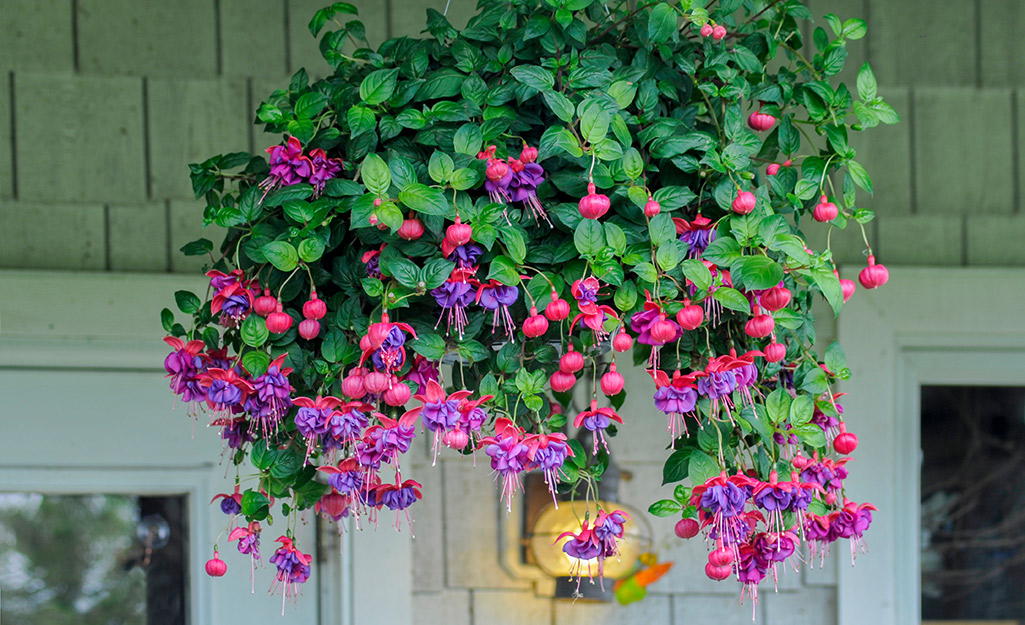
When selecting a hanging plant, consider the light conditions in the plant’s intended location to ensure optimal growth. Different plants have varying light requirements, so it’s crucial to match the plant with the right amount of sunlight it needs.
Adequate water is essential for the health of your hanging plant. Be mindful not to overwater, as this can lead to root rot. Ensure your hanging basket has proper drainage holes to prevent waterlogging, which can also cause root rot. When watering, make sure the excess water can easily drain out of the basket.
Ideal Hanging Plant Location
To ensure your hanging plants thrive, it’s crucial to select an ideal location based on their sunlight needs.
Full sun plants require a minimum of 6 hours of sunlight daily, while partial sun varieties do well with 4-6 hours.
For shade plants, aim for less than 4 hours of sunlight to keep them healthy and vibrant.
Light for Optimal Growth
For optimal growth of your hanging plants, carefully select a location that provides the ideal amount of sunlight based on their sun requirements. Hanging plants in full sun thrive with at least 6 hours of direct sunlight daily. If your hanging plants prefer partial sun, ensure they receive 4-6 hours of sunlight for flourishing growth. Conversely, if your plants are suited for shade, limit their sunlight exposure to less than 4 hours to promote healthy development.
When deciding on the perfect spot for your hanging plants, consider the environmental conditions. In areas with full sun, be mindful of hot and dry conditions that may affect your plants—providing some shade during the hottest parts of the day could be beneficial.

Proper Watering Technique
Selecting the ideal location for your hanging plants involves considering factors like sun exposure, wind conditions, and moisture levels to ensure optimal growth and health through proper watering technique. When it comes to watering hanging plants, it’s essential to strike a balance. Proper watering technique is crucial for the health and growth of your plants. The frequency of watering may vary depending on the plant species, weather conditions, and the size of the hanging basket. Hanging plants situated in sunny and windy spots may require more frequent watering due to the increased evaporation rate.
To determine when to water your hanging plants, always check the soil moisture first. Stick your finger about an inch into the soil; if it feels dry, it’s time to water. Overwatering can be detrimental to your plants, leading to root rot and other issues.
Proper Watering Techniques
When it comes to properly watering your hanging plants, it’s crucial to consider the frequency of watering and checking the soil moisture levels.
Water your plants during cooler parts of the day to prevent rapid evaporation, and always assess the soil by inserting your finger up to the first knuckle to gauge the moisture level accurately.
These simple techniques will help maintain your hanging plants’ health and ensure they thrive in their environment.
Watering Frequency
To properly care for hanging plants, ensure you check the moisture levels daily by inserting a finger into the soil to prevent overwatering or underwatering.
Daily watering is crucial, especially during hot weather when hanging baskets may require water twice a day to prevent wilting.
When watering, ensure that the water drains from the bottom of the container to guarantee thorough hydration for the plants.
Consistent watering is key to prevent plants from becoming dry and wilted, as rehydrating them can be challenging.
If you notice your hanging baskets are dry and struggling, consider soaking them in tepid water to help rejuvenate the root system and promote overall plant health.

Checking Soil Moisture
Checking the soil moisture level regularly is essential for properly caring for hanging plants. To determine if your plants need watering, gently insert your finger into the soil. If the soil feels dry to the touch, it’s time to water.
When watering hanging plants, ensure you provide enough water until you see drainage occurring from the bottom of the container. Dry plants can wilt and may struggle to rehydrate, emphasizing the importance of consistent watering.
In hot weather, hanging baskets might require watering twice daily to prevent them from drying out too quickly. If you find the soil in your hanging baskets extremely dry, consider soaking the entire container in tepid water to thoroughly rehydrate the roots.
Importance of Drainage
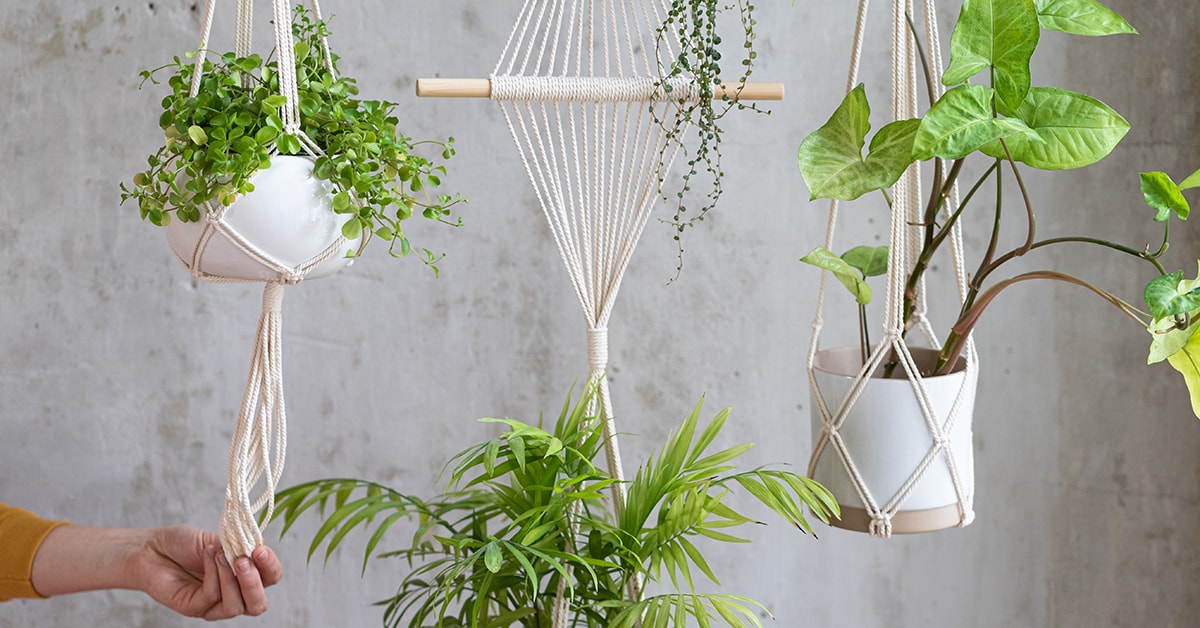
Proper drainage serves as a fundamental cornerstone in the care of hanging plants, crucial for safeguarding against root rot and maintaining optimal soil moisture levels. Ensuring your hanging baskets have adequate drainage is key to the overall health and longevity of your plants.
Here are some essential points to consider:
- Preventing Water Accumulation: Drainage holes in the bottom of hanging baskets allow excess water to escape, preventing waterlogged soil.
- Enhancing Drainage: Adding a layer of rocks or gravel at the bottom of the basket can improve drainage and prevent the soil from blocking the drainage holes.
- Root Oxygenation: Adequate drainage facilitates the flow of oxygen to the roots, promoting a healthy root system.
- Avoiding Plant Stress: Insufficient drainage can lead to plant stress, wilting, and overall poor plant health in hanging baskets.
- Maintenance: Regularly check the drainage holes to ensure they aren’t clogged, allowing for proper water flow and preventing water stagnation.
Sunlight Requirements

Ensure your hanging plants thrive by understanding their specific sunlight requirements, as this factor plays a vital role in their growth and overall well-being. Different hanging plants have varying needs when it comes to sunlight exposure. Some plants thrive in full sun, requiring at least 6 hours of direct sunlight daily. Others prefer partial sun, which means they need around 4 to 6 hours of sunlight. On the contrary, some hanging plants do best in shaded areas, receiving less than 4 hours of sunlight per day. It’s crucial to consider the specific light requirements of each plant species when deciding where to place your hanging baskets.
Proper sunlight exposure is essential for the health and development of hanging plants. Those that need full sun may require extra care during hot and dry conditions to prevent issues like wilting or sunburn.
Understanding and meeting the sunlight needs of your hanging plants will contribute significantly to creating an optimal environment for their growth and maintenance.
Fertilizing Needs
To ensure your hanging plants thrive, it’s crucial to understand their fertilizing needs. Weekly application of a balanced 10-10-10 fertilizer can keep your plants healthy and encourage blooming.
Liquid fertilizers are convenient for even distribution, while dry options can work well when watered adequately to deliver essential nutrients.
Fertilizer Types
Slow-release fertilizers and liquid bloom boosters are highly recommended for fertilizing hanging baskets to ensure optimal plant health throughout the growing season. It’s crucial to provide consistent nourishment to your hanging plants to support their growth and flowering.
When choosing fertilizers for your hanging baskets, opt for balanced options like the commonly used 10-10-10 formulations. These fertilizers provide a good mix of essential nutrients without overloading the plants. Liquid fertilizers, on the other hand, offer a convenient way to feed your plants as they’re easier to use and can be quickly absorbed.
Remember to always read the labels on your fertilizers for specific instructions on application methods and frequencies. By selecting the right fertilizer types and following proper guidelines, you can help your hanging plants thrive and enhance the beauty of your space.
- Slow-release fertilizers and liquid bloom boosters are recommended for fertilizing hanging baskets.
- Consistent application of fertilizers throughout the growing season is crucial for plant health.
- Check the labels of fertilizers for specific instructions on how and when to apply them.
- Balanced 10-10-10 fertilizers are commonly used for hanging basket plants.
- Liquid fertilizers are easier to use and can be more readily absorbed by the plants.
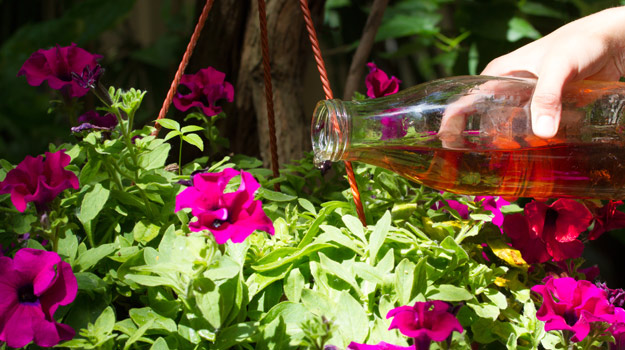
Frequency of Feeding
For the optimal health and growth of your hanging basket plants, it’s important to understand their frequency of feeding, or fertilizing needs. Hanging basket plants typically require weekly feeding with a balanced 10-10-10 fertilizer to thrive.
Liquid fertilizers are often recommended for these plants as they’re easy to apply and get readily absorbed. However, if you prefer using dry fertilizers, ensure they’re watered adequately to reach the plant roots effectively.
When choosing a fertilizer, be cautious with those containing added iron, as they may cause staining on surfaces. Always follow the package instructions for the proper application rates to prevent overfeeding or nutrient deficiencies.
Maintaining a consistent feeding schedule will help ensure that your hanging plants receive the necessary nutrients for healthy growth. By understanding and meeting their fertilizing needs, you can promote lush foliage and vibrant blooms in your hanging baskets.
Application Methods
Consider utilizing a liquid bloom booster along with slow-release fertilizers to effectively meet the fertilizing needs of your hanging basket plants. Consistently applying fertilizers throughout the growing season is crucial for promoting healthy growth and vibrant blooms.
When fertilizing hanging plants, always check the product labels for specific instructions to ensure the correct application method. Liquid fertilizers are convenient and highly effective for feeding plants in containers, making them a suitable choice for your hanging baskets. Proper fertilization plays a key role in maintaining the overall health and appearance of your plants, so investing time in understanding the application methods is essential for optimal results.
- Mix liquid bloom booster with water according to the manufacturer’s instructions.
- Apply slow-release fertilizers evenly across the soil surface of the hanging basket.
- Water the plants after fertilizing to help distribute the nutrients effectively.
- Consider using a fertilizer schedule to keep track of when to feed your hanging plants.
- Avoid over-fertilizing as it can harm the plants rather than benefit them.
Pruning and Trimming Tips

To maintain the health and appearance of your hanging plants, regular pruning is key. Pruning and trimming promote healthy growth and flowering by removing dead or damaged leaves, stems, and flowers.
When pruning, ensure to use clean, sharp pruning shears to make precise cuts, which not only helps maintain plant vitality but also prevents the spread of diseases. Trim back any leggy growth to encourage bushier, more compact growth in your hanging plants.
It’s advisable to prune your plants after flowering as this helps shape them and stimulates new growth, resulting in a vibrant display. By following these pruning and trimming tips, you’ll not only keep your hanging plants looking their best but also ensure they thrive and flourish in their environment.
Pest Prevention Methods
To keep your hanging plants healthy and pest-free, it’s crucial to regularly inspect them for signs of common pests like aphids.
Consider using natural insect repellents such as insecticidal soap or neem oil to control infestations without harming the environment.
Remember to visit garden centers for expert advice on the most effective pest prevention methods tailored to your specific plants.
Natural Insect Repellents

Using natural insect repellents like neem oil or insecticidal soap is a practical and effective method to prevent pests on hanging plants. Neem oil, derived from the seeds of the neem tree, is a powerful natural insecticide that targets a variety of common plant pests such as aphids, mites, scale, and more.
On the other hand, insecticidal soap works by suffocating soft-bodied insects like aphids, spider mites, and whiteflies, making it another excellent option for pest control on your hanging plants. These natural repellents aren’t only effective but also safe to use around pets and beneficial insects in your garden, ensuring a healthy and balanced ecosystem.
Regular application of these natural insect repellents can significantly contribute to maintaining the health and beauty of your hanging plants.
- Neem oil is effective against a wide range of common plant pests.
- Insecticidal soap suffocates soft-bodied insects like aphids and whiteflies.
- Natural repellents are safe for pets and beneficial insects.
- Regular application helps preserve the health of hanging plants.
- Neem oil and insecticidal soap are eco-friendly choices for pest prevention.
Regular Plant Inspections
Regularly inspecting your hanging plants for signs of pests is a crucial step in maintaining their health and preventing infestations. Pests like aphids, mealybugs, or spider mites can wreak havoc on your plants if left unchecked.
Look out for yellowing leaves, sticky residue, or webbing as these are common indicators of pest presence. To combat these intruders, consider using organic pest control methods such as insecticidal soap or neem oil, which are effective yet gentle on your plants.
Additionally, introducing beneficial insects like ladybugs or lacewings can help naturally control pest populations. Remember, prevention is key, so practice good plant hygiene by regularly inspecting and removing affected leaves promptly.

Temperature Considerations
Consider the temperature requirements of your hanging plants to ensure they thrive and remain healthy throughout the changing seasons. When caring for your hanging plants, it’s vital to provide them with the right temperature conditions for optimal growth.
Here are some essential temperature considerations to keep in mind:
- Bring Perennial Hanging Plants Inside During Cold Winter Temperatures: Protect your perennial hanging plants from frost by bringing them indoors during the cold winter months.
- Protect Hanging Baskets from Extreme Weather Conditions: Shield your hanging baskets from extreme temperatures, whether hot or cold, to prevent stress on the plants.
- Consider Moving Baskets Indoors During Severe Weather for Their Well-being: If severe weather conditions are forecasted, consider moving your hanging baskets indoors to protect them.
- Be Aware of Overwintering Needs for Perennial Hanging Plants: Understand the specific overwintering requirements of your perennial hanging plants to ensure their survival.
- Monitor Temperature Fluctuations Regularly: Keep an eye on temperature changes and adjust the plant’s location accordingly to maintain an ideal growing environment.
Humidity Levels
Maintaining optimal humidity levels is crucial for the health and well-being of your hanging plants, particularly tropical varieties like Boston Ferns and Lipstick Plants. Hanging plants thrive best in an environment with a humidity range of around 50-60%. To achieve this, consider misting your plants regularly or using a humidifier in the room where they’re located.
Low humidity levels can result in dry and crispy leaves on your hanging plants, impacting their overall appearance and health. On the other hand, excessively high humidity can create a favorable environment for pests and diseases to thrive. Proper ventilation is key to prevent such issues while maintaining the ideal humidity levels for your plants.
Regularly monitoring the humidity levels in the area where your hanging plants are placed is essential. This practice can help you identify any deviations from the optimal range promptly, allowing you to take corrective actions and ensure the well-being of your hanging plants.
Choosing the Correct Potting Mix
Selecting the right potting mix is crucial for the health and growth of your hanging plants, ensuring proper drainage and nutrient availability. When choosing a potting mix for your hanging baskets, consider the following:
- Use a lightweight, well-draining potting mix to prevent waterlogging and root rot.
- Look for potting mixes specifically formulated for container plants to provide essential nutrients.
- Consider mixes with added perlite or vermiculite for improved drainage and aeration.
- Avoid heavy garden soil in hanging baskets as it can lead to poor plant growth and drainage issues.
- Opt for high-quality, moisture-retentive potting mixes to reduce the frequency of watering for hanging plants.
Supporting Hanging Plant Growth
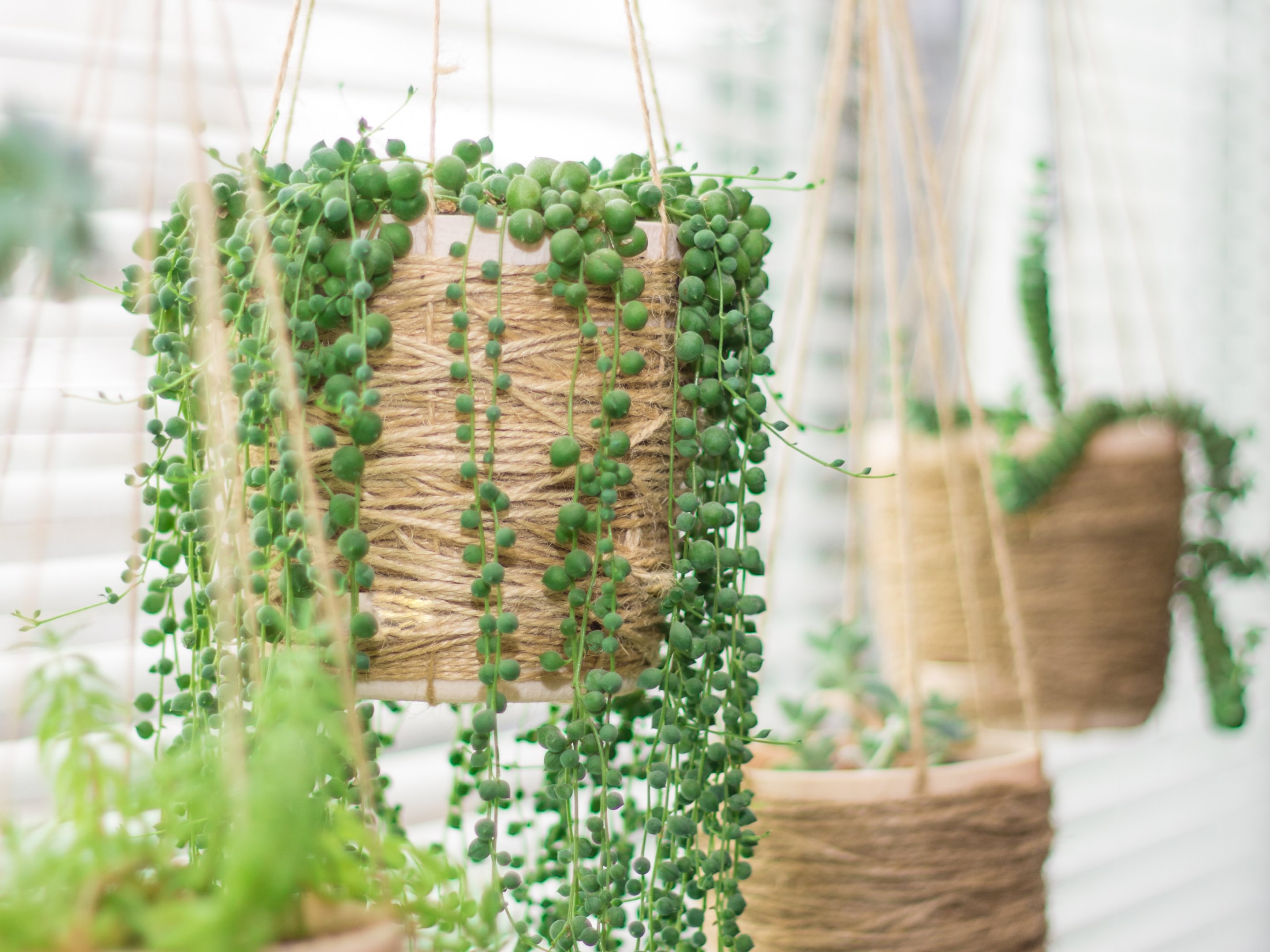
To promote healthy and robust growth in your hanging plants, ensure the hanging baskets you choose are the appropriate size and material. Opt for baskets that provide enough space for the plant’s roots to grow and are made of breathable materials like woven wicker or porous clay to allow for proper air circulation.
Additionally, using a well-draining potting mix is crucial for supporting root development and preventing waterlogging, which can hinder growth.
When it comes to watering your hanging plants, maintain a consistent schedule but adjust based on the plant’s specific needs. Overwatering can lead to root rot, stunting growth, while underwatering can cause wilting and nutrient deficiencies, impacting overall health.
Monitor the soil’s moisture levels regularly and only water when the top layer feels dry to the touch.
Properly supporting your hanging plant’s growth also involves ensuring they receive adequate sunlight. Regularly check and adjust their position to maximize exposure, promoting photosynthesis and healthy development.
Dealing With Yellowing Leaves
If your hanging plants are showing yellowing leaves, it’s crucial to identify and address the underlying causes promptly to ensure their health and vitality. Yellowing leaves can be a sign of various issues such as overwatering, underwatering, nutrient deficiencies, or pest infestations.
Here’s how you can deal with yellowing leaves effectively:
- Check Soil Moisture: Assess the soil moisture level, adjust your watering practices accordingly, and ensure proper drainage to combat overwatering issues.
- Provide Nutrients: Use a balanced fertilizer to supply essential nutrients to your plants if yellowing leaves are a result of nutrient deficiencies.
- Inspect for Pests: Examine your plants for pests like spider mites or aphids, which can lead to yellowing leaves, and treat them promptly.
- Prune Yellowing Leaves: Trim off yellowing leaves to enhance the overall health of the plant and stimulate new growth.
- Monitor Progress: Keep a close eye on your plant’s condition after implementing these measures to track improvements and adjust care as needed.

Rotating Hanging Plants
Regularly rotating your hanging plants is essential for ensuring balanced growth and optimal sun exposure. When you rotate your plants, you prevent them from becoming leggy or lopsided since different parts of the plant receive sunlight. This practice promotes balanced growth and healthier foliage overall.
To achieve the best results, consider rotating your hanging plants on a weekly basis.
To rotate your hanging plants effectively, start by observing how the sunlight hits them throughout the day. Then, gently turn the plant a quarter or half turn in the opposite direction of its previous orientation. By doing this, you ensure that all sides of the plant receive an equal amount of sunlight, promoting even growth and preventing the plant from leaning towards one side excessively.
Troubleshooting Common Issues
Addressing common issues that may arise with hanging plants is crucial for maintaining their health and vitality. Here are some troubleshooting tips to help you keep your hanging plants thriving:
- Check the moisture levels: Ensure you water your baskets appropriately, avoiding both underwatering that can lead to wilting and overwatering causing yellowing leaves or root rot.
- Inspect for pests: Keep an eye out for common pests like aphids, spider mites, and mealybugs that can infest your plants and cause damage.
- Monitor sunlight exposure: Prevent leggy growth by ensuring your hanging plants receive adequate sunlight to thrive and maintain a compact shape.
- Address nutrient deficiencies: Look out for discolored or distorted leaves as signs of nutrient deficiencies, and consider fertilizing your plants to replenish essential minerals.
- Protect from environmental stressors: Shield your hanging plants from temperature fluctuations, drafts, and extreme weather conditions that can stress them out and impact their overall health.
Conclusion
In conclusion, caring for hanging plants requires attention to detail and proper maintenance. By choosing the right plant, providing ideal conditions, watering correctly, and addressing any issues promptly, you can ensure the health and vitality of your hanging plants.
Remember to rotate them regularly for even growth and keep an eye out for common problems like yellowing leaves. With these tips in mind, your hanging plants will thrive and beautify your space.