

Explore the twelve woodpeckers in the United States. From the vibrant red spot of the Downy Woodpecker to the distinctive bill of the Hairy Woodpecker, each species has unique traits. The Northern Flicker, with flashes of yellow, thrives in open spaces. The Pileated Woodpecker, the largest, contributes to forest health. The Red-bellied Woodpecker’s call is distinctive. Lewis’s Woodpecker glides with slow wingbeats. The Red-naped Sapsucker enjoys sap drinking. Witness the striking differences in Williamson’s Sapsucker. The American Three-toed Woodpecker’s foraging style is unique. These woodpeckers play essential roles in their varied habitats.
1. Downy Woodpecker

When observing woodpeckers in the United States, one cannot overlook the distinct characteristics of the Downy Woodpecker. This small woodpecker, measuring around 6 3/4 inches, displays a striking contrast with its white belly and mostly black back. Male Downy Woodpeckers further stand out with a vibrant red spot on their heads. Found in various habitats such as suburbs, orchards, parks, and woods, this species is a common sight at backyard feeders. Their preference for suet, sunflower seeds, and peanuts makes them easily attracted to human-populated areas.
One key feature of the Downy Woodpecker is its unique call and drumming sound. These sounds serve various purposes including communication, marking territories, and attracting mates. Observing their behavior at feeders can provide insights into their social interactions and feeding habits. Next time you hear a distinctive call or witness rapid drumming in your backyard, chances are it might be the charming Downy Woodpecker.
2. Hairy Woodpecker
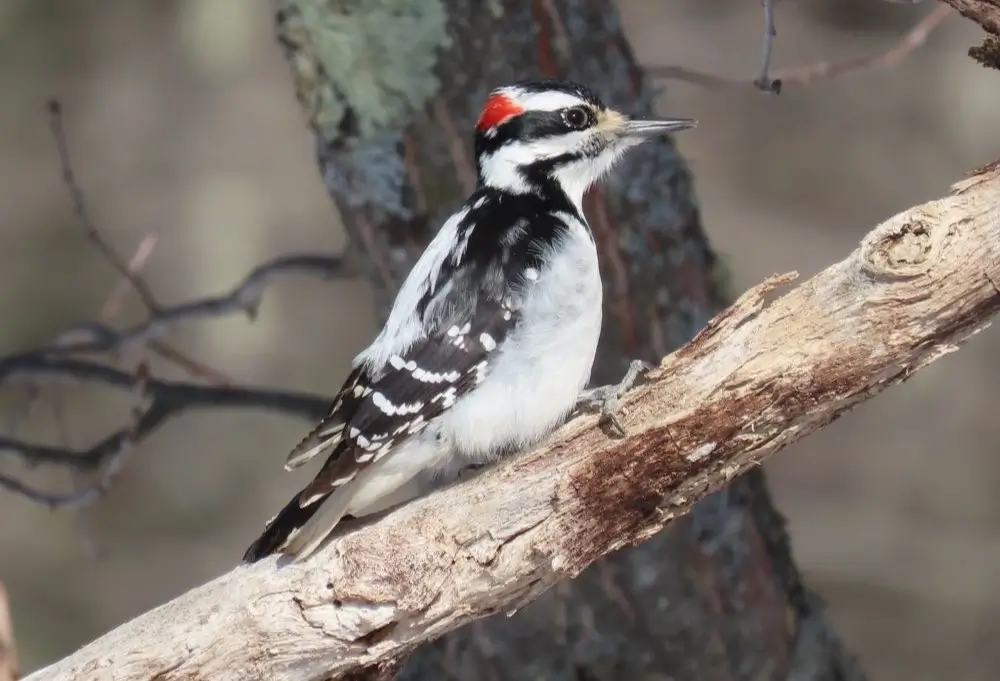
The Hairy Woodpecker, measuring approximately 9 1/4 inches in length, is easily recognizable by its black and white plumage and distinctive long bill. This woodpecker species boasts a white back, contrasting with its black wings and tail. It is larger in size compared to the Downy Woodpecker and possesses a longer bill. The Hairy Woodpecker tends to be uncommon in open and dense wooded areas but thrives along edges where it can be spotted foraging for insects. This woodpecker is a familiar sight in suburban areas, orchards, parks, and woods. Its preference for these habitats makes it a frequent visitor to backyard feeders and birdhouses. Observing the Hairy Woodpecker’s behavior in these environments can provide valuable insights into its feeding habits and interactions with other bird species. Next, we delve into the characteristics of the Northern Flicker, another fascinating woodpecker species found in the United States.
3. Northern Flicker
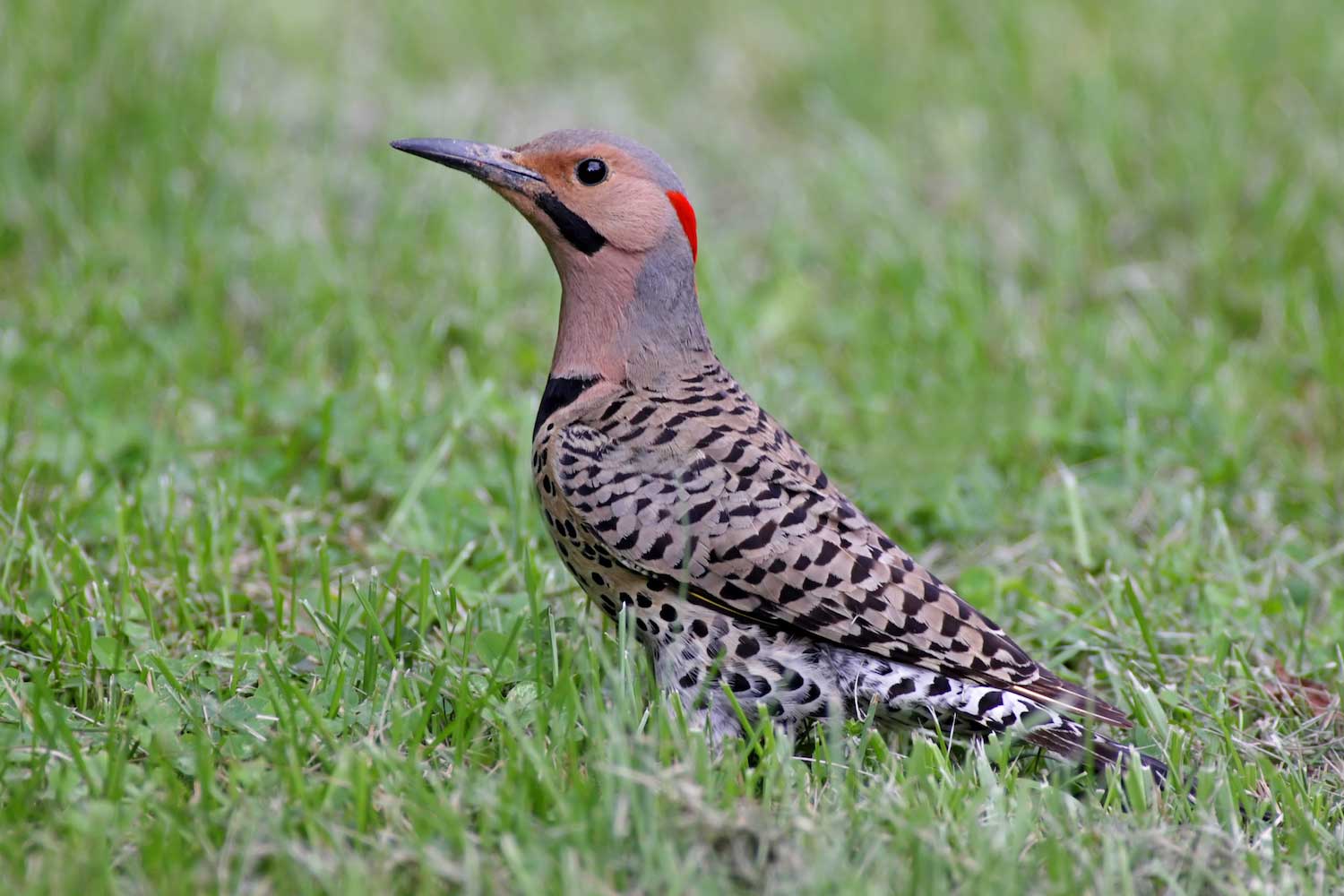
Observing the Northern Flicker, a Jay-sized bird with brownish plumage and flashes of yellow, provides insights into its unique foraging behavior and nesting preferences in various habitats across the United States. Northern Flickers, measuring around 12 1/2 inches, stand out with their brownish feathers, white rump, and striking yellow accents in their wings and tail. These birds are commonly found in open forests, parks, and even suburban areas where they nest in large trees. Northern Flickers are known for their ground foraging habits, diligently searching for ants and beetles. Their distinctive appearance and behavior make them easily recognizable and a frequent sight in a variety of environments. Next time you are out in nature, keep an eye out for the Northern Flicker, a fascinating woodpecker species that adds vibrancy to the landscapes it inhabits.
4. Pileated Woodpecker
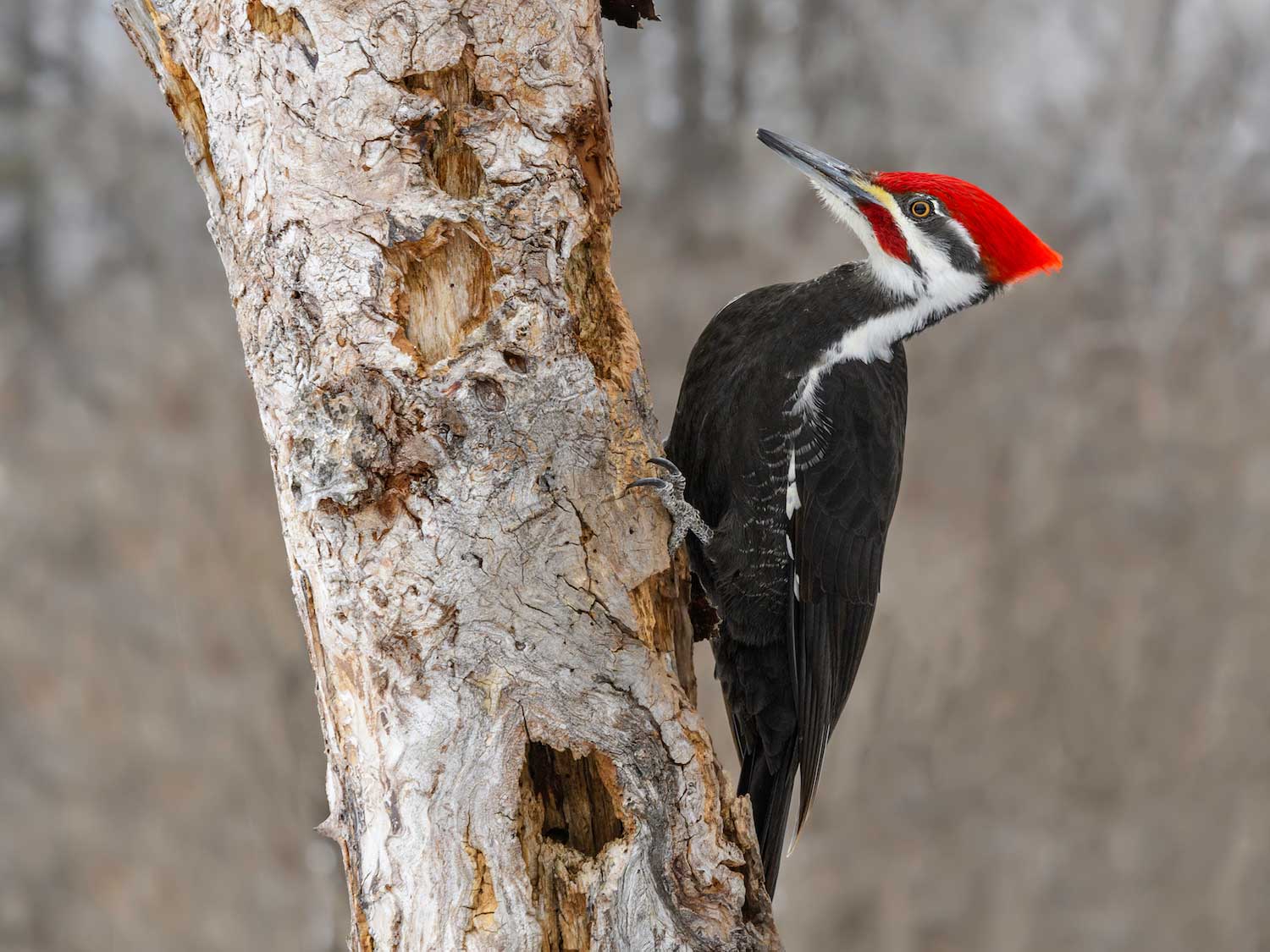
A remarkable feature of Pileated Woodpeckers is their status as the largest woodpeckers in the United States, measuring around 16.5 inches in length. These striking birds sport a black plumage, white neck stripes, a vibrant red crest, and distinctive white under-wing linings. Found in mature forests across the United States, Pileated Woodpeckers are crucial for indicating forest health due to their preference for nesting in large trees.
Their loud calls and powerful flight make them key players in forest ecosystems, where they excavate nesting and roosting cavities. Pileated Woodpeckers contribute significantly to biodiversity by creating habitats for various species. Once facing population declines as a result of habitat loss, conservation efforts and habitat recovery initiatives have led to a resurgence of Pileated Woodpecker numbers throughout their range in the eastern United States. Their recovery highlights the importance of preserving mature forests for the benefit of these magnificent woodpeckers and the broader ecosystem.
5. Red-bellied Woodpecker

With its adaptable nature and distinctive features, the Red-bellied Woodpecker is a common and widespread species found in various habitats across the United States. Despite its name, the red belly patch of the Red-bellied Woodpecker is rarely seen, as it is often obscured by its striking black and white barred back. Scientifically known as Melanerpes carolinus, these woodpeckers are about 9 1/4 inches in size, similar to a robin. Known for their aggressive behavior at feeders, they have a unique call and are often seen fending off other birds.
| Feature | Description |
|---|---|
| Coloration | Red-bellied Woodpeckers have a red, black, and white plumage, with a striking barred pattern on their back. |
| Foraging Behavior | They forage for insects, fruits, and seeds in a wide variety of habitats, including forests, suburbs, and parks. |
| Vocalization | These woodpeckers have a distinctive call that can be heard throughout their range, aiding in communication and territorial defense. |
| Aggressive Behavior | Red-bellied Woodpeckers exhibit aggressive behavior at feeders, often dominating and fending off other bird species. |
6. Yellow-bellied Sapsucker

The Yellow-bellied Sapsucker, a common bluebird-sized woodpecker in the United States, is known for its unique drilling behavior on live trees. This woodpecker exhibits a distinct drilling pattern, creating horizontal rows of small holes in trees. These holes are not random but are meticulously crafted to access sap. The Yellow-bellied Sapsucker feeds on the sap that flows from these holes, as well as insects that become trapped within the sap wells they create. These feeding habits make them stand out among other woodpecker species. Their presence can often be identified by the neat rows of small holes they leave behind on tree trunks. These birds are typically found in pine and hardwood forests, parks, yards, and gardens, with their absence during the summer months. Observing a Yellow-bellied Sapsucker at work can provide insights into their fascinating feeding strategies and their impact on the trees they interact with.
7. Red-headed Woodpecker
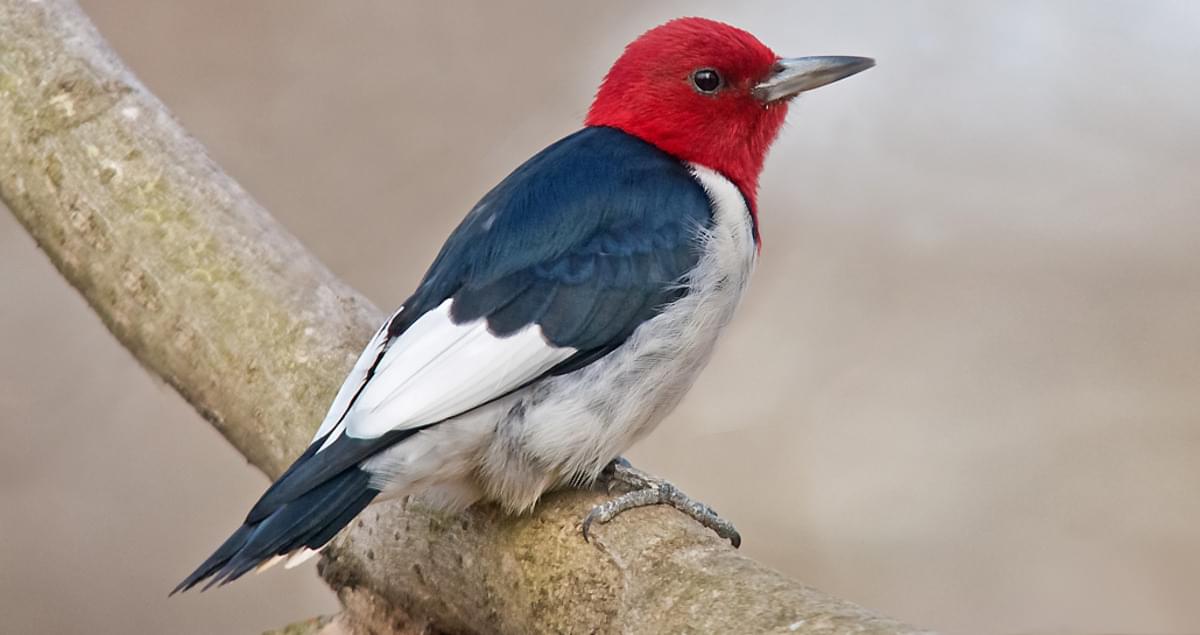
Frequently spotted in open forests during spring and summer, the Red-headed Woodpecker showcases a striking black and white body complemented by a vibrant red head. These woodpeckers are known for their iconic red plumage and are easily recognizable in various habitats across the United States. They play a vital role in ecosystems, particularly by preying on insects and foraging for acorns in bottomland hardwoods during winter. Young Red-headed Woodpeckers exhibit gray heads in fall and winter, gradually transitioning to their distinctive red heads as they mature.
| Red-headed Woodpecker |
|---|
| Size: Robin-sized |
| Body: Black and white |
| Head: Vibrant red |
Their presence adds a colorful and dynamic element to forests, suburbs, and parks, making them a delight to observe. Whether drumming on trees or flying with flashes of red, the Red-headed Woodpecker contributes to the beauty of the natural world.
8. Red-cockaded Woodpecker

An endangered species in the United States, the Red-cockaded Woodpecker is known for its unique nesting habits in living pine trees. These woodpeckers play a crucial role in old pine forests by creating nest cavities that not only serve as homes but also help in preventing snakes from reaching their nests by exuding resin from holes they drill. Males of this species can be easily identified by a small red patch near the ear. Their presence is vital for the ecosystem due to their nesting behaviors, which contribute to the overall health of the forests they inhabit.
Conservation efforts are actively underway to protect the Red-cockaded Woodpecker’s habitat and ensure the safety of their population. Preserving the integrity of old pine forests is essential for the survival of this species. By safeguarding their nesting sites and increasing their numbers, these efforts aim to secure the future of the Red-cockaded Woodpecker within its natural environment.
9. Lewiss Woodpecker
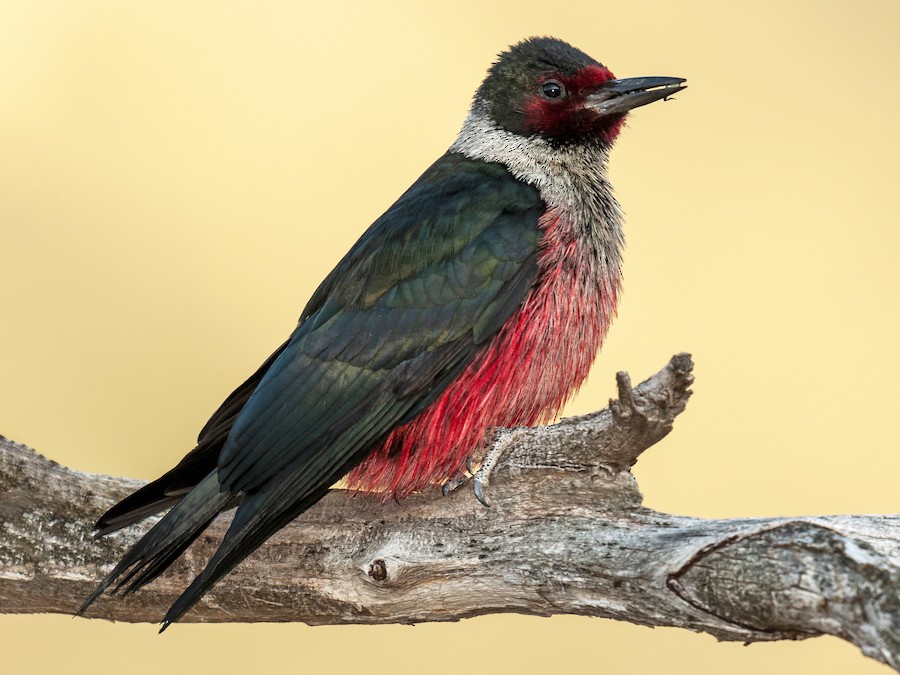
Lewis’s Woodpecker, characterized by its unique appearance and distinctive foraging behaviors, is a species native to various habitats in the western United States. This woodpecker stands out with its green back, pink body, gray collar, and red face patch, making it easily recognizable. Unlike other woodpeckers, Lewis’s Woodpecker showcases a fascinating behavior of catching insects in midair rather than excavating trees. This bird’s adaptability to a range of habitats in the western U.S. allows it to thrive in different environments.
During the mating season, males of the Lewis’s Woodpecker emit a harsh churr call to attract mates, adding to their unique behaviors. In flight, this woodpecker displays another distinctive trait by relying on gliding with slow, deep wingbeats instead of the typical undulating flight seen in many woodpecker species. These characteristics collectively make Lewis’s Woodpecker an intriguing and exceptional bird species found in the western United States.
10. Red-naped Sapsucker

The Red-naped Sapsucker is a black-bodied woodpecker species with a distinctive white stripe along its wings and a vibrant red crown. This bird possesses a specialized tongue equipped with stiff hairs that aid in efficient sap drinking, particularly from aspen, birch, and willow trees. One of the characteristic features of the Red-naped Sapsucker is its harsh, repeated waah call, often heard in its habitats.
Interestingly, this species is known to engage in breeding activities with other sapsucker species when their territories overlap. These interactions can lead to hybridization and genetic exchange among the different woodpecker populations. In the United States, the Red-naped Sapsucker can be found in various habitats, but it is commonly sighted near aspen, birch, and willow trees where it can thrive and carry out its feeding and breeding behaviors effectively.
11. Williamsons Sapsucker
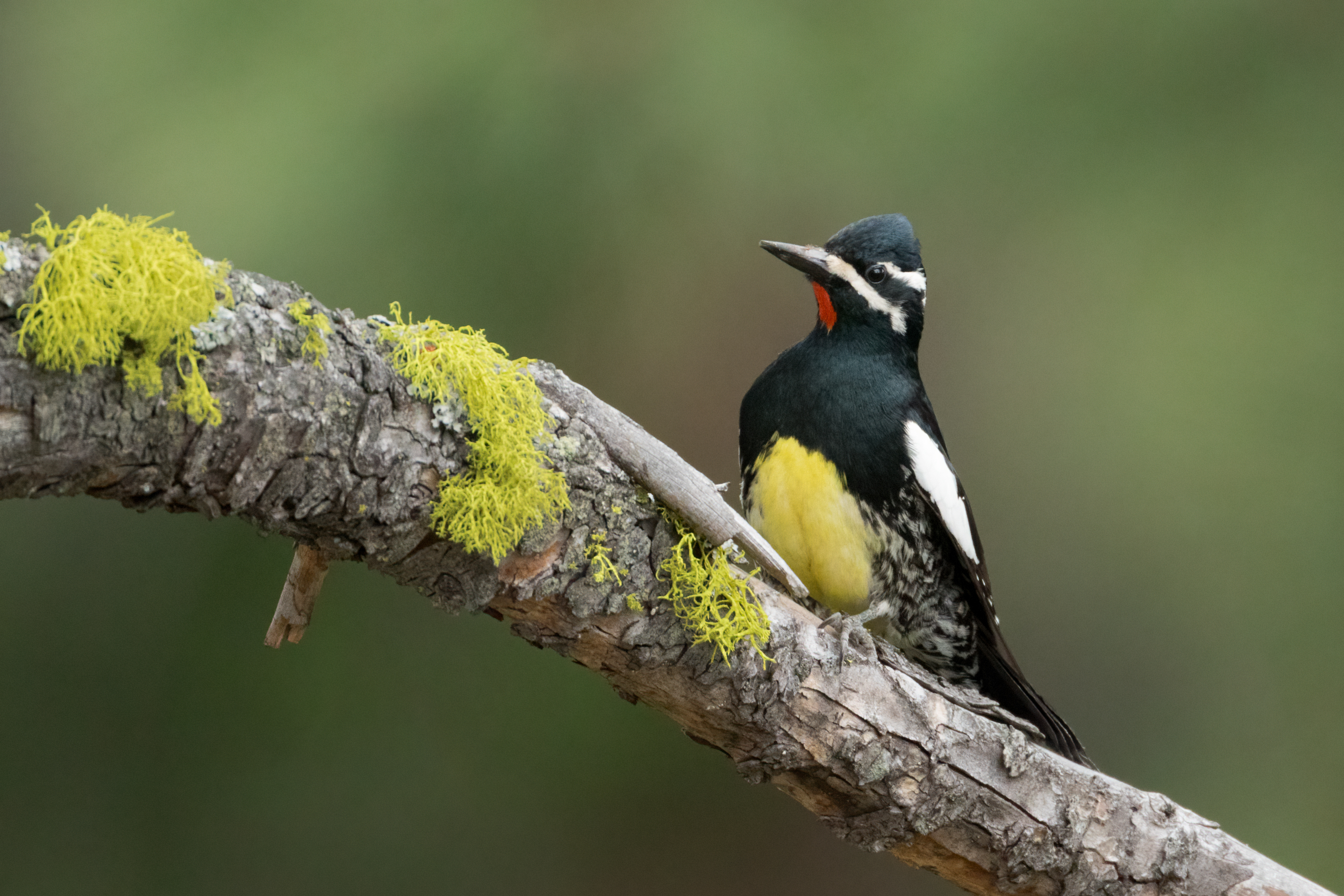
Williamson’s Sapsucker, a distinctive woodpecker species found in mature coniferous forests of the western United States, exhibits marked differences between males and females in their appearance. Male Williamson’s Sapsuckers showcase striking black bodies contrasted by large white wing patches, while females display horizontal black and white barring on their backs. These woodpeckers have a strong reliance on tree sap as a primary food source, often seen drilling into trees to access this vital nutrient. Their unique appearance and habitat preferences make them stand out among other woodpecker species in the United States. With their preference for coniferous forests in the western U.S., Williamson’s Sapsuckers play a crucial role in these ecosystems through their foraging habits and interactions with tree sap. Observing these woodpeckers in their natural habitat offers a glimpse into the fascinating world of avian diversity and ecological relationships.
12. American Three-toed Woodpecker

Distinctive for their black and white barring and unique foraging style, American Three-toed Woodpeckers are notable inhabitants of disturbed coniferous forests in the northernmost regions of North America. These woodpeckers exhibit sexual dimorphism, with males sporting a striking yellow crown, while females display a distinctive black crown. Their preferred habitat includes areas with coniferous trees that have been subject to disturbances.
One of the key behaviors that set American Three-toed Woodpeckers apart is their foraging technique, which involves chipping at dead trees to uncover insects beneath the bark. This specialized feeding method allows them to access hidden prey that other woodpecker species may not be able to reach.
In addition to their visual characteristics and foraging habits, American Three-toed Woodpeckers are known for their soft, squeaking mew or pik call, which can often be heard echoing through the forests they inhabit. These unique features make them a fascinating species to observe in the wild.