

Discover Washington’s diverse owl species, like the Great Horned Owl with its tufts and yellow eyes hooting year-round. Listen to the Northern Pygmy Owl’s high-pitched whistles. Explore the Barred Owl’s various sounds and unique barring patterns. Marvel at the Snowy Owl’s white plumage and yellow eyes while hunting in coastal Washington. Each owl offers distinct vocalizations and behaviors, adding to the state’s rich owl population. Get ready to immerse yourself in the captivating world of these majestic creatures and witness their fascinating adaptations and behaviors.
Great Horned Owl Overview
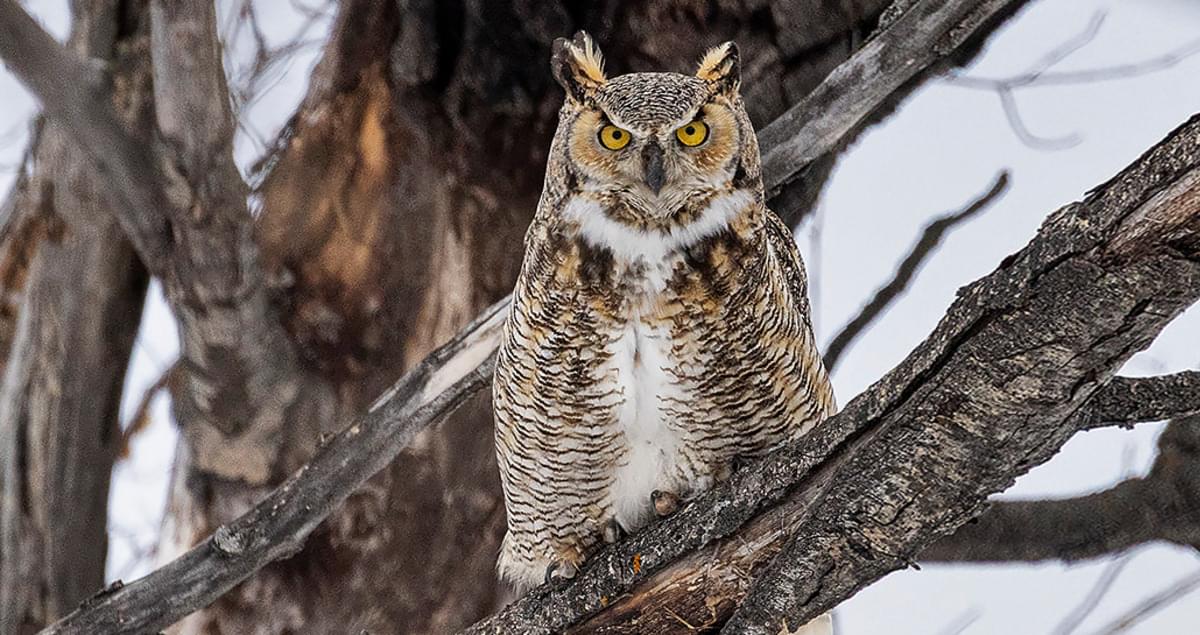
The Great Horned Owl, a majestic and formidable predator, is a prominent owl species found throughout North America, including Washington. These owls prefer habitats with a mix of trees and rocky nesting sites, providing them with ample shelter and vantage points for hunting. Their distinctive tufts of feathers, often likened to horns, contribute to their intimidating appearance, along with their piercing yellow eyes.
Great Horned Owls are known for their exceptional adaptability, thriving in various environments from forests to urban areas. Their nocturnal hunting behavior sets them apart as efficient predators, preying on larger animals like rabbits and even small prey such as mice. With a wingspan reaching up to 48 inches, they are one of the largest owl species in Washington, making them a significant presence in the region’s ecosystem. Observing these owls in their natural habitat showcases their prowess and beauty as they soar silently through the night, a true marvel of nature.
Great Horned Owl Sounds
Explore the auditory world of the Great Horned Owl, where their deep hoots and distinctive calls echo across the vast landscapes of Washington. These majestic birds are known for their powerful vocalizations that serve various purposes in their daily lives, from marking territory to communicating with other owls. Here are some intriguing facts about Great Horned Owl sounds:
- Great Horned Owls produce deep, low hoots that carry over long distances, serving as a means of communication and establishing territory.
- Their territorial calls can be heard year-round in a variety of habitats throughout Washington, signaling ownership of a particular area.
- In addition to hoots, these owls also make hissing and screeching sounds, especially when feeling threatened or interacting with their mate. These vocalizations play a crucial role in maintaining their territory and ensuring successful breeding seasons. Listening to recordings of their calls can aid in identifying the presence of Great Horned Owls in the wild.

Great Horned Owl Pictures
When observing Great Horned Owl pictures, notice the distinct features that set these majestic birds apart in their natural habitat. These owls, found throughout North America including Washington State, exhibit a striking appearance with tufts of feathers on their head resembling horns, giving them their name. Their habitat typically includes a variety of environments such as forests, deserts, and even urban areas, showcasing their adaptability. In the images, their piercing yellow eyes stand out, aiding in their exceptional hunting abilities during low-light conditions. Great Horned Owls are skilled predators, preying on larger animals like rabbits and smaller creatures such as rodents. The pictures capture their silent flight and stealthy nature, highlighting their prowess as nocturnal hunters. As you view these images, take note of how these owls blend seamlessly into their surroundings, showcasing their camouflage abilities that make them efficient predators in the wild.
Northern Pygmy Owl Overview

Perched on the branches of Western Washington’s forests, the Northern Pygmy Owl stands as the smallest owl species in the region, measuring approximately 7 inches in height. This small owl species has a distinct round head, sharp black eyes, and a sharply streaked underside that aids in its camouflage within the dense foliage. Northern Pygmy Owls are diurnal hunters, showcasing their active hunting behavior during the daytime, and they are recognized for their aggressive nature when capturing prey.
- Northern Pygmy Owls nest in tree cavities, utilizing these natural shelters for their nesting and roosting activities.
- During the winter months, they migrate to lower elevations, adapting to the changing environmental conditions.
- Their diet mainly consists of small mammals, birds, and even bats, showcasing their role as efficient predators within the ecosystem.
These unique characteristics make the Northern Pygmy Owl a fascinating and essential component of Washington’s diverse owl population.
Northern Pygmy Owl Sounds
A distinctive feature of the Northern Pygmy Owl is its high-pitched whistles and toots, serving as primary calls for territorial defense and courtship communication. These vocalizations, often described as a series of ‘toot-toot-toot’ or ‘poo-poo-poo’ sounds, are crucial for communication within their species. When threatened, Northern Pygmy Owls exhibit aggressive behavior, using their calls as vocal warnings to deter potential threats from encroaching on their territory. The intensity and frequency of these calls can vary depending on the situation, with courtship calls differing from those used in territorial disputes.
These owls are skilled at imitating the calls of other birds, a behavior that aids them in deceiving both prey and predators. By mimicking other bird species, Northern Pygmy Owls can lure unsuspecting prey closer, increasing their hunting success. This ability to mimic sounds also plays a role in confusing potential threats, adding a layer of complexity to their vocal repertoire. The Northern Pygmy Owl’s vocalizations are a key aspect of their survival strategy, enabling them to navigate the challenges of their environment effectively.
Northern Pygmy Owl Pictures
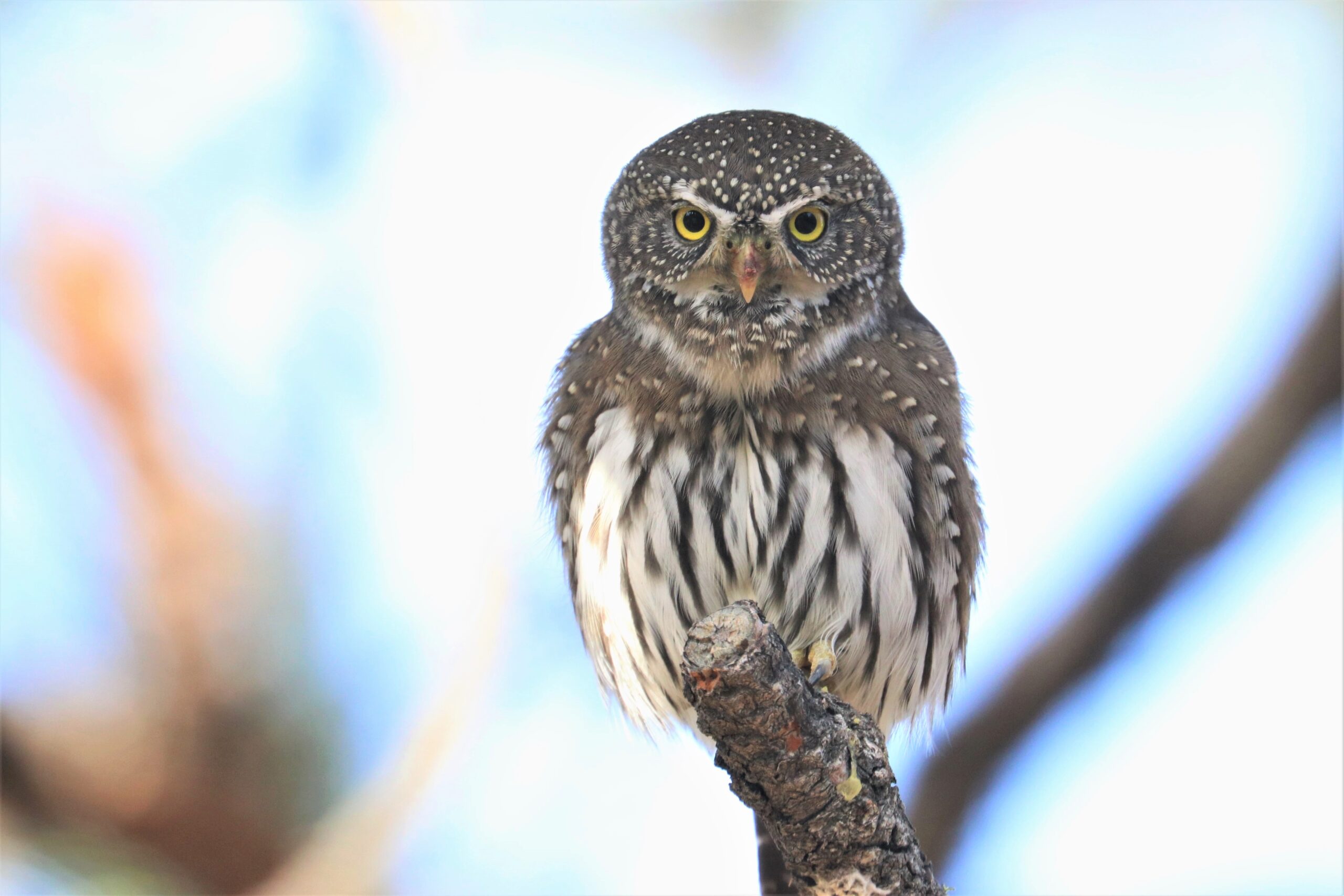
The Northern Pygmy Owl’s distinctive features are captured vividly in photographs, showcasing its small stature, round head, and sharply streaked undersides. When viewing pictures of the Northern Pygmy Owl, you can observe:
- The small size of this owl, measuring only around 7 inches tall.
- The round head with large black eyes that aid in its diurnal hunting behavior.
- The sharply streaked undersides that provide camouflage while perched in trees.
These images offer a glimpse into the world of the smallest owl in Western Washington. Despite its diminutive size, the Northern Pygmy Owl’s pictures also convey its reputation for aggressive behavior, especially when defending its territory or hunting grounds. The intensity in its gaze and the focused posture captured in these images highlight the fierce nature of this remarkable bird. Through these photographs, one can appreciate the beauty and complexity of the Northern Pygmy Owl’s presence in the wild.
Barred Owl Overview

In Seattle, Barred Owls reign as the most prevalent owl species, boasting an estimated 15-20 nesting pairs residing in wooded parks. These striking owls, scientifically known as Strix varia, are commonly found in coniferous forests, where they have adapted well to human-altered landscapes. Barred Owls are known for their territorial behavior, often defending their nesting sites vigorously against intruders, including other owl species.
| Barred Owl Overview | Details |
|---|---|
| Scientific Name | Strix varia |
| Habitat | Coniferous forests |
| Estimated Population | 15-20 nesting pairs in Seattle |
| Notable Characteristics | Territorial behavior, unique barring pattern |
The expansion of urban areas has brought both opportunities and challenges for Barred Owls. While they have thrived in these new environments, competing for prey and habitat with other owl species, they have also faced threats such as habitat loss. Despite these challenges, Barred Owls continue to captivate observers with their haunting hoots and distinctive features.
Barred Owl Sounds
Barred Owls exhibit a diverse range of vocalizations, from hoots and screams to gurgling sounds and even monkey-like calls, serving various communication purposes within their habitat. These sounds play crucial roles in their daily lives, helping them navigate the complexities of their environment. Here are some interesting facts about barred owl vocalizations:
- Barred owls produce a distinctive ‘Who cooks for you? Who cooks for you-all?’ call, with the last note rising in pitch.
- Their vocalizations can vary from hoots and screams to gurgling sounds and even monkey-like calls.
- Barred owls use their vocalizations for territorial defense, communication with mates, and to establish their presence in an area.
These vocalizations are not only fascinating but also essential for the survival and reproduction of these majestic birds. By understanding the significance of these sounds, we can gain insight into the intricate world of barred owls and appreciate the beauty of their communication methods.

Barred Owl Pictures
With distinct vertical bars on their abdomen and horizontal bars on their chest, capturing images of Barred Owls can be a rewarding challenge. These nocturnal hunters, often found in Seattle’s wooded parks where there are estimated 15-20 nesting pairs, have a unique appearance that stands out in the dim light of the night. The barred owl’s intricate plumage and piercing eyes make for striking subjects in photographs.
When seeking to photograph Barred Owls, it is essential to consider their urban range expansion in Seattle, potentially impacting smaller owl species in the area. Finding these elusive birds in their natural habitat can provide valuable insights into their behavior and interactions within the ecosystem. Patience and a keen eye are necessary to capture the essence of these majestic creatures through the lens of a camera.
Snowy Owl Overview
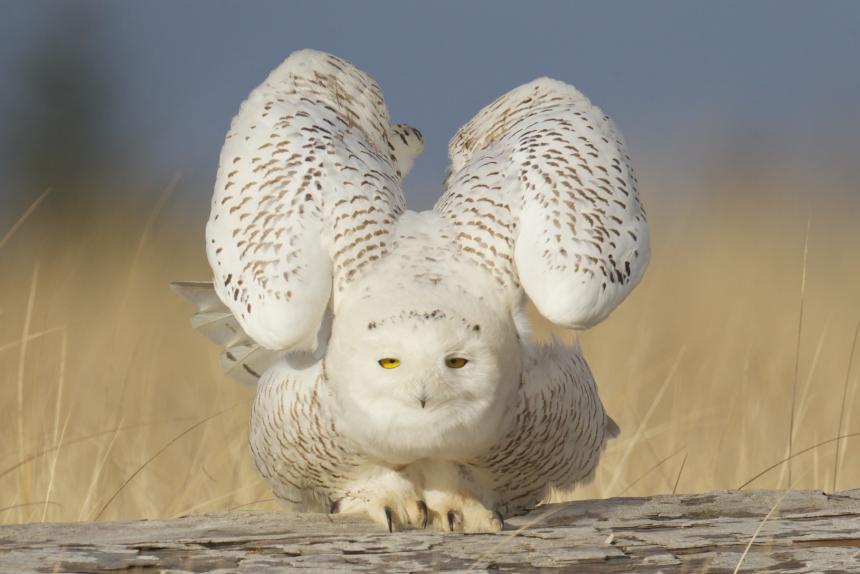
Snowy Owls, characterized by their large size, white plumage, and striking yellow eyes with black markings, are predominantly found in Arctic regions. These majestic birds exhibit fascinating behaviors and characteristics:
- Exceptional Hunters: Snowy Owls are skilled predators, primarily hunting lemmings in their Arctic habitats with precision and agility.
- Seasonal Migration: Despite their Arctic origins, these owls undertake impressive migrations, flying south to regions like coastal Washington during winter months.
- Unique Nesting Habits: Snowy Owls opt for nesting on the ground in open areas, where they fiercely defend their territories from intruders, even within their own species.
Observing the snowy owl’s distinct features and behaviors provides a rare opportunity to witness nature’s wonders up close. Their irregular appearances along the Washington coast between November and March add to their allure, making them a captivating subject for bird enthusiasts and researchers alike.
Snowy Owl Sounds & Pictures

These majestic Arctic owls emit a range of vocalizations and showcase distinctive features in their plumage, allowing for easy identification and study. Snowy owls, with their large size and striking white feathers spotted with black markings, are exceptional hunters in the Arctic regions, preying on small mammals like lemmings. During winter, they migrate south to more temperate areas, where their irregular sightings along coastal regions often fascinate onlookers. Snowy owls are known for nesting on the ground in open spaces and displaying aggressive behavior for territory defense. Their bright yellow eyes aid in night hunting, while females, larger than males, take charge of incubating eggs. Observing these owls in their natural habitat provides a glimpse into their unique adaptations and behaviors, making them a captivating subject for scientific study and wildlife enthusiasts alike.