

Explore Louisiana’s 11 hummingbird species, including the familiar Ruby-throated and Rufous. Unique finds like Allen’s and Violet-crowned, with vivid features, add excitement. The Violet-crowned Hummingbird stands out with its vibrant crown, rarity, and value for conservation efforts. Its striking appearance and exclusive habitat needs captivate observers. You’ll find pictures and locations of these diverse hummingbirds, each offering a unique sighting opportunity in Louisiana.
1. Ruby-throated Hummingbird
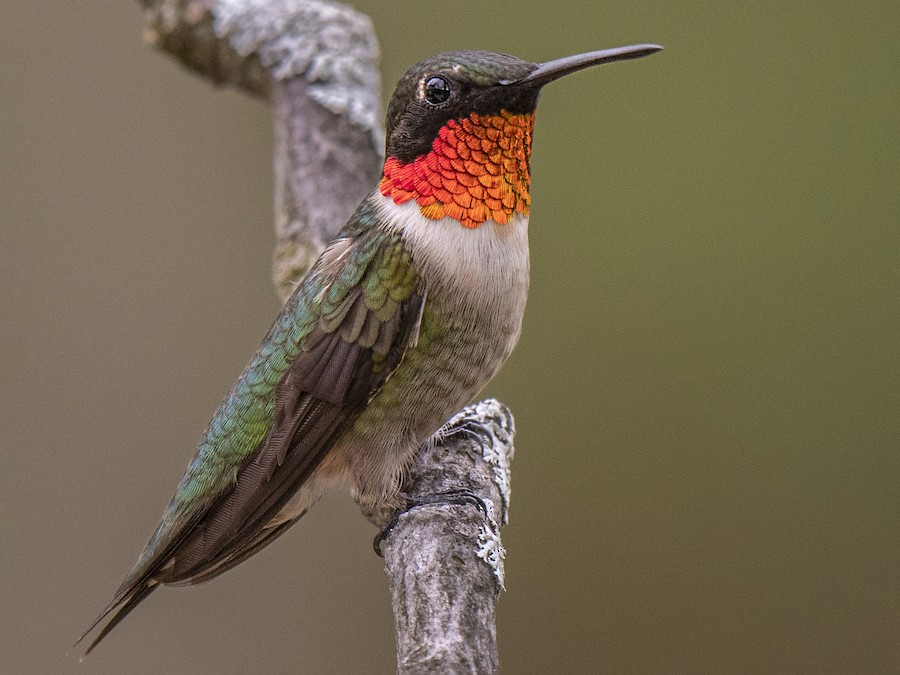
Ruby-throated Hummingbirds are commonly observed as summer visitors in Louisiana, typically arriving in mid-April. These tiny birds, with males flaunting a vibrant ruby-red throat patch and females adorned with a white throat and metallic green upperparts, capture the attention of many with their dazzling colors. Their diet primarily consists of nectar from flowers and sugar water from feeders, thanks to their long, specialized bills and tongues. Known for their remarkable agility in flight, they can reach speeds of up to 30 mph and are capable of hovering in place, a behavior that mesmerizes onlookers.
These hummingbirds embark on an arduous migratory journey covering thousands of miles, making them a captivating species to observe and study in Louisiana. From nesting in June to departing for their wintering grounds in Mexico and Central America by late July, the ruby-throated hummingbird’s presence enriches the summer months in the region.
2. Black-chinned Hummingbird
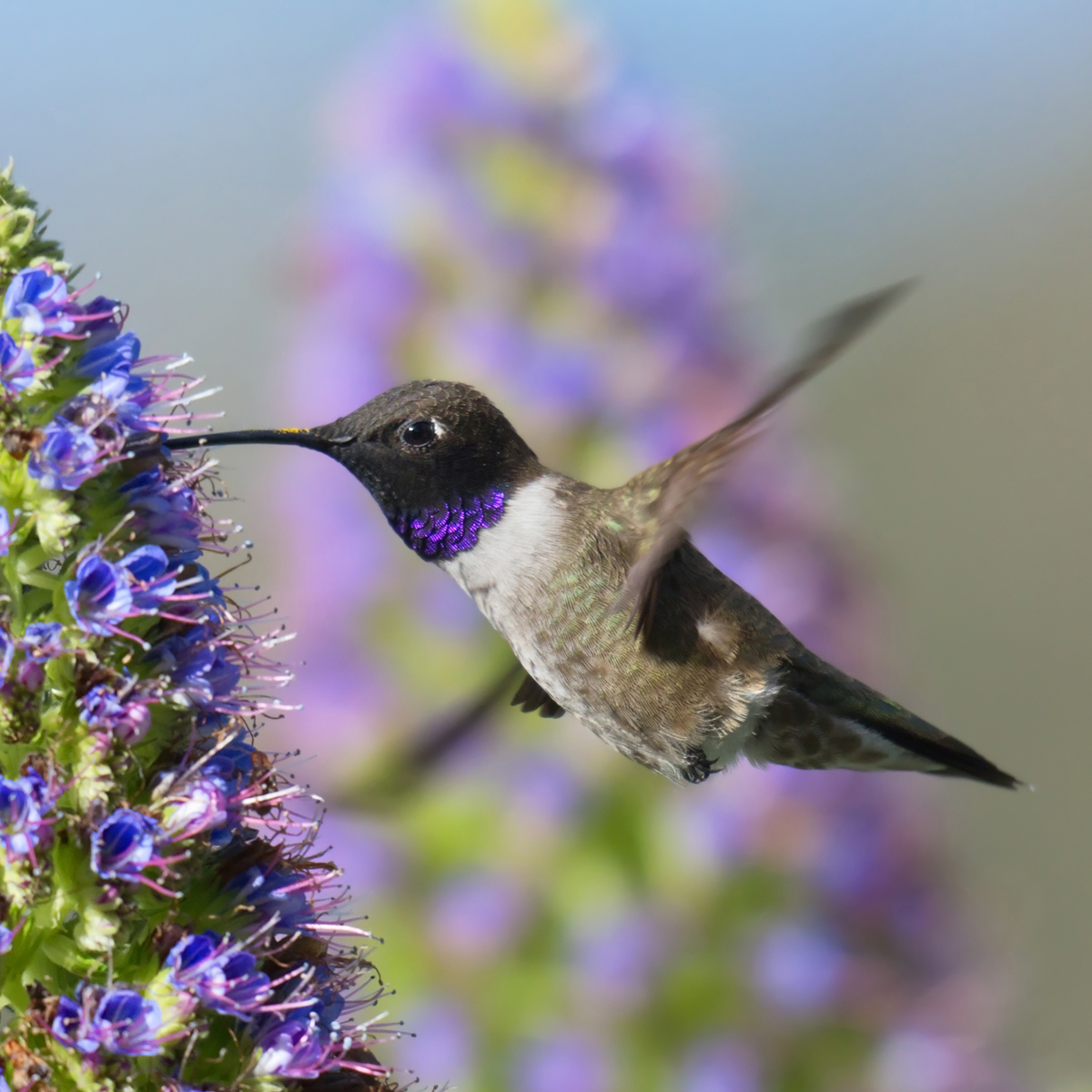
In Louisiana, another fascinating hummingbird species that captures attention is the Black-chinned Hummingbird, known for its distinctive black throat in males and pale greenish plumage in females. These Black-chinned Hummingbirds are commonly found in the state, preferring habitats such as open woodlands, gardens, and desert scrub areas where they forage for food and build their nests. During the winter months, they migrate south to Mexico and Central America.
One of the notable characteristics of Black-chinned Hummingbirds is their unique buzzing and whirring sounds produced during flight. They are also known for their aggressive behavior towards other hummingbirds, often defending their territory vigorously. To identify a Black-chinned Hummingbird, look for the black chin, white collar, and dark, slightly forked tail feathers, which are distinctive features of this species.
Observing these beautiful creatures in Louisiana adds to the diverse hummingbird population in the state, offering a delightful sight for birdwatchers and nature enthusiasts alike.
3. Rufous Hummingbird
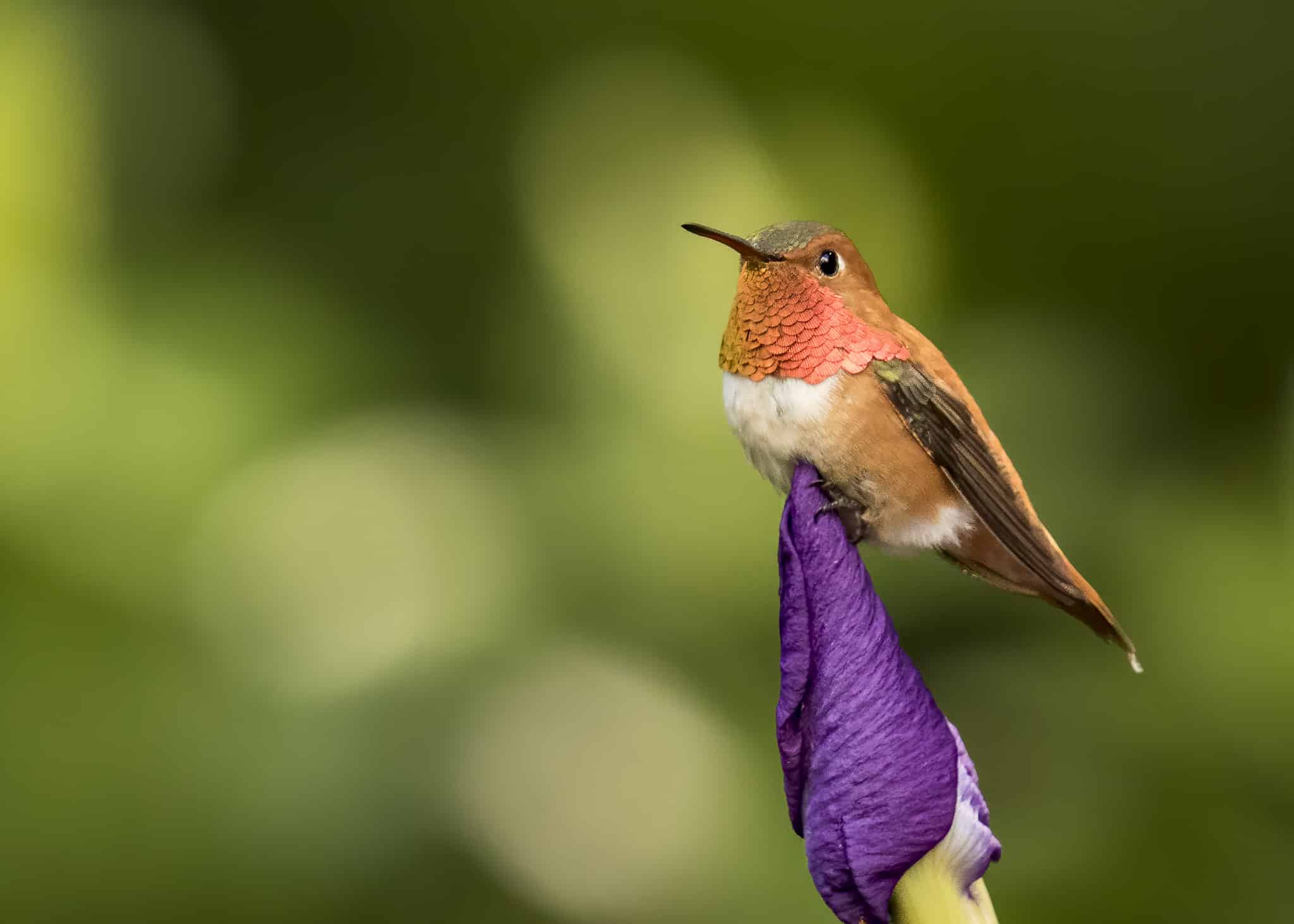
Known for their vibrant orange-red throats and tails in males, Rufous Hummingbirds exhibit aggressive behavior and have one of the longest migration routes among hummingbird species. These tiny dynamos are territorial, often chasing away larger hummingbird species from feeding areas. Male Rufous Hummingbirds boast fiery colors, while females display a more subdued green and orange plumage with white-tipped tail feathers.
During their extensive migration journey from the Pacific Northwest to Mexico and back each year, Rufous Hummingbirds rely heavily on nectar-rich flowers like penstemons, salvias, and columbines to fuel their flight. Their preferred habitats include gardens, parks, and wooded areas in Louisiana during the fall migration period. Observing these feisty birds darting among flowers is a delightful experience for birdwatchers. Keep an eye out for these energetic travelers as they zip through the air, showcasing their remarkable agility and determination on their incredible migratory journey.
4. Calliope Hummingbird
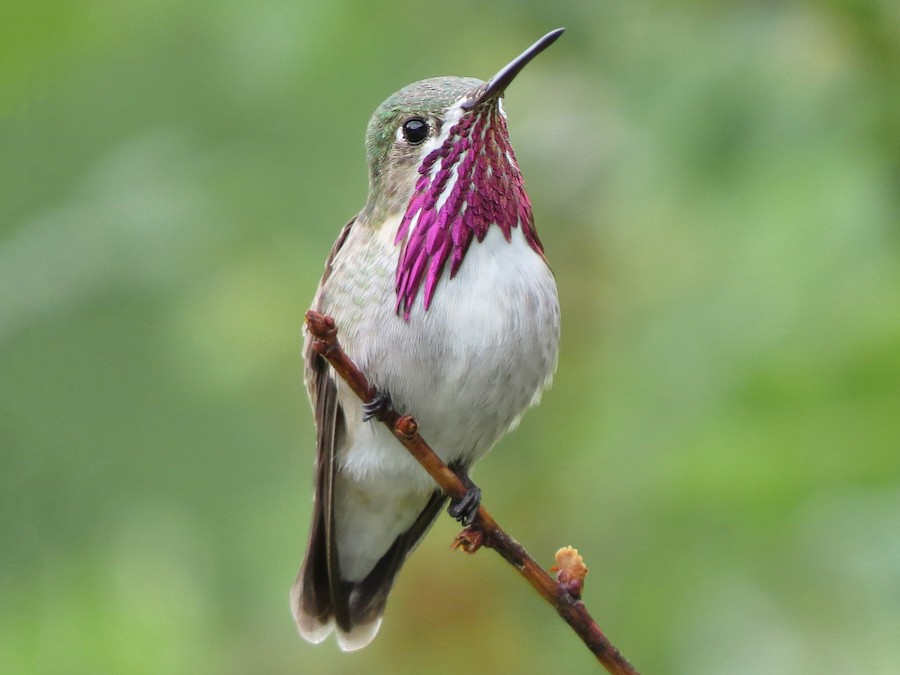
You’ll find the petite Calliope Hummingbird flitting about Louisiana with its iridescent green back and white underparts, showcasing its rose-pink throat during courtship displays. These tiny birds prefer the mountain meadows and woodlands of the state, seeking out nectar-rich flowers and protein-filled insects for sustenance. Keep an eye out for their distinctive high-pitched buzzing as they migrate from the Pacific Northwest to their wintering grounds in Mexico and Central America.
Calliope Hummingbird Overview
The Calliope Hummingbird, North America’s smallest breeding bird, is distinguished by its vibrant plumage and distinctive flight patterns. This tiny bird, measuring around 3 inches in length, showcases remarkable features that set it apart from other hummingbird species. Males flaunt a unique magenta streak on their throats, while females display green upperparts and white underparts with dusky spotting. A distinguishing characteristic of the Calliope Hummingbird is its high-pitched buzzing sound during flight, which serves as an auditory identifier in the wild. These birds predominantly breed in mountainous regions of Western North America, with occasional sightings along the Gulf Coast in the United States. Furthermore, they are recognized for their impressive long-distance migrations, traveling as far south as Mexico and Central America for the winter. The Calliope Hummingbird’s small size belies its robust nature and remarkable adaptability to varied environments.
Calliope Habitat in Louisiana
In Louisiana, the habitat of the Calliope Hummingbird encompasses diverse environments such as open woodlands, meadows, and mountainous regions. These tiny hummingbirds, known for being the smallest breeding birds in North America, thrive in areas with abundant nectar sources from flowers like penstemons, columbines, and honeysuckles. The Calliope Hummingbirds’ preference for these specific habitats in Louisiana contributes to the state’s rich biodiversity of hummingbird species.
Their rare visits to Louisiana during migration seasons add a touch of excitement for birdwatchers aiming to spot these elusive creatures. To observe Calliope Hummingbirds in Louisiana, you must exhibit patience and a keen eye for detail due to their diminutive size and agile flight patterns. Whether fluttering among the trees in open woodlands or darting through the meadows in search of nectar, the Calliope Hummingbirds bring a unique charm to Louisiana’s natural landscapes.

Migration Patterns of Calliope
During their migration, Calliope Hummingbirds exhibit a distinctive pattern marked by their small size and vibrant plumage. These tiny birds embark on an impressive journey, showcasing their remarkable agility and endurance. Here are some key aspects of Calliope Hummingbirds’ migration patterns:
- Long-distance Travelers: Despite their diminutive size, Calliope Hummingbirds undertake long migratory journeys from their summer breeding grounds in the Western US to their wintering grounds in Mexico and Central America.
- Mountainous Routes: Known for breeding in mountainous regions, Calliope Hummingbirds follow specific routes during migration, occasionally appearing in the Gulf Coast area, including Louisiana.
- Distinctive Plumage: Their green and rose-pink plumage makes them stand out during migration, aiding birdwatchers in identifying them along their migratory paths.
- Rare Sightings: Observing Calliope Hummingbirds during migration can be a rare and thrilling experience due to their unique characteristics and limited presence in certain regions.
- Winter Havens: Calliope Hummingbirds seek out suitable habitats in warmer climates for the winter, where they can find ample food sources and shelter to survive the colder months.
5. Broad-tailed Hummingbird

Broad-tailed Hummingbirds exhibit distinctive iridescent rose-red throats that set them apart from other hummingbird species. These migratory birds breed in the Western US and occasionally pass through Louisiana during their migration. Preferring mountainous regions and open woodlands, they are known for their unique buzzing sound during display dives, a result of their specially modified tail feathers. Broad-tailed Hummingbirds showcase interesting migration patterns, with some individuals choosing to winter in Mexico and Central America. Their presence in Louisiana adds to the diverse hummingbird species that can be observed in the state. If you happen to spot a male Broad-tailed Hummingbird, you can easily identify it by the striking coloration of its throat. Keep an eye out for these fascinating birds as they make their journey, contributing to the beauty and wonder of hummingbird sightings in Louisiana.
6. Allen’s Hummingbird
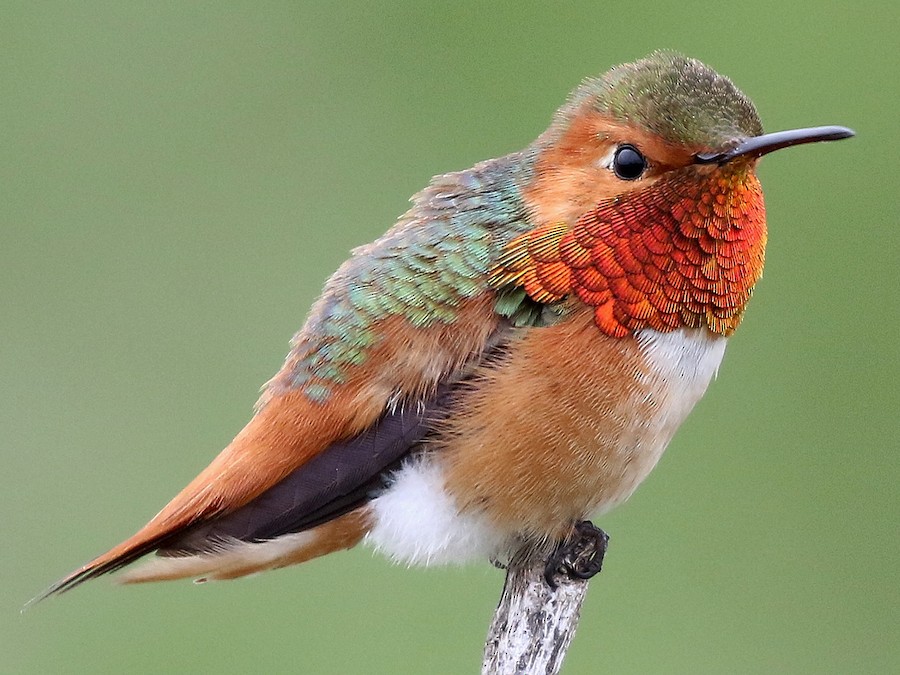
Rarely seen in Louisiana, Allen’s Hummingbirds bring a burst of vibrant colors and unique plumage patterns to the state’s diverse hummingbird population. These rare vagrants are known for their green backs, orange-red to yellow-orange throats in males, and rufous rump and tail feathers. Here are some fascinating facts about Allen’s Hummingbirds:
- Distinctive Colors: Allen’s Hummingbirds boast vibrant and iridescent colors, with males showcasing striking throat patches that shimmer in the sunlight.
- Unique Plumage: Females of this species exhibit intricate plumage patterns, adding to their allure and beauty.
- Rarity in Louisiana: Spotting an Allen’s Hummingbird in Louisiana is a special and thrilling experience due to their infrequent presence in the state.
- Migration Patterns: The migration behaviors of Allen’s Hummingbirds differ from those of resident species in Louisiana, making their sightings even more intriguing.
- Valuable Insights: Observing an Allen’s Hummingbird in Louisiana can offer valuable insights into bird migration, habitat preferences, and the overall hummingbird diversity in the region.
7. Anna’s Hummingbird

You may come across Anna’s Hummingbirds, known for their larger size and distinctive vocalizations, primarily along the West Coast but occasionally as rare vagrants in Louisiana. These striking hummingbirds, with glossy dark rose-red throats in males and light grey chests adorned with white and red spotting in females, exhibit acrobatic flight displays and emit buzzing vocalizations that set them apart. While their main habitat is the West Coast, sightings of Anna’s Hummingbirds as far east as Louisiana are a treat for birdwatchers.
Males of the species showcase elaborate courtship rituals involving steep dives and high-speed chases to win over females. Their medium build, straight bills, and vibrant plumage make them easily distinguishable. Anna’s Hummingbirds are also known to venture as far as south Texas during migration, adding to their allure. Observing these agile creatures in the wild provides a captivating glimpse into their captivating behaviors and vivid beauty.
8. Buff-bellied Hummingbird
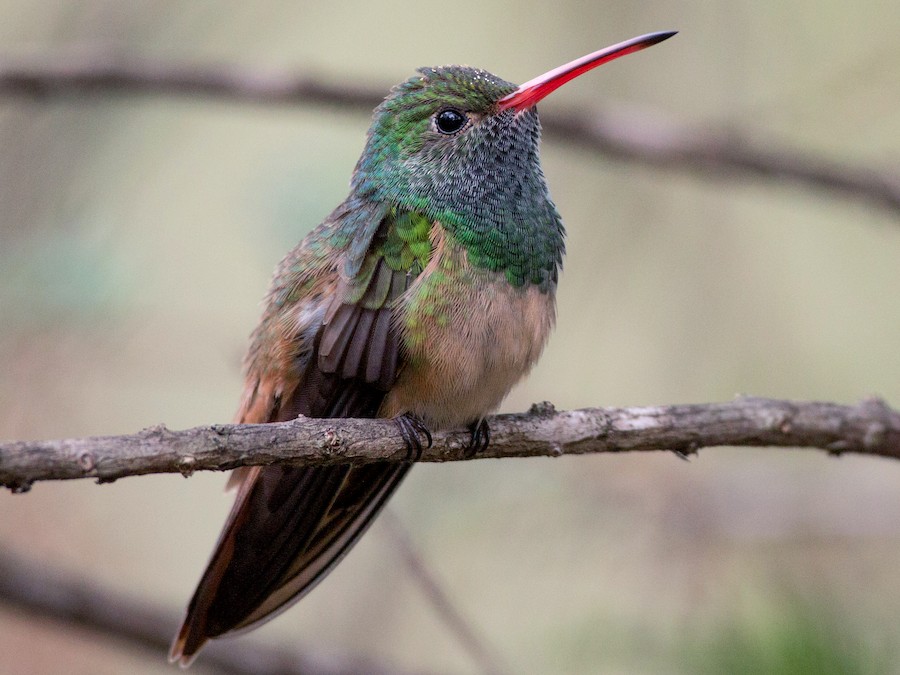
Buff-bellied Hummingbirds, known for their distinctive plumage and migratory patterns, disperse northeast into Louisiana from their breeding grounds in southernmost Texas. These vibrant hummingbirds can be spotted fluttering around flowers and hummingbird feeders in urban and suburban areas as well as shrubby habitats. Here are some key points about the Buff-bellied Hummingbird:
- Feeding Habits: Buff-bellied Hummingbirds are often seen visiting feeders in park and refuge visitor centers in Louisiana, where special feeders are maintained to attract these beautiful birds.
- Longevity: The oldest recorded Buff-bellied Hummingbird was a remarkable male that lived to at least 11 years and 2 months, showcasing their potential for longevity.
- Migration: Their regular dispersal into Louisiana makes them a notable species in the region, adding to the diversity of hummingbird species present.
- Distinctiveness: With their buff-colored bellies and striking green and cinnamon plumage, Buff-bellied Hummingbirds are easily recognizable among other hummingbird species.
- Conservation: Monitoring and protecting the habitats that Buff-bellied Hummingbirds rely on in both Texas and Louisiana is crucial for ensuring their continued presence in the area.
9. Broad-billed Hummingbird
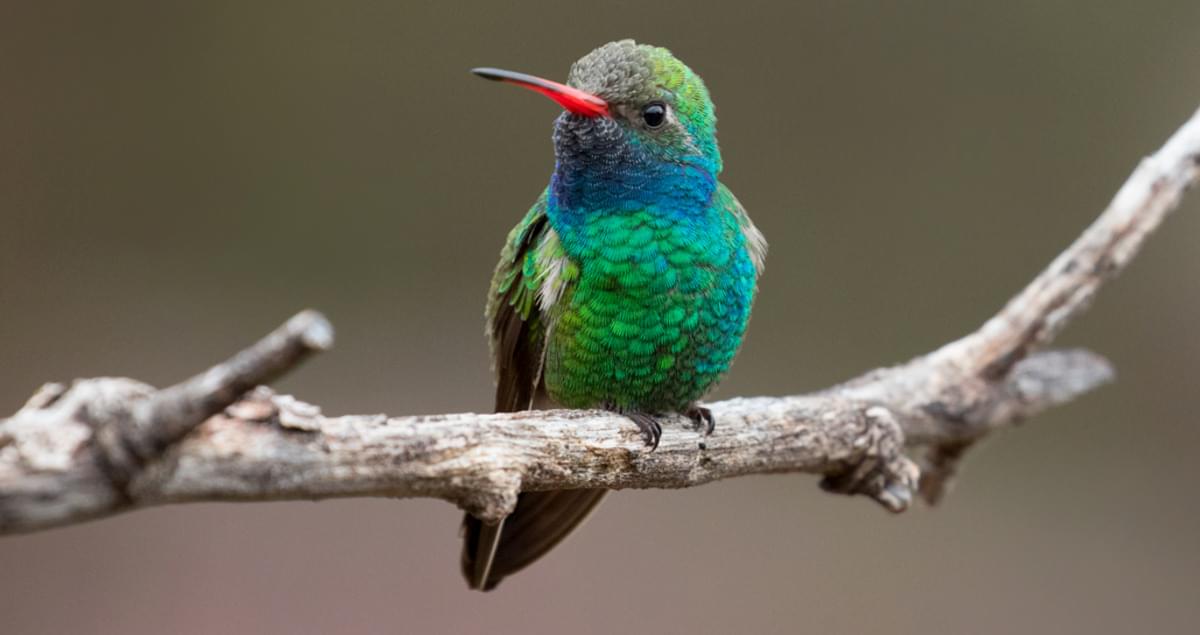
You may be intrigued to learn that Broad-billed Hummingbirds, rare visitors to Louisiana from Mexico, boast distinctive plumage colors that set them apart. Males flaunt glossy green feathers and striking deep blue throats, catching the eye of any lucky observer. Their unique appearance and specific migration patterns make glimpsing one in Louisiana a truly special experience.
Unique Plumage Colors
Admiring the glossy green plumage and deep blue throat of male Broad-billed Hummingbirds in Louisiana offers a captivating glimpse into their distinctive coloring among hummingbird species. These hummingbirds are accidental vagrants in Louisiana, with sightings typically occurring during migration periods from Mexico. The iridescent blue throat patch in male Broad-billed Hummingbirds is a key feature for identification and differentiation from other species. Their unique plumage colors and markings, coupled with their occasional presence in the state, make them a sought-after sighting for birdwatchers. Observing a Broad-billed Hummingbird in Louisiana provides a rare and exciting opportunity to witness their vibrant colors and beauty up close.
- Broad-billed Hummingbirds display glossy green plumage and a deep blue throat in males.
- Accidental vagrants in Louisiana, these hummingbirds are not native to the region.
- The iridescent blue throat patch is a crucial feature for identifying male Broad-billed Hummingbirds.
- Their unique plumage colors make them stand out among other hummingbird species.
- Observing these birds in Louisiana is a rare and thrilling experience for birdwatchers.

Distinctive Feeding Habits
Broad-billed Hummingbirds exhibit specialized bills uniquely adapted for extracting nectar from the long tubular flowers of their preferred plants. Their feeding habits are finely tuned to access nectar from deep blooms that other hummingbirds may not reach. This specialization allows them to play a crucial role in pollination by transferring pollen between flowers as they feed. These hummingbirds showcase remarkable agility and precision while hovering and feeding on nectar, showcasing their evolutionary adaptations for this specific diet.
To further understand the feeding habits of Broad-billed Hummingbirds, let’s delve into a table detailing some of their key characteristics:
| Feeding Habit Feature | Description |
|---|---|
| Bill Shape | Specialized, elongated bills for accessing nectar from long tubular flowers |
| Pollination Role | Vital in pollination by transferring pollen between flowers as they feed |
| Hovering Behavior | Agile and precise hovering abilities while feeding on nectar |
| Ecological Significance | Insights into their role in ecosystems and interactions with plant species |
Studying these distinctive feeding habits provides valuable insights into the ecological importance of Broad-billed Hummingbirds in their environment.
10. White-eared Hummingbird

The White-eared Hummingbird, known for its striking white stripe behind the eye and vibrant green plumage, is a rare vagrant in Louisiana, typically found in the Southwestern United States and Mexico. This species’ unique characteristics make it a fascinating subject for bird watchers and researchers alike.
- White-eared Hummingbirds prefer montane habitats with flowering plants, showcasing their preference for specific environments.
- Their distinctive white ear patch and long, slightly curved bill set them apart from other hummingbird species in the region, aiding in easy identification.
- Observing a White-eared Hummingbird in Louisiana is a special treat due to their sporadic appearances outside their usual range, adding to the excitement of bird sightings in the state.
- The vibrant green plumage of the White-eared Hummingbird serves as excellent camouflage in their natural habitat, aiding in protection from predators.
- The rarity of White-eared Hummingbirds in Louisiana underscores the importance of conservation efforts to protect these stunning birds and their habitats.
11. Violet-crowned Hummingbird

Given Louisiana’s reputation as a haven for rare hummingbird species, the Violet-crowned Hummingbird is a captivating avian migrant known for its distinct violet crown and green plumage. This rare vagrant, primarily found in Mexico and Central America, occasionally ventures north into the US, including Louisiana. Its vibrant violet crown, green back, and white underparts set it apart from other hummingbird species, making it easily identifiable to keen observers.
The infrequent sightings of the Violet-crowned Hummingbird in Louisiana bring excitement to birdwatchers and researchers alike. The species’ specialized habitat requirements and unique migration patterns contribute to these sporadic appearances. When fortunate enough to witness this elusive hummingbird, take note of its striking features and appreciate the rarity of the encounter. Keep an eye out for the Violet-crowned Hummingbird in Louisiana’s diverse landscapes, as you never know when this colorful migrant might grace the region with its presence.