

Yes, broccoli is a product of domesticating wild cabbage and purposefully altering its genetic makeup. The transition from wild cabbage to broccoli occurred through selective breeding methods, where ancient civilizations manipulated its traits. Through this process, broccoli acquired distinct genetic characteristics separate from its wild cabbage ancestor. Genetic enhancements like larger flower buds and improved taste were accentuated, resulting in the broccoli we know today. This domestication journey highlights the deliberate efforts in transforming wild plants into the cultivated vegetables we enjoy. Intriguing details about broccoli’s evolution and benefits await your exploration.
The Origin of Broccoli

Originally introduced to Italy over 2000 years ago by the Etruscans, broccoli has since evolved into a widely cultivated and cherished vegetable. The Etruscans first cultivated a form of wild cabbage, which through centuries of selective breeding and artificial selection, eventually led to the development of broccoli. Selective breeding involves choosing specific plants with desirable traits, such as larger flower heads or better taste, to reproduce and enhance those characteristics in subsequent generations. This deliberate manipulation of broccoli’s genetic makeup by the Etruscans and later by other cultures contributed to the transformation of a wild plant into the broccoli we recognize today. Over time, these efforts refined broccoli into a vegetable with distinct features and flavors that set it apart from its wild cabbage ancestors. The careful selection and cultivation practices employed by ancient civilizations laid the foundation for the broccoli varieties we enjoy today.
Evolution of Wild Cabbage
The evolution of wild cabbage, Brassica oleracea, played a pivotal role in the development of various vegetable forms, including broccoli, cauliflower, kale, and Brussels sprouts. Through centuries of selective breeding, wild cabbage underwent significant changes that led to the creation of diverse cultivars within the Brassica oleracea family. This process of domestication showcases how human intervention can shape plant evolution.
To visualize the evolution of wild cabbage, let’s delve into the changes that occurred through selective breeding:
| Evolutionary Stage | Description | Key Features |
|---|---|---|
| Wild Cabbage | Ancestor of modern cultivars | Small, bitter leaves |
| Selective Breeding | Controlled breeding for desired traits | Increased size and improved taste |
| Domestication | Transformation into distinct vegetable forms | Development of broccoli, cauliflower, and kale |
| Modern Cultivars | Diverse range of vegetable varieties within the species | Broccoli, cauliflower, kale, and Brussels sprouts |
The evolutionary journey of wild cabbage through selective breeding and domestication highlights the remarkable impact of human influence on plant diversity.

Selective Breeding Process
Selective breeding involves the deliberate cultivation of plants with desired traits through successive generations, aiming to enhance specific characteristics for improved quality and adaptability. In the case of broccoli, this process has been instrumental in transforming wild cabbage, Brassica oleracea, into the diverse range of cultivars we see today. Growers carefully select and propagate plants with favorable characteristics such as taste, yield, and resistance to diseases. Through methods like seed propagation, grafting, and cutting, the desired traits are accentuated over time. In the context of Brassica oleracea, selective breeding has led to the development of broccoli with its distinctive appearance and flavor profile. The goal of this meticulous process is to create plants that not only meet the needs of consumers but also thrive in various environmental conditions. By focusing on specific attributes, selective breeding ensures that each generation of broccoli exhibits improvements in quality and adaptability, showcasing the power of human intervention in plant evolution.
Characteristics of Broccoli
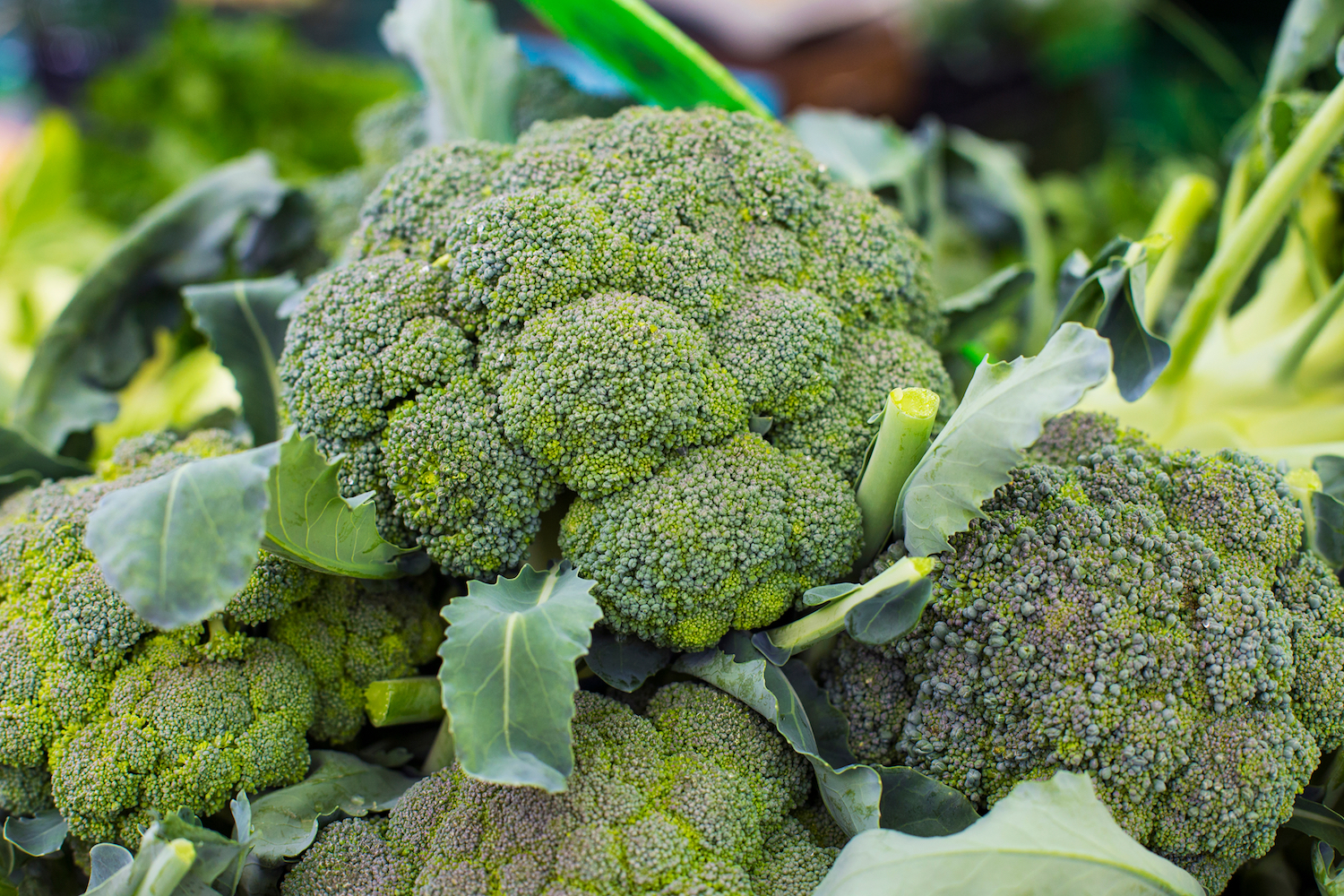
Broccoli, characterized by its large, tightly packed flowering heads, offers a plethora of nutritional benefits. Its thick stalks and leaves provide a rich source of vitamins, minerals, and fiber essential for a balanced diet. Understanding the growing requirements of this cruciferous vegetable is crucial for cultivating a successful harvest.
Nutritional Benefits
Within the realm of nutritional benefits, broccoli emerges as a powerhouse of essential vitamins, minerals, and antioxidants crucial for optimal health and wellness.
- Broccoli is a nutrient-dense vegetable, providing a significant amount of vitamins C, K, and A, along with minerals like potassium and calcium.
- The high fiber content in broccoli not only aids in digestion but also promotes gut health by supporting the growth of beneficial bacteria in the intestines.
- Rich in antioxidants like sulforaphane, broccoli exhibits potential cancer-fighting properties, protecting cells from damage and reducing inflammation.
Additionally, the often-overlooked broccoli stalks are edible and contribute to the vegetable’s nutritional profile by providing extra fiber and vitamin C. Regular consumption of broccoli is associated with improved cognitive function and overall well-being due to its impressive array of essential nutrients. Incorporating this cruciferous vegetable into your diet can be a smart choice for enhancing your health and vitality.
Growing Requirements

For optimal growth and development, broccoli thrives best in full sun and well-drained soil, requiring consistent moisture and cooler temperatures ranging between 45-75°F (7-24°C). These conditions are crucial for the successful cultivation of broccoli plants. Adequate spacing between plants, typically 18-24 inches apart, promotes good air circulation, reducing the risk of diseases. Broccoli plants are sensitive to extreme heat, so it’s essential to provide shade during hot periods to prevent bolting, a premature flowering process that affects the quality of the heads.
To ensure a healthy harvest, gardeners should monitor soil moisture levels regularly, as broccoli heads require ample water to develop properly. If you have limited garden space, consider growing broccoli in containers or raised beds, as this allows for better control over soil quality and drainage. By meeting these growing requirements, you can cultivate robust broccoli plants that yield delicious and nutritious florets. Remember, proper care from planting to harvest is key in producing high-quality broccoli without the need for genetic modifications.
Nutritional Value of Broccoli

How does the nutritional composition of broccoli contribute to its reputation as a powerhouse vegetable option? Broccoli is a nutritional powerhouse, boasting high levels of essential vitamins, fiber, and antioxidants. Here are some key reasons why broccoli is considered a top-notch vegetable choice:
- Rich in Vitamins: Broccoli is a great source of vitamins C, K, and A. Vitamin C is crucial for immune function, collagen formation, and iron absorption. Vitamin K plays a role in blood clotting and bone health, while vitamin A is essential for vision and skin health.
- High Fiber Content: Fiber is abundant in broccoli, aiding in digestion, promoting gut health, and helping to regulate blood sugar levels. A diet rich in fiber can also contribute to weight management and reduce the risk of chronic diseases.
- Antioxidant Power: Broccoli contains antioxidants that help combat oxidative stress and reduce inflammation in the body. These compounds may play a role in reducing the risk of chronic diseases like cancer and cardiovascular issues.
Including broccoli in your meals can provide a wide array of health benefits, making it a smart choice for those looking to enhance their overall well-being.
Broccoli Vs. Wild Cabbage
Broccoli and wild cabbage share a common genetic ancestry but exhibit distinct differences due to selective breeding practices. The cultivation history of broccoli involves targeted modifications to wild cabbage’s traits, leading to the development of a separate cultivar. Understanding the genetic divergence and culinary disparities between broccoli and wild cabbage provides insight into the evolutionary journey of these Brassica oleracea varieties.

Broccoli Cultivation History
Cultivating broccoli involves a detailed understanding of its origins and relationship to wild cabbage varieties. Broccoli, a product of selective breeding, traces its roots back to the wild cabbage species Brassica oleracea. Here are some key points shedding light on the history of broccoli cultivation:
- United States Connection: Thomas Jefferson was among the first to cultivate broccoli in the U.S. during the 1700s, with its popularity surging in the 1920s.
- Diversity in Brassica oleracea Family: Broccoli is not the only vegetable derived from Brassica oleracea. Cauliflower, kale, and Brussels sprouts also originate from this wild cabbage species, showcasing the vast array of cultivars within this family.
- Continuous Development: Broccolini, a hybrid of broccoli and Chinese broccoli, exemplifies the ongoing development of new vegetable varieties through selective breeding, highlighting the adaptability and versatility of these plants.
Understanding the historical context of broccoli cultivation provides valuable insights into the intricate process of selective breeding and the diverse range of vegetables stemming from the wild cabbage species.
Genetic Differences Explained
Selective breeding has resulted in distinct genetic differences between broccoli and its wild cabbage ancestor, Brassica oleracea. Through targeted breeding programs, broccoli has diverged genetically from the original wild cabbage plant. The emphasis on specific traits, such as the development of larger flower buds in broccoli, has led to significant genetic alterations. Broccoli cultivars now exhibit unique genetic makeup compared to the wild cabbage plant from which they originated.
The process of selective breeding has allowed for the enhancement of desirable characteristics in broccoli, including improved taste, higher yields, and increased resistance to diseases. As a result, the genetic manipulation through selective breeding distinguishes broccoli not only in appearance but also in its genetic composition from the wild cabbage plant. These genetic differences underscore the impact that human intervention has had on shaping broccoli into the popular vegetable known today.
Culinary Distinctions Between Both

The culinary distinctions between broccoli and wild cabbage are stark, showcasing the significant impact of selective breeding on the development of broccoli’s distinct characteristics. Selective breeding has played a crucial role in transforming the wild cabbage into the versatile and nutritious vegetable we now know as broccoli. Here are some key culinary differences between broccoli and wild cabbage:
- Size and Taste: Broccoli has larger, tastier flower buds compared to the smaller, tighter buds of wild cabbage.
- Palatability: Wild cabbage is less palatable than cultivated broccoli due to its bitter taste and tougher texture.
- Texture and Appearance: Broccoli’s texture and appearance, such as its tender florets and thick stalks, have been enhanced through selective breeding for culinary purposes.
Through human intervention and selective breeding over centuries, wild cabbage has evolved into the beloved vegetable that graces our plates today in various delicious dishes.
Culinary Uses of Broccoli

Various culinary techniques can be employed to make the most of broccoli’s versatile nature and nutritional benefits. Broccoli, a member of the Brassica oleracea species, commonly known as cruciferous vegetables, offers a plethora of cooking options. Whether you prefer it raw in salads to retain its crunchiness and nutrient content or steamed to enhance its natural flavors, broccoli proves to be a versatile ingredient. Roasting broccoli brings out a nutty taste, while incorporating it into soups and smoothies offers a creamy texture and added health benefits. For a quick and nutritious meal, stir-fry broccoli florets with other vegetables and proteins. Don’t overlook the stems; slice and cook them like the florets to reduce food waste and introduce a different texture to your dishes. Additionally, broccoli can elevate pasta dishes, casseroles, and even pizzas when used as a topping, boosting the overall nutritional value of your meal.